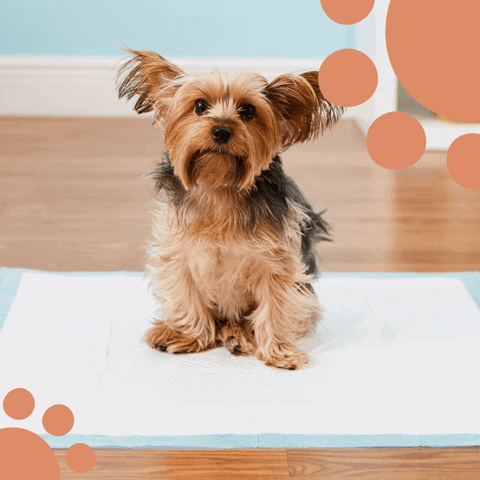

Training an old dog to use pee pads might seem challenging, but it’s definitely possible with the right approach. If you’ve been struggling to keep your home clean or worried about your dog’s comfort, this guide is for you.
Imagine having a simple, stress-free way to manage your dog’s bathroom needs indoors. Keep reading, and you’ll discover easy steps that can make a big difference for both you and your furry friend.

Credit: allergystore.com
Benefits Of Pee Pads For Older Dogs
Using pee pads for older dogs offers several practical benefits that can make life easier for both you and your pet. These pads provide a reliable solution that adapts to the changing needs of aging dogs. Understanding these benefits can help you decide if pee pads are the right choice for your furry friend.
Convenience For Owners
Pee pads save you frequent trips outside, especially during bad weather or late at night. They help keep your home clean by containing messes in one spot. With pads, you can plan your day better without worrying about rushing your dog outdoors.
Comfort For Aging Pets
Older dogs may struggle with mobility issues, making trips outside difficult or painful. Pee pads give them a comfortable, familiar place to relieve themselves without stress. This reduces anxiety and helps maintain their dignity as they age.
Managing Health Issues
Health problems like incontinence or arthritis can make bathroom habits unpredictable. Pee pads provide a practical way to manage accidents without constant supervision. They also allow you to monitor your dog’s health by observing changes in their bathroom patterns easily.
Choosing The Right Pee Pads
Choosing the right pee pads is essential for training an old dog. The right pad makes the process cleaner and easier. It protects your floors and helps your dog feel comfortable. Not all pee pads are the same. Some are better suited for older dogs than others. Understanding size, absorbency, material, and placement helps you pick the best one.
Size And Absorbency
Choose a pee pad large enough for your dog’s needs. Bigger pads give your dog more space to relieve itself. Older dogs may need pads with higher absorbency. Pads that hold more liquid prevent leaks and odors. Check the pad’s absorbency rating before buying. A pad that absorbs well keeps your home clean and dry.
Material And Scent
Select pads made from soft, comfortable materials. Your dog will feel more at ease using them. Look for pads with a waterproof bottom to protect floors. Some pads include a light scent to attract dogs. Scented pads can help guide your dog to the right spot. Avoid strong perfumes that might bother your dog’s nose.
Placement Tips
Place the pee pad in a quiet, easy-to-reach area. Choose a spot your dog already likes to relieve itself. Keep the pad away from food and sleeping areas. Change the pad often to keep the area clean. Use tape or a tray to keep the pad in place. Consistent placement helps your dog learn faster.
Preparing Your Dog For Training
Start by creating a calm space for your dog with easy access to pee pads. Use gentle encouragement and patience to build trust and comfort. Keep training sessions short and consistent to help your dog adjust smoothly.
Preparing an older dog to use pee pads might seem challenging, but with patience and consistency, it’s entirely achievable. Whether your dog is recovering from surgery, experiencing age-related issues, or you simply want to minimize outdoor trips, pee pad training can be beneficial. The key to success is in how you prepare for the journey ahead.Assessing Your Dog’s Needs
Before diving into training, take a moment to consider your dog’s specific needs. Is your dog physically capable of reaching the pee pad’s location? Some dogs may have mobility issues that require special accommodations. Consider any past experiences or fears that could influence their learning process. Understanding these nuances will help tailor your approach to their unique situation.Creating A Calm Environment
A calm environment is crucial for effective training. Choose a quiet area of your home where your dog feels safe and secure. Reduce potential distractions by keeping the area free from toys, food, or other pets. This helps your dog focus on the task at hand, creating a more successful training session.Gathering Training Supplies
Having the right supplies on hand can make the process smoother. Stock up on high-quality pee pads that are absorbent and durable. Consider investing in pee pad holders or trays to keep the pads in place and prevent slipping. Don’t forget to have treats ready to reward your dog for their efforts, reinforcing positive behavior. As you prepare, remember that training an older dog requires a gentle approach and lots of encouragement. Are you ready to see the transformation in your furry friend?
Credit: aminpetshop.com
Step-by-step Training Process
Training an old dog to use pee pads takes patience and care. The process involves clear steps to help your dog understand what to do. Consistency and kindness make learning easier for your pet. Follow these steps to build good habits and keep your home clean.
Introducing The Pee Pad
Place the pee pad in a quiet, accessible spot. Let your dog sniff and explore the pad. Avoid forcing your dog onto the pad. Use gentle encouragement and allow time to adjust. Keep the pad in the same place during training.
Encouraging Use With Positive Reinforcement
Praise your dog immediately after they use the pad. Offer treats or gentle petting as rewards. Use a calm, happy voice to reinforce good behavior. Avoid punishment for accidents to keep trust. Rewarding helps your dog link the pad with positive feelings.
Establishing A Routine
Take your dog to the pee pad at regular times. Try after meals, playtime, and naps. Keep a consistent schedule to build habits. Watch for signs your dog needs to go. A routine helps your dog learn when to use the pad.
Handling Accidents Properly
Clean accidents quickly with pet-safe cleaners. Avoid strong smells that may attract your dog back. Do not scold your dog for accidents. Instead, calmly guide them to the pee pad. Patience helps your dog feel safe and learn faster.
Troubleshooting Common Problems
Training an old dog to use pee pads can bring challenges. Some dogs resist at first or have accidents outside the pads. Patience and consistent effort are key to fix these issues. This section covers common problems and how to handle them effectively.
Reluctance To Use Pads
Some dogs may avoid pee pads due to unfamiliarity or discomfort. Try these tips:
- Place pads in quiet, low-traffic areas to reduce distractions.
- Use treats and praise to encourage your dog near the pad.
- Keep the pad clean and fresh to avoid bad smells.
- Allow your dog to sniff and explore the pad without pressure.
Consistency is important. Give your dog time to get used to the new spot.
Marking Outside The Pads
Older dogs may mark territory outside the pads. This can be frustrating but manageable.
- Increase pad availability by placing multiple pads around the house.
- Supervise your dog and redirect them to the pad when they show signs of needing to go.
- Clean marked areas thoroughly to remove odors that invite repeat marking.
- Consider using belly bands or dog diapers temporarily to reduce marking.
Watch your dog closely to catch early signs and guide them to the pad.
Regression And Setbacks
Setbacks can occur, especially with older dogs adjusting to change. Stay calm and patient.
- Review your training routine and strengthen positive reinforcement.
- Check for health problems that may cause accidents, such as urinary infections.
- Maintain a regular bathroom schedule to build good habits.
- Keep pads clean and replace them frequently to keep your dog interested.
Repeated practice and gentle encouragement help rebuild good behavior over time.
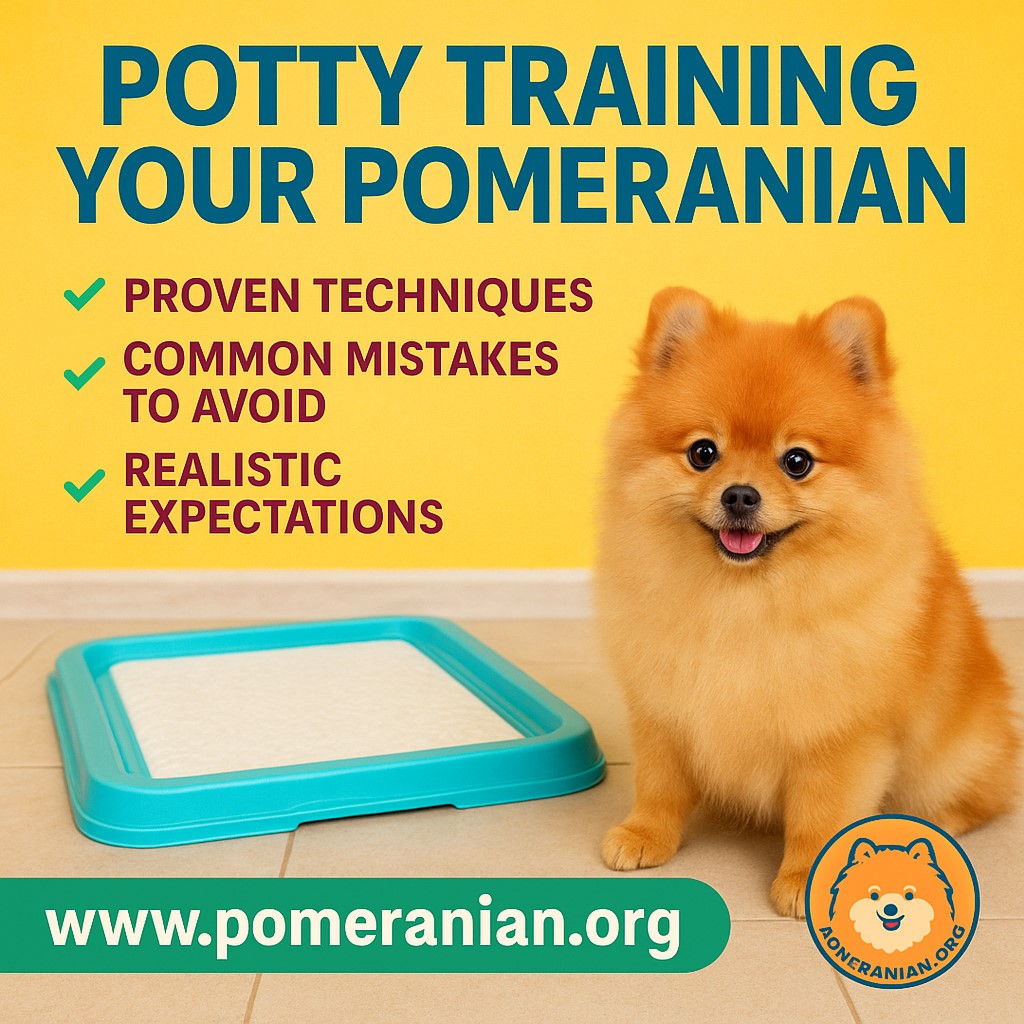
Credit: pomeranian.org
Maintaining Training Success
Maintaining training success with pee pads ensures your old dog stays comfortable and your home stays clean. Consistency is key to keeping good habits. Pay attention to your dog’s needs and changes over time. Celebrate small wins to keep motivation high.
Regular Cleaning And Replacement
Keep the area around pee pads clean to avoid odors. Replace pads often to maintain freshness and hygiene. Dirty pads can confuse your dog and slow training progress. Use gentle cleaners safe for pets to wipe the floor.
Adjusting To Changing Needs
Older dogs may need more frequent bathroom breaks as they age. Watch for signs that your dog needs a pad change or a new spot. Adjust pad size or location based on your dog’s comfort. Be patient and flexible as needs evolve.
Celebrating Progress
Praise your dog for using the pads correctly. Use treats or gentle petting to reward good behavior. Keep training fun and positive to encourage continued success. Small celebrations build trust and confidence in your dog.
Frequently Asked Questions
How Long Does It Take To Train An Old Dog On Pee Pads?
Training duration varies but usually takes 2 to 4 weeks. Consistency and positive reinforcement speed up learning. Patience is key when working with older dogs.
Can Old Dogs Learn To Use Pee Pads Effectively?
Yes, old dogs can learn pee pad use. Consistent training and encouragement help them adapt. It may take longer than with puppies, but success is achievable.
What Are The Best Pee Pads For Old Dogs?
Choose absorbent, leak-proof, and odor-controlling pee pads. Larger sizes help older dogs aim better. Replace pads regularly to maintain cleanliness and comfort.
How To Encourage An Old Dog To Use Pee Pads?
Use treats and praise when the dog uses the pad. Place pads in accessible, quiet areas. Keep a routine to reinforce the habit effectively.
Conclusion
Training an old dog to use pee pads takes time and patience. Start small, and be consistent every day. Praise your dog when it uses the pad correctly. Expect some accidents; stay calm and keep trying. Soon, your dog will learn this new habit.
This method helps both you and your dog stay comfortable indoors. Remember, kindness and routine make training easier. Keep the pads clean and in the same place. With steady effort, your old dog can adapt well to pee pads.
