Have you ever wondered if your older dog can still learn new tricks? Maybe you think training is only for puppies, but that’s not true.
Your dog’s age doesn’t mean their brain has stopped growing. In fact, with the right approach, you can teach your furry friend new skills and improve their behavior at any age. Imagine the joy of seeing your older dog respond to commands, stay active, and feel happier.
Curious how to make this happen? Keep reading to discover simple, effective ways to train your old dog and strengthen the bond you share.

Credit: a-z-animals.com
Benefits Of Training Senior Dogs
Training senior dogs offers more than just obedience; it brings meaningful benefits to their well-being and your relationship. Older dogs still have plenty of capacity to learn, and engaging their minds and bodies can make their golden years happier and healthier. Let’s look at how training can enhance your senior dog’s life in practical ways you’ll both appreciate.
Mental Stimulation For Older Pets
Just like people, dogs need mental exercise to stay sharp as they age. Training challenges their brain and keeps their minds active, which can help delay cognitive decline. Teaching your dog new tricks or commands provides a sense of purpose and keeps boredom away.
Have you noticed your senior dog seems less interested in their surroundings? Training might be the key to reigniting their curiosity and alertness. Simple puzzle toys combined with training sessions can stimulate their brain and improve focus.
Improving Physical Health
Training isn’t just about mental work—it also encourages physical activity tailored to your dog’s needs. Gentle exercises, like controlled fetch or guided walks, can improve mobility and muscle strength. These activities help manage weight, reduce arthritis symptoms, and promote overall vitality.
When I started short training walks with my aging Labrador, I saw noticeable improvements in his energy levels and joint flexibility within weeks. What small physical activity could you add today to support your dog’s health?
Strengthening The Bond
Training sessions create special moments between you and your dog, building trust and deepening your connection. Consistent positive interactions help your senior dog feel secure and loved. This bond can ease anxiety and boost their confidence, especially if they experience sensory loss or other age-related changes.
Think about the last time you spent focused, one-on-one time with your dog. How did it change their mood or behavior afterward? Training offers that valuable connection regularly, making your relationship stronger every day.
Challenges In Training Older Dogs
Training older dogs presents unique challenges that differ from training puppies. Their bodies and minds have adapted over many years. This can make learning new skills harder. Patience and understanding are key to success. Knowing common obstacles helps prepare for a smoother training process.
Common Health Issues
Older dogs often face health problems that affect training. Joint pain and arthritis can limit movement and comfort. Hearing or vision loss may cause confusion during commands. Some dogs experience cognitive decline, making memory and focus difficult. Regular vet check-ups help identify these issues early.
Behavioral Habits
Older dogs may have set habits that are tough to change. They might resist new routines or commands. Past experiences shape their reactions and attitudes. Fear or anxiety can increase with age. Consistent, gentle training helps modify behaviors without stress.
Reduced Energy Levels
Older dogs generally have less energy than younger ones. They tire faster during training sessions. Short and frequent training periods work best. Low energy can slow learning but does not stop it. Respecting their pace keeps training positive and effective.
Effective Training Techniques
Training an old dog might seem challenging. Yet, with the right techniques, it’s entirely possible. Older dogs can learn new tricks and behaviors. The key lies in using effective methods. Let’s explore some proven techniques.
Positive Reinforcement Methods
Positive reinforcement encourages learning through rewards. Use treats, praise, or toys to reward desired behavior. This method builds trust and strengthens your bond. Ensure the reward is immediate. Dogs connect actions with outcomes better this way.
Using Short Training Sessions
Short sessions keep training effective. Older dogs may have limited attention spans. A 5 to 10-minute session works best. Avoid overwhelming your dog. This approach ensures learning is enjoyable and stress-free.
Consistency And Patience
Consistency is crucial for success. Use the same commands and rewards every time. Patience is equally important. Some dogs take longer to learn. Stay calm and repeat the process as needed. Progress may be slow, but it’s rewarding.

Credit: www.aol.com
Adapting Training To Physical Limitations
Training an older dog means you need to consider their physical limits carefully. Their bodies might not move as easily as before, and pushing too hard can cause injury. Adjusting your approach helps keep training safe and enjoyable for both of you.
Low-impact Exercises
Choose exercises that don’t strain joints or muscles. Gentle activities like slow leash walks, swimming, or simple nose work games keep your dog engaged without causing discomfort.
These low-impact options improve mental sharpness and maintain muscle tone. Have you noticed how your dog responds better when the exercises don’t leave them tired or sore? That’s a clear sign you’re on the right track.
Adjusting Commands For Mobility
Older dogs may find it hard to perform commands that require jumping or quick movements. Modify your commands to fit what your dog can comfortably do.
For example, instead of “fetch,” try “touch” or “paw” where your dog stays in one spot. You can also use hand signals if your dog’s hearing isn’t as sharp as it once was.
Comfortable Training Environment
Set up a training space that supports your dog’s needs. Use non-slip mats to prevent falls and keep sessions short to avoid fatigue.
Pick a quiet spot free of distractions to help your dog focus better. When your dog feels safe and comfortable, learning becomes easier and more rewarding for both of you.
Essential Tools For Senior Dog Training
Training an older dog can be a rewarding experience with the right tools. Senior dogs may need gentler approaches and extra patience. Essential tools help make training easier and more enjoyable for both you and your dog.
Treats And Rewards
Treats motivate senior dogs during training sessions. Choose small, soft treats that are easy to chew. High-value treats like chicken or cheese work well. Praise and gentle petting also act as rewards. Use treats consistently to encourage good behavior.
Training Aids And Devices
Some tools help guide your dog’s learning process. Clickers create a clear sound that marks correct actions. Gentle harnesses and leashes offer control without discomfort. Puzzle toys keep the mind active and engaged. Avoid harsh collars or devices that cause pain.
Tracking Progress
Keeping track of training progress shows what works best. Use a simple notebook or app to record daily sessions. Note which commands your dog responds to quickly. Adjust training plans based on your notes. Celebrate small successes to stay motivated.
Common Training Goals For Older Dogs
Older dogs can learn new things, and focusing on common training goals helps you and your furry friend enjoy life together. Training isn’t just about obedience; it can improve your dog’s comfort, confidence, and quality of life. Here are some key goals you might consider when training your senior dog.
Basic Obedience Skills
Older dogs benefit from practicing or relearning basic commands like sit, stay, come, and heel. These skills improve communication between you and your dog, making daily life smoother and safer. You might find your dog responds well to gentle, consistent cues, especially when you use treats or praise as motivation.
Have you noticed your dog struggling with commands they once knew? Refreshing these skills can strengthen your bond and keep their mind sharp. Simple routines, like asking your dog to sit before meals or walks, add structure and reduce confusion.
Addressing Anxiety And Fear
Many older dogs develop anxiety or fear due to health changes or new environments. Training can help reduce these feelings by introducing calming exercises and safe spaces. Teaching your dog to relax on cue or respond to comforting words can make stressful situations easier for both of you.
Consider how your dog reacts to loud noises, strangers, or being alone. Gradual exposure paired with positive reinforcement often helps them feel more secure. Have you tried using a favorite toy or blanket during these exercises to create positive associations?
Improving Socialization
Socialization remains important, even for older dogs. Meeting new people and other animals can be challenging but rewarding when done thoughtfully. Training can help your dog stay confident and polite during interactions.
You might start with brief, controlled meetings in quiet environments, rewarding calm behavior. Does your dog get nervous around other dogs or children? Working on tolerance and positive experiences can make outings more enjoyable for everyone involved.
Signs Of Progress And When To Seek Help
Training an old dog requires patience and careful observation. Noticing progress helps keep motivation high. Sometimes, challenges may need outside help. Knowing the signs of improvement and when to seek assistance is key for success.
Recognizing Positive Changes
Look for small wins during training sessions. Your dog may respond more to commands. They might stay focused longer or show less anxiety. Notice better behavior at home and outside. These changes show your dog is learning.
Celebrate these moments. They prove your efforts work. Even slow progress is a step forward. Keep training consistent and gentle.
When To Consult A Professional Trainer
Training can be tough with older dogs. Some behaviors may not improve as expected. Signs to seek help include:
- Persistent aggression or fear
- Inability to follow basic commands
- Stress or anxiety during training
- Confusion or frustration from your dog
A professional trainer brings experience and new techniques. They can tailor training to your dog’s needs. This support often leads to better results faster.
Veterinary Advice For Training Issues
Health problems can affect training success. Sometimes, pain or illness causes behavior changes. Consult your vet if your dog:
- Shows sudden behavior shifts
- Has difficulty moving or hearing
- Seems unusually tired or distracted
- Displays signs of discomfort during training
Veterinarians can check for medical causes. Treating these issues helps your dog learn better. Always rule out health problems before changing training plans.
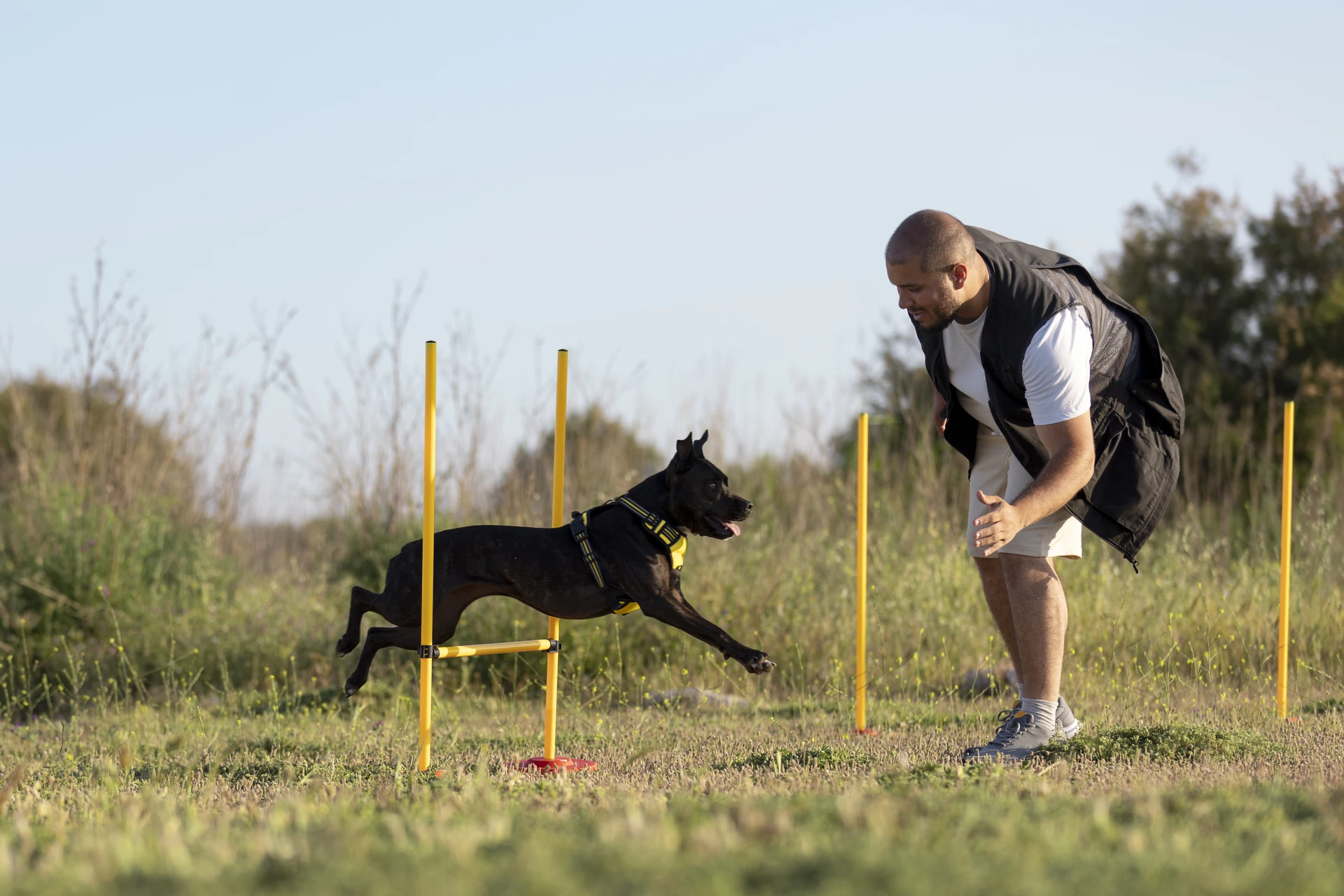
Credit: linkk9.com
Frequently Asked Questions
Can Old Dogs Learn New Commands Effectively?
Yes, old dogs can learn new commands with patience and consistent training. Their ability to learn may slow, but they retain memory well. Positive reinforcement and short sessions help improve their learning experience.
How Long Does Training Take For Senior Dogs?
Training duration varies based on the dog’s health, breed, and prior training. Senior dogs may need more time due to slower cognitive processing. Consistent daily practice and gentle encouragement speed up the training process.
What Training Methods Work Best For Old Dogs?
Positive reinforcement techniques, such as treats and praise, work best for old dogs. Avoid harsh corrections, as they can cause stress or fear. Gentle, reward-based training fosters trust and motivates older dogs to learn.
Are There Specific Challenges In Training Senior Dogs?
Senior dogs may face challenges like reduced hearing, vision, or mobility. These factors require adapting training methods to their physical limits. Patience and customized approaches ensure effective learning despite these challenges.
Conclusion
Old dogs can learn new tricks with patience and care. Training helps them stay active and happy. Small steps work best for older dogs. Praise and consistency make a big difference. Remember, each dog learns at its own pace. Enjoy the process and celebrate progress.
Training is not just for puppies. Older dogs deserve love and learning too. Keep sessions short and fun to avoid stress. You can build a stronger bond through training. Never give up on your furry friend. They can surprise you with what they learn.