
Are you worried that switching your 7-month-old puppy to adult dog food might cause diarrhea? It’s a common concern for many dog owners like you.
Your puppy’s health and comfort matter, and digestive issues can be frustrating and worrying. But what really happens inside your dog’s tummy when you make this change? Understanding the connection between adult dog food and diarrhea can help you make the best choice for your growing pup.
Keep reading to discover what you need to know to keep your dog happy and healthy.
Diet Changes And Digestive Issues
Switching your 7-month-old puppy from puppy food to adult dog food can lead to digestive hiccups. These diet changes affect their sensitive digestive system, sometimes causing diarrhea. Understanding how food transitions impact your young dog helps you manage and prevent these issues effectively.
How Food Transition Affects Puppies
Puppies’ digestive systems are still developing, making them more sensitive to sudden diet changes. Introducing adult dog food too quickly can overwhelm their system because it has a different nutrient profile than puppy food.
Adult food often has lower fat content and fewer calories, which might not meet your puppy’s energy needs immediately. This mismatch can upset their stomach and lead to loose stools or diarrhea. Have you noticed your puppy’s stool change after a food switch? That’s a common sign their digestive system is adjusting.
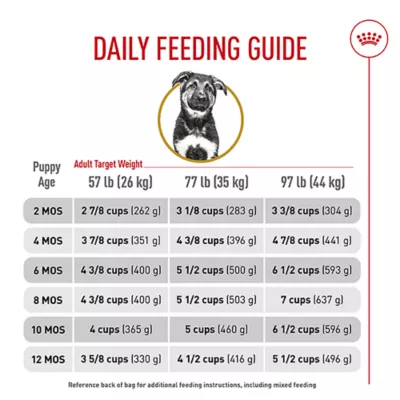
Gradual transitions over 7-10 days help the gut adapt. Mixing increasing amounts of adult food with puppy food each day supports a smoother change.
Common Digestive Reactions To New Diets
When you change your puppy’s diet, expect some digestive reactions. Diarrhea is the most common because new ingredients can irritate the gut lining or alter gut bacteria balance.
- Soft or watery stools
- Increased gas or bloating
- Temporary loss of appetite
These symptoms usually resolve within a few days if the transition is slow. However, if diarrhea lasts more than 48 hours or is accompanied by vomiting or lethargy, it’s time to consult your vet.
Have you tried adjusting feeding times or portion sizes during the transition? Sometimes smaller, more frequent meals help reduce digestive stress. Paying close attention to your puppy’s response can guide you in finding the best approach for their new diet.
Credit: www.chewy.com
Differences Between Puppy And Adult Dog Food
Understanding the differences between puppy and adult dog food is key when deciding what to feed your 7-month-old dog. Puppy food is specially made to support rapid growth and high energy needs, while adult dog food targets maintenance and overall health. Switching too early to adult food can sometimes upset your puppy’s stomach, leading to issues like diarrhea.
Nutritional Requirements At 7 Months
At 7 months, your dog is still growing but starting to slow down from the puppy stage. Puppy food contains higher protein, fat, and calorie levels to fuel this growth. Adult dog food, on the other hand, has less fat and calories because adult dogs need fewer nutrients to maintain their weight.
If you switch to adult food too soon, your dog might not get enough energy and nutrients, which can cause digestive problems. Have you noticed your dog seeming hungrier or more tired after a food change? This could be a sign their food doesn’t meet their needs yet.
Ingredients That May Cause Sensitivity
Some ingredients in adult dog food might be harder for a younger dog’s digestive system to handle. Adult formulas often include different fiber levels or new protein sources that your puppy’s gut isn’t ready for. This sudden change can trigger diarrhea or other stomach issues.
Look at the ingredient list carefully. Ingredients like beet pulp, certain grains, or novel proteins can sometimes cause sensitivity. If your 7-month-old dog starts having diarrhea after switching to adult food, consider whether any new ingredients could be the culprit.
Have you checked if your dog’s current food contains any unfamiliar ingredients compared to their puppy diet? Sometimes, sticking with a high-quality puppy formula a bit longer avoids unnecessary digestive upset.
Causes Of Diarrhea In Young Dogs
Switching a 7-month-old dog to adult food can cause diarrhea due to changes in nutrients and digestion. Young dogs need specific diets, and sudden food changes may upset their stomachs. Sensitive tummies often react with loose stools or discomfort.
Understanding the causes of diarrhea in young dogs can be crucial for ensuring their health and comfort. Diarrhea can be distressing for both you and your pup, making it essential to pinpoint the underlying issues. Various factors can trigger this unpleasant condition, ranging from dietary concerns to environmental influences. Let’s explore some common causes that could be affecting your young dog.Food Intolerance And Allergies
Young dogs can be especially sensitive to changes in their diet. Introducing adult dog food to a 7-month-old pup might lead to unexpected reactions. Dogs can develop intolerances or allergies to certain ingredients, resulting in gastrointestinal discomfort. It’s crucial to monitor your dog’s reaction to any new food and consult your vet if symptoms persist.Infections And Parasites
Infections and parasites are common culprits of diarrhea in young dogs. Bacteria, viruses, and parasites like worms can cause significant digestive issues. Has your dog been vaccinated and dewormed regularly? Regular vet check-ups can help prevent these problems and keep your pup healthy.Stress And Environmental Factors
A young dog’s environment plays a vital role in their digestive health. Stressful situations, such as moving to a new home or being around unfamiliar people or pets, can upset their stomach. Is your pup adjusting to a recent change? Ensuring a stable and comforting environment can mitigate stress-related digestive issues. Understanding the root cause of diarrhea in your young dog can help you take appropriate action. Whether it’s a dietary change or an environmental adjustment, being attentive to your dog’s needs can prevent future occurrences. Have you observed any patterns in your dog’s behavior or diet that might explain their symptoms? Taking a proactive approach can make all the difference in your dog’s well-being.
Credit: www.chewy.com
Signs To Watch For
Switching your 7-month-old dog to adult food can sometimes upset their tummy. It’s important to watch for signs that indicate whether the diarrhea is mild or something more serious. Recognizing these signs early helps you decide the best action to take for your pup’s health.
Symptoms Of Mild Vs Severe Diarrhea
Not all diarrhea is the same. Mild diarrhea usually means your dog has loose stools but still acts normal—eating, playing, and drinking water.
- Soft or watery stools for a day or two
- No vomiting or fever
- Normal energy levels
Severe diarrhea, however, can be a sign of a bigger problem. It often comes with other symptoms that shouldn’t be ignored.
- Frequent, watery stools with blood or mucus
- Vomiting or loss of appetite
- Lethargy or weakness
- Dehydration signs like dry gums or sunken eyes
Think about your dog’s usual behavior. Are they still excited for walks or meals? Changes in their energy can clue you in on how serious the diarrhea might be.
When To Consult A Veterinarian
Some cases of diarrhea improve with simple care at home, but others need professional help. If diarrhea lasts more than 24-48 hours or includes severe symptoms, it’s time to call your vet.
- Persistent diarrhea beyond two days
- Presence of blood or unusual color in stools
- Repeated vomiting or refusal to eat/drink
- Signs of pain, bloating, or discomfort
- Sudden behavior changes or extreme lethargy
Have you noticed any of these signs in your dog after switching foods? Don’t wait to reach out to your vet—early intervention can prevent bigger problems.
Safe Feeding Practices
Feeding a 7-month-old dog adult dog food requires care to keep their digestion healthy. Sudden changes can upset their stomach and cause diarrhea. Safe feeding practices help your dog adjust smoothly to new food and avoid digestive troubles.
Gradual Transition Strategies
Switch dog food slowly over 7 to 10 days. Mix a small amount of adult food with puppy food.
- Start with 25% adult food and 75% puppy food.
- Increase adult food by 25% every few days.
- Watch for any signs of upset, like loose stool.
This slow change helps the dog’s gut adjust. It reduces the chance of diarrhea and discomfort.
Choosing The Right Food For Growth
Select adult dog food with balanced nutrients for young dogs. Look for formulas rich in protein and essential vitamins.
- Check the label for AAFCO growth standards.
- Pick food designed for medium to large breeds if applicable.
- Avoid foods with fillers or artificial additives.
Proper nutrition supports healthy growth and a strong immune system. It also keeps digestion steady and reduces diarrhea risks.
Credit: www.chewy.com
Expert Tips To Prevent Diarrhea
Preventing diarrhea in your 7-month-old dog when switching to adult dog food requires careful attention and proactive steps. Diarrhea can signal digestive upset, but with the right approach, you can support your puppy’s digestive health effectively. Here are expert tips that help you keep your young dog comfortable and healthy during this transition.
Monitoring Diet And Behavior
Watch your dog’s reaction closely after introducing adult dog food. Changes in stool consistency, appetite, or energy levels can give you early warning signs of digestive issues.
Try feeding smaller portions at first and gradually increase the amount over a week or two. This slow transition helps your dog’s digestive system adjust without causing shock.
Keep a daily log of what your dog eats and their bathroom habits. This record makes it easier to spot patterns or triggers if diarrhea appears.
Supplements And Probiotics
Adding probiotics to your dog’s diet can support healthy gut bacteria and improve digestion. You can find probiotic supplements specifically made for dogs or choose dog foods fortified with probiotics.
Digestive enzymes might also help your puppy break down food better, reducing the risk of diarrhea. Consult your vet before adding supplements to ensure they’re safe and suitable for your dog’s needs.
Have you considered that a simple supplement could ease your dog’s transition? Sometimes a small addition can make a big difference in digestive comfort.
Frequently Asked Questions
Can Adult Dog Food Cause Diarrhea In A 7-month-old Dog?
Yes, adult dog food can cause diarrhea in a 7-month-old dog. Puppies have sensitive digestive systems. Adult food may be harder to digest, leading to upset stomach and loose stools.
When Should I Switch My Puppy To Adult Dog Food?
Most vets recommend switching around 12 months. Feeding adult food too early can upset digestion. Gradually transition to avoid diarrhea and nutritional imbalance.
How To Safely Transition A Puppy To Adult Dog Food?
Mix increasing amounts of adult food with puppy food over 7-10 days. This gradual change helps prevent diarrhea and digestive issues.
What Ingredients In Adult Dog Food Cause Diarrhea In Puppies?
High protein or fat levels and different fiber types can upset puppies. Sudden changes in diet or new ingredients often trigger diarrhea.
Conclusion
Adult dog food can sometimes upset a 7-month-old puppy’s stomach. Puppies need special nutrients for healthy growth. Sudden changes in diet may cause diarrhea. Always switch food slowly over several days. Watch your puppy closely for any signs of discomfort.
Consult a vet if diarrhea lasts more than a day or worsens. Choosing the right food helps keep your puppy happy and healthy. Careful feeding supports good digestion and strong development. Simple steps make a big difference in your puppy’s well-being.