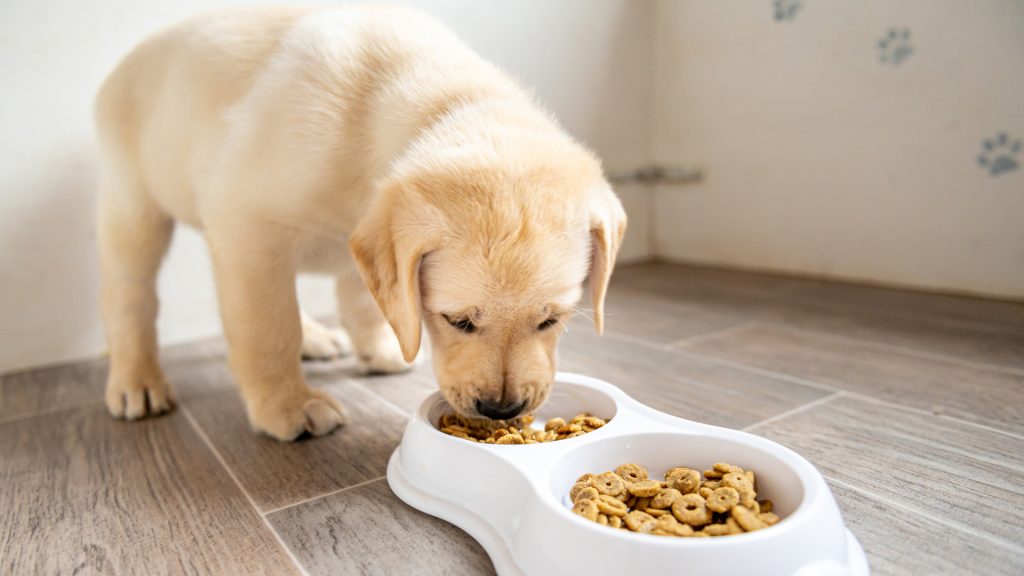

Are you wondering if giving your puppy adult dog food might cause them discomfort? It’s a common concern for many pet owners like you.
You want what’s best for your furry friend, but switching their diet can feel tricky. Could it hurt your puppy? Or is it safe to make the change? Keep reading to find out the truth and learn how to keep your puppy happy and healthy during mealtime.
Credit: www.becopets.com
Puppy Nutrition Needs
Understanding your puppy’s nutrition needs is crucial for their healthy development. Puppies grow fast, and their diet must support this rapid change. Feeding them the right food helps ensure they develop strong bones, muscles, and a robust immune system.
Key Nutrients For Growth
Puppies need more than just calories; they require specific nutrients in the right amounts. Protein plays a vital role in building muscles and tissues. Fat provides energy and supports brain development.
Calcium and phosphorus are essential for strong bones and teeth. Vitamins like A, D, and E help with vision, immune function, and skin health. Omega-3 fatty acids contribute to healthy brain and eye development.
- Protein:Supports muscle growth
- Fat:Energy and brain health
- Calcium & Phosphorus:Bone development
- Vitamins:Immune and skin health
- Omega-3 Fatty Acids:Brain and eye development
Differences From Adult Dog Diet
Adult dogs need fewer calories because their growth has slowed down. Their food focuses more on maintaining health rather than building it. Puppy food, on the other hand, is richer in calories and nutrients.
Adult dog food usually has less protein and fat compared to puppy food. This change helps prevent weight gain and supports a slower metabolism. Have you noticed how your puppy seems to burn energy faster than your adult dog? That’s why their diet must be different.
Switching a puppy to adult dog food too soon can slow their growth or cause nutrient imbalances. Always check the food label to see if it meets the nutritional levels recommended for puppies. Your puppy’s health depends on feeding them what their body truly needs.

Credit: greenpantry.co.uk
Risks Of Adult Dog Food For Puppies
Feeding your puppy adult dog food may seem like a simple choice, but it carries several hidden risks you should be aware of. Puppies have special dietary needs that differ significantly from adult dogs. Ignoring these needs can lead to serious health issues and stunt your puppy’s growth.
Nutritional Deficiencies
Adult dog food lacks the right balance of nutrients that puppies require for their rapid growth. It often has less protein, fat, and essential vitamins needed during the early stages of life. Your puppy might miss out on important elements like calcium and DHA, which are critical for strong bones and brain development.
Have you ever noticed your puppy seeming less energetic or slower to learn new things? Nutritional gaps could be the cause. Ensuring your puppy gets food formulated specifically for their age can prevent these problems.
Digestive Issues
Puppies have sensitive stomachs that are not ready for the richer and denser content in adult dog food. Switching too early might cause diarrhea, vomiting, or general upset stomach. This discomfort not only affects their health but also their willingness to eat.
Think about how your puppy reacts after eating adult food—are there signs of bloating or gas? If yes, it’s a clear signal that their digestive system isn’t coping well. Sticking to puppy food helps maintain a healthy gut and smooth digestion.
Impact On Development
Feeding adult dog food to your growing puppy can stunt their physical and mental development. Puppies need higher calorie intake and specific nutrients to build muscle, grow bones, and develop cognitive skills. Adult formulas don’t support these intense growth demands.
Imagine trying to build a house with half the bricks you need; that’s what your puppy faces without proper nutrition. Missing this critical window can lead to long-term consequences, including weaker joints and slower learning abilities.
Signs Of Dietary Problems
Puppies eating adult dog food may show signs like upset stomach or low energy. Watch for vomiting, diarrhea, or poor growth as warning signs. These signals can mean their diet is not right for their needs.
Feeding a puppy adult dog food might seem harmless, but it can lead to dietary problems that you may not immediately recognize. Puppies have different nutritional needs compared to adult dogs. Recognizing the signs of dietary problems early can prevent long-term health issues.Behavioral Changes
If your puppy is consuming adult dog food, you might notice sudden changes in their behavior. They could become lethargic, displaying a lack of interest in playtime or daily walks. Alternatively, they might seem unusually hyperactive, unable to settle down. Such behavioral shifts often indicate nutritional imbalances. Puppies need more calories and specific nutrients to support their rapid growth and energy levels. Ask yourself, is your puppy showing signs of restlessness or fatigue that seem out of the ordinary?Physical Symptoms
Physical symptoms are often more noticeable than behavioral changes. Look for signs such as a dull coat, dry skin, or slow growth. Adult dog food may not provide the essential fatty acids and proteins needed for a shiny, healthy coat. Digestive issues are also common. You might observe irregular bowel movements or notice that your puppy is vomiting more frequently. These could be signs that their digestive system is struggling to process the adult food. Puppies require a balanced diet rich in calcium and phosphorus for strong bones and teeth. Is your puppy’s growth stunted, or are they losing weight unexpectedly? These could be warning signs that their diet isn’t meeting their developmental needs. By paying attention to these signs, you can ensure your puppy gets the nutrition they need for a healthy start in life.When To Transition To Adult Food
Knowing the right time to switch your puppy to adult dog food is important. This change affects your dog’s growth and health. Feeding adult food too early or too late can cause problems. Watch your puppy’s development closely and plan the transition carefully.
Age Guidelines
Puppies grow fast, but different breeds mature at different rates. Small breeds usually switch to adult food at about 9 to 12 months old. Medium and large breeds may need puppy food until 12 to 18 months. Giant breeds can require puppy food for up to 24 months. Check your dog’s breed size to decide the best age to transition.
Health Considerations
Health plays a key role in deciding when to change food. Puppies with special health needs might need longer puppy diets. Some health conditions need a vet’s advice before switching. Watch your puppy’s weight and energy levels. A healthy puppy should be active and growing steadily. Consult your vet for personalized guidance.
How To Switch Puppy Food Safely
Switching a puppy to adult dog food too soon can cause stomach upset and poor growth. Gradually mix adult food with puppy food over 7-10 days for a smooth change. This helps your puppy adjust without hurting their digestion or health.
Gradual Transition Tips
Switching a puppy to adult dog food needs care. A sudden change can upset their tummy. Start by mixing a small amount of adult food with their puppy food. Increase the adult food slowly over 7 to 10 days. This helps the puppy’s digestive system adjust without stress.
Use this simple plan:
- Days 1-3: 25% adult food, 75% puppy food
- Days 4-6: 50% adult food, 50% puppy food
- Days 7-9: 75% adult food, 25% puppy food
- Day 10: 100% adult food
Keep fresh water always available. Avoid feeding other treats during this time. Consistency helps the puppy feel secure.
Monitoring Puppy’s Reaction
Watch your puppy closely during the switch. Look for signs like vomiting, diarrhea, or loss of appetite. These may mean the transition is too fast or the food is not right.
Check for energy levels and stool quality daily. Healthy stools are firm and easy to pick up. Soft or watery stools need attention.
Contact a vet if problems last more than two days. Some puppies need a slower change or special diet. Early care keeps your puppy healthy and happy.
Consulting Your Veterinarian
Consulting your veterinarian is essential before changing your puppy’s diet. Vets have the knowledge to guide you safely through the transition. They understand your puppy’s unique needs and can prevent potential health issues.
Veterinarians can help you decide the best time to switch to adult dog food. They also ensure the new diet supports your puppy’s growth and development properly. Their advice can save your puppy from discomfort or digestive problems.
Personalized Feeding Advice
Your vet will evaluate your puppy’s breed, size, and age. This helps create a feeding plan tailored just for your puppy. They consider how much and what type of food suits your dog best. Personalized advice helps maintain your puppy’s energy and health.
Addressing Specific Health Needs
Some puppies have special health conditions or allergies. Your veterinarian can spot these issues early. They suggest foods that avoid harmful ingredients and provide necessary nutrients. This care reduces the risk of pain or discomfort from the wrong diet.
Credit: www.thinkjinx.com
Frequently Asked Questions
Does Giving Adult Dog Food Hurt A Puppy’s Digestion?
Adult dog food can upset a puppy’s sensitive digestion. It may cause diarrhea, vomiting, or nutrient deficiencies. Puppies need food formulated for their growth. Always consult a vet before switching to adult dog food.
When Should I Switch My Puppy To Adult Dog Food?
Most puppies should switch around 12 months old. Large breeds may need adult food at 18 months. Transition gradually over 7-10 days to avoid stomach upset. Always follow your vet’s advice for the best timing.
Can Adult Dog Food Meet A Puppy’s Nutritional Needs?
Adult dog food lacks adequate protein and calories for puppies. Puppies require more nutrients to support rapid growth. Feeding adult food exclusively can lead to malnutrition. Choose puppy-specific food for balanced nutrition.
What Are The Risks Of Feeding Adult Food To Puppies?
Feeding adult food too early can cause poor growth and health issues. Nutritional imbalance may weaken immunity and bones. Puppies may develop digestive problems. Proper diet is critical for healthy development.
Conclusion
Feeding a puppy adult dog food can cause digestive problems and lack nutrients. Puppies need special food to grow strong and healthy. Adult food does not have enough vitamins for puppies. Switching too soon may upset their stomach. Always choose food made for puppies to support their development.
Healthy eating helps puppies become happy, active dogs. Careful feeding builds a good foundation for their future. Remember, proper food makes a big difference in your puppy’s life.