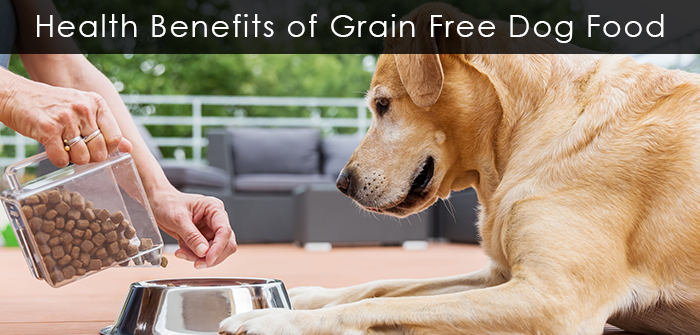

Are you wondering if a grain-free diet is the right choice for your dog? With so many options available, it’s easy to feel confused about what’s truly best for your furry friend.
You want to give your dog the healthiest food, but is cutting out grains really the answer? You’ll discover the facts behind grain-free diets and learn how they can impact your dog’s health. Keep reading to find out if this popular trend is a smart move for your pet’s well-being.
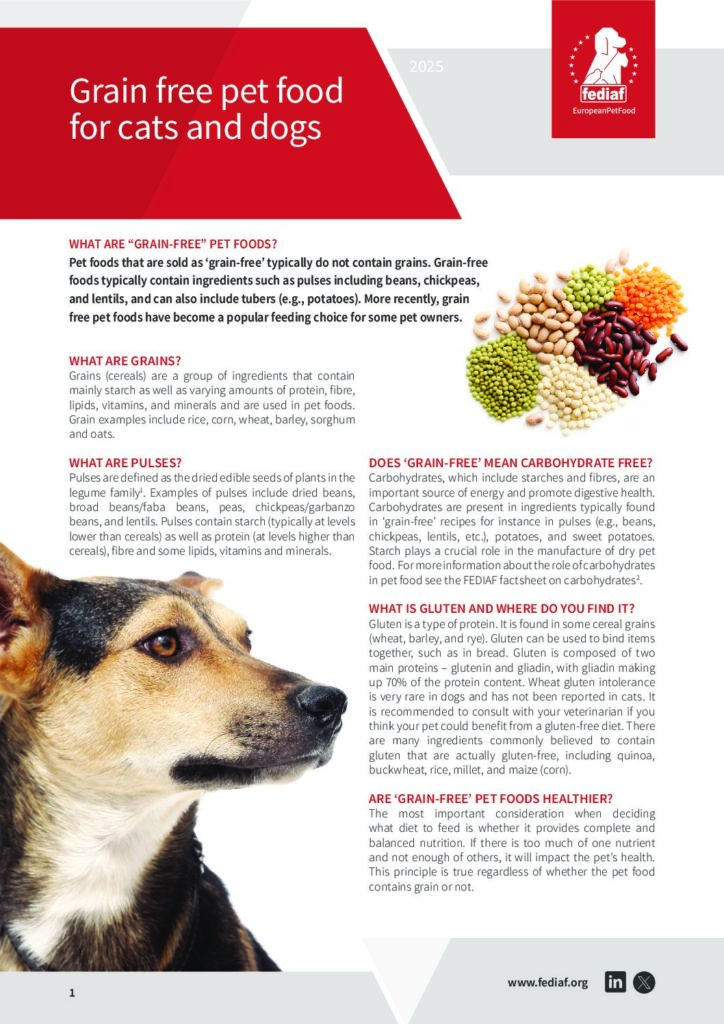
Credit: europeanpetfood.org
Grain-free Diet Basics
A grain-free diet for dogs has grown popular among pet owners. This diet avoids grains like wheat, corn, and rice. It aims to reduce allergies and digestive issues in dogs. Understanding the basics helps decide if this diet suits your dog’s needs.
What Is Grain-free For Dogs
Grain-free dog food excludes all cereal grains. These include wheat, barley, oats, corn, and rice. Instead, it uses other sources of carbohydrates. The goal is to mimic a dog’s ancestral diet. Dogs evolved eating meat and plants, not many grains.
Some dogs may benefit from this diet. Dogs with grain allergies or sensitivities often do. Grain-free food focuses on higher protein and fat levels. It supports energy and healthy muscles. This diet can also help dogs with some skin problems.
Common Ingredients In Grain-free Food
Grain-free dog foods use alternative carbohydrates and protein sources. Common ingredients include:
- Sweet potatoes
- Pumpkin
- Peas
- Lentils
- Chickpeas
- Potatoes
- Various meats like chicken, beef, or fish
These ingredients provide energy and nutrients without grains. They also add fiber, vitamins, and minerals. Protein sources support muscle strength and repair. Choosing grain-free food means careful ingredient reading is key.
Credit: wefeedraw.com
Potential Benefits
Choosing a grain-free diet for your dog may offer several health advantages worth considering. Many dog owners notice positive changes after making this switch, especially in areas related to digestion, allergies, and skin condition. Understanding these benefits can help you decide if this diet suits your furry friend’s needs.
Improved Digestion
Grain-free diets often contain higher amounts of protein and fiber from sources like peas, lentils, and sweet potatoes. These ingredients can be easier on your dog’s stomach compared to grains, which sometimes cause bloating or gas.
Have you observed your dog having less tummy trouble or firmer stools after changing foods? That’s a common sign digestion is improving. A diet low in grains may reduce the risk of digestive upset and promote better nutrient absorption.
Reduced Allergies
Grains are sometimes linked to food allergies or sensitivities in dogs. Switching to a grain-free diet might lower the chances of allergic reactions, especially for dogs prone to itchy skin, ear infections, or digestive issues.
Some pet owners report fewer allergy flare-ups after removing grains from their dog’s meals. Could your dog’s persistent itching or ear problems be tied to grain ingredients? Testing a grain-free diet for a few weeks might reveal surprising results.
Better Coat And Skin Health
A shiny coat and healthy skin often reflect good nutrition. Grain-free diets usually include alternative carbohydrate sources rich in vitamins and antioxidants, supporting skin repair and coat quality.
Many dog owners notice their pets’ fur becomes softer and less prone to dryness or dandruff after switching to grain-free options. If your dog’s coat looks dull or patchy, this dietary change could be worth a try to enhance their appearance and comfort.
Possible Risks
A grain-free diet for dogs has gained popularity. Yet, some risks deserve attention. Understanding these risks helps make informed decisions for your pet’s health.
Nutritional Imbalances
Grain-free diets often replace grains with legumes or potatoes. This can lead to nutritional imbalances. Dogs need a balanced diet for optimal health. Essential nutrients might be missing in grain-free options. Lack of these can affect your dog’s energy levels. It might also impact their coat and skin health.
Heart Health Concerns
Recent studies have linked grain-free diets to heart issues. Specifically, a condition called Dilated Cardiomyopathy (DCM). DCM affects the heart’s ability to pump blood. Some grain-free foods lack certain amino acids. These are crucial for heart health. Always consult a vet before changing your dog’s diet.
Cost And Availability
Grain-free diets can be more expensive. The ingredients used are often pricier than grains. Availability might also be a concern in some areas. This can make it challenging to consistently feed your dog grain-free food. Consider your budget and access to these products when choosing a diet.
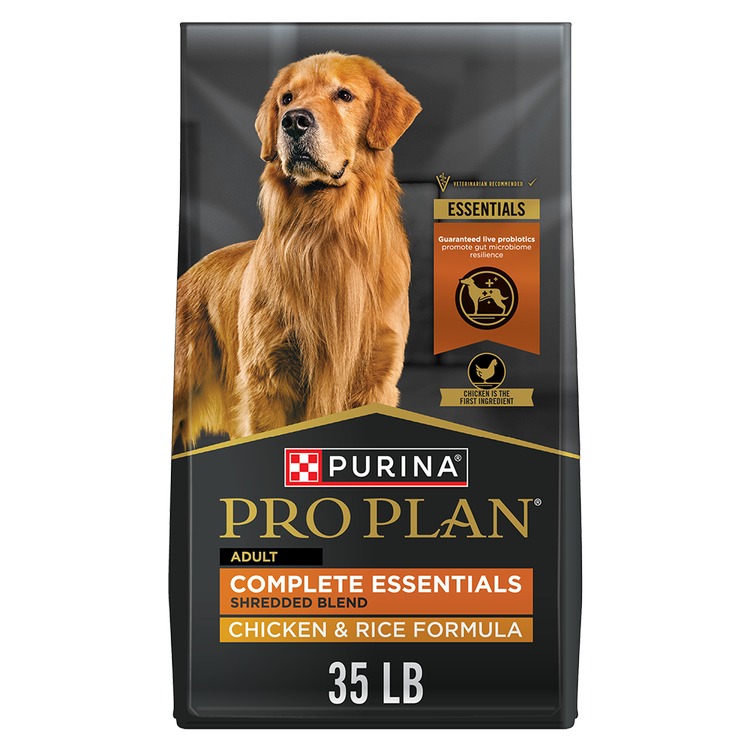
Credit: www.purina.com
When To Choose Grain-free
Choosing a grain-free diet for your dog isn’t a decision to take lightly. It makes sense to consider this option only if your dog shows specific needs or health issues that grains might worsen. Understanding when to switch can help you make a smarter choice for your dog’s health and happiness.
Signs Your Dog May Benefit
Notice if your dog has consistent digestive problems like diarrhea, vomiting, or excessive gas. These can sometimes be linked to grain sensitivities or allergies. Also, watch for itchy skin, constant scratching, or hair loss, which might suggest your dog’s body is reacting poorly to grains.
Some dogs develop ear infections repeatedly, and this might be tied to their diet. If your dog feels sluggish or has unexplained weight issues, it could be worth exploring grain-free options. Have you observed any of these signs in your dog lately?
Consulting Your Veterinarian
Your vet is the best person to guide you through this choice. They can help identify if grains are the root cause of your dog’s discomfort or if something else is at play. Share detailed observations about your dog’s symptoms and diet history during your visit.
Sometimes, your vet might recommend tests to pinpoint allergies or sensitivities. They can also suggest the right grain-free foods that meet your dog’s nutritional needs. Don’t hesitate to ask questions—knowing the pros and cons helps you feel confident about the change.
Alternatives To Grain-free
Many pet owners explore grain-free diets for dogs, but alternatives exist. These options support dog health without fully removing grains. Choosing the right diet depends on your dog’s needs and sensitivities. Here are some effective alternatives to grain-free diets.
Limited Ingredient Diets
Limited ingredient diets focus on fewer components to reduce allergies. They typically use one protein and one carbohydrate source. This simplicity helps identify food sensitivities and avoids common allergens.
These diets improve digestion and skin health for sensitive dogs. They avoid unnecessary additives and fillers, promoting better nutrition. Limited ingredient foods come in many forms, including dry, wet, and raw options.
Whole Grain Options
Whole grains provide fiber, vitamins, and minerals for dogs. They support healthy digestion and stable energy levels. Examples include brown rice, oats, and barley.
Unlike refined grains, whole grains have more nutrients and fiber. They can reduce the risk of allergies and improve gut health. Many dogs tolerate whole grains well and benefit from their nutrients.
Tips For Transitioning Diets
Switching your dog to a grain-free diet takes patience and care. A smooth transition helps avoid stomach upset and makes the change easier. Follow these tips to keep your dog comfortable and healthy during the diet shift.
Gradual Food Changes
Start by mixing a small amount of the new grain-free food with your dog’s current food. Increase the new food portion slowly over 7 to 10 days. This slow change helps your dog’s digestive system adjust. Watch for any signs of discomfort or refusal to eat. Avoid sudden switches that can cause diarrhea or vomiting.
Monitoring Your Dog’s Response
Check your dog’s behavior and stool quality daily. Look for changes in energy, appetite, or digestion. Loose stools, vomiting, or excessive gas may signal a problem. If you notice issues, slow down the transition or consult your vet. Tracking how your dog reacts helps ensure the new diet suits their needs.
Frequently Asked Questions
What Are The Benefits Of A Grain-free Diet For Dogs?
A grain-free diet may reduce allergies and improve digestion in some dogs. It often contains more protein and fewer fillers, promoting better energy and coat health. However, benefits depend on the individual dog’s needs and health conditions.
Are Grain-free Diets Safe For All Dogs?
Grain-free diets are generally safe but not suitable for all dogs. Some dogs may lack essential nutrients if grains are removed without proper balance. Always consult a veterinarian before switching to a grain-free diet to ensure it meets your dog’s nutritional needs.
Can Grain-free Diets Cause Heart Problems In Dogs?
Some studies link grain-free diets to canine dilated cardiomyopathy (DCM), a heart condition. The connection is not fully proven but is under investigation. Owners should monitor their dogs and consult vets for balanced nutrition and heart health.
How Do I Transition My Dog To A Grain-free Diet?
Transition gradually over 7-10 days by mixing increasing amounts of grain-free food with the current diet. This helps prevent digestive upset and allows your dog to adjust comfortably to the new food.
Conclusion
Choosing a grain-free diet for dogs depends on their health and needs. Some dogs may benefit from fewer grains, especially those with allergies. Others do well on diets with grains included. Always check with a vet before making changes. Balanced nutrition is key for your dog’s happiness and health.
Pay attention to how your dog reacts to new food. Good food supports energy, coat health, and digestion. Remember, no one diet fits all dogs perfectly. Keep your dog’s well-being as your top priority.