
Are you wondering if it’s okay to feed your adult dog puppy food? You might think it’s a simple swap, but what you feed your furry friend can impact their health in ways you may not expect.
Choosing the right food isn’t just about filling their bowl—it’s about giving your dog the nutrients they need to stay happy and strong. Keep reading to discover whether puppy food is a safe choice for your adult dog and what you should watch out for to make the best decision for your loyal companion.
Nutritional Needs Of Adult Dogs
Your adult dog’s nutritional needs differ significantly from those of a growing puppy. Adult dogs require a balanced diet that supports their energy levels, maintains a healthy weight, and supports overall wellness. Feeding puppy food to an adult dog may seem harmless, but understanding these specific needs helps you make better choices for your furry friend’s health.
Calorie Requirements
Adult dogs generally need fewer calories than puppies because they are no longer growing rapidly. Too many calories can lead to weight gain and related health problems like joint stress and diabetes.
Consider your dog’s activity level and size when deciding on calorie intake. For example, a highly active adult dog will burn more calories than a sedentary one. Have you noticed your dog gaining weight or seeming less energetic? It might be time to re-evaluate their calorie consumption.
Protein And Fat Levels
Puppy food usually contains higher levels of protein and fat to support growth and brain development. Adult dogs still need protein, but in moderate amounts to maintain muscle and organ function.
Too much fat can cause digestive issues or obesity in adults. Look for adult dog foods that offer balanced protein and fat levels tailored to your dog’s breed and lifestyle. Have you checked the nutrition labels on your dog’s food recently? It’s crucial to match their current needs.
Essential Vitamins And Minerals
Vitamins and minerals are vital for your dog’s immune system, bone health, and metabolism. Adult dog foods are formulated with the right amounts of calcium, phosphorus, and other nutrients to prevent health issues.
Excess nutrients from puppy food can sometimes strain your dog’s kidneys or cause other imbalances. Keeping an eye on ingredients helps ensure your dog gets what they need without extra fillers. What’s your dog’s current vitamin and mineral intake like? Adjusting this can improve their vitality.
What Puppy Food Contains
Puppy food is designed to support the fast growth and development of young dogs. It contains special ingredients that help puppies build strong bones, muscles, and a healthy immune system. These nutrients differ from those found in adult dog food. Understanding what puppy food contains helps to know why it may not be ideal for adult dogs.
Higher Calories And Nutrients
Puppy food has more calories than adult dog food. Growing puppies need extra energy for their active lifestyle. The food also contains higher levels of protein, fat, and essential vitamins. These nutrients support rapid growth and maintain overall health. Adult dogs usually require fewer calories and less fat to avoid weight gain.
Growth-boosting Ingredients
Special ingredients in puppy food help build strong bones and muscles. These include calcium and phosphorus in balanced amounts. DHA, an important omega-3 fatty acid, supports brain and eye development. Antioxidants help strengthen the immune system. These ingredients are crucial for puppies but less important for adult dogs.
Differences From Adult Dog Food
- Puppy food is richer in calories and protein.
- It contains nutrients for bone and brain growth.
- Adult dog food focuses on maintaining health and weight.
- Adult formulas have fewer calories and fat.
- Flavor and texture may also differ to suit age-related needs.
Risks Of Feeding Puppy Food To Adults
Feeding adult dogs with puppy food might seem harmless or even beneficial at first glance. After all, puppy food is packed with nutrients designed for growing dogs. However, this extra nutrition can backfire for adult dogs, leading to several risks you should be aware of before making any changes to your dog’s diet.
Weight Gain And Obesity
Puppy food contains higher calories and fat to support rapid growth. If your adult dog consumes this rich diet regularly, it can easily lead to unwanted weight gain.
Obesity in dogs increases the risk of joint problems, diabetes, and heart disease. Have you noticed your dog gaining weight quickly without changing their activity level? That could be a sign that the food is too rich for their needs.
Digestive Issues
Your adult dog’s digestive system is different from a puppy’s. The high protein and fat content in puppy food can cause stomach upset, diarrhea, or constipation.
Feeding the wrong food might also lead to picky eating habits or food intolerances over time. Watch how your dog reacts after meals; any sudden changes in digestion should raise a red flag.
Long-term Health Concerns
Consistently feeding puppy food to adults can cause more than just short-term problems. Excess nutrients can strain the kidneys and liver, especially in older dogs.
Long-term imbalances in diet might contribute to chronic illnesses and reduce your dog’s overall lifespan. Isn’t it worth asking if the extra nutrients in puppy food are truly benefiting your adult dog?

Credit: us.eukanuba.com
Situations Where Puppy Food May Be Okay
Puppy food can sometimes suit adult dogs needing extra nutrients, like during pregnancy or illness. It offers higher calories and protein, supporting growth or recovery phases. Feeding adult dogs puppy food occasionally is fine but not for long-term use.
Feeding your adult dog with puppy food might seem unusual at first, but there are certain scenarios where it can actually be beneficial. While puppy food is generally richer in calories and nutrients to support the growth of young dogs, there are times when these extra nutrients can be advantageous for adult dogs too. Let’s explore some specific situations where this could be a viable option for your canine companion.Pregnant Or Nursing Dogs
Pregnant or nursing dogs have increased nutritional needs. They require more calories and protein to support their puppies’ development and their own health. Puppy food, with its higher nutrient density, can provide these essential requirements. Imagine your dog is about to become a mother. She’s eating for more than just herself. In such cases, puppy food can be a helpful temporary diet until her puppies are weaned.Underweight Adult Dogs
Is your adult dog struggling to maintain a healthy weight? Puppy food might be your answer. Its calorie-rich formula can help underweight dogs gain the necessary pounds safely. Consider a scenario where your dog has been ill and lost weight. Puppy food can act as a nutritional booster, helping them regain their strength and vitality. Always monitor your dog’s weight gain to ensure it’s on the right track.Veterinarian Recommendations
Sometimes, your vet might recommend puppy food for specific health reasons. This could be due to a medical condition that requires a nutrient boost or a temporary diet change. Your vet knows your dog’s unique health profile. Their professional guidance is crucial when considering any diet changes. Always consult with them before making the switch to puppy food for your adult dog.Choosing The Right Food For Your Dog
Choosing the right food for your dog is important for their health and happiness. Dogs have different needs at different life stages. Feeding your dog the correct food helps maintain their energy, weight, and overall well-being. Understanding how to pick the best food ensures your dog gets the right nutrition every day.
Reading Food Labels
Food labels provide key information about ingredients and nutrients. Look for high-quality protein sources like chicken, beef, or fish listed first. Avoid foods with many fillers such as corn or wheat. Check the guaranteed analysis for protein, fat, fiber, and moisture levels. These numbers show if the food meets your dog’s dietary needs.
Age-specific Formulas
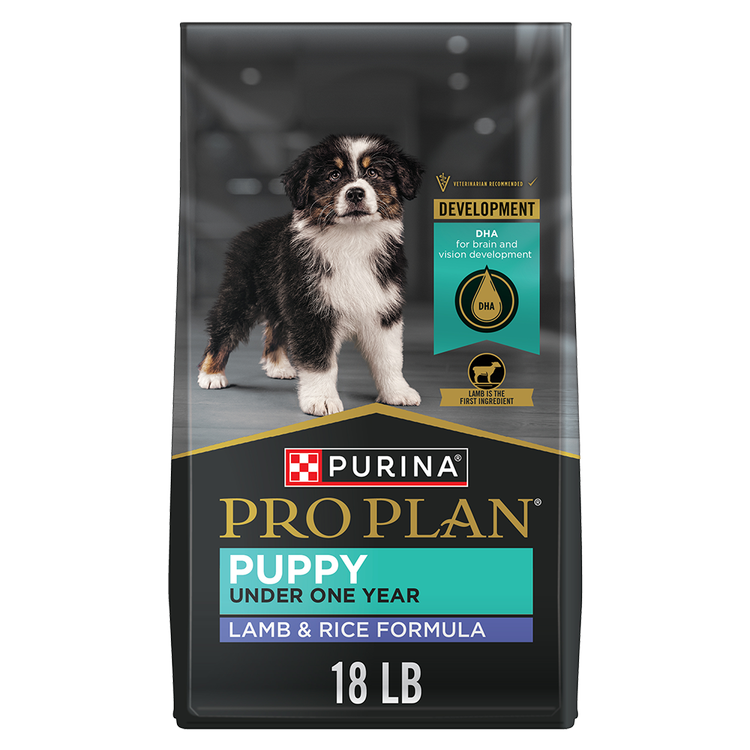
Food made for puppies differs from adult dog food in nutrient levels. Puppy formulas have more calories and nutrients to support growth. Adult dog food focuses on maintaining health and weight. Feeding a puppy food to an adult dog may cause weight gain or digestive issues. Choose food labeled for your dog’s current life stage.
Consulting With A Vet
Your veterinarian knows your dog’s health history and needs. They can recommend the best food based on age, breed, and health conditions. A vet can help adjust diets for allergies or weight problems. Regular check-ups allow you to update your dog’s food as needed. Trust your vet’s advice to keep your dog healthy and happy.

Credit: www.petscare.com
Transitioning Between Puppy And Adult Food
Transitioning your dog from puppy food to adult food is an important step. Puppies need more calories and nutrients than adult dogs. As they grow, their diet must change to match their new needs. A smooth transition helps avoid stomach problems and keeps your dog healthy.
Signs Your Dog Needs A Change
- Your dog has reached about one year old (or breed-specific age).
- Weight gain or loss without a clear reason.
- Low energy or sluggish behavior.
- Changes in coat quality or skin condition.
- Digestive issues like diarrhea or constipation.
How To Switch Foods Safely
Mix a small amount of adult food with puppy food at first. Gradually increase the adult food over 7 to 10 days. Watch for signs of upset stomach or refusal to eat. Keep fresh water available at all times. Avoid sudden changes to prevent digestive problems.
Monitoring Your Dog’s Health
Check your dog’s weight weekly. Look for changes in energy and mood. Observe stool quality and bathroom habits. Consult your vet if you notice ongoing problems. Regular vet visits help ensure your dog thrives on the new diet.
Credit: www.purina.com
Frequently Asked Questions
Can Adult Dogs Eat Puppy Food Safely?
Adult dogs can eat puppy food occasionally, but it’s not ideal long-term. Puppy food is richer in calories and nutrients, which may cause weight gain in adults.
What Happens If Adult Dogs Eat Puppy Food Regularly?
Regularly feeding adult dogs puppy food can lead to obesity and nutrient imbalance. Adults need less fat and protein than puppies for optimal health.
Is Puppy Food More Nutritious Than Adult Dog Food?
Yes, puppy food contains higher protein and fat levels. It supports growth and energy needs of puppies, which adult dogs don’t require as much.
Can Feeding Puppy Food Affect Adult Dog’s Digestion?
Adult dogs may have digestive upset from puppy food due to richer ingredients. Gradual diet changes help avoid stomach issues like diarrhea or vomiting.
Conclusion
Adult dogs can eat puppy food, but it is not ideal long term. Puppy food has extra nutrients that adult dogs do not need daily. Feeding only puppy food might cause weight gain or digestion problems. It is better to choose food made for adult dogs.
Sometimes, mixing a small amount of puppy food is okay. Always watch your dog’s health and energy levels. Consult a vet for the best diet advice. Keeping your dog healthy and happy matters most. Simple, balanced meals help your dog live well.