
Have you ever grabbed a bag of dog food labeled “Adult” and thought it was the perfect choice for your furry friend? You’re not alone.
Many dog owners trust these labels without a second thought. But what if that “Adult” tag is actually hiding something that could be harmful to your dog’s health? Understanding why dog food labeled “Adult” might not be the best option is crucial for your pet’s well-being.
Keep reading, because what you don’t know about your dog’s food could be affecting their energy, weight, and overall happiness.
Ingredients In Adult Dog Food
The ingredients in adult dog food often raise concerns for many pet owners. These foods may contain substances that do not fully support a dog’s health. Understanding what goes into adult dog food helps explain why it might not be the best choice for your dog.
Common Fillers And Additives
Many adult dog foods include fillers to lower costs. These fillers have little nutritional value. Common fillers include:
- Corn
- Wheat
- Soy
- By-products
These ingredients can cause allergies or digestive issues. Additives like artificial colors and preservatives are also common. They may harm your dog’s health over time. Such substances do not provide essential nutrients.
Nutritional Gaps
Adult dog food often lacks key nutrients. These gaps can affect your dog’s energy and growth. Important nutrients like high-quality protein and omega-3 fatty acids may be missing. Vitamins and minerals might also be insufficient. This leads to poor coat quality and weak immune systems.
Dogs need balanced nutrition for overall well-being. Adult dog food sometimes fails to meet these needs fully. Feeding such food regularly can hurt your dog’s long-term health.
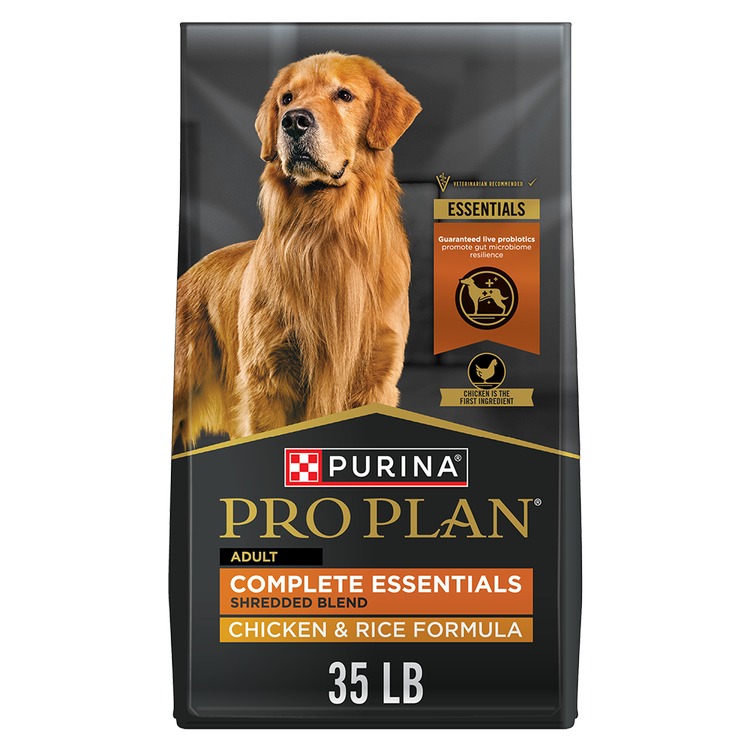
Credit: www.purina.com
Health Risks Of Adult Dog Food
Choosing the right food for your dog is more than just picking what’s labeled “adult.” Many adult dog foods contain ingredients that could harm your pet over time. Understanding the health risks behind these products can help you make smarter choices for your furry friend’s well-being.
Allergies And Sensitivities
Adult dog food often includes common allergens like corn, wheat, and soy. These ingredients can trigger itchy skin, ear infections, and digestive upset in sensitive dogs.
Have you noticed your dog scratching more after meals? It might be a reaction to these fillers. Switching to limited ingredient diets or grain-free options can reduce these allergic reactions.
Obesity And Weight Issues
Many adult dog foods are calorie-dense but low in essential nutrients. Overfeeding these can lead to weight gain and obesity, putting extra stress on your dog’s joints and heart.
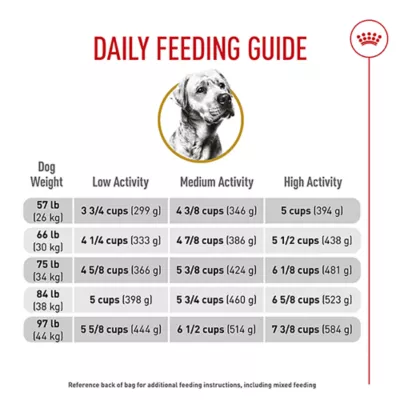
Think about how often you measure your dog’s portions. Feeding guidelines on packages are often overestimated. Using a kitchen scale and adjusting portions based on activity level can prevent unnecessary weight problems.
Digestive Problems
Low-quality adult dog foods may contain fillers and artificial additives that upset your dog’s stomach. Symptoms like diarrhea, vomiting, or gas can become common after eating these foods.
Have you ever switched your dog’s food and faced digestive troubles? Slow transitions to high-quality diets with natural ingredients usually help restore gut health and improve digestion.
Misleading Labeling Practices
Dog food labels can sometimes be misleading. These labels can confuse pet owners. The term “adult” on dog food might not mean what you think. It can lead to choosing the wrong nutrition for your pet. Understanding these labels is crucial for your dog’s health.
What ‘adult’ Really Means
The word “adult” on dog food seems straightforward. It suggests the food is for grown dogs. But this label is not regulated strictly. “Adult” can vary from one brand to another. Some brands might use it for dogs as young as one year old. Others might target dogs that are older. The lack of standardization can mislead pet owners.
Marketing Tactics To Watch
Marketing strategies often target pet owners’ emotions. Brands use words like “premium” or “natural” alongside “adult”. These words can create a sense of trust. But they don’t always reflect the actual quality. Pretty packaging and buzzwords can distract from the actual ingredients.
Check the ingredient list, not just the label. Ensure the food meets your dog’s nutritional needs. Don’t let flashy marketing sway your decision. Always research and choose wisely for your pet’s health.
Comparison With Other Dog Food Types
Choosing the right dog food is vital for your pet’s health and happiness. Different life stages need different nutrients. Adult dog food is made for dogs that are fully grown. Comparing it with other dog food types shows why it may not always be the best choice. Each formula targets specific needs based on age and health.
Puppy Vs. Adult Formulas
Puppy food has more calories and protein than adult food. Growing puppies need extra nutrients for bones and muscles. Adult food lacks some vitamins and minerals that puppies require. Feeding adult food to puppies can slow their growth and affect development. Puppy formulas support brain development and immune health. Adult food is designed to maintain weight and energy in mature dogs.
Senior Dog Food Differences
Senior dog food has fewer calories and more fiber than adult food. Older dogs need gentle digestion and joint support. Adult food may have too much fat for senior dogs. Special ingredients in senior formulas help reduce arthritis pain. Senior diets also focus on heart and kidney health. Feeding adult food to seniors can lead to weight gain or nutrient imbalance.
Choosing The Right Food For Your Dog
Choosing the right food for your dog is key to their health and happiness. Not all dog foods labeled “adult” meet every dog’s unique needs. Dogs vary by breed, age, size, and health conditions. Feeding the wrong food can lead to nutritional gaps or excesses. Careful selection supports your dog’s energy, coat, digestion, and overall well-being.
Reading Ingredient Lists
Check the ingredient list carefully. The first few ingredients show the main food sources. Look for high-quality proteins like chicken, beef, or fish. Avoid foods with fillers such as corn, wheat, or soy. These offer little nutrition and may cause allergies. Ingredients should be clear and understandable.
- Proteins should be named meats, not by-products
- Whole grains or vegetables add fiber and nutrients
- Avoid artificial colors, flavors, and preservatives
Consulting With A Veterinarian
Your vet knows your dog’s health best. They can recommend foods based on age, weight, and medical history. Some dogs need special diets for allergies or illnesses. Regular check-ups allow diet adjustments as your dog ages. Always ask your vet before changing food.
Considering Homemade And Raw Diets
Homemade or raw diets offer control over ingredients. You can avoid fillers and additives found in some commercial foods. Fresh meats, vegetables, and grains can be balanced for nutrition. Be cautious and research recipes thoroughly. Consult your vet to ensure safety and proper nutrients.
Credit: www.petsmart.ca
Credit: www.petsmart.ca
Frequently Asked Questions
Why Is Adult Dog Food Bad For Some Dogs?
Adult dog food may lack nutrients for puppies or seniors. It can cause nutritional imbalances and health issues in these age groups.
Can Adult Dog Food Cause Allergies Or Sensitivities?
Yes, some adult dog foods contain ingredients that trigger allergies. Always check labels for allergens and consult your vet if unsure.
Is Adult Dog Food Suitable For All Dog Breeds?
Not always. Larger breeds and small breeds have different nutritional needs. Choose food tailored to your dog’s breed and size.
How Does Adult Dog Food Affect A Dog’s Energy Levels?
Adult formulas may not provide enough calories for active dogs. This can lead to low energy and weight loss.
Conclusion
Feeding your dog food labeled “adult” may harm their health. These foods often lack important nutrients for growth and energy. Dogs need diets suited to their age, size, and activity level. Choosing the right food supports their immune system and keeps them active.
Poor nutrition can cause weight gain, allergies, or stomach problems. Always read labels carefully and consult a vet for advice. Healthy dogs live longer and feel better every day. Your dog deserves food made just for them. Simple choices make a big difference.