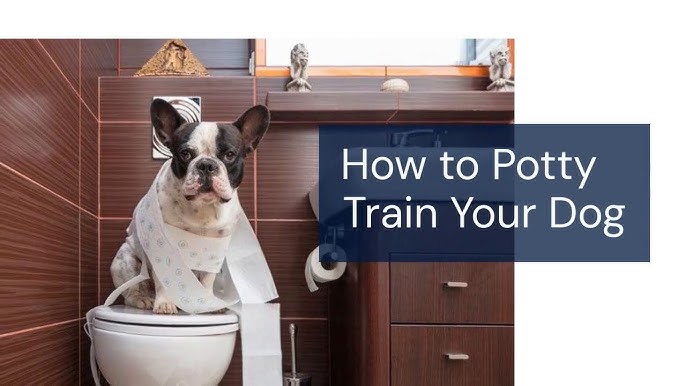

Have you ever wondered if your dog could use a toilet just like you do? Imagine the convenience of never having to clean up after your furry friend again.
It sounds surprising, but training a dog to use a toilet might be possible—and it could change your daily routine completely. If you’re tired of endless potty breaks and messy accidents, keep reading. You’ll discover the truth about this unusual training method and find out whether it’s a realistic goal for your pet.
Ready to learn how this could work for your dog? Let’s dive in.
Toilet Training Basics
Toilet training a dog is an unusual but interesting idea. It means teaching your dog to use a toilet like humans do. This process needs patience and good understanding of how dogs learn. It also comes with benefits and some challenges. Knowing these basics helps set clear goals for training.
How Dogs Learn
Dogs learn mostly through repetition and rewards. They notice what happens after their actions. Positive rewards, like treats or praise, encourage them to repeat good behavior. Dogs also respond well to clear signals and routines. Consistency helps dogs understand what you want from them.
Benefits Of Toilet Training
- Keeps your home cleaner by reducing accidents.
- Reduces need for outdoor bathroom breaks.
- Can be helpful for small or elderly dogs.
- Improves hygiene for both dog and owner.
- Strengthens bond through training and communication.
Potential Challenges
- Dogs have natural instincts to go outside.
- Training takes longer than usual potty training.
- Some dogs may resist using a toilet.
- Risk of accidents during the learning period.
- Requires patience and regular supervision.

Credit: medium.com
Preparing For Training
Training a dog to use a toilet requires careful preparation. This stage sets the foundation for smooth learning. Understanding your dog’s needs and the right tools helps avoid frustration. Let’s explore key factors before starting the training process.
Choosing The Right Toilet Setup
Select a toilet setup that fits your home and dog’s size. A sturdy, non-slip platform works best. Some trainers use a special dog toilet seat or a small indoor potty tray. Ensure the setup is easy to access and clean. Comfort encourages your dog to use it consistently.
Essential Supplies
- Dog-friendly toilet seat or potty tray
- Training pads or artificial grass for practice
- Treats for rewarding good behavior
- Cleaning supplies for accidents
- A leash or harness to guide your dog
Having all supplies ready prevents interruptions. Rewards motivate your dog and speed up learning.
Assessing Your Dog’s Readiness
Not every dog adapts quickly to toilet training. Observe your dog’s behavior and health first. Is your dog calm and able to follow simple commands? Can your dog hold its bladder for a reasonable time? Puppies and older dogs might need extra patience. Training works best when your dog feels comfortable and confident.
Step-by-step Training Process
Training a dog to use a toilet requires patience and clear steps. It takes time for your dog to understand this new habit. The process involves familiarizing your dog with the toilet area, using clear commands, rewarding good behavior, and managing accidents calmly. Each phase builds trust and helps your dog learn effectively.
Introducing The Toilet Area
Start by placing your dog near the toilet regularly. Let your dog explore the space without pressure. Use a leash to guide your dog gently. Show where you want your dog to go. Keep visits short but frequent. This helps your dog get used to the new spot. Avoid forcing or rushing your dog.
Using Commands And Signals
Choose simple words or signals for toilet time. Use the same command every time your dog needs to go. Speak clearly and calmly. Watch your dog’s body language for signs of needing to go. Use the command as soon as you see these signs. Consistency helps your dog link the command with the action.
Positive Reinforcement Techniques
Reward your dog immediately after using the toilet correctly. Use treats, praise, or petting to show approval. Rewards encourage your dog to repeat good behavior. Be patient and celebrate small successes. Avoid punishment for mistakes. Positive reinforcement builds confidence and trust.
Handling Accidents
Accidents are part of the learning process. Clean accidents calmly to avoid stress. Do not yell or punish your dog. Instead, gently guide your dog back to the toilet area. Increase supervision during training. Keep a regular schedule to reduce accidents. Patience and kindness help your dog learn faster.

Credit: medium.com
Common Mistakes To Avoid
Training a dog to use a toilet is a unique challenge that requires patience and understanding. Many dog owners stumble because they overlook key aspects of the process. Avoiding common mistakes can save you time and frustration, making the journey smoother for both you and your pet.
Rushing The Process
Trying to speed up toilet training can backfire quickly. Dogs need time to adjust to new routines and signals, and pushing them too fast often causes confusion and setbacks.
Have you ever felt frustrated because your dog didn’t catch on immediately? That’s a sign to slow down. Break the training into small, manageable steps and celebrate every small success.
Inconsistent Training
Consistency is key in any dog training, but especially for toilet habits. Mixed signals or irregular schedules make it hard for your dog to understand what you expect.
Set a clear routine and stick with it every day. Use the same commands and gestures so your dog can associate them with the desired behavior quickly.
- Train at the same times daily
- Use consistent reward methods
- Ensure all family members follow the same rules
Ignoring Your Dog’s Comfort
Not paying attention to your dog’s comfort can stall progress or cause stress. Some dogs may feel uneasy standing on a toilet seat or being elevated.
Watch your dog’s reactions closely. If they seem anxious or hesitant, try modifying the training setup or take a break to build confidence gradually.
Expert Tips For Success
Training a dog to use a toilet takes patience and clear guidance. Consistent practice and positive rewards help dogs learn this unusual skill. Understanding your dog’s behavior makes the process smoother and more effective.
Training a dog to use a toilet is a unique challenge. Success requires expert tips and strategies. This process demands dedication and careful planning. Below, explore key strategies for effective toilet training.Patience And Persistence
Training takes time. Dogs need consistent practice. Expect gradual progress, not instant results. Celebrate small victories. Reinforce positive behavior with treats or praise. Avoid punishment. It creates fear and confusion. Trust the process. Stay calm and patient.Adjusting Techniques For Different Breeds
Each breed learns differently. Some are quick learners. Others need more time. Research your dog’s breed traits. Adjust techniques to suit their nature. Small breeds may need special toilet seat adjustments. Large breeds might require different approaches. Tailor training to fit your dog’s needs. This ensures comfort and success.Incorporating Training Into Daily Routine
Consistency is key. Integrate training into daily activities. Schedule regular bathroom breaks. Keep a routine. This helps your dog understand expectations. Use verbal cues for toilet time. Dogs learn through repetition. Be consistent with commands. Monitor progress and adjust as necessary.
Credit: dogs.thefuntimesguide.com
Alternatives To Toilet Training
Training a dog to use a toilet is a unique idea but not always practical. Many dog owners seek easier and more effective ways to manage their pet’s bathroom needs. Several alternatives offer convenience and help keep your home clean without complex training.
These options suit different lifestyles and dog behaviors. Choosing the right method depends on your living space, schedule, and your dog’s comfort.
Using Puppy Pads
Puppy pads are absorbent mats designed for indoor bathroom use. They provide a specific spot for dogs to relieve themselves. This option works well for small dogs or puppies that cannot go outside often.
Place the pads in a quiet corner. Praise your dog when they use the pad correctly. Change the pads regularly to avoid smells and keep the area clean.
Outdoor Training Options
Teaching your dog to go outside is the most natural choice. It helps keep your home odor-free and your dog healthy. Set a regular schedule for bathroom breaks.
Take your dog to the same spot each time. Use simple commands like “go potty” to associate the action with the words. Reward your dog with treats or praise after they go.
Professional Training Services
Professional trainers offer expert help with dog bathroom habits. They use proven techniques tailored to your dog’s needs. Trainers can address specific challenges like anxiety or stubbornness.
Hiring a professional saves time and reduces frustration. Trainers also teach you how to reinforce good behavior at home. This support improves your dog’s overall obedience and happiness.
Frequently Asked Questions
Can Dogs Learn To Use A Human Toilet?
Yes, dogs can be trained to use a human toilet with patience and proper guidance. It requires consistent training and positive reinforcement to help them adapt to this unusual behavior.
How Long Does Toilet Training A Dog Take?
Toilet training a dog typically takes several weeks to months. The duration depends on the dog’s age, breed, and learning pace. Consistency and patience are key to successful training.
What Are The Benefits Of Toilet Training A Dog?
Toilet training a dog reduces indoor messes and odors. It helps maintain a cleaner home environment and can save time on outdoor walks. This training also strengthens the bond between owner and pet.
Is Toilet Training Suitable For All Dog Breeds?
Toilet training can work for most breeds but may be challenging for large or elderly dogs. Smaller breeds and puppies often adapt more easily to this training method.
Conclusion
Training a dog to use a toilet is possible but needs patience. Not all dogs learn this easily or quickly. It requires consistent practice and clear commands. Many dog owners find other methods simpler for house training. Consider your dog’s size, breed, and temperament before starting.
Remember, every dog is different and learns at its own pace. Choose the best training method for you and your pet. Patience and kindness help your dog succeed. Keep training fun and stress-free for better results.