
You love your puppy and want the best for them. But when is the right time to switch from puppy food to adult dog food?
Making this change at the right moment is key to keeping your dog healthy and happy. If you switch too early or too late, it can affect their growth and energy. You’ll discover clear signs and expert tips to know exactly when to make the switch.
Keep reading to learn how to give your dog the perfect nutrition at every stage of their life.

Credit: jiminys.com
Growth Stages Of Dogs
Understanding the growth stages of your dog is crucial to knowing the right time to change from puppy to adult dog food. Each stage brings different nutritional needs that support their development and overall health. Paying attention to these stages helps you provide the right fuel for your dog’s body and mind.
Puppy Phase Milestones
Puppies grow fast during their first few months. Their bones, muscles, and organs develop rapidly, requiring high levels of protein, fat, and essential nutrients. Typically, this phase lasts until your puppy is about 6 to 12 months old, depending on the breed and size.
You might notice your puppy’s energy levels peaking and their teeth starting to come in. These are clear signs they need more energy-dense food designed specifically for puppies. Have you observed how their appetite changes as they grow? This can be a helpful clue to their nutritional needs.
Transition To Adolescence
As your dog moves beyond the puppy phase, their growth rate slows down, but they still need balanced nutrition. This transition usually happens between 6 to 12 months for small breeds and can extend to 12-18 months for larger breeds. Their metabolism begins to stabilize, and their dietary needs start to shift.
This phase is tricky because your dog’s energy demands are changing, but they’re not quite adults yet. Gradually mixing adult dog food with puppy food can ease this transition. Have you noticed any changes in your dog’s activity or weight during this time? Adjusting their diet accordingly can prevent problems later.
Adult Dog Characteristics
Adult dogs have slower growth and lower energy requirements compared to puppies. At this stage, their diet should support maintenance rather than rapid growth. Most dogs reach adulthood between 12 and 24 months, depending on their size and breed.
Adult dog food typically has less fat and calories but enough protein to maintain muscle mass. If you switch too early or too late, you might risk nutritional imbalances. Are you ready to observe how your dog’s body responds to new food? Watching for healthy weight and vitality will guide you to the right choice.
Nutritional Needs By Age
Dogs’ nutritional needs change as they grow. Puppies require food that supports fast growth. Adult dogs need balanced nutrition to maintain health. Feeding the right food at the right age helps avoid health issues. Understanding these needs makes switching food easier and safer.
Puppy Food Requirements
Puppy food contains more calories for energy. It has extra protein to build muscles and tissues. Puppies need higher fat levels for brain development. Vitamins and minerals support strong bones and immunity. The food is softer and easier to chew.
Adult Dog Nutrient Needs
Adult dog food has fewer calories to prevent weight gain. Protein levels are moderate to maintain muscle mass. Fat content is lower to support a healthy weight. Fiber helps with digestion and gut health. Nutrients focus on long-term health and vitality.
Risks Of Premature Switching
Switching too early can cause poor growth in puppies. Nutrient deficiencies may affect bones and organs. Digestive problems like diarrhea or upset stomach can occur. Adult food may not meet energy needs of a growing puppy. Always match food to your dog’s age for best health.
Signs Your Puppy Is Ready
Knowing when your puppy is ready to switch from puppy food to adult dog food can feel tricky. However, there are clear signs that signal your furry friend is growing up and needs a change in nutrition. Paying attention to these signs helps ensure your dog stays healthy and energized during this important stage.
Weight And Size Indicators
Your puppy’s growth rate offers a strong clue. Most dogs reach about 80% of their adult size between 9 to 12 months old. If your puppy’s weight and height have mostly stabilized, it might be time to consider adult food.
Keep in mind that different breeds grow at different speeds. A small breed may be ready for adult food sooner than a large breed, which could take up to 18 months to mature fully.
Behavioral Changes
Have you noticed your puppy’s energy levels shifting? Puppies often have bursts of energy followed by frequent naps. As they mature, their activity becomes steadier and less hyper.
Changes in eating habits can also signal readiness. If your puppy seems less hungry or finishes meals faster, their metabolism might be slowing down, a common sign they need a diet designed for adults.
Veterinarian Recommendations
Your vet is your best guide in this transition. Regular check-ups provide a chance to discuss growth progress and nutritional needs. They can help you decide the right time to switch based on your dog’s health.
Sometimes, health issues or breed-specific needs influence the timing. Don’t hesitate to ask your vet about the best adult food options tailored to your dog’s unique profile.
Credit: www.purina.com
Timing Tips For Switching
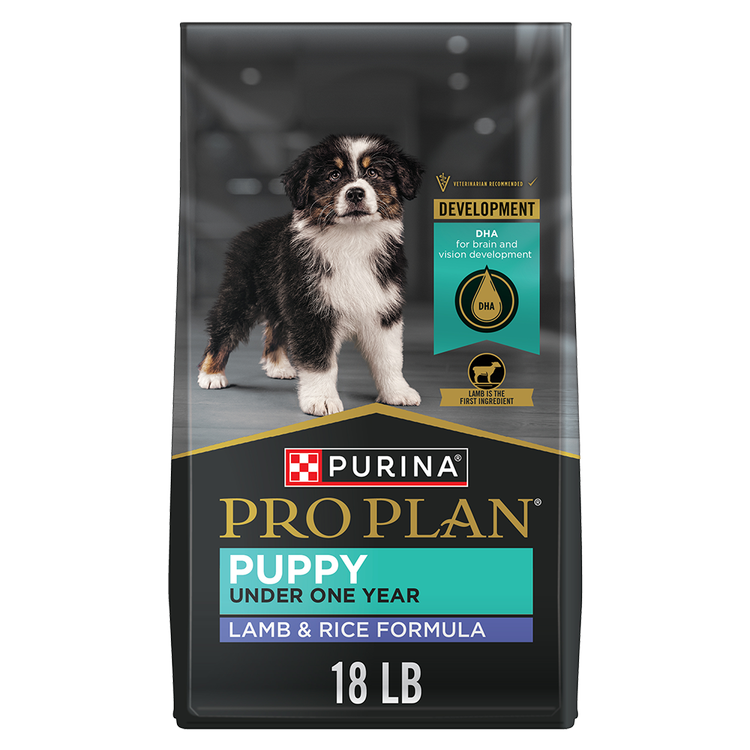
Puppies usually switch to adult dog food around one year old. Watch for steady growth and changes in energy. Gradually change food over a week to avoid stomach upset.
Switching from puppy to adult dog food is a crucial step. It affects your dog’s health and growth. Timing is essential to ensure a smooth transition. This section provides helpful tips for a successful switch.Ideal Age Ranges
Most puppies switch to adult food at about 12 months. Large breeds may need to wait until 18-24 months. Small breeds often switch earlier, around 9 months. Consult your vet for the best timing for your dog.Gradual Transition Steps
Start by mixing 25% adult food with 75% puppy food. Increase the adult food by 25% each week. Continue until you fully transition to adult food. This gradual change helps prevent stomach issues.Monitoring Health During Switch
Watch for any changes in your dog’s behavior. Keep an eye on their stool consistency. Look for signs of discomfort or allergies. If you notice issues, consult your vet immediately. Regular vet check-ups ensure a healthy transition.Common Mistakes To Avoid
Knowing when to switch your puppy to adult dog food is crucial, but avoiding common mistakes can make the transition smoother and healthier for your furry friend. Mistakes during this period can affect your dog’s growth, digestion, and overall wellbeing.
Switching Too Early Or Late
Switching your puppy to adult food too early can leave them without enough nutrients to support their rapid growth. On the other hand, waiting too long might cause them to gain unnecessary weight or miss out on adult-specific nutrients.
Watch your dog’s breed and size closely. Larger breeds often take longer to mature, sometimes up to 18-24 months, while smaller breeds may be ready around 9-12 months. Don’t rush; observe your dog’s development and adjust accordingly.
Ignoring Puppy’s Appetite
Your puppy’s appetite is a valuable signal during the transition. If they suddenly eat less or refuse the new food, it could mean the timing or food choice isn’t right. Ignoring these signs can lead to stress or nutritional gaps.
Try mixing the new adult food gradually with their current diet. This helps them adjust and gives you a chance to see if they accept the change. Remember, a happy eater is usually a healthy dog.
Skipping Vet Advice
Skipping advice from your vet can cost you more than just peace of mind. Vets understand the nutritional needs of your specific breed and can recommend the best time and type of adult food.
Before making the switch, schedule a check-up. Ask about your dog’s weight, growth rate, and any special dietary needs. This personalized guidance helps you avoid common pitfalls and ensures your dog thrives.

Credit: zigly.com
Special Considerations
Special considerations affect the timing and type of food change from puppy to adult dog food. Each dog is unique, and these factors help guide the transition. Paying attention ensures proper nutrition and supports healthy growth.
Breed Size Differences
Small breeds grow faster than large breeds. They may need adult food as early as 9 months. Large breeds take longer to mature and might require puppy food up to 18 months. Their adult food has different nutrients for joint health and slower growth.
Health Conditions Impact
Some dogs have special health needs like allergies or digestive issues. These conditions influence food choice and timing of change. Consult a vet to select the right formula. Changing food too soon or too late can worsen health problems.
Homemade Vs Commercial Diets
Homemade diets need careful planning to meet nutritional needs. Transition timing may vary based on recipe and ingredients. Commercial diets often have clear guidelines from manufacturers. Always introduce new food gradually to avoid stomach upset.
Frequently Asked Questions
When Should I Switch My Puppy To Adult Dog Food?
Switch to adult dog food when your puppy reaches 12 months old. Large breeds may need to wait 18-24 months. This ensures balanced nutrition for growth and maintenance stages.
What Are The Signs My Puppy Needs Adult Food?
Look for slower growth, decreased energy, and changing dietary needs. When your puppy’s bones stop growing, it’s time to switch to adult food.
Can I Mix Puppy And Adult Dog Food During Transition?
Yes, gradually mix increasing amounts of adult food with puppy food over 7-10 days. This helps avoid digestive upset and aids smooth transition.
Does Switching To Adult Food Affect My Dog’s Health?
Properly timed switching supports healthy development and weight management. Feeding adult food too early or late can cause nutritional imbalances or obesity.
Conclusion
Choosing the right time to switch your puppy to adult dog food matters. Watch your dog’s growth and energy levels closely. Changing food too early or too late can cause problems. Use age and weight as helpful guides for the change.
Always pick high-quality food suited for your dog’s needs. This helps keep your dog healthy and happy. Remember, a smooth food change supports good digestion. Take your time and observe your dog’s reaction. Healthy eating habits start with the right food at the right age.