
Are you wondering what happens if you feed your puppy adult dog food? It might seem like a small detail, but what you choose to feed your furry friend can shape their health and growth in big ways.
Your puppy’s body needs special nutrients to develop strong bones, muscles, and a healthy immune system. Giving them the wrong food could slow down their progress or even cause serious problems. Keep reading to discover exactly what adult dog food does to puppies and why choosing the right diet is one of the most important things you can do for your new best friend.
Credit: www.purina.com
Differences Between Puppy And Adult Dog Food
Choosing the right food for your puppy is more important than you might think. Puppy food and adult dog food serve very different purposes because puppies have unique growth and development needs. Feeding an adult dog formula to a puppy can impact their health, energy, and overall growth.
Nutritional Needs Of Puppies
Puppies need extra calories to support their fast growth and high energy levels. Their diet requires more protein and fat compared to adult dogs to build strong muscles and develop healthy brains.
Calcium and phosphorus are also crucial to help puppies develop strong bones and teeth. Without the right balance, you risk stunted growth or bone problems later on.
Key Ingredients In Puppy Food
Puppy food is specially made with ingredients that support rapid development. It usually contains:
- Higher protein levels from quality animal sources
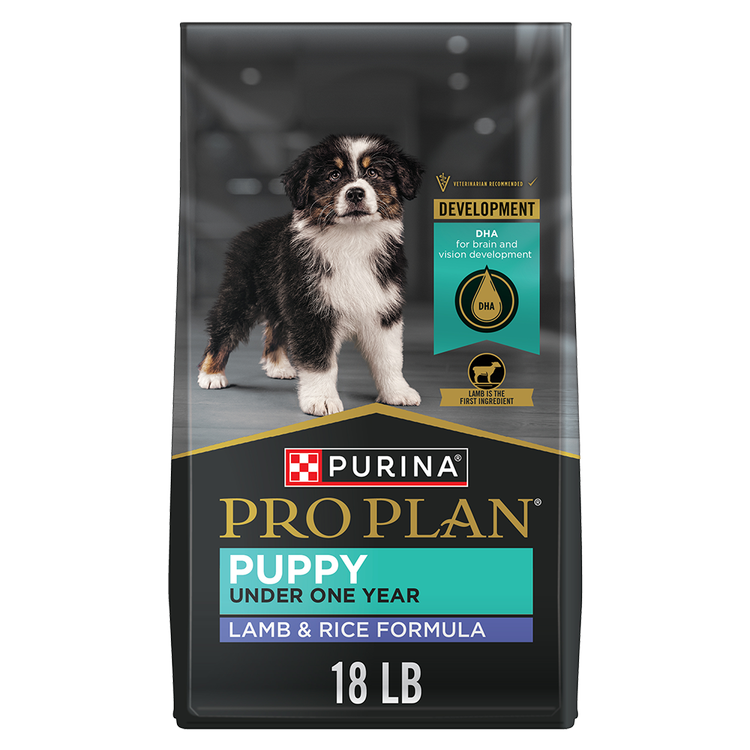
- Essential fatty acids like DHA for brain and eye development
- Vitamins and minerals tailored to growing bodies
- Smaller kibble size for easier chewing and digestion
These ingredients are carefully balanced to meet the puppy’s changing needs during different growth stages.
Adult Dog Food Composition
Adult dog food focuses on maintaining health rather than growth. It contains fewer calories and less fat to prevent unwanted weight gain as your dog’s activity levels stabilize.
Protein levels are lower compared to puppy food, and it may include ingredients that support joint health and digestion in mature dogs. Feeding adult food to a puppy can leave them hungry and lacking vital nutrients needed for proper development.
Have you noticed any changes when switching your puppy to adult food too early? Paying attention to these differences can help you make better feeding choices for your dog’s health.
Credit: www.thinkjinx.com
Potential Risks Of Feeding Adult Food To Puppies
Feeding adult dog food to puppies might seem convenient, but it carries several hidden risks. Puppies have unique dietary needs that adult formulas don’t meet. Ignoring these differences can impact your puppy’s health in ways you might not expect.
Nutritional Deficiencies
Puppies need more protein, fat, and specific vitamins to support their rapid growth. Adult dog food usually has lower levels of these nutrients. If your puppy misses out on these essentials, it can lead to weak muscles and poor immune function.
Have you noticed your puppy lacking energy or not growing as expected? Nutritional gaps could be the reason. Ensuring the right balance of nutrients is crucial for a strong start in life.
Impact On Growth And Development
Growth plates in puppies are still forming and require proper nutrition to develop correctly. Adult food doesn’t provide the right calcium and phosphorus ratio, which can cause bone problems. This imbalance might lead to joint issues or stunted growth later on.
Imagine your puppy struggling with mobility as they grow older—this could be traced back to early diet choices. Are you confident your puppy’s food supports healthy bones and muscles?
Digestive Issues
Puppies have sensitive stomachs that need easily digestible ingredients tailored for their age. Adult dog food often contains higher fiber or ingredients that can upset your puppy’s digestive system. This can cause diarrhea, vomiting, or gas.
Watching your puppy suffer from tummy troubles is stressful and avoidable. Choosing the right food reduces these risks and promotes better digestion and nutrient absorption.
Signs Your Puppy May Be Affected
Puppies fed adult dog food may show signs like upset stomach, low energy, or poor growth. Watch for changes in appetite or digestion. These symptoms can mean the food isn’t right for their needs.
Puppies are adorable bundles of energy and curiosity, but feeding them the wrong diet, like adult dog food, can have noticeable impacts. You might think that all dog food is the same, but puppies have specific nutritional needs that differ from adult dogs. Observing any changes in your puppy’s behavior or health is crucial to ensure they grow up happy and healthy.Behavioral Changes
Feeding your puppy adult dog food can lead to unexpected behavioral changes. You might notice your puppy becoming lethargic or less playful, which is unusual for their age. Puppies need more calories and nutrients to fuel their boundless energy and growth, so when these are lacking, their energy levels can drop dramatically. Some puppies may also experience increased anxiety or irritability. Imagine not having the right nutrients to support your rapid growth and development. It’s like trying to run a marathon on an empty stomach – it just doesn’t work!Physical Symptoms
Physical signs are often the most obvious indicators that something is amiss. If your puppy starts losing weight or their coat looks dull and lifeless, it might be due to inadequate nutrition from adult dog food. You may also notice digestive issues such as diarrhea or vomiting. Puppies have delicate digestive systems that require specific nutrients found in puppy food. Adult dog food can be too rich or not provide the right balance, leading to upset tummies.Long-term Health Concerns
The effects of feeding adult dog food to puppies may not be immediately obvious, but long-term health concerns can arise. One major issue is improper bone and joint development. Puppies need higher levels of calcium and phosphorus for healthy bones, which adult food might not provide. Additionally, inadequate nutrition during this critical growth phase can lead to weakened immune systems. This makes puppies more susceptible to illnesses and infections, impacting their overall quality of life. Are you willing to risk your puppy’s future health over a simple dietary mistake? Ensuring your puppy gets the right food is an investment in their future. Keep an eye on their behavior and physical condition, and don’t hesitate to consult a vet if you’re unsure about their nutritional needs. Your puppy’s wagging tail and boundless energy will thank you.When Is Adult Dog Food Appropriate For Puppies
Choosing the right food for puppies is crucial for their growth. Adult dog food has different nutrients than puppy food. Puppies need extra calories and nutrients to build strong bones and muscles. Knowing when adult dog food is suitable helps keep puppies healthy and happy.
Transitioning From Puppy Food
Switching to adult dog food should be gradual. Start mixing a small amount of adult food with puppy food. Slowly increase the adult food over 7 to 10 days. This helps avoid stomach upset and digestive issues. Watch your puppy’s reaction during the transition.
Age And Weight Considerations
Puppies usually switch to adult food between 9 and 12 months old. Large breeds might need puppy food longer, up to 18 months. Weight also matters. If a puppy reaches adult size early, adult food may be fine sooner. Each breed and puppy grows at its own pace.
Veterinarian Recommendations
Talk to a vet before changing your puppy’s diet. Vets can suggest the best time to switch food. They consider your puppy’s health, breed, and growth rate. A vet’s advice ensures your puppy gets the right nutrition. Trust professional guidance for healthy development.
Tips For Choosing The Right Food For Puppies
Choosing the right food for your puppy is crucial for their growth and overall health. Puppies have different nutritional needs than adult dogs, so feeding them the correct diet sets the foundation for a strong and happy life. Understanding what to look for in puppy food can save you from costly vet visits and ensure your furry friend thrives.
Reading Pet Food Labels
Pet food labels can be confusing, but learning how to read them is essential. Look for foods labeled specifically for puppies or “growth,” as these contain the nutrients your young dog needs. Check the ingredient list—protein should be near the top, and avoid foods with too many fillers like corn or wheat.
Also, pay attention to the guaranteed analysis section. This tells you the minimum amounts of protein and fat, and the maximum amounts of fiber and moisture. Does the label mention DHA or omega fatty acids? These support brain and eye development in puppies.
Balancing Nutrients
Your puppy’s diet should balance proteins, fats, and carbohydrates to fuel their rapid growth. Too much protein or fat can stress their kidneys, while too little slows development. Puppies need higher protein and fat than adults, but the right balance varies by breed and size.
Calcium and phosphorus levels are also critical. Too much or too little can cause bone problems. Have you noticed how some puppies seem more energetic or sluggish? Their diet might be the reason. Adjusting nutrient ratios can improve their energy and help prevent future health issues.
Consulting Pet Nutrition Experts
Don’t hesitate to ask a vet or pet nutritionist for advice tailored to your puppy’s needs. Professionals can recommend brands or homemade diet plans that match your puppy’s breed, age, and health status. They also help spot potential allergies or sensitivities early on.
I once switched my puppy’s food after a vet consultation, and the change was remarkable—shinier coat, better digestion, and more playfulness. Could your puppy benefit from expert guidance too? A quick chat with a specialist might be the best investment you make for your pet’s health.

Credit: us.eukanuba.com
Frequently Asked Questions
Can Puppies Eat Adult Dog Food Safely?
Puppies can eat adult dog food, but it lacks essential nutrients. It may lead to poor growth and health issues. Puppy food is specially formulated to support their development. Always choose age-appropriate food for balanced nutrition and healthy growth.
What Happens If Puppies Eat Only Adult Dog Food?
Feeding puppies only adult dog food can cause nutritional deficiencies. They might miss vital proteins, vitamins, and minerals needed for growth. This can result in weak bones, poor immunity, and stunted development. Puppy food is designed to prevent these problems.
How Does Adult Dog Food Affect Puppy Growth?
Adult dog food often has fewer calories and nutrients. Puppies require higher energy and nutrients for their rapid growth. Feeding adult food can slow their growth and affect overall health. Proper puppy food supports strong bones, muscles, and immune system.
Can Adult Dog Food Cause Digestive Issues In Puppies?
Yes, adult dog food can cause digestive upset in puppies. Their digestive systems need specific nutrients and milder ingredients. Adult food might be too rich or unbalanced, leading to diarrhea or discomfort. Puppy food is gentler and easier to digest.
Conclusion
Feeding puppies adult dog food can cause health problems. Puppies need special nutrients for growth and energy. Adult food lacks these important nutrients. This can lead to weak bones and poor development. Always choose food designed for puppies. It supports their immune system and brain growth.
Healthy eating builds a strong foundation for life. Protect your puppy’s future with the right diet. Small choices now can make a big difference later. Keep your puppy happy, healthy, and growing well.