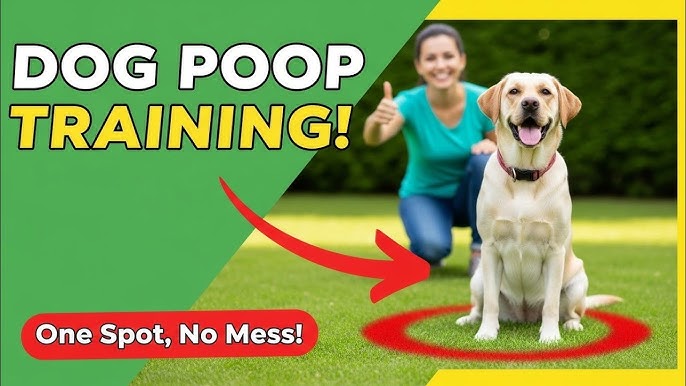

If you’re tired of finding dog poop scattered all over your yard or house, you’re not alone. Teaching your dog to poop in one specific area can save you time, keep your space clean, and make your life much easier.
But how do you get your furry friend to understand exactly where to go? You’ll discover simple, effective steps that anyone can follow to train their dog to poop in one spot. Whether you have a new puppy or an older dog, these tips will help you create good habits that last.
Keep reading, and you’ll soon enjoy a cleaner, happier home.
Choose The Right Spot
Choosing the right spot for your dog to poop is crucial for successful potty training. This spot will become your dog’s designated bathroom, so it needs to be practical and comfortable for both of you. Picking the perfect area can save you frustration and help your dog learn faster.
Consider Accessibility
Make sure the spot you select is easy for your dog to reach at any time of the day. If it’s too far or requires navigating obstacles, your dog might avoid going there. Think about how you will manage bathroom breaks during bad weather or late at night.
For example, I chose a spot close to the back door of my house. This made it simple to take my dog out quickly without stressing either of us. Ask yourself: can I get my dog to this spot calmly and efficiently every time?
Pick A Consistent Location
Dogs thrive on routine. Sticking to one place helps your dog associate that area with bathroom time. Changing the spot frequently can confuse your dog and slow down training.
Pick a corner or a patch of grass that you can keep clean and maintain easily. Consistency sends a clear message to your dog about where it’s okay to go. Have you noticed how your dog reacts when the spot changes? This reaction can tell you how important routine really is.
Set A Routine
Setting a routine is key to teaching your dog where to poop. Dogs thrive on consistency and predictability. A clear schedule helps your dog understand when and where to go. It reduces accidents and makes training easier. Two main parts of a routine are feeding times and bathroom breaks. Both should be regular and predictable. This trains your dog’s body and mind to follow a pattern. Let’s look at these parts in detail.
Regular Feeding Times
Feed your dog at the same times every day. This keeps their digestion on a schedule. Consistent feeding helps predict when they will need to poop. Avoid free feeding or random meal times. Use measured portions and stick to the clock. This makes bathroom timing easier to manage. Regular meals also improve your dog’s health.
Scheduled Bathroom Breaks
Take your dog outside at set times each day. Choose times after meals, naps, and play sessions. These are moments when dogs usually need to go. Use the same spot for bathroom breaks. Praise and reward your dog for going in this area. This builds good habits and reinforces the routine. Stay patient and consistent to see the best results.
Use Positive Reinforcement
Praise your dog immediately after it poops in the chosen spot to encourage good behavior. Rewards like treats or gentle petting make the dog want to repeat the action. This positive feedback helps the dog learn where to go consistently.
Training your dog to poop in one area can be simple. Positive reinforcement plays a crucial role in this process. Dogs respond well to rewards, which encourages them to repeat good behavior. Using this method can make training enjoyable and effective for both you and your pet. Focus on rewarding your dog when they do the right thing.Reward Good Behavior
Offer treats immediately after your dog poops in the right area. This helps them connect the action with the reward. Use verbal praise to make them feel appreciated. A simple “good job” or “well done” can boost their confidence. Consistency is key. Reward them each time they use the designated spot. Gradually reduce treats once they learn, but continue praising them.Avoid Punishment
Punishing your dog can create fear and confusion. It may lead to them hiding when they need to go. Focus on guiding them with kindness instead. If they have an accident, clean it without scolding. Redirect them to the correct spot calmly. Your patience will encourage better behavior over time.
Credit: www.amazon.com
Guide Your Dog To The Spot
Guiding your dog to the designated potty spot helps build a strong habit. Consistency is key for your dog to understand where to go. Always bring your dog to the same place for bathroom breaks. This repeated action creates a clear connection between the spot and the activity.
Patience and calmness encourage your dog to relax and focus on the task. Praise and gentle words can make the experience positive. Avoid rushing or pushing your dog, as it may cause stress and confusion.
Leash Training Tips
- Use a short leash to maintain control during walks.
- Keep your dog close but comfortable to avoid distractions.
- Walk slowly toward the potty spot to give your dog time to adjust.
- Stop and wait patiently once you reach the area to allow your dog to sniff and explore.
- Keep leash movements smooth and steady to avoid startling your dog.
Using Commands Effectively
- Choose a simple, clear command like “Go potty” or “Bathroom.”
- Say the command calmly as you approach the spot.
- Repeat the command gently while your dog prepares to go.
- Use the same command every time for consistency.
- Praise your dog immediately after they finish to reinforce good behavior.
Manage Accidents Properly
Managing accidents properly helps your dog learn faster and keeps your home clean. Dogs need clear signals about where to go. Handling accidents the right way supports training and reduces confusion. Stay consistent and use calm actions to guide your dog.
Clean Up Thoroughly
Use an enzyme cleaner to remove all smells. Normal cleaners do not break down the odors. Any leftover scent can attract your dog back to the same spot. Clean the area until no smell remains. This prevents repeat accidents in the same place.
Stay Calm And Patient
Do not punish your dog for accidents. Yelling or scolding can cause fear or anxiety. Instead, speak softly and guide your dog gently. Remember, accidents are part of learning. Patience helps your dog feel safe and eager to learn.
:strip_icc()/scared-of-vet-174675383-resized-56a26ace3df78cf77275634e.jpg)
Credit: www.thesprucepets.com
Gradually Increase Freedom
Gradually increasing your dog’s freedom helps build trust and good habits. Start with strict supervision and limited space. As your dog shows success, allow more freedom bit by bit. This helps your dog learn where to go without feeling confused.
Monitor Progress
Watch your dog carefully during this phase. Note any accidents or confusion about the potty spot. Praise your dog immediately after they go in the right area. Keep a simple chart to track successes and mistakes. This helps you see patterns and adjust training if needed.
Expand Allowed Areas
Slowly add new spaces where your dog can roam. Begin with one or two small areas next to the potty spot. Let your dog explore while still guiding them back to the correct place. Only increase freedom after your dog consistently uses the potty area. This step builds confidence and keeps training clear.
Troubleshoot Common Issues
Training your dog to poop in one designated area can sometimes hit a few bumps along the way. Troubleshooting common issues is key to keeping your training on track. Understanding the root of the problem helps you adjust your approach quickly and effectively.
Dealing With Distractions
Distractions can pull your dog’s attention away from the designated potty spot. Sounds, other animals, or even new smells might make your dog forget the purpose of the trip outside. To counter this, try taking your dog to the potty area during quieter times of the day.
Keep your dog focused by using a consistent command like “go potty” every time you arrive. Praise and reward immediately when your dog uses the right spot. Have you noticed how some dogs respond better to treats while others prefer a favorite toy? Tailor your rewards to what motivates your dog most.
Handling Reluctance
Some dogs may show reluctance to use the designated area due to unfamiliarity or discomfort. If your dog seems hesitant, check the spot for anything that might scare or bother them, such as sharp objects, slippery surfaces, or loud noises nearby.
Make the area inviting by spending time there with your dog before expecting them to go. Sit, play, or even feed them there to create positive associations. Could your dog’s reluctance be linked to a health issue? Always rule out medical causes by consulting your vet if problems persist.
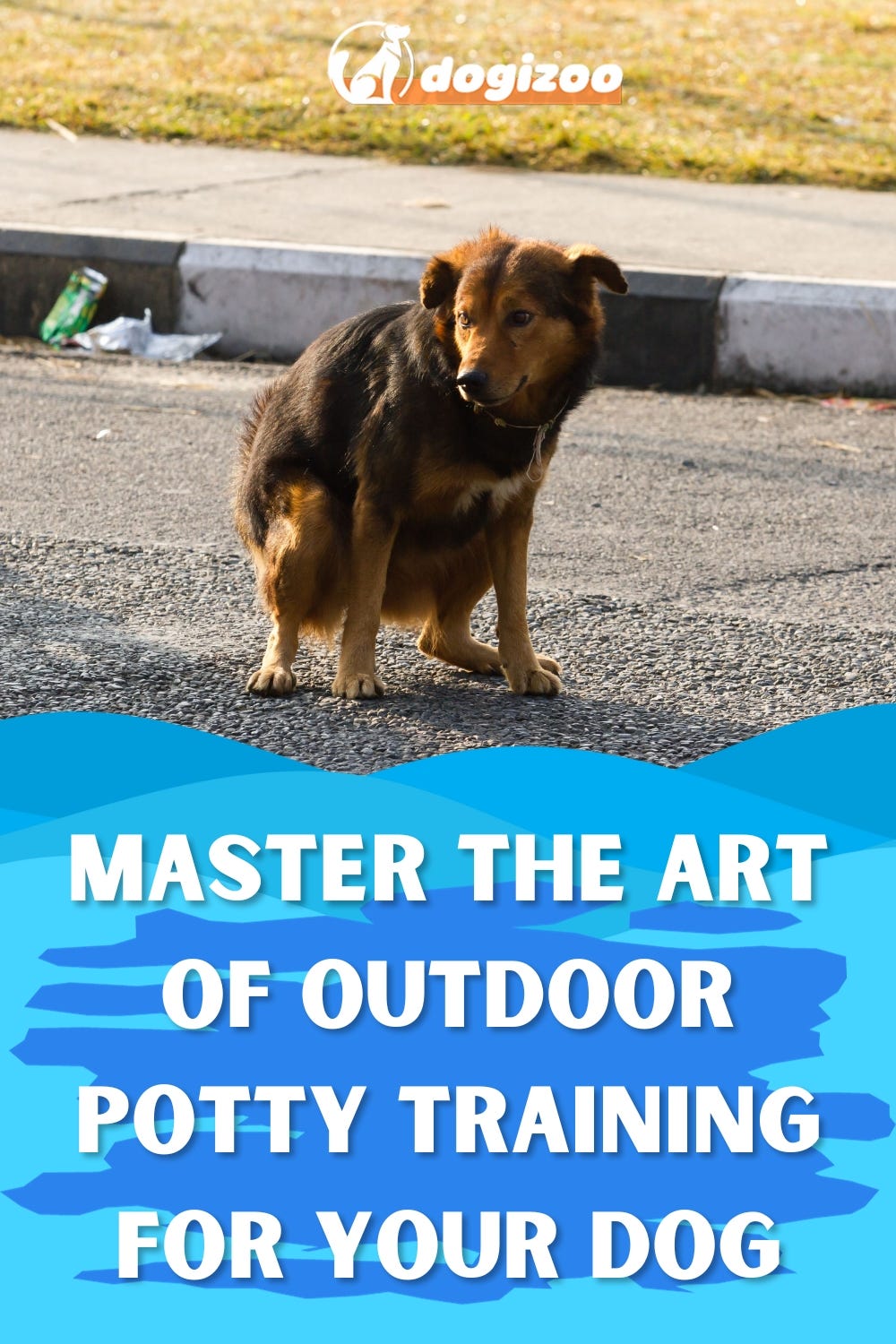
Credit: tncim.com
Frequently Asked Questions
How Long Does It Take To Train A Dog To Poop In One Area?
Training usually takes 2 to 4 weeks with consistent routines and positive reinforcement. Patience and persistence are key to success.
What Tools Help Train A Dog To Poop In One Spot?
Use treats, a designated potty area, leash, and cleaning supplies. These tools encourage and reward proper elimination habits.
How Often Should I Take My Dog To The Designated Potty Spot?
Take your dog every 2 to 3 hours, especially after meals or naps. Frequent trips build a reliable bathroom routine.
How Do I Prevent My Dog From Pooping Outside The Designated Area?
Supervise closely and redirect immediately if your dog starts elsewhere. Clean accidents with enzyme cleaners to remove odors.
Conclusion
Training your dog to poop in one area takes time and patience. Stay consistent with your routine and use positive rewards. Watch your dog closely and guide them gently to the spot. Clean accidents calmly without punishment. Soon, your dog will understand where to go.
A clean yard and happy pet are worth the effort. Keep practicing every day, and success will come. Trust the process and enjoy the journey with your dog.