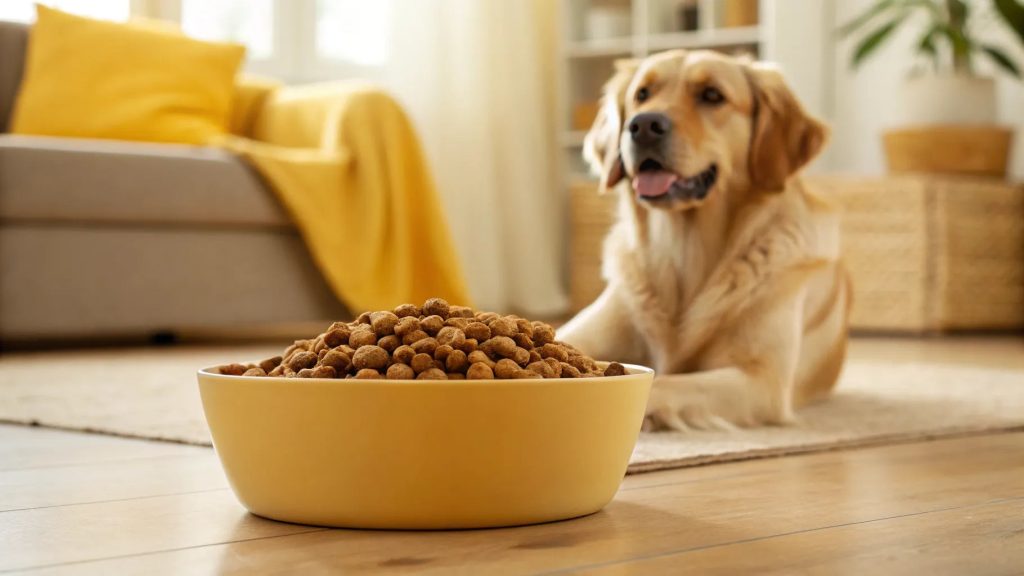

Are you wondering if you can feed your 50-pound puppy adult dog food? It’s a question many dog owners face as their furry friend grows fast.
Choosing the right food is crucial for your puppy’s health and energy. Feeding adult dog food too soon might seem easier, but it could affect your pup’s growth and development. Keep reading to find out what’s best for your growing buddy and how to make the right feeding choices that keep your dog happy and healthy.

Credit: www.houndsy.com
Puppy Nutritional Needs
Understanding your puppy’s nutritional needs is key to helping them grow into a healthy adult dog. Puppies have different requirements than adults because their bodies are developing rapidly. Feeding them the right food at the right time supports their immune system, builds strong bones, and fuels their energy.
Growth Requirements
Puppies, especially those weighing around 50 pounds or more, need more calories than adult dogs. Their bodies are busy building muscle, bone, and organs, which demands extra energy. Feeding adult dog food often falls short because it usually contains fewer calories and less protein.
Have you noticed your puppy’s energy spikes and crashes? That’s often a sign they need food designed for their growth stage. Puppy food typically contains higher fat content to match these energy needs.
Key Nutrients For Puppies
Puppies require a balance of key nutrients to thrive. These include:
- Protein:Supports muscle development and tissue repair.
- Fat:Provides concentrated energy and supports brain development.
- Calcium and Phosphorus:Essential for strong bones and teeth.
- DHA (an Omega-3 fatty acid):Crucial for healthy brain and eye development.
- Vitamins and Minerals:Boost the immune system and overall health.
Feeding your puppy adult dog food can miss these critical nutrients or provide them in incorrect ratios. Have you ever checked the label on adult food compared to puppy formulas? The differences can be quite significant and impact your puppy’s growth quality.
Differences Between Puppy And Adult Food
Puppy food and adult dog food differ in many important ways. Puppies need more energy and nutrients to grow strong and healthy. Adult dogs need balanced nutrition to maintain their health without gaining extra weight. Feeding the right food supports your dog’s life stage and overall well-being.
Calorie Content
Puppy food has more calories than adult dog food. Puppies burn energy fast because they grow quickly. They need extra calories to build muscles and bones. Adult dogs require fewer calories to avoid weight gain. Feeding a puppy adult food may not give enough energy.
Protein And Fat Levels
Puppy food contains higher protein and fat amounts. Protein helps build strong muscles and tissues. Fat provides essential energy and supports brain growth. Adult dog food has lower protein and fat to prevent obesity. Puppies need these nutrients in larger amounts for healthy growth.
Vitamin And Mineral Balance
Puppy food has extra vitamins and minerals to support development. Calcium and phosphorus are higher to build strong bones and teeth. Adult dog food has balanced vitamins and minerals for maintenance. Feeding adult food to a puppy may lead to nutrient deficiencies or imbalances.
Risks Of Feeding Adult Food To Puppies
Feeding a 50lb puppy adult dog food might seem like a simple solution, but it carries real risks that can affect your puppy’s health and growth. Puppies have different nutritional needs than adult dogs, and giving them the wrong food can lead to problems you might not expect. Understanding these risks helps you make better choices for your growing dog.
Nutritional Deficiencies
Puppies need extra nutrients, like higher protein and fat, to support their rapid growth. Adult dog food usually has lower levels of these essential nutrients. If your puppy eats adult food, it may miss out on vital vitamins and minerals needed for strong bones and healthy muscles.
Think about it: your puppy’s body is building itself every day. Without the right nutrition, those building blocks are incomplete. This can lead to weakness and delayed development that you might not notice until it’s too late.
Impact On Growth And Development
Growth is a critical phase where puppies develop their bones, joints, and organs. Adult food doesn’t have the proper balance of calcium and phosphorus, which puppies need to grow correctly. Feeding adult food can cause uneven growth or even skeletal problems later on.
Have you ever seen a puppy struggle to keep up with its littermates? Sometimes, improper nutrition is the hidden cause. Your puppy’s growth plates are delicate, and the wrong food can affect their long-term mobility and health.
Potential Health Issues
Feeding adult dog food to a puppy can also lead to digestive troubles like diarrhea or upset stomach. Puppies have sensitive tummies that need food formulated specifically for them. Adult food can be harder to digest and might cause discomfort or poor nutrient absorption.
Additionally, long-term feeding of adult food can increase the risk of obesity or other health problems because the calorie content and fat levels aren’t right for a growing pup. Would you risk your puppy’s health just to save a bit of money or time? It’s worth thinking about how these choices affect your puppy’s future.
When Adult Food Might Be Suitable
Deciding when to switch your puppy to adult dog food can be a bit of a puzzle. While each puppy is unique, there are certain situations when adult food might be suitable for your 50Lb puppy. Knowing these scenarios can make a big difference in your pup’s health and growth.
Large Breed Puppies
Large breed puppies, like your 50Lb pup, have different nutritional needs compared to smaller breeds. These puppies grow quickly, and their food should support both their rapid growth and joint health. Sometimes, transitioning to adult food earlier can help manage their energy levels and prevent excessive weight gain.
Have you ever noticed your puppy being less active or gaining weight rapidly? This might indicate that a switch in diet is necessary. Always keep an eye on their growth patterns and adjust accordingly.
Transitioning Phases
The transition from puppy food to adult food should be gradual. Mixing a small amount of adult food with puppy food can help your puppy adjust to the new taste and texture. This gradual change minimizes digestive issues and helps your puppy adapt smoothly.
Consider your puppy’s behavior and digestive reactions during this phase. If they seem comfortable and energetic, you’re likely on the right track. Have you experienced any changes in their stools or energy levels? These are good indicators of how well they’re adjusting.
Veterinarian Recommendations
Your veterinarian is an invaluable resource when deciding to switch to adult food. They can provide tailored advice based on your puppy’s breed, size, and overall health. Regular vet check-ups ensure you’re making informed decisions about your puppy’s diet.
Have you consulted your vet about your puppy’s diet? Their expertise can guide you through the transition and help you avoid potential health issues. Trust their recommendations, and don’t hesitate to ask questions.
Switching your puppy to adult dog food is a significant decision. By understanding your puppy’s specific needs and consulting with your veterinarian, you can make the transition smoother and more beneficial for your furry friend.
Choosing The Right Food For A 50lb Puppy
Choosing the right food for a 50lb puppy requires careful thought. Puppies need balanced nutrition to grow strong and healthy. Their diet impacts their energy, coat, and overall development. Adult dog food may not meet a puppy’s needs. Puppies need extra nutrients for bones, muscles, and brain growth. Understanding these needs ensures the puppy thrives.
Breed-specific Needs
Different breeds have unique dietary needs. Large breeds need food that supports joint health and slow growth. Small breeds may need calorie-dense food for their fast metabolism. Some breeds require special nutrients for coat or skin health. Choosing food tailored to your puppy’s breed helps avoid health problems.
Reading Food Labels
Food labels provide key information about ingredients and nutrition. Look for high protein sources like chicken, beef, or fish. Avoid foods with fillers such as corn or wheat. Check for added vitamins and minerals like calcium and DHA. These support healthy bones and brain development. Ensure the food is labeled for puppies or all life stages.
Consulting Professionals
Veterinarians and pet nutritionists offer expert guidance. They can recommend food based on your puppy’s size, breed, and health. Regular check-ups help track growth and adjust diet if needed. Professionals can also identify allergies or sensitivities early. Their advice keeps your puppy’s diet on the right track.
Credit: zignature.com
Feeding Schedule And Portion Control
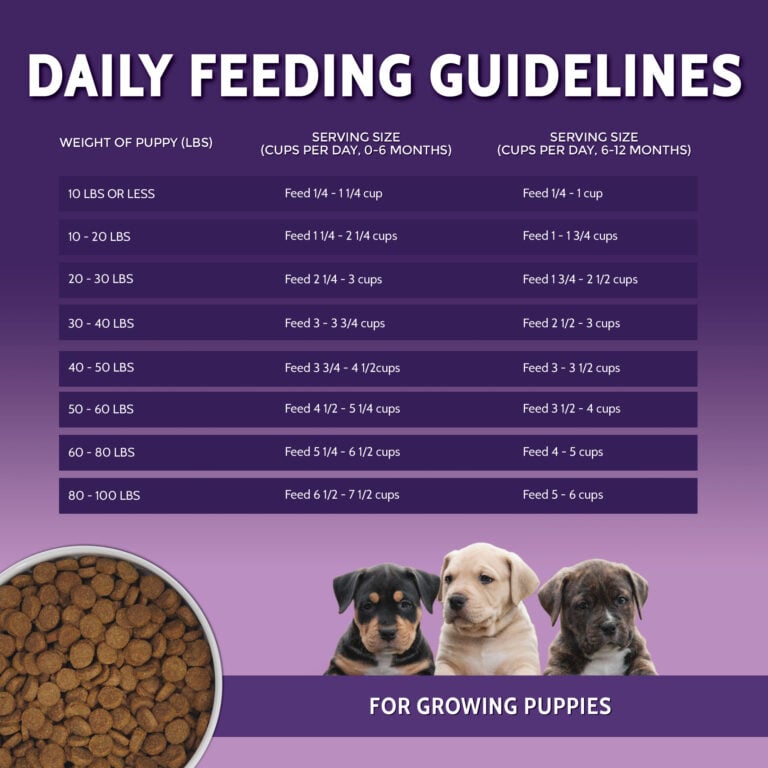
Managing the feeding schedule and portion control for a 50lb puppy is crucial, especially when considering if adult dog food can meet their needs. Puppies grow rapidly, and their nutrition must support this growth without leading to overfeeding or underfeeding. Balancing meal frequency with the right portion sizes helps maintain healthy development and prevents weight issues later on.
Meal Frequency
Puppies need more frequent meals than adult dogs due to their high energy demands. Typically, feeding your 50lb puppy three to four times a day works best. This helps keep their energy steady and prevents hunger-induced fussiness.
As your puppy grows, you can gradually reduce meals to two per day. Watch how your puppy responds—if they seem overly hungry or sluggish, you may need to adjust the timing or amount.
Portion Sizes
Portion control is key to avoid overfeeding, especially when using adult dog food, which is usually denser in calories. Check the feeding guidelines on the dog food package but remember these are general recommendations.
Your puppy’s activity level and growth rate should guide portion sizes. For example, a highly active 50lb puppy may need slightly larger portions than a more laid-back one. Use a measuring cup for accuracy and split the daily amount across meals.
Monitoring Weight And Health
Regularly weigh your puppy to ensure they are growing at a healthy rate. Too fast or too slow weight gain signals you might need to adjust portions or food type.
Look for signs like a visible waist, ribs you can feel but not see, and steady energy levels. If you notice your puppy gaining too much weight, reduce portions or switch to a puppy-specific formula.
Have you noticed how small changes in feeding can dramatically impact your puppy’s mood and activity? Paying attention to these details helps you tailor their diet perfectly.
Signs Your Puppy Needs A Diet Change
Knowing when to change your puppy’s diet is important for healthy growth. Puppies have different nutritional needs than adult dogs. Feeding adult dog food to a growing puppy might cause problems. Some signs can help you decide if it’s time for a diet change.
Behavioral Changes
Watch for changes in your puppy’s behavior. A sudden lack of energy may show poor nutrition. Restlessness or irritability can also signal diet issues. Puppies might lose interest in food or eat less. These behaviors suggest the current diet may not meet their needs.
Physical Symptoms
Physical signs often show diet problems early. Look for dull or dry fur and skin. Excessive itching or hair loss can be a red flag. Digestive issues like vomiting or diarrhea may occur. Weight loss or difficulty gaining weight also matters. These symptoms suggest your puppy might need a different food.
Growth Patterns
Growth rate is key to spotting diet issues. Puppies should grow steadily without sudden stops. Uneven or slow growth can indicate poor nutrition. Too fast growth may lead to joint problems later. Tracking weight and size helps monitor progress. Adjusting the diet supports healthy, balanced growth.

Credit: www.houndsy.com
Frequently Asked Questions
Can I Feed Adult Dog Food To A 50lb Puppy?
Feeding adult dog food to a 50lb puppy is not recommended. Puppies need higher protein and fat for growth. Adult food lacks these nutrients, which may slow development and affect health. Always choose puppy-specific food until full maturity, then transition gradually to adult food.
When Should I Switch A 50lb Puppy To Adult Food?
Switch a 50lb puppy to adult food around 12 to 18 months. This depends on breed and growth rate. Large breeds may take longer to mature. Consult your vet for the best timing to ensure proper nutrition and avoid digestive issues.
What Risks Come From Feeding Adult Food To Puppies?
Feeding adult food to puppies can cause nutrient deficiencies. Puppies need more calories, protein, and fat for healthy growth. Adult food may lead to stunted growth, weak bones, and poor immune function. Always provide age-appropriate food to support development.
How To Transition A 50lb Puppy To Adult Dog Food?
Transition your 50lb puppy slowly over 7-10 days. Mix increasing amounts of adult food with puppy food daily. This helps avoid digestive upset. Monitor your puppy’s weight and health during the change. Consult your vet for personalized advice.
Conclusion
Feeding a 50lb puppy adult dog food is not the best choice. Puppies need special nutrients to grow strong and healthy. Adult food may lack important vitamins and minerals for puppies. It can also cause digestion problems or weight issues.
Always choose food made for puppies until they reach full size. Talk to your vet for the right feeding plan. Healthy growth depends on proper nutrition. Keep your puppy happy and active by giving the right food at the right time.