
You want the best for your puppy, and that includes feeding them the right food at the right time. But when exactly should you switch from puppy food to adult dog food?
Making this change too early or too late can affect your dog’s health and energy. You’ll discover clear signs and expert tips to know the perfect moment to transition your furry friend. Keep reading to ensure your puppy grows strong and healthy every step of the way.
Credit: www.thinkjinx.com
Puppy Growth Stages
Understanding your puppy’s growth stages is essential for deciding when to switch from puppy food to adult dog food. Puppies don’t grow at a steady pace; their nutritional needs change rapidly as they hit different milestones. Knowing these stages helps you provide the right food at the right time, supporting healthy development and avoiding overfeeding or nutritional gaps.
Key Development Milestones
Puppies go through several distinct growth phases, each with unique physical and behavioral changes. The first 8 weeks are critical for socialization and learning basic skills. From 8 to 16 weeks, your puppy’s bones and muscles grow quickly, requiring plenty of energy and nutrients.
Between 4 to 6 months, many puppies experience a growth spurt, and their teeth change from baby to adult teeth. Around 6 to 12 months, growth slows down, but your puppy gains muscle and coordination. Large breeds may take longer to mature, sometimes up to 18-24 months, so their transition timing differs from smaller breeds.
Nutritional Needs By Age
During the early weeks, puppies need food rich in protein and fat to support rapid growth and brain development. Puppy formulas contain these nutrients in higher amounts than adult dog food. As your puppy grows, their calorie needs remain high but start to stabilize as growth slows.
Between 6 and 12 months, it’s often time to consider transitioning to adult dog food, but this depends on your dog’s breed and size. Large breeds benefit from a slower transition to avoid joint and bone issues. Smaller breeds may be ready earlier.
Ask yourself: Is your puppy still rapidly gaining weight or energy? Are they showing signs of maturity in their behavior? These clues help you decide if it’s time to switch diets. Always consult your vet for breed-specific advice, but watch your puppy closely to make the best choice for their health.
Signs Your Puppy Is Ready
Knowing when your puppy is ready to switch to adult dog food is key to supporting their growth and health. Watching for clear signs helps you avoid feeding them too early or too late. Let’s look at the physical and behavioral clues that show your puppy is ready for this important change.
Physical Indicators
Your puppy’s body gives you plenty of hints. One clear sign is their size—have they reached about 80% of their expected adult weight? If yes, their nutritional needs are shifting from growth to maintenance.
Another sign is their teeth. Puppies with a full set of adult teeth, usually around 6 months old, are often ready to handle the texture of adult food. You might notice their coat becoming shinier and their energy leveling out, too.
Behavioral Changes
Behavior can tell you a lot about your puppy’s readiness. Puppies tend to slow down their endless bursts of energy as they mature. If your puppy seems calmer and less hyperactive, it might be time to adjust their diet.
Also, watch their eating habits. Are they finishing meals faster or showing less interest in their current food? This can mean their appetite and nutritional needs are evolving. Have you noticed changes in your puppy’s hunger or playfulness that hint at a new phase?
Choosing The Right Adult Food
Puppies usually switch to adult dog food between 9 to 12 months old. Growth slows down, so their diet needs to change. Watch their size and energy to know the right time for the switch.
Transitioning your puppy to adult dog food is a significant milestone in their life. As their nutritional needs shift, choosing the right adult food becomes crucial for maintaining their health and vitality. It may seem overwhelming with so many options available, but understanding what to look for makes the decision much easier.Nutrient Requirements
Your adult dog needs a balanced mix of proteins, fats, and carbohydrates to stay healthy. Look for foods with quality protein sources like chicken, beef, or fish as the primary ingredient. Essential fatty acids, vitamins, and minerals also play a critical role in their overall well-being. It’s important to read the labels carefully. Brands that meet the AAFCO (Association of American Feed Control Officials) standards are generally a good choice. These labels ensure the food provides the complete and balanced nutrition your dog requires.Special Dietary Considerations
Every dog is unique, and some may have specific dietary needs. Does your dog have allergies? Consider grain-free options or foods specifically formulated for sensitive stomachs. If your dog is particularly active, they might benefit from a diet rich in calories and nutrients to support their lifestyle. On the other hand, less active dogs may require a lower-calorie diet to prevent weight gain. Consulting your vet can provide valuable insights tailored to your dog’s specific needs. Have you ever noticed how some foods affect your dog’s coat or energy levels? Observing these changes can guide you in making the right choice.
Credit: petheavenblogs.com
Transitioning Process
Transitioning your puppy to adult dog food is a crucial phase that requires patience and attention. It’s not just about switching the food but ensuring your dog’s digestive system adapts smoothly. A careful transition prevents upset stomachs and helps maintain your dog’s energy and health.
Step-by-step Guide
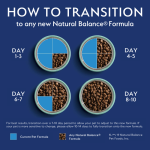
- Start Slowly:Mix a small amount of adult food with your puppy’s current food. A good starting ratio is 25% adult food and 75% puppy food.
- Increase Gradually:Over the next 7 to 10 days, slowly increase the amount of adult food while decreasing the puppy food. Watch how your dog responds to the changes.
- Observe Your Dog:Look for signs like digestion issues or changes in appetite. If your dog experiences diarrhea or vomiting, slow down the transition.
- Maintain Routine:Feed your dog at consistent times to help their digestive system adjust. Keep fresh water available at all times.
- Final Stage:By the end of the transition period, your dog should be eating 100% adult food without any problems.
Common Mistakes To Avoid
- Switching Too Fast:Rapid changes can upset your dog’s stomach and cause digestive problems. Take your time and be patient.
- Ignoring Your Dog’s Reactions:If your dog shows signs of discomfort, don’t push the transition. Adjust the pace according to their needs.
- Mixing Incompatible Foods:Avoid combining adult food with treats or supplements that aren’t suitable for their age or health condition.
- Not Consulting Your Vet:Your vet can recommend the best adult food type and timing based on your dog’s breed and health. Skipping this advice may lead to nutritional imbalances.
- Assuming One-Size-Fits-All:Each dog is unique. What worked for a friend’s dog might not work for yours. Pay close attention to your dog’s specific needs.
Monitoring Health During Transition
Monitoring your puppy’s health during the switch to adult dog food is crucial. This phase can affect their growth and overall well-being, so paying close attention helps you catch any issues early. Small changes in behavior or physical condition can tell you if the new diet is working or if adjustments are needed.
Tracking Weight And Energy
Keep a close eye on your puppy’s weight as you transition foods. Sudden weight loss or gain might signal that the new diet isn’t meeting their needs. Use a simple weekly weigh-in routine to track progress without stress.
Energy levels also give you important clues. If your pup seems unusually tired or restless, their food might need tweaking. Notice how they play, sleep, and respond throughout the day to understand their true energy state.
Recognizing Digestive Issues
Digestive problems often appear first during diet changes. Watch for diarrhea, constipation, or vomiting, which suggest your puppy’s stomach is struggling. These signs don’t always mean you must stop the new food immediately but do warrant a pause and consultation with your vet.
Keep track of changes in stool consistency and frequency. A smooth transition usually results in firm, regular stools. If you spot ongoing digestive discomfort, try mixing the old and new food more gradually or choose a formula designed for sensitive stomachs.
Consulting Your Veterinarian
Transitioning your puppy to adult dog food is an important step in their growth. Consulting your veterinarian ensures you make the right choice. Vets understand your dog’s health, breed, and size. They guide you on the best timing and type of food. This advice helps avoid nutrition problems and supports your dog’s health.
When To Seek Professional Advice
Ask your vet before changing your puppy’s diet. Puppies grow at different speeds. Some may need adult food earlier or later. Health issues might affect food choice. If your puppy has allergies or digestive problems, get advice. Also, large or small breeds have different needs. Visit your vet during regular check-ups to discuss diet changes.
Questions To Ask Your Vet
- What is the best age to switch to adult food?
- Which adult dog food brand do you recommend?
- How to transition without upsetting my puppy’s stomach?
- What signs show my puppy is ready for adult food?
- Should I adjust portion sizes during the transition?
- Are there special nutrients my dog needs now?
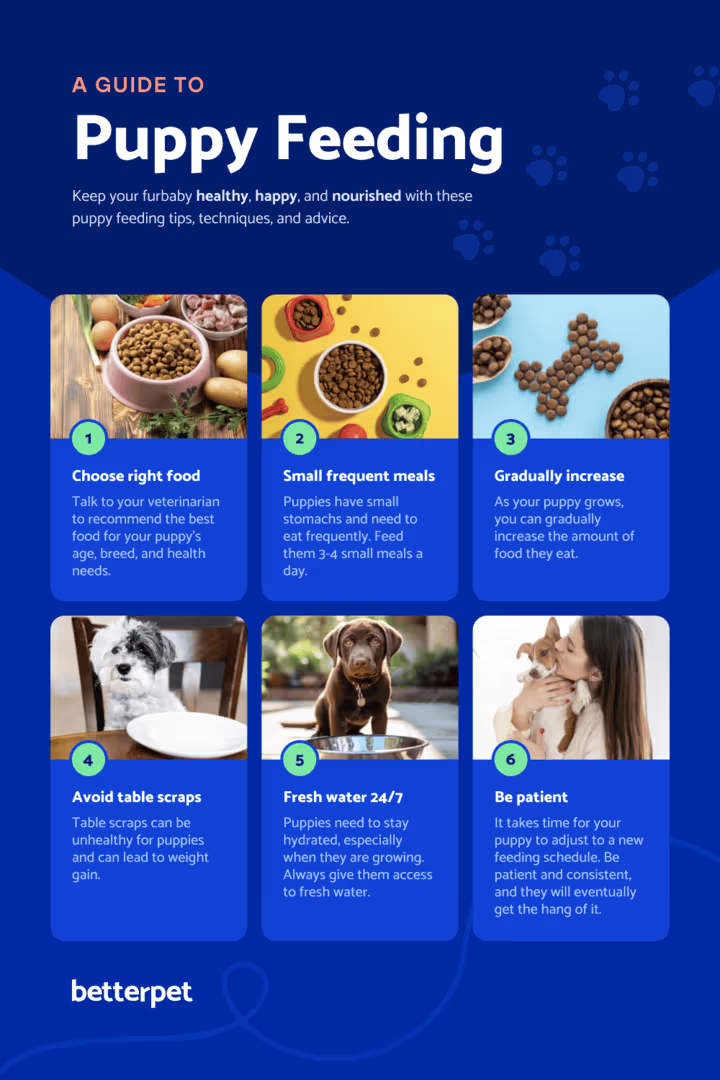
Credit: www.betterpet.com
Frequently Asked Questions
When Is The Best Age To Switch Puppy To Adult Food?
Most puppies transition at 12 months old. Large breeds may switch between 12-18 months. Consult your vet for breed-specific advice.
How Do I Know If My Puppy Needs Adult Food?
Signs include slowed growth and reaching adult size. Energy levels may stabilize. If unsure, ask your vet for guidance.
Can Switching Dog Food Too Early Harm My Puppy?
Yes, early switching can cause nutrient deficiencies. Puppies need higher calories and nutrients for growth. Delay transition until recommended age.
What Are Differences Between Puppy And Adult Dog Food?
Puppy food has more protein, fat, and calories. Adult food supports maintenance, not rapid growth. Nutrient balance varies for life stages.
Conclusion
Choosing the right time to switch your puppy’s food is important. Watch their growth and energy levels closely. Most dogs do well switching at about one year old. But bigger breeds might need more time. Always make changes slowly to avoid stomach upset.
Talk to your vet for advice tailored to your dog. Feeding the right food helps your dog stay healthy and happy. Remember, every dog is different. Trust your observations and ask for help when unsure. Your care makes a big difference in their life.