
Switching your dog from puppy food to adult food is a big step. It’s more than just changing what’s in the bowl—it impacts your dog’s health, energy, and happiness.
If you do it the wrong way, your furry friend might face tummy troubles or miss out on essential nutrients. But don’t worry—you’re about to learn the simple, effective way to make this transition smooth and stress-free. Keep reading to discover how to keep your dog healthy and excited about mealtime every day.
Credit: www.cobberdogfood.com.au
Signs Your Dog Is Ready For Adult Food
Knowing when your dog is ready to switch to adult food is important. This change supports their growth and health. Some clear signs help you decide the right time to transition their diet.
Age Guidelines
Most dogs start adult food between 9 and 12 months old. Small breeds may switch earlier, around 9 months. Large breeds often need more time, about 12 to 18 months. Breed size affects growth speed and food needs.
Behavioral Changes
Your dog’s eating habits may shift. They might eat less puppy food or seem less hungry. Increased energy or calmer behavior can also signal growth. Watch for changes in activity and appetite.
Physical Indicators
Look for changes in your dog’s body shape. They begin to lose the “puppy fat” and gain muscle tone. Teeth development is another sign; adult teeth usually replace puppy teeth by 6 to 7 months. Healthy coat and steady weight also show readiness.
Choosing The Right Adult Dog Food
Choosing the right adult dog food plays a key role in your dog’s health. Adult dogs have different needs than puppies. Their diet should support energy, maintain weight, and keep them active. Selecting food made for adult dogs ensures they get the right nutrients for this stage of life. Quality ingredients and proper balance matter most.
Nutritional Needs
Adult dogs need protein to maintain muscle. Fat provides energy but should not be excessive. Fiber helps digestion and keeps stools healthy. Vitamins and minerals support bones, skin, and immune health. Look for food with balanced nutrients designed for adult dogs. Avoid foods with fillers or artificial additives. Proper nutrition helps your dog stay healthy and lively.
Types Of Adult Dog Food
- Dry Kibble:Convenient, long shelf life, good for teeth.
- Wet Food:More moisture, often more appealing, softer texture.
- Raw or Fresh:Less processed, may require refrigeration, closer to natural diet.
- Special Diets:For weight control, allergies, or health issues.
Choose based on your dog’s preferences and lifestyle. Mixing types can also work well.
Consulting Your Veterinarian
Your vet knows your dog’s health history best. They can recommend foods based on age, weight, and any medical needs. Regular checkups help adjust diet as your dog ages. Always ask your vet before switching to a new food. Their advice ensures the transition supports your dog’s well-being.
Preparing For The Food Transition
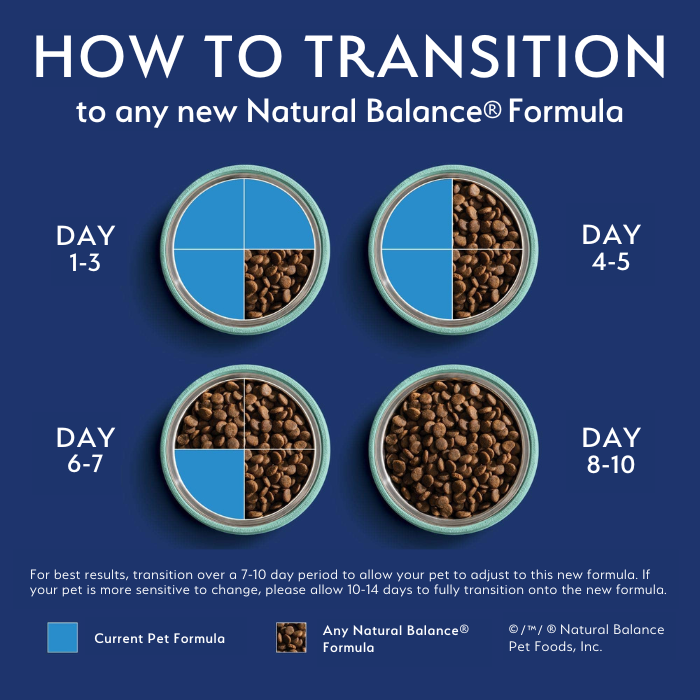
Gradually mix adult food with puppy food to help your dog adjust smoothly. Watch for any changes in digestion or appetite during the switch. Patience and consistency make the transition easier for your pet’s health.
Transitioning your dog from puppy food to adult food is a significant milestone in their life. It’s a process that requires careful planning and attention to detail. This transition isn’t just about swapping out one type of kibble for another; it’s about ensuring your furry friend continues to receive the right nutrients for their growth and health. Let’s dive into how you can prepare for this important change.Gathering Supplies
Before starting the transition, gather all necessary supplies. This includes the new adult dog food, which should be selected based on your dog’s breed, size, and health needs. Consider consulting your vet for recommendations to ensure you choose the right formula. You’ll also need measuring cups or a scale to accurately portion each meal. This helps in preventing overfeeding, which can lead to weight gain. Having a dedicated storage container for the food can keep it fresh and make feeding time more convenient.Setting A Feeding Schedule
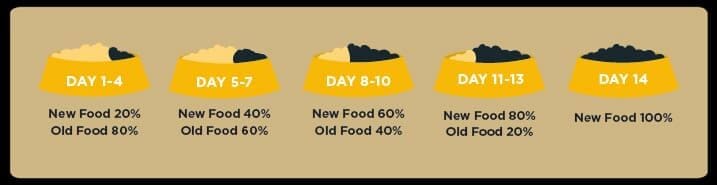
Establishing a consistent feeding schedule is crucial for a smooth transition. Try to feed your dog at the same times each day. This routine helps regulate their digestive system and makes the transition less stressful. Begin by gradually mixing the new adult food with their current puppy food over a period of 7-10 days. Start with a small amount of adult food and increase it daily while decreasing the puppy food. This slow transition helps prevent stomach upset.Monitoring Your Dog’s Health
As you transition your dog to adult food, closely monitor their health. Look for changes in energy levels, coat condition, and stool consistency. These can be indicators of how well your dog is adjusting to the new diet. If you notice any negative changes, such as vomiting or diarrhea, consult your veterinarian. They can provide guidance and possibly suggest a different food that might be more suitable for your pet. Remember, every dog is different. What works for one might not work for another. Are you ready to make this transition smooth and healthy for your beloved pet?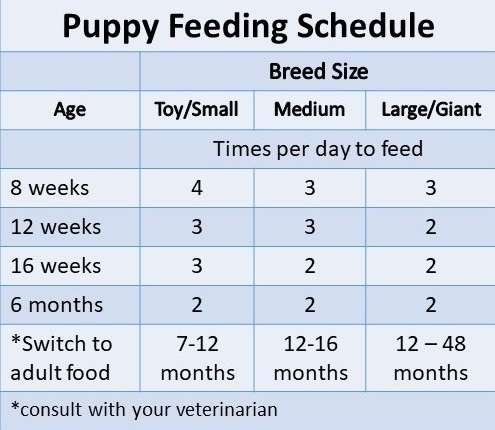
Credit: www.vetsupply.com.au
Step-by-step Transition Process
Transitioning your dog from puppy to adult food requires a careful approach to avoid digestive upset. A slow, steady change helps your dog adjust to the new diet while maintaining their health and energy levels. Here’s a clear process to guide you through this important shift.
Mixing Puppy And Adult Food
Start by combining a small amount of adult food with your dog’s regular puppy food. This blend introduces the new taste and texture gradually, making it easier for your dog to accept. Try mixing about 25% adult food with 75% puppy food at first.
Observe your dog’s reaction during this phase. Are they eating well? Any signs of stomach discomfort? Adjust the mix if needed to keep mealtime pleasant and stress-free.
Gradual Increase Of Adult Food
Slowly increase the proportion of adult food over the next one to two weeks. Move from 25% adult food to 50%, then to 75%, and finally full adult food. This gentle change supports your dog’s digestive system as it adapts to new nutrients.
Keep an eye on stool quality and energy levels. If your dog seems unsettled, pause the increase for a few days before continuing. Patience pays off in smoother transitions.
Adjusting Portions
Adult dogs often need different portion sizes than puppies due to changes in metabolism and activity. Use the feeding guidelines on the adult food packaging as a starting point, but monitor your dog’s weight and condition closely.
Adjust the portions if your dog gains or loses weight unexpectedly. You want to provide enough food to keep them healthy and active without overfeeding. How do you usually track your dog’s ideal weight?
Common Challenges And Solutions
Transitioning your dog to adult food often comes with unexpected hurdles. Understanding these common challenges helps you handle them confidently and keep your dog healthy and happy. Let’s look at some typical issues you might face and practical ways to solve them.
Dealing With Picky Eaters
Dogs can suddenly refuse their new adult food, even if they loved puppy food. This might be due to changes in taste, texture, or smell.
Try mixing the old food with the new gradually over a week. Start with 25% adult food and 75% puppy food, then increase the adult food amount every two days. Adding a small spoon of warm water or low-sodium broth can make the meal more appealing.
Have you noticed your dog prefers crunchy food over soft? Offering different textures can sometimes encourage eating. Avoid giving too many treats during this time, as it might spoil their appetite for the new food.
Managing Digestive Issues
Switching to adult food can cause digestive upset like diarrhea or constipation. This usually happens because the gut needs time to adjust to the new ingredients.
Introduce the new food slowly and watch for any signs of discomfort. If diarrhea occurs, keep your dog hydrated and consider adding pumpkin puree to their diet to soothe digestion.
Probiotics designed for dogs can also support gut health during this period. Remember, sudden changes in diet can upset even the healthiest dog’s stomach, so patience is key.
When To Seek Professional Help
Some problems require expert advice. If your dog refuses to eat for more than two days or shows signs of lethargy, vomiting, or severe diarrhea, contact your vet immediately.
Persistent digestive issues or allergic reactions like itching and swelling should also prompt a professional consultation. Your vet can recommend special diets or tests to rule out underlying health problems.
Have you ever felt unsure about your dog’s transition? Don’t hesitate to ask for help—it’s better to be safe and ensure your pet thrives on their new adult food.
Maintaining A Healthy Adult Dog Diet
Maintaining a healthy adult dog diet is essential for your pet’s overall well-being and longevity. Adult dogs have different nutritional needs compared to puppies, and meeting these needs can improve their energy levels, coat health, and digestion. Paying attention to how you feed your dog every day sets the foundation for a happy, active life.
Regular Vet Checkups
Scheduling regular vet visits helps you catch any nutritional deficiencies early. Your vet can recommend diet adjustments based on your dog’s breed, age, and health status. During these visits, ask about blood work and dental health to ensure your dog’s diet is supporting their entire body.
I once noticed my dog losing weight despite eating well. A quick vet check revealed a thyroid issue that needed diet changes. This experience taught me that monitoring health through vet visits is key to preventing diet-related problems.
Balancing Treats And Meals
Treats can be a great way to reward your dog, but too many can disrupt their balanced diet. Keep treats to less than 10% of your dog’s daily calorie intake to avoid weight gain. Opt for healthy options like small pieces of carrot or commercial treats with limited ingredients.
Have you ever been surprised by how many calories a “small” treat contains? I was, until I started reading labels carefully. Balancing treats with meals keeps your dog eager for snacks without harming their health.
Monitoring Weight And Activity
Keep an eye on your dog’s weight and activity levels to adjust food portions as needed. Increased exercise might require more calories, while less activity means cutting back to prevent obesity. Use a simple scale or a vet’s advice to track weight regularly.
One of my dogs became less active with age, but I didn’t reduce his food right away. His weight crept up, affecting his joints. This made me realize how crucial it is to match feeding amounts to your dog’s lifestyle changes.

Credit: jiminys.com
Frequently Asked Questions
How Do I Know When To Switch To Adult Dog Food?
You should switch when your dog reaches maturity, typically 12 months for small breeds and 18-24 months for large breeds. Check your vet’s advice to ensure the right timing. Proper timing supports healthy growth and prevents nutritional gaps.
What Is The Best Way To Transition Dog Food?
Gradually mix adult food with puppy food over 7-10 days. Increase adult food while decreasing puppy food daily. This slow change helps avoid digestive upset and allows your dog to adjust comfortably.
Can I Switch Dog Food Abruptly To Adult Food?
No, abrupt changes can cause stomach upset, diarrhea, or vomiting. Always transition slowly to minimize digestive issues. Gradual change helps your dog adapt to new nutrients and flavors safely.
How Much Adult Food Should I Feed My Dog Initially?
Start by feeding 25% adult food mixed with 75% puppy food. Gradually increase adult food portions over 7-10 days. Follow feeding guidelines on the packaging and adjust based on your dog’s weight and activity.
Conclusion
Transitioning your dog to adult food takes patience and care. Start slowly by mixing old and new food. Watch your dog’s reactions closely for any changes. Healthy eating helps your dog grow strong and happy. Keep the feeding routine steady and consistent.
Consult your vet if you notice any problems. This simple change supports your dog’s health every day. Enjoy this new stage with your growing pet.