
Are you wondering if it’s okay for your adult dog to eat puppy food? Maybe you grabbed the wrong bag by mistake, or you’re curious if puppy food could actually be better for your furry friend.
You want what’s best for your dog, and it’s natural to worry about their health and comfort. The good news is, you’re not alone in asking this question. Understanding how puppy food differs from adult dog food—and what it means for your dog—can help you make the right choice.
Keep reading to find out if puppy food can hurt your adult dog and what you should watch out for.
Differences Between Puppy And Adult Dog Food
Understanding the differences between puppy and adult dog food is essential before deciding whether it’s okay for your adult dog to eat puppy food. Each type of food is tailored to meet specific needs based on a dog’s age, activity level, and growth requirements. Feeding your dog the wrong type might not cause immediate harm, but it can affect their health over time.
Nutritional Needs Of Puppies
Puppies require more calories and nutrients than adult dogs because they are growing rapidly. Their food is packed with extra protein and fat to support muscle development and energy. Puppies also need higher levels of calcium and phosphorus to build strong bones and teeth.
Think about your own diet when you’re growing versus when you’re fully grown—your needs change, and so does theirs.
Nutritional Needs Of Adult Dogs
Adult dogs don’t need as many calories as puppies, since their growth has slowed. Their food focuses on maintaining muscle mass and a healthy weight. Nutrient balance shifts to support joint health and prevent obesity, especially in less active dogs.
Feeding an adult dog too much fat and protein can lead to weight gain and other health problems. Have you noticed your dog slowing down or gaining weight? Their diet could be the reason.
Key Ingredients In Puppy Food
Puppy food is rich in:
- Protein:Supports muscle growth and repair.
- Fat:Provides energy for active pups.
- Calcium and Phosphorus:Essential for strong bones and teeth.
- DHA:A fatty acid important for brain and eye development.
These ingredients make puppy food denser and richer than adult dog food. If your adult dog eats this regularly, could it lead to unwanted weight gain or digestive issues? It’s worth considering.

Credit: www.youtube.com
Potential Risks For Adult Dogs Eating Puppy Food
Feeding your adult dog puppy food might seem harmless at first glance, but it carries several risks that can affect their health. Puppy food is designed to meet the needs of growing dogs, which differ significantly from those of adult dogs. Understanding these potential risks will help you make better choices for your dog’s diet and well-being.
Overnutrition And Weight Gain
Puppy food is richer in calories, proteins, and fats to support rapid growth. If your adult dog eats this high-calorie diet regularly, it can easily lead to overnutrition.
Excess calories often turn into weight gain. This can put unnecessary strain on joints and increase the risk of obesity-related diseases like diabetes and heart problems. Have you noticed any weight changes after switching your dog’s food?
Digestive Issues
Adult dogs have different digestive needs compared to puppies. The rich nutrient content in puppy food may overwhelm your adult dog’s digestive system.
This can cause symptoms such as diarrhea, vomiting, or upset stomach. Some dogs might also experience gas or bloating. If your dog shows any digestive discomfort after eating puppy food, it’s a clear sign to reconsider their diet.
Long-term Health Concerns
Consistently feeding adult dogs puppy food may cause nutrient imbalances over time. For example, excess calcium in puppy food can lead to joint and bone problems in adult dogs.
Too much protein might strain the kidneys, especially in older dogs or those with pre-existing conditions. Are you monitoring your dog’s health regularly to catch these issues early?
When Puppy Food Might Be Okay For Adults
Adult dogs have different nutritional needs than puppies. Still, there are times when feeding an adult dog puppy food might be beneficial. These situations include specific health conditions, increased activity levels, and guidance from a vet. Let’s explore these scenarios.
Special Health Conditions
Sometimes adult dogs face health issues that require more calories or nutrients. Puppy food is higher in calories and protein. This can help dogs recovering from illness or surgery. Consult your vet to ensure it’s the right choice.
High Activity Levels
Working dogs and athletes burn more energy. They may need extra calories to maintain their energy levels. Puppy food offers the extra boost they need. Ensure the switch meets their specific dietary requirements.
Veterinary Recommendations
Your vet knows your dog best. They might suggest puppy food for certain conditions. This could be temporary or long-term. Always follow their advice to ensure your dog’s health and well-being.
Signs Your Adult Dog Is Struggling With Puppy Food
Noticing signs that your adult dog is struggling with puppy food can save you from potential health issues. Adult dogs have different nutritional needs, and feeding them puppy food might cause subtle yet important changes. If you observe unusual behavior or physical discomfort, it’s time to reconsider their diet.
Behavioral Changes
Your dog’s mood and habits can reveal a lot. If your usually calm dog becomes restless or irritable after mealtime, it might be a reaction to the richer puppy food. Watch out for increased whining or pacing, which can indicate digestive discomfort or an upset stomach.
Sometimes, dogs may refuse to eat or show disinterest in their food. This sudden change could signal that the puppy food doesn’t agree with them. Do you notice your dog acting differently around feeding times?
Physical Symptoms
Physical signs are often the clearest indicators. Look for symptoms like diarrhea, vomiting, or excessive gas, which suggest your dog’s digestive system is struggling. Excessive thirst or changes in weight can also be red flags.
Skin and coat condition can change too. Dull fur or itching might mean the nutrient balance in puppy food doesn’t meet your adult dog’s needs. These symptoms are subtle but important to catch early.
Changes In Energy Levels
Has your dog been unusually tired or overly hyperactive since switching to puppy food? Both extremes can signal an imbalance. Puppy food is often higher in calories, which can lead to sudden bursts of energy followed by fatigue.
Observe whether your dog’s usual playfulness or rest patterns have shifted. A drop in energy might mean they’re not getting the right nutrients for their age and activity level. How does your dog’s energy compare to before the diet change?
Tips For Choosing The Right Food For Your Adult Dog
Choosing the right food for your adult dog is crucial to keep them healthy and happy. Adult dogs have different nutritional needs compared to puppies, so feeding them the right diet matters. Let’s look at some practical tips to help you make the best choice for your furry friend.
Reading Dog Food Labels
Dog food labels can be confusing at first glance. Focus on the first few ingredients—they should be high-quality proteins like chicken, beef, or fish.
Look for the AAFCO statement on the packaging. This tells you if the food meets the basic nutritional requirements for adult dogs.
Also, check for added vitamins and minerals, especially calcium and phosphorus, which support your dog’s bone and joint health.
Consulting Your Vet
Your vet knows your dog’s health history better than anyone. Ask them which food suits your dog’s breed, age, weight, and activity level.
Discuss any health issues your dog has, like allergies or digestive problems. Your vet can recommend special diets or supplements if needed.
Remember, what works for one dog might not work for another, so personal advice is key.
Transitioning Between Foods
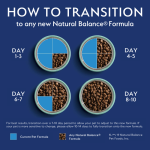
Switching your dog’s food too quickly can cause stomach upset. Instead, mix a small amount of the new food with the old one over 7-10 days.
Start with about 25% new food and 75% old food, then gradually increase the new portion. Watch for any signs of diarrhea or vomiting during this period.
Patience here helps your dog adjust smoothly and prevents unnecessary discomfort.
Credit: www.purina.com
Common Myths About Puppy Food For Adult Dogs
Many dog owners worry about feeding adult dogs puppy food and often rely on myths rather than facts. These misunderstandings can lead to unnecessary stress or poor feeding choices. Let’s clear up some common myths about puppy food for adult dogs so you can make informed decisions for your furry friend’s health.
Myth: Puppy Food Is Always Better
Puppy food is formulated to support growth and development, which means it has higher protein and fat content. But that doesn’t automatically make it better for adult dogs. Feeding an adult dog puppy food regularly can cause weight gain or digestive issues because their nutritional needs are different.
I once fed my adult dog puppy food, thinking it was a premium option. Soon, I noticed he gained weight quickly and seemed less energetic. It’s a clear sign that “better” depends on your dog’s age and health, not just the label on the bag.
Myth: Adult Dogs Need More Calories
It’s easy to assume adult dogs burn more energy and thus need more calories. In reality, most adult dogs require fewer calories than puppies because they aren’t growing rapidly. Overfeeding with high-calorie puppy food can lead to obesity and related health problems.
Consider your dog’s activity level and weight, not just age, when choosing food. A sedentary adult dog doesn’t need the same caloric intake as an active puppy, so adjusting portions is crucial.
Myth: Switching Foods Causes Harm
Changing your dog’s food can feel risky, but it doesn’t have to harm them. Gradual transitions over a week or two allow your dog’s digestive system to adjust comfortably. Sudden switches may upset their stomach, but careful changes help avoid that.
Have you ever tried switching your dog’s food overnight? That upset my dog’s digestion, teaching me the importance of slow transitions. A simple, patient approach can prevent unnecessary health issues and keep your dog happy.

Credit: www.becopets.com
Frequently Asked Questions
Can Adult Dogs Safely Eat Puppy Food Occasionally?
Yes, adult dogs can eat puppy food occasionally. However, puppy food is richer in nutrients and calories, which may cause weight gain or digestive upset if fed regularly to adults.
What Are Risks Of Feeding Adult Dogs Puppy Food?
Feeding adult dogs puppy food regularly may lead to obesity, nutrient imbalance, and digestive issues. Puppy food has more fat and protein, which exceeds adult dogs’ nutritional needs.
How Does Puppy Food Differ From Adult Dog Food?
Puppy food contains higher calories, protein, and fat to support growth. Adult dog food is balanced for maintenance, with fewer calories and nutrients to prevent weight gain.
When Should I Avoid Giving Puppy Food To My Adult Dog?
Avoid puppy food if your adult dog has weight issues or sensitive digestion. Always consult your vet before changing diets to ensure your dog’s health and nutritional needs.
Conclusion
Adult dogs can eat puppy food occasionally without harm. Puppy food has more calories and nutrients for growth. Feeding it often may cause weight gain or upset stomach. Choose food that fits your dog’s age and health needs. Always watch your dog’s reaction to new food.
Consult your vet for the best advice. Keep your dog happy and healthy with the right diet. Small changes matter.