
Are you wondering when exactly you should switch your furry friend to adult dog food? Making this change at the right time is key to keeping your dog healthy and happy.
Feed them too early, and they might miss out on essential nutrients; wait too long, and their growth could be affected. You’ll discover the signs to look for and simple tips to help you know the perfect moment to make the switch.
Keep reading to ensure your dog’s diet supports their best life every step of the way.

Credit: petheavenblogs.com
Puppy Growth Stages
Understanding the puppy growth stages is essential when deciding the right time to switch your dog to adult food. Each stage marks significant changes in your puppy’s nutritional needs and development. Knowing these phases helps you support your dog’s health and energy levels effectively.
From Newborn To Weaning
In the first few weeks, puppies rely entirely on their mother’s milk for nutrition. This milk provides all the nutrients they need to grow strong and develop their immune system. During this time, you don’t need to introduce any other food, but you should ensure the mother is well-fed and healthy.
Transition To Solid Food
At around 3 to 4 weeks old, puppies begin the transition to solid food. You can start by offering soft, moistened puppy food in small amounts. This stage requires patience—some puppies take longer to adjust, and you might notice them playing with the food more than eating it at first.
Key Growth Milestones
Puppies grow rapidly during their first six months. Their teeth develop, and they become more active and curious. By 6 to 12 months, most puppies reach a stage where their growth slows, signaling it’s almost time to switch to adult food. Have you noticed your puppy’s energy or size change recently? These clues are your guide to adjusting their diet.
Signs Your Dog Is Ready
Transitioning your dog to adult food is a crucial step. Understanding when to make this change can ensure your dog stays healthy. Identifying the right signs will guide you in making this decision.
Changes In Size And Weight
Watch for increases in your dog’s size and weight. Puppies grow quickly, but this slows as they reach adulthood. Notice if your dog’s growth has plateaued. This can indicate readiness for adult food. Larger breeds take longer to mature than smaller breeds.
Behavioral Cues
Your dog’s behavior can signal readiness for adult food. Puppies are often more energetic and playful. As they mature, they may calm down. Notice if your dog’s eating habits have changed. They may eat less frequently or seem less interested in puppy food.
Dental Development
Check your dog’s teeth for adult development. Adult teeth replace puppy teeth as they grow. This indicates readiness for adult kibble, which is harder. Proper dental development helps them chew adult food safely.
Age Guidelines By Breed Size
Knowing when to switch your dog to adult food depends heavily on their breed size. Different breeds grow at different rates, so the timing varies. Understanding these age guidelines helps you support your dog’s health and energy needs accurately.
Small Breeds
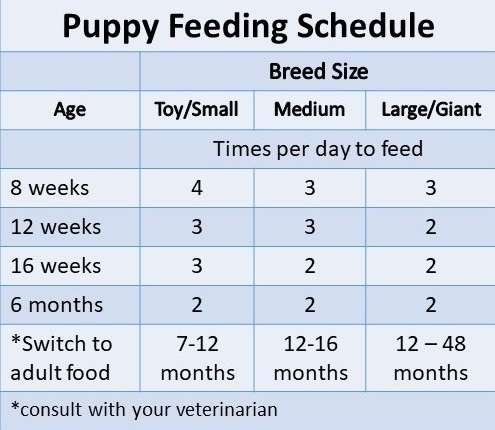
Small breed dogs, like Chihuahuas and Dachshunds, mature faster than larger breeds. They often reach adulthood by 9 to 12 months old. At this point, you can start transitioning them to adult food to meet their changing nutritional needs.
Because small breeds have higher metabolisms, their adult food usually contains more calories per serving. Have you noticed your small dog’s energy level shifting around their first birthday? That’s a good signal to consider the switch.
Medium Breeds
Medium breeds such as Beagles and Cocker Spaniels typically mature between 12 and 15 months. Transitioning to adult food around this age supports their steady growth without overfeeding.
Watch how your dog’s body changes—are they filling out but not growing taller? This is the right time to adjust their diet. Medium breeds benefit from balanced nutrition that supports muscle development and activity.
Large And Giant Breeds
Large and giant breeds like Labradors and Great Danes take longer to mature, often 18 to 24 months or more. Switching to adult food too early can stress their developing bones and joints.
These dogs need diets specifically designed to prevent rapid growth and reduce the risk of skeletal problems. Have you considered how the timing of this switch affects your dog’s long-term health? Patience here pays off.

Credit: jiminys.com
Choosing The Right Adult Food
Choosing the right adult food for your dog is important for their health and happiness. Adult dogs need a balanced diet that supports their energy and body functions. This choice depends on their breed, size, age, and any health issues. Feeding the correct adult food helps maintain their weight and keeps their coat shiny and skin healthy.
Nutritional Needs
Adult dogs require a mix of proteins, fats, carbohydrates, vitamins, and minerals. Protein supports muscle health and repair. Fats provide energy and help absorb vitamins. Carbohydrates supply fuel for daily activities. Vitamins and minerals keep bones strong and support the immune system. Choose food that fits the size and activity level of your dog for best results.
Special Diets And Sensitivities
Some dogs have allergies or sensitive stomachs. They may need grain-free or hypoallergenic food. Older dogs might require food with joint support ingredients. Dogs with weight issues benefit from low-calorie options. Consult your vet to find the best diet for your dog’s special needs. Watch for signs of intolerance like itching or upset stomach.
Reading Dog Food Labels
Labels reveal important information about dog food quality. Look for named meat sources like chicken or beef. Avoid foods with too many fillers such as corn or soy. Check for added vitamins and minerals. Ingredients are listed by weight, so the first few are the most important. Choose brands that meet AAFCO standards for complete nutrition.
Transitioning Your Dog’s Diet
Transitioning your dog’s diet to adult food is a crucial step that requires patience and attention. Sudden changes can upset your dog’s stomach or cause refusal to eat. Taking time to switch foods thoughtfully helps maintain your dog’s health and happiness.
Gradual Food Mixing
Start by mixing a small portion of adult food with your dog’s current diet. Over a week, slowly increase the amount of adult food while decreasing the old food. This gentle shift helps your dog’s digestive system adjust without shock.
For example, you might begin with 25% adult food and 75% puppy food, then move to 50/50 by day four or five. By the end of the week, your dog should be eating 100% adult food. Have you noticed how some dogs can be picky about new tastes? This slow mix can ease that transition.
Monitoring Reactions
Watch your dog closely during the diet change. Look for signs like vomiting, diarrhea, or changes in energy levels. These can indicate if the new food suits your dog or if adjustments are needed.
Keep a simple journal to track any symptoms and note how your dog responds to the new food. If you see persistent issues, consult your vet promptly. How often do you check your dog’s reaction to new foods? Paying attention can prevent bigger problems later.
Adjusting Portions
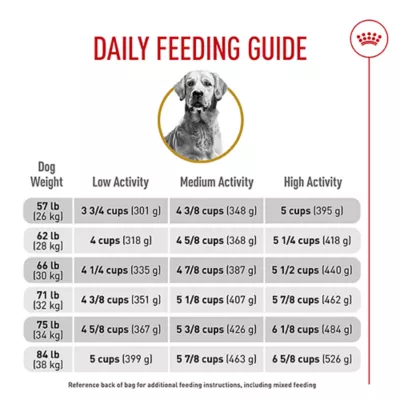
Adult dog food often has different calorie content than puppy food, so you may need to change portion sizes. Use the feeding guidelines on the package as a starting point, but adjust based on your dog’s weight and activity level.
For example, if your dog gains weight quickly, try reducing the portion slightly. Conversely, if your dog seems hungry or loses weight, increase the amount a bit. Have you measured your dog’s portions lately? Precise feeding helps avoid obesity and keeps your dog fit.
Common Mistakes To Avoid
Feeding your dog adult food is a big step in their growth. Many pet owners make mistakes during this change. These errors can cause health issues or discomfort for your dog. Avoiding common feeding mistakes helps keep your dog happy and healthy.
Switching Too Early
Some owners change to adult food before their dog is ready. Puppies need puppy food for proper growth and energy. Switching too soon can lead to nutrient shortages. Wait until your dog reaches the right age for their breed.
Ignoring Breed Differences
Different breeds grow at different speeds. Small breeds mature faster than large breeds. Large breeds need puppy food longer to support bone growth. Feed your dog according to their breed size, not just age.
Sudden Diet Changes
Changing food suddenly can upset your dog’s stomach. Digestive problems like diarrhea or vomiting can occur. Gradually mix adult food with puppy food over several days. This helps your dog’s system adjust smoothly.
Veterinarian Advice And Support
Veterinarians play a key role in deciding the right time to switch your dog to adult food. Their advice helps ensure your dog’s diet matches its health needs and life stage. Trusting professional guidance supports your dog’s well-being and growth.
Regular Health Checkups
Regular visits to the vet help track your dog’s growth and health. These checkups show if your dog is ready for adult food. The vet examines weight, energy, and overall condition. This information guides the timing of diet changes. Frequent health checks catch issues early and keep your dog healthy.
Tailored Feeding Plans
Vets create feeding plans that fit your dog’s unique needs. These plans consider breed, size, and activity level. They suggest the best adult food type and portion size. Personalized plans prevent overfeeding or nutrient gaps. Your dog gets exactly what it needs to thrive.
When To Seek Professional Help
Contact your vet if your dog shows unusual signs during diet change. Look for vomiting, diarrhea, or loss of appetite. Sudden weight loss or gain also needs attention. Early professional help avoids serious health problems. Trust your vet to adjust the feeding plan safely.
Credit: www.vetsupply.com.au
Frequently Asked Questions
When Is The Right Age To Start Adult Dog Food?
Most dogs transition to adult food between 12 to 18 months. Smaller breeds often switch earlier, around 12 months. Larger breeds may need up to 18 months. Consult your vet for personalized timing based on breed and health.
How To Tell If My Dog Needs Adult Food?
Signs include slowed growth, less energy, and stable weight. Puppies finish major growth phases around one year. Changing diet supports their mature metabolism and nutrient needs. Always observe behavior and consult your vet before switching foods.
Can I Mix Puppy And Adult Food During Transition?
Yes, gradually mix adult food with puppy food over 7 to 10 days. This helps your dog adjust without digestive upset. Start with mostly puppy food, then slowly increase adult food proportion until fully switched.
What Risks Come From Early Adult Food Feeding?
Feeding adult food too early can stunt growth and cause nutrient deficiencies. Puppies need higher protein and calories for development. Premature switching may lead to health problems. Follow vet advice for correct timing.
Conclusion
Feeding your dog adult food at the right time helps keep them healthy. Watch for signs like size, age, and energy changes. Every dog grows at its own pace. Choose good quality food that fits their needs. Changing food too early or late can cause problems.
Stay patient and observe your dog carefully. This simple step supports their strong bones and shiny coat. Healthy food equals a happy dog. Keep their diet balanced for long-term wellness. Trust your instincts and enjoy this new stage together.