
Leaving your dog alone can be stressful—for both of you. You want your furry friend to feel safe and calm when you’re not around, but getting there isn’t always easy.
What if your dog stops barking, chewing, or feeling anxious the moment you step out? Imagine coming home to a relaxed pet who’s happily waiting for you. This guide will show you simple, effective steps to help your dog feel comfortable being alone.
Keep reading, and discover how to turn those lonely moments into peaceful ones for your dog and yourself.
Benefits Of Alone Time
Teaching your dog to be comfortable alone offers more than just peace of mind during your absence. It builds a foundation for a happier and healthier pet. Alone time can transform your dog’s mental and emotional well-being in ways you might not expect.
Reducing Separation Anxiety
Separation anxiety causes distress for both you and your dog. Training your dog to enjoy alone time gradually eases this stress. When your dog learns that you will return and nothing bad happens during alone time, anxiety lessens.
You might notice fewer destructive behaviors like chewing or barking. This calmness means your dog feels safer and more secure. Imagine coming home to a relaxed pet instead of a frantic one.
Promoting Independence
Dogs that spend some time alone develop confidence and self-reliance. Your dog learns to entertain itself without constant attention from you. This independence helps your dog cope better with changes and new environments.
Consider how your dog reacts when visitors arrive or when you’re busy. An independent dog stays calm and adapts easily. Teaching alone time creates a balanced pet who doesn’t cling or demand nonstop interaction.
Improving Behavior
Regular alone time can improve your dog’s overall behavior. Dogs that rely less on you for constant stimulation tend to be calmer and better behaved. This reduces stress-related behaviors like excessive barking or jumping.
By encouraging alone time, you’re setting clear boundaries that your dog understands. This structure helps your dog learn patience and self-control. How might your daily routine improve with a dog that manages alone time well?

Credit: www.youtube.com
Preparing Your Dog
Preparing your dog to be alone is a crucial step that sets the foundation for their comfort and confidence. It’s not just about leaving them in a room; it’s about creating an environment where they feel secure and engaged even when you’re not around. How can you make this transition smooth and stress-free for your furry friend?
Creating A Safe Space
Your dog needs a spot that feels like their own little sanctuary. Choose a quiet area away from heavy foot traffic and loud noises. This space should have a comfortable bed or blanket where your dog can relax and feel protected.
Think about including a baby gate or a crate if your dog finds them calming, but never force them inside. The goal is to make this space inviting, so your dog willingly spends time there. Have you noticed how your dog reacts to different corners of your home? Use that insight to pick the best spot.
Choosing Toys And Comfort Items
What keeps your dog happily occupied? Pick toys that match their chewing style and play preferences. Puzzle toys that dispense treats or chew toys can help reduce anxiety and boredom during alone time.
Comfort items like a favorite blanket or even an old t-shirt with your scent can soothe your dog. I once placed my worn-out sweatshirt in my dog’s crate, and it visibly calmed her down. Don’t underestimate the power of familiar smells.
Setting A Routine
Dogs thrive on predictability. Establish a daily routine that includes regular feeding times, walks, and play sessions before alone time. This consistency helps your dog understand when to expect you to leave and return.
Try to keep your departures and arrivals low-key to avoid creating excitement or stress around these moments. Have you noticed how your dog reacts when your leaving routine changes? Sticking to a schedule can make a big difference.
Starting Small
Starting small is key to training your dog to be alone. Dogs need time to adjust to being by themselves. Begin with brief periods and gradually increase them. This helps prevent anxiety and builds confidence.
Short Absences
Begin with short absences. Step outside for a few minutes. Your dog learns you’ll return. Repeat this several times a day. Consistency is crucial for success. Use calm energy when leaving and returning. This helps your dog stay relaxed.
Using Positive Reinforcement
Positive reinforcement makes training effective and enjoyable. Reward your dog with treats or praise for calm behavior. Use toys or treats as distractions. This keeps your dog engaged and reduces stress. Rewards create a positive association with being alone.
Gradual Increase In Duration
Slowly increase the time you are away. Move from minutes to hours over weeks. Monitor your dog’s behavior during absences. Signs of stress mean you should slow down. Patience is important for lasting results.
Managing Stress Signals
Managing your dog’s stress when they are alone is key to helping them feel safe and secure. Stress signals often come early, giving you a chance to help before anxiety takes hold. Understanding these signs and knowing how to respond can make a huge difference in your dog’s comfort and your peace of mind.
Recognizing Anxiety Signs
Your dog won’t always bark or whine loudly when stressed. Look for subtle signals like pacing, excessive licking, or yawning. These can be early warnings that your dog is uncomfortable.
Chewing on furniture or trying to escape might mean anxiety is increasing. Notice changes in behavior, such as loss of appetite or hiding. Can you spot these signs in your dog before leaving them alone?
Calming Techniques
Try creating a calm environment by playing soft music or using a white noise machine. Leaving a piece of your clothing with your scent nearby can comfort your dog.
Interactive toys or treat puzzles can distract your dog and keep their mind occupied. Practice short alone times and gradually increase them to build confidence. Have you tried these simple tricks to ease your dog’s stress?
When To Seek Professional Help
If your dog’s anxiety leads to destructive behavior or self-harm, it’s time to get expert advice. A professional trainer or veterinarian can offer tailored strategies or medication if needed.
Don’t wait until the problem worsens—early help often means quicker progress. How would you know if your dog’s stress is more than just occasional nervousness?
Using Training Tools
Training tools can make a big difference when teaching your dog to be comfortable alone. They provide structure, comfort, and mental stimulation that help reduce anxiety and boredom. Using the right tools, you can create a safe and positive environment for your dog while you’re away.
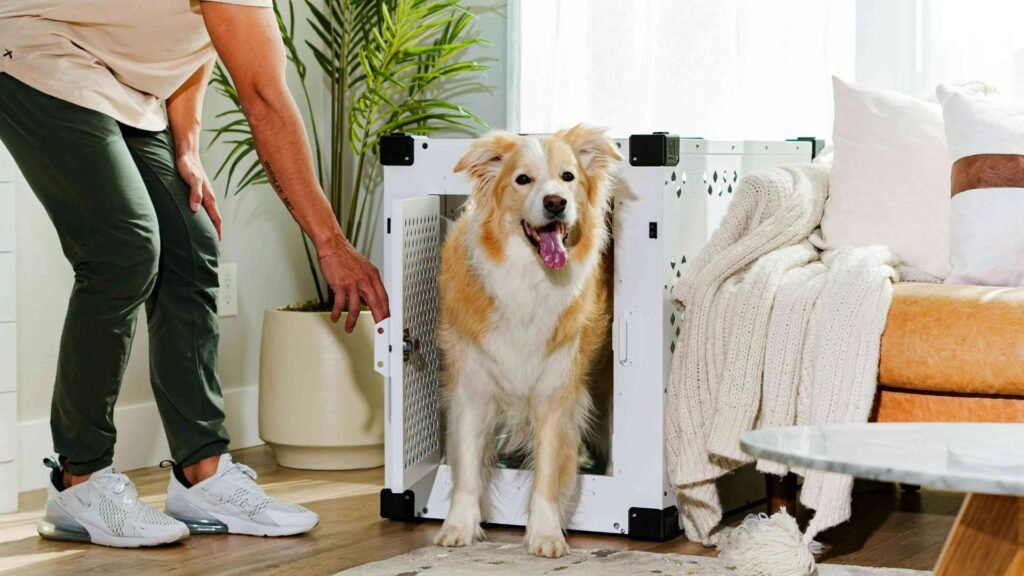
Crate Training
A crate can be your dog’s personal safe space. It helps them feel secure and prevents destructive behavior. Make the crate inviting by adding a soft blanket and some favorite toys.
Start by letting your dog explore the crate freely. Reward them with treats when they enter. Gradually increase the time they spend inside while you are nearby, then slowly move away for short periods.
Have you noticed your dog relaxing in their crate even when you’re not home? That’s a sign they see it as a cozy retreat, not a punishment.
Interactive Toys
Interactive toys keep your dog’s mind busy and distract them from loneliness. Puzzle feeders and treat-dispensing toys challenge their problem-solving skills. This mental workout can tire them out more than physical exercise.
Rotate the toys regularly to keep them interesting. Fill them with your dog’s favorite treats to encourage engagement. Watch how your dog’s focus shifts from feeling anxious to excited anticipation.
Which toys does your dog spend the most time with when alone? Observing their preferences helps you pick the best ones to keep them entertained.
Background Sounds
Background sounds can calm your dog by mimicking the presence of people. Soft music, white noise, or even a TV show can reduce feelings of isolation. Choose sounds that are gentle and consistent.
Test different volumes and types of sounds to see what your dog prefers. Some dogs respond well to classical music, while others might find nature sounds soothing.
Have you ever noticed your dog’s behavior change with background noise? It might be the simple comfort they need to relax when alone.
Credit: hellopetsinc.com
Consistency And Patience
Consistency and patience form the foundation of training your dog to be alone. Dogs thrive on routine and clear expectations. Sudden changes or mixed signals confuse them. Patience helps you stay calm during setbacks. Training takes time, but steady effort pays off.
Maintaining A Schedule
Set specific times for leaving and returning home. Keep feeding, walking, and playtimes regular. A steady routine helps your dog feel safe and understand what to expect. Predictable patterns reduce anxiety and build trust.
Avoiding Negative Reactions
Stay calm when leaving or coming back. Avoid long goodbyes or overly excited greetings. These actions can increase your dog’s stress. Show confidence and quiet confidence. Your calm behavior reassures your dog that being alone is normal.
Tracking Progress
Write down your dog’s reactions during each training session. Note how long they stay calm and when they get anxious. Tracking helps you see small improvements. Adjust your training based on what works best for your dog. Celebrate every success, no matter how small.
Credit: theonlinedogtrainer.com
Frequently Asked Questions
How Long Should I Leave My Dog Alone Initially?
Start by leaving your dog alone for 5 to 10 minutes. Gradually increase the time as they get comfortable. This helps reduce separation anxiety and builds confidence in being alone safely.
What Are Signs Of Separation Anxiety In Dogs?
Signs include excessive barking, destructive behavior, pacing, and drooling. Some dogs may try to escape or show depression. Recognizing these helps address anxiety early with proper training.
How Can I Make My Dog Comfortable When Alone?
Provide toys, a cozy bed, and background noise like soft music. Create a safe space and maintain a consistent routine. These steps reduce stress and keep your dog calm.
Is Crate Training Useful For Being Alone?
Yes, crate training creates a safe, familiar space for your dog. It helps them feel secure and reduces anxiety during alone time. Introduce the crate gradually with positive reinforcement.
Conclusion
Training your dog to stay alone takes time and patience. Start small and increase time slowly. Always reward calm behavior to encourage good habits. Keep a safe and comfortable space for your dog. Avoid rushing the process to prevent stress.
Remember, each dog learns in its own way. Consistency and kindness build trust and confidence. Soon, your dog will enjoy quiet time alone happily. Stay calm and positive throughout the training. This helps your dog feel safe and relaxed. Training alone time strengthens your bond with your pet.