

Imagine having a loyal companion who can sense danger before it strikes—especially when that danger is a seizure. If you or someone you love experiences seizures, training a dog to detect these episodes can bring peace of mind and safety like never before.
You might wonder how this is even possible, or where to start. This guide will show you simple, effective steps to train your dog to recognize the signs of a seizure. Keep reading, and discover how you can turn your furry friend into a life-saving partner.

Credit: www.dogileptic.com
Seizure Alert Dogs
Seizure alert dogs play an incredible role in the lives of people with epilepsy or other seizure disorders. These specially trained dogs can sense when a seizure is about to happen, giving their owners crucial time to prepare or get to a safe place. Their presence offers not only practical help but also emotional support, helping reduce anxiety and improve quality of life.
Role And Benefits
Seizure alert dogs serve as early warning systems, detecting subtle changes in behavior or scent before a seizure occurs. This early alert can allow you to take medication, move to a safe spot, or call for assistance. Beyond safety, these dogs provide companionship and reduce feelings of isolation.
Many owners report feeling more confident and independent with a seizure alert dog by their side. The dogs also help by reminding their owners to take medication on time or fetching help during or after a seizure. Have you considered how much peace of mind a dog like this could bring to your daily routine?
Types Of Seizure Alerts
- Pre-Seizure Alert:The dog senses subtle physical or chemical changes before the seizure starts, such as changes in scent or behavior. This alert usually comes minutes or even hours in advance.
- During-Seizure Response:Some dogs are trained to stay close, gently nudge, or lick their owner to provide comfort and prevent injury during the seizure.
- Post-Seizure Assistance:After a seizure, dogs can help by fetching medication, activating an alert system, or guiding their owner to a safe place.
Understanding the type of alert your dog can provide helps tailor the training to your specific needs. Have you noticed any changes in your dog’s behavior that could be a sign of natural alerting ability? Observing these can be the first step in training your dog to become your seizure alert partner.
Selecting The Right Dog
Choosing the right dog is crucial when training them to sense seizures. Not every dog has the natural ability or temperament to pick up subtle changes in human behavior or scent. Understanding what makes a dog suitable helps you focus your efforts and increases the chances of success.
Ideal Breeds
Some breeds stand out because of their strong scent detection skills and eagerness to work alongside humans. Dogs like Labrador Retrievers, German Shepherds, and Golden Retrievers often excel in medical alert training.
These breeds have been used in various service roles, including search and rescue or therapy, showing their ability to learn complex tasks. However, mixed breeds with similar traits can also be great candidates.
- Labrador Retriever:Known for their friendly nature and strong noses.
- German Shepherd:Intelligent and quick learners with a protective instinct.
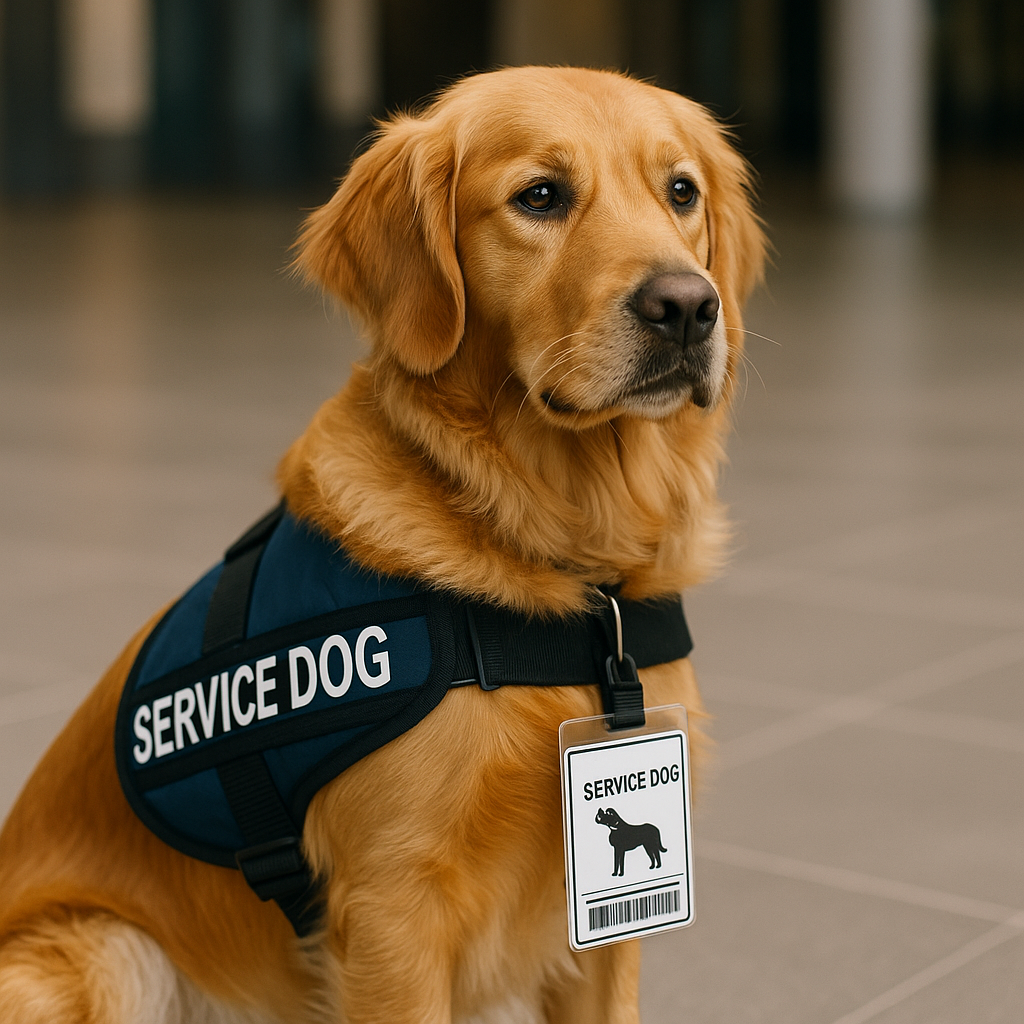
- Golden Retriever:Gentle, patient, and highly trainable.
- Poodle:Highly intelligent and hypoallergenic, good for sensitive households.
Think about your lifestyle and environment too. Would a larger dog fit comfortably into your home? Could a more active breed match your daily routine?
Temperament Traits
The right temperament matters just as much as breed. A dog that is calm, attentive, and focused will pick up seizure cues better than one that’s easily distracted or overly anxious.
Look for dogs that show curiosity and a strong desire to please. These traits help them stay engaged during training and alert you when they sense something is wrong.
- Calmness:Helps the dog remain steady during seizures and alert you without panic.
- Focus:Ability to notice small changes in your behavior or scent.
- Sociability:Comfort with close human interaction is essential.
- Trainability:Willingness to learn and respond consistently.
Ask yourself: Does this dog stay calm in unusual situations? Can it pay attention to you for extended periods? These questions guide your selection beyond appearance or popularity.
Training Foundations
Training a dog to sense seizures requires patience and consistency. Focus on teaching the dog to recognize specific scents and behaviors linked to seizures. Positive reinforcement helps the dog respond confidently and reliably.
Training a dog to sense seizures requires a strong foundation. This involves understanding basic commands and building trust. These elements are crucial for successful seizure alert training. They create a bond between the dog and the owner, ensuring the dog’s effectiveness.Basic Obedience
Start with teaching simple commands. Dogs should respond to “sit,” “stay,” and “come.” Consistent practice is key. Use positive reinforcement like treats and praise. Keep sessions short to maintain focus. This keeps the dog engaged and eager to learn.Building Trust
Trust is essential between a dog and its owner. Spend quality time together. Play, walk, and bond daily. This strengthens the dog’s confidence in you. A trusting relationship enhances communication. It helps the dog feel secure and attentive to your needs.Recognizing Seizure Signs
Recognizing seizure signs is crucial for training a dog to sense seizures effectively. Dogs must learn to identify subtle signals before a seizure happens. These signals can be physical, behavioral, or related to scent changes. Understanding these signs helps trainers guide dogs to respond appropriately. This section covers common pre-seizure behaviors and how dogs use scent detection to sense seizures.
Common Pre-seizure Behaviors
Many people show certain behaviors before a seizure. Dogs can be trained to notice these changes. Common signs include:
- Restlessness or pacing
- Confusion or staring
- Sudden anxiety or fear
- Changes in breathing or heart rate
- Muscle twitching or jerking
These behaviors often occur minutes before a seizure. Training dogs to watch for these helps them alert their owner early.
Scent Detection
Dogs have a powerful sense of smell. They can detect chemical changes in the body before a seizure. These changes release unique scents that dogs recognize.
Training involves exposing dogs to these scents in a controlled way. Over time, dogs learn to associate the scent with an upcoming seizure. This allows them to warn their owner ahead of time.
Scent Training Techniques
Scent training is a key part of teaching dogs to sense seizures. Dogs have a strong sense of smell. They can detect changes in human scent that happen before a seizure. Training focuses on helping dogs recognize these unique smells. It takes patience and clear steps. Using proper scent training techniques builds a strong foundation for success.
Scent Collection Methods
Collecting the correct scent is very important. Use items that carry the person’s natural smell during or before a seizure. Common items include:
- Clothing worn during a seizure
- Used bedding or pillowcases
- Skin swabs from the person’s arm or neck
- Saliva samples on cotton pads
Store these scent samples in clean, airtight containers. Avoid mixing scents to keep samples pure. Label containers with the date and time of collection. Fresh scents usually work better than old ones. Keep samples in a cool, dry place to preserve the smell.
Introducing The Seizure Scent
Start by letting the dog sniff the collected scent. Allow the dog to explore the scent calmly. Reward the dog immediately when it shows interest. Use treats or praise to create a positive connection. Repeat this exposure several times over days or weeks.
Next, teach the dog to alert when it smells the seizure scent. Use commands like “alert” or “focus.” Reward the dog every time it responds correctly. Practice with distractions to improve the dog’s focus. This step helps the dog link the scent with the alert behavior.
Alert Behavior Training
Alert behavior training is a crucial part of teaching your dog to sense seizures. It focuses on helping your dog recognize early signs and communicate them clearly to you. This training builds a reliable way for your dog to notify you before a seizure starts, potentially giving you valuable time to prepare.
Teaching Alert Signals
Start by observing your dog’s natural reactions when you show subtle pre-seizure symptoms, like changes in your scent or behavior. Encourage your dog to perform a specific alert action, such as pawing, nudging, or barking, whenever they sense these signs.
You can use a simple cue like “alert” paired with the behavior you want. For instance, when your dog nudges your hand after you mimic pre-seizure signs, say “alert” and reward immediately. This helps your dog connect the behavior with the alert command.
Consistency is key here. Repeating this process daily reinforces the connection between the early signs and the alert behavior. Have you noticed your dog already reacting differently at certain moments? That’s your starting point.
Reinforcement Strategies
Positive reinforcement motivates your dog to repeat the alert behavior reliably. Use treats, praise, or playtime right after your dog performs the alert action. Timing is critical—reward immediately to strengthen the association.
Vary your rewards to keep your dog interested. Sometimes use a favorite treat, other times offer a quick game or affectionate petting. This variety prevents your dog from losing enthusiasm over time.
Patience matters as much as rewards. If your dog misses a cue or alerts incorrectly, avoid punishment. Instead, calmly redirect and reward the correct behavior when it happens. How would your dog respond if training felt like a fun game instead of a chore?
Socialization And Distraction Training
Socialization helps dogs become comfortable around people and new environments. Distraction training teaches them to focus despite outside stimuli. Together, these skills prepare dogs to detect subtle changes before a seizure occurs.
Training a dog to sense seizures isn’t just about teaching commands or rewarding with treats. It’s also about creating an environment where your dog can thrive, adapt, and focus. Socialization and distraction training are key elements in ensuring your dog is well-equipped to detect seizures. These exercises not only help your dog become familiar with various situations but also teach them to maintain focus amidst chaos.Exposure To Different Environments
Expose your dog to a variety of environments. Take them to parks, bustling streets, and quiet neighborhoods. The idea is to make them comfortable with different sights, sounds, and smells. This broad exposure helps your dog stay calm and attentive no matter where they are, which is crucial when they need to alert you to a seizure. Consider the time when I took my dog to a busy farmer’s market. The mix of scents and sounds was overwhelming, but gradually he learned to stay focused on me.Maintaining Focus
One of the most challenging aspects is teaching your dog to maintain focus amidst distractions. Start with simple exercises in a low-distraction environment. Gradually introduce more distractions like other dogs or loud noises. Use commands like “watch me” or “stay” to reinforce their focus. Reward them with treats and praise when they succeed. Your dog’s ability to maintain focus can be the difference between missing a seizure warning and successfully alerting you. Have you ever wondered how some dogs can ignore everything around them and focus solely on their handler? That’s the power of effective distraction training. Incorporating these techniques into your routine can significantly improve your dog’s ability to assist in seizure detection. How will you tailor these strategies to suit your dog’s unique personality and needs?
Credit: purrfectgrooming.pet
Safety And Emergency Response
Training a dog to sense seizures is a powerful way to enhance safety and emergency response for those affected. Your dog not only becomes a loyal companion but also a vigilant guardian. Understanding how your dog can assist during seizures and knowing the right emergency protocols ensures you are prepared for critical moments.
Assisting During Seizures
Your dog’s role during a seizure goes beyond alerting you beforehand. They can help create a safer environment by gently nudging or positioning themselves to prevent injury. For example, a well-trained dog might place their body between you and sharp objects or pull away loose clothing that could cause harm.
Teaching your dog to stay calm and close by can also prevent others from crowding around you, which might increase stress or risk. Have you noticed how your dog’s presence alone can soothe you? This calming effect is a vital part of their assistance.
Emergency Protocols
Clear emergency protocols are essential to make the most of your dog’s abilities. Start by teaching your dog specific cues that signal when to seek help, such as barking or fetching a phone. This requires consistent training and positive reinforcement to ensure your dog understands the urgency.
Additionally, ensure your emergency contacts know how to respond when your dog alerts them. You might create a simple checklist for responders, including:
- Calling emergency services immediately
- Knowing basic seizure first aid
- Contacting your family or caregiver
Have you prepared your dog and your network for these moments? Practicing these protocols regularly can make a life-saving difference.
Ongoing Training And Evaluation
Training a dog to sense seizures is not a one-time event; it requires ongoing effort to keep your dog sharp and reliable. This continuous process ensures your dog stays confident in detecting seizures and responding appropriately. Consistent training and careful evaluation help you spot any changes in performance early on.
Regular Practice Sessions
Set aside short, frequent training sessions rather than long, exhausting ones. Dogs learn best when exercises are fun and engaging, so keep sessions lively and positive. You might practice scent recognition or response commands several times a week to reinforce their skills.
Try mixing up the environment during practice. Train indoors one day and outdoors the next to help your dog generalize their detection abilities. Have you noticed how your dog’s alertness changes in different settings? Use those insights to adjust your training.
Monitoring Performance
Keep a simple log of your dog’s responses during both training and real-life situations. Record details like the time, type of alert, and your dog’s behavior afterward. This log helps you identify patterns and areas needing improvement.
Watch for signs of fatigue or loss of interest, which could affect accuracy. If your dog seems distracted or less responsive, it may be time to tweak your training approach. What small changes could boost your dog’s focus and enthusiasm?
Regular check-ins with a professional trainer or a medical expert can provide valuable feedback. They can spot subtle issues you might miss and suggest adjustments to keep your dog’s skills sharp. Your dog’s ability to help depends on your commitment to consistent, careful training and evaluation.
Credit: www.nsarco.com
Working With Professionals
Training a dog to sense seizures is a complex task that requires more than just basic obedience skills. Working with professionals can make a significant difference in your dog’s ability to recognize subtle changes in your behavior or scent before a seizure occurs. Collaborating with experts ensures that both you and your dog get the right support, guidance, and tools throughout the training process.
Hiring Trainers
Finding a trainer who specializes in seizure alert dogs is crucial. These professionals understand the specific behaviors your dog needs to learn and how to reinforce them effectively.
Look for trainers with experience in medical alert training. They often use positive reinforcement techniques to teach dogs how to identify seizure cues and respond appropriately.
Ask about their success stories and if they offer ongoing support after the initial training period. A good trainer will work closely with you to tailor the program to your dog’s unique personality and your medical needs.
Consulting Medical Experts
Your healthcare provider plays a key role in this process. They can help identify the early signs of your seizures, which your dog needs to detect.
Share detailed information about your seizure patterns and symptoms with both your doctor and trainer. This collaboration helps create a more accurate training plan for your dog.
Doctors can also advise on safety measures and alert you to any changes in your condition that might affect your dog’s training. Would you consider regular check-ins with your medical team as part of your dog’s ongoing education?
Frequently Asked Questions
How Do Dogs Sense Seizures Before They Happen?
Dogs sense seizures by detecting subtle changes in body odor and behavior. Their acute sense of smell picks up chemical changes. They also notice unusual body movements or anxiety in their owner. This early detection helps alert caregivers to provide timely assistance.
What Breeds Are Best For Seizure Detection Training?
Breeds like Labrador Retrievers, Golden Retrievers, and German Shepherds are ideal. These breeds have high intelligence, trainability, and strong scent detection abilities. Their calm nature also makes them suitable for assisting people with seizures effectively and reliably.
How Long Does It Take To Train A Seizure Alert Dog?
Training a seizure alert dog typically takes 6 to 12 months. It involves scent imprinting, obedience, and alert behavior conditioning. Consistent practice and positive reinforcement are essential. Time varies depending on the dog’s breed, temperament, and trainer’s expertise.
Can Any Dog Be Trained To Sense Seizures?
Not all dogs are suitable for seizure detection training. Dogs must have a strong sense of smell, high intelligence, and a calm temperament. Trainers assess these traits before starting. Suitable dogs learn faster and perform more reliably.
Conclusion
Training a dog to sense seizures takes time and patience. Consistent practice helps dogs learn important signals. These dogs can provide comfort and early warnings. Their help improves safety for people with epilepsy. Small steps lead to strong, trusting bonds.
Anyone can teach their dog with care. The process is rewarding for both dog and owner. Keep training simple and positive every day. Your dog’s alertness can make a big difference. This skill offers hope and support to many.