Are you feeding your adult dog puppy food and wondering if it’s okay? It might seem harmless, even helpful, to give your furry friend the same food they ate as a puppy.
But here’s the truth: puppy food can actually cause problems for adult dogs. If you want your dog to stay healthy, energetic, and happy, understanding why puppy food isn’t the best choice is crucial. Keep reading to discover the hidden risks and what you should be feeding your adult dog instead.
Your dog’s well-being depends on it!
Nutritional Differences
Adult dogs have different nutritional needs than puppies. Puppy food is designed to support growth and development. Its nutrients are tailored for young, active dogs. Feeding adult dogs puppy food can cause health problems. The main reason lies in the nutritional differences between the two types of food.
Higher Calories And Fat
Puppy food contains more calories to fuel growth. It has higher fat content for energy and brain development. Adult dogs require fewer calories to maintain weight. Extra calories can lead to obesity and joint stress. Too much fat may cause digestive upset or pancreatitis.
Excessive Protein Levels
Puppies need more protein to build muscles and tissues. Puppy food has higher protein levels than adult formulas. Adult dogs do not need this much protein daily. Excess protein can strain kidneys and liver over time. It may also cause weight gain and other issues.
Vitamins And Mineral Imbalance
Puppy food includes extra vitamins and minerals for bone growth. Calcium and phosphorus levels are higher to support strong bones. Adult dogs need balanced amounts to avoid health risks. Too much calcium can cause joint problems in adults. Vitamin and mineral imbalances affect overall health and well-being.
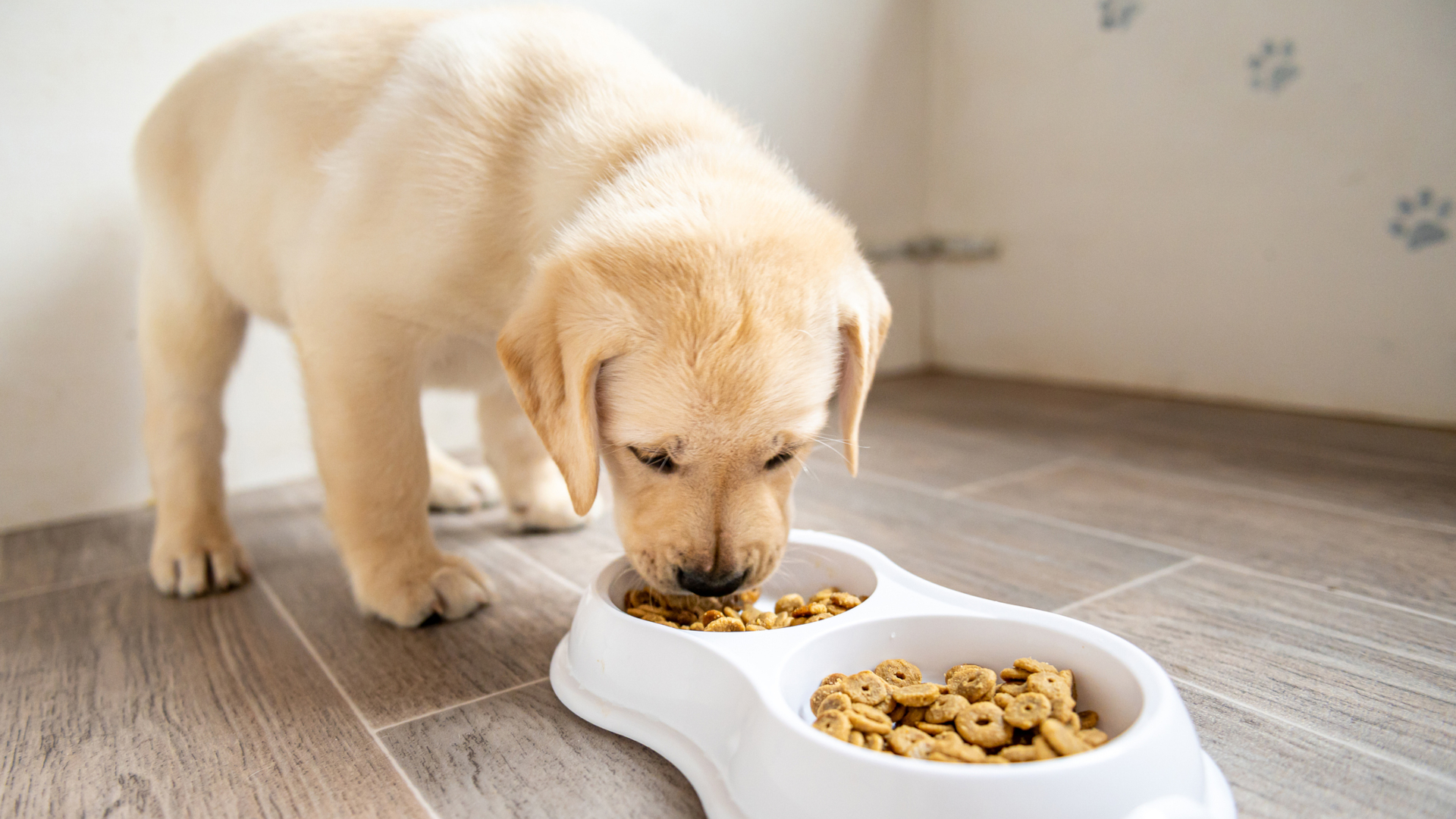
Credit: www.petsradar.com
Digestive Issues
Feeding your adult dog puppy food can lead to several digestive problems. Puppy formulas are designed with higher protein and fat levels to support rapid growth, which can overwhelm an adult dog’s digestive system. Understanding these issues helps you make better choices for your dog’s diet and health.
Overloading The Adult Dog’s System
Puppy food contains more calories, protein, and fat than adult dog food. An adult dog’s digestive system isn’t built to handle this excess, which can cause strain. You might notice your dog feeling sluggish or experiencing weight gain because their body struggles to process the richer diet.
Think about how your own stomach reacts when you eat more than usual or richer food than normal. Your dog’s system can react similarly but may show symptoms like discomfort or irregular bowel movements. Have you ever seen your dog act uneasy after eating? This could be a sign of overloading.
Potential For Gastrointestinal Upset
High-fat content in puppy food can trigger gastrointestinal upset in adult dogs. This might include vomiting, diarrhea, or gas. These symptoms are not just uncomfortable—they can lead to dehydration and more serious health issues if left unaddressed.
Adult dogs also have different nutrient needs, and the imbalance from puppy food can disrupt their gut bacteria. This imbalance can cause ongoing digestive problems, making your dog less happy and less healthy. If your dog’s digestion seems off, ask yourself if their diet might be the cause.
Weight Gain And Obesity
Puppy food contains extra calories and nutrients designed for growing dogs. Feeding it to adult dogs can cause weight gain and obesity. Adult dogs need balanced food to maintain healthy weight and avoid health problems.
Weight gain and obesity are significant concerns for adult dogs consuming puppy food. Puppy food is designed to support the rapid growth and high energy needs of young dogs. When adult dogs consume this high-calorie diet, it can lead to excessive weight gain and obesity, which brings along a host of health issues.Calorie Surplus Effects
Puppy food contains a higher calorie content to fuel the growth spurts of young dogs. Adult dogs, however, have slower metabolisms and lower energy requirements. Feeding them puppy food results in a calorie surplus that their bodies can’t efficiently burn. The excess calories are stored as fat, quickly leading to weight gain. Imagine the frustration of trying to maintain your dog’s weight while unknowingly feeding them extra calories every day.Long-term Health Consequences
Carrying extra weight can lead to serious health problems for your dog. Obesity in dogs is linked to conditions like diabetes, heart disease, and joint issues. Each extra pound can exacerbate these conditions, potentially shortening your dog’s lifespan. Wouldn’t you want to ensure your furry friend stays healthy and happy for as long as possible? By switching to an appropriate adult dog food, you can help prevent these long-term health consequences and keep your dog in optimal health.Organ Stress
Puppy food is designed to fuel rapid growth, packed with extra nutrients and calories. But feeding it to adult dogs can put serious stress on their organs. Over time, this strain can lead to health problems that are often hidden until they become severe.
Kidney And Liver Impact
Your dog’s kidneys and liver work hard to filter toxins and process nutrients. Puppy food usually contains higher levels of protein and fat, which can overwhelm these organs in an adult dog. This extra workload may cause your dog’s kidneys and liver to wear out faster, leading to conditions like kidney disease or liver dysfunction.
Think about your own experience after eating too much rich food—your body feels sluggish, right? It’s similar for your dog’s organs. Overloading them with puppy food nutrients can cause long-term damage that might not show until it’s too late.
Heart Health Concerns
Adult dogs have different heart health needs than puppies. Puppy food often has unbalanced mineral levels, like too much calcium and phosphorus, which can affect your dog’s heart function. This imbalance can increase the risk of heart problems, especially in breeds prone to cardiac issues.
Have you noticed changes in your dog’s energy or breathing after switching foods? It might be a sign that their heart is under stress. Choosing the right food for your dog’s age helps keep their heart strong and supports overall wellness.
Behavioral Effects
Feeding adult dogs with puppy food can cause changes in their behavior. Puppy food has more calories and nutrients to support growth. Adult dogs do not need this extra energy. This difference can affect how they act day to day. Understanding these behavioral effects helps keep your dog healthy and happy.
Increased Energy And Hyperactivity
Puppy food contains high levels of protein and fat. These nutrients give puppies the energy to grow fast. For adult dogs, this much energy can cause problems. They may become restless and overly active. Simple walks may turn into bursts of running or jumping. Hyperactivity can also lead to difficulty in training and calming down.
Disruption Of Normal Eating Patterns
Adult dogs need fewer calories than puppies. Eating puppy food can make them feel hungry more often. This causes them to beg or search for food more. Some dogs may even refuse their regular meals. The extra richness can upset their stomachs and create irregular eating habits. Over time, this disrupts the natural rhythm of eating and digestion.

Credit: www.petscare.com
When Puppy Food Might Be Appropriate
Puppy food is designed with high calories and nutrients to support rapid growth, which is why it’s generally not ideal for adult dogs. However, there are specific situations where feeding puppy food to an adult dog might actually help rather than harm. Understanding these exceptions can guide you in making better nutrition choices for your furry friend.
Underweight Adult Dogs
Sometimes adult dogs struggle to maintain a healthy weight due to illness, stress, or a fast metabolism. Puppy food’s higher calorie content can provide the extra energy they need to gain weight safely.
If your dog has lost weight recently and isn’t eating enough, switching to puppy food for a short period can help restore their strength. Just make sure to monitor their progress and adjust the diet once they reach a healthy weight.
Veterinary Recommendations
Your vet might suggest puppy food in special cases beyond just growth stages. For example, dogs recovering from surgery or illness might need nutrient-dense food that puppy formulas offer.
Always follow your vet’s advice on diet changes. They can recommend the right duration and type of puppy food that fits your dog’s unique health needs without causing nutritional imbalances.
Choosing The Right Adult Dog Food
Choosing the right adult dog food is crucial for your pet’s health and happiness. Adult dogs need different nutrients than puppies. Feeding puppy food to an adult dog can lead to weight gain and nutrient imbalances. Understanding what adult dogs need helps you select the best food for them.
Nutritional Needs By Age
Adult dogs require fewer calories than puppies. Their growth slows down, so excess protein and fat can cause problems. Adult dog food usually has balanced protein, fat, and fiber levels. This supports a healthy weight and good digestion. Senior dogs may need even lower calories and more joint support nutrients.
Reading Dog Food Labels
Labels show important information about ingredients and nutrition. Look for foods labeled “complete and balanced” for adult dogs. Check the guaranteed analysis for protein, fat, and fiber percentages. Avoid foods with too many fillers or artificial additives. Ingredients are listed by weight; the first few matter most.
Consulting With A Veterinarian
Your vet knows your dog’s health best. They can recommend food based on age, weight, and health issues. Some dogs need special diets for allergies or medical conditions. Regular check-ups help adjust food as your dog ages. Trust your vet’s advice to keep your dog healthy.

Credit: www.becopets.com
Frequently Asked Questions
Why Is Puppy Food Unsuitable For Adult Dogs?
Puppy food contains extra calories and nutrients tailored for growth. Adult dogs need balanced nutrition without excess protein and fat, which can cause weight gain and health issues over time.
Can Adult Dogs Digest Puppy Food Properly?
Adult dogs can digest puppy food, but the nutrient imbalance may stress their metabolism. High fat and protein levels can lead to digestive upset and long-term health problems if fed regularly.
What Health Risks Come From Feeding Adult Dogs Puppy Food?
Feeding adult dogs puppy food can cause obesity, digestive issues, and kidney strain. Long-term feeding may lead to joint problems and nutrient imbalances, affecting overall health and longevity.
How Does Adult Dog Food Differ From Puppy Food?
Adult dog food has controlled calories and balanced nutrients for maintenance. Puppy food is richer in protein, fat, and calories to support rapid growth and development stages.
Conclusion
Adult dogs need food made just for them. Puppy food has too many nutrients for grown dogs. This can cause weight gain and health issues. Feeding the right food keeps your dog healthy and happy. Always choose adult dog food to match their needs.
Your dog will feel better and have more energy. Good food helps your dog live a longer life. Keep their diet balanced and suitable for their age. This simple change makes a big difference in their health.