Are you wondering if puppy food is safe for your adult dog? It’s a common question for many dog owners who want the best nutrition for their furry friends.
Feeding the right food is crucial for your dog’s health and happiness. But can the food designed for growing puppies meet the needs of your adult dog? Keep reading to discover the surprising facts and expert tips that will help you make the best choice for your pet’s diet.
Your dog’s wellbeing depends on it!

Credit: www.petscare.com
Nutritional Differences Between Puppy And Adult Dog Food
Understanding the nutritional differences between puppy and adult dog food is key to deciding if puppy food is safe for your grown dog. These differences affect your dog’s health, energy, and overall well-being. Let’s break down the main nutritional elements that set these foods apart.
Calorie And Protein Content
Puppy food packs more calories to support rapid growth and high energy levels. It contains higher protein percentages to build muscles and tissues quickly. Adult dogs need fewer calories and less protein since their growth phase is over. Feeding an adult dog puppy food regularly can lead to weight gain and strain on kidneys due to excess protein.
Vitamin And Mineral Balance
Puppy food is enriched with vitamins and minerals like calcium and phosphorus to promote strong bones and teeth. These nutrients are balanced differently in adult dog food to maintain health without encouraging excessive growth. Too many minerals, especially calcium, in adult dogs can cause joint problems or kidney issues. Have you checked if your dog’s current food matches their life stage needs?
Fat Levels And Digestibility
Higher fat content in puppy food provides the extra energy puppies require. Adult dog formulas usually have moderate fat levels to keep weight in check. Puppy food can be harder for adult dogs to digest due to richer fat and calorie content. If your dog shows digestive upset after eating puppy food, it might be a sign to switch back to adult-specific formulas.
Potential Risks Of Feeding Puppy Food To Adult Dogs
Feeding puppy food to adult dogs might seem harmless at first glance, but it can lead to several health issues over time. Puppy formulas are designed to support rapid growth and high energy needs, which differ significantly from the nutritional requirements of adult dogs. Understanding these risks can help you make better choices for your dog’s diet and overall well-being.
Weight Gain And Obesity
Puppy food contains more calories and fats to fuel growth, which can cause your adult dog to gain unwanted weight quickly. Excess calories that aren’t burned off turn into fat, leading to obesity. Have you noticed your dog gaining weight despite no change in activity? It might be the food that’s the culprit.
Carrying extra weight puts stress on joints and can lower your dog’s energy levels. If you want your dog to stay active and healthy, switching to an adult-appropriate diet is essential.
Digestive Issues
Puppy food is richer and denser, which can upset an adult dog’s digestive system. You might see signs like diarrhea, vomiting, or gas after feeding them puppy food. These symptoms happen because adult dogs have different enzyme levels and gut flora compared to puppies.
Keeping your dog comfortable means feeding the right type of food tailored to their age. Have you observed any digestive changes after changing your dog’s food?
Long-term Health Concerns
Consistently feeding adult dogs puppy food can contribute to chronic problems such as joint stress and heart issues. The extra calcium and phosphorus meant for growing bones can overload mature bones and organs. This overload might increase the risk of arthritis and other complications as your dog ages.
Are you willing to risk your dog’s future health for convenience? Choosing a diet that matches your dog’s current life stage supports their long-term vitality and happiness.
Situations Where Puppy Food Might Be Beneficial
Puppy food can help adult dogs during growth recovery or illness when extra nutrients are needed. It provides higher protein and fat, supporting energy and healing in special cases.
Situations Where Puppy Food Might Be Beneficial Choosing the right food for your dog can sometimes feel like navigating a maze. While puppy food is formulated for young dogs, there are certain circumstances where it might actually benefit your adult dog. Let’s explore a few situations where feeding your adult dog puppy food could be a good idea.Pregnant Or Nursing Dogs
Pregnant or nursing dogs have unique dietary needs to support their health and the growth of their puppies. Puppy food, packed with nutrients and higher calories, can provide the necessary energy and nutrition required during this demanding time. I remember a friend who discovered her dog was expecting. She switched to puppy food, and it made a noticeable difference in her dog’s energy levels. Could this be the nutritional boost your dog needs during this life stage?Highly Active Or Working Dogs
Dogs that are highly active or have demanding jobs, like herding or agility training, burn a lot of calories. Puppy food, with its higher protein and fat content, can help meet these energy needs and keep them in peak condition. Think about your dog’s daily activities. Are they burning more calories than they consume? If so, puppy food could be a useful addition to their diet.Underweight Or Recovering Dogs
For dogs that are underweight or recovering from illness, gaining weight and rebuilding strength is essential. Puppy food’s nutrient-rich formula can help speed up recovery and promote weight gain in a healthy manner. A neighbor once had a rescue dog that needed to gain weight quickly. Switching to puppy food helped the dog regain its health and vitality. Is your dog in need of such nutritional support? Consider these situations carefully. Puppy food could be the key to supporting your adult dog’s unique dietary needs in these special circumstances.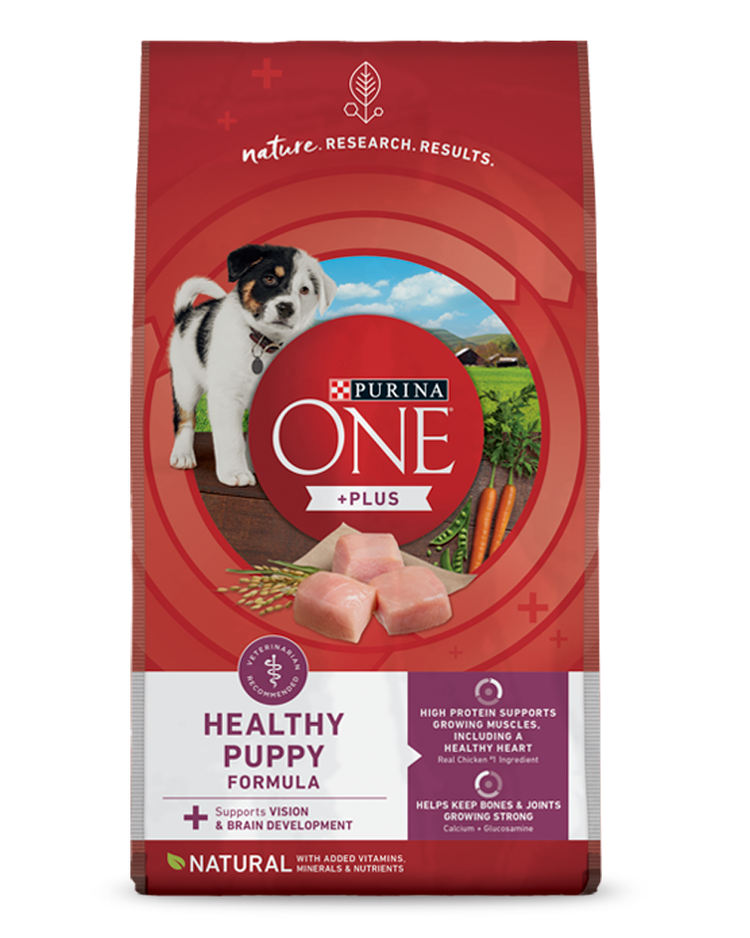
Credit: www.purina.com
How To Transition Adult Dogs To Appropriate Diets
Transitioning adult dogs to the right diet is crucial for their health. Puppies and adult dogs have different nutritional needs. Feeding puppy food to adult dogs long-term can cause issues. Switching diets carefully helps avoid stomach upset and nutritional imbalance.
Gradual Food Changes
Switch dog food slowly over 7 to 10 days. Mix a small amount of new food with the old. Increase the new food portion daily. This process helps the dog’s digestive system adjust. Sudden changes can cause vomiting or diarrhea.
Monitoring Health And Behavior
Watch your dog’s eating habits and energy levels. Look for signs like vomiting, diarrhea, or loss of appetite. Check coat condition and weight regularly. Changes in behavior or health may indicate diet problems. Early detection helps prevent serious issues.
Consulting With A Veterinarian
Talk to a vet before changing your dog’s diet. A vet can recommend foods based on age, breed, and health. Professional advice ensures your dog gets balanced nutrition. Regular check-ups help track your dog’s health progress.
Choosing The Right Food For Your Dog’s Life Stage
Choosing the right food for your dog’s life stage supports their health and energy. Different stages need different nutrients. Puppies need more protein and calories for growth. Adult dogs require balanced nutrition to maintain weight and health. Feeding the correct food helps prevent health issues and keeps your dog active.
Reading Labels And Ingredients
Check the food label carefully. Look for protein sources like chicken, beef, or fish near the top. Avoid foods with too many fillers like corn or wheat. Ingredients should be clear and simple. Nutritional information tells you about vitamins and minerals. Choose foods labeled for your dog’s specific life stage.
Considering Breed And Size
Small and large breeds have different needs. Large breeds need food that supports joint health. Small breeds require smaller kibble for easy chewing. Some breeds have unique dietary needs based on their genetics. Match food to your dog’s size and breed for best results.
Special Dietary Needs
Some dogs need special diets due to allergies or health issues. Talk to your vet about these needs. Foods for sensitive stomachs or weight control may be necessary. Choose options that address your dog’s specific condition. Special diets help your dog feel better and stay healthy.

Credit: www.becopets.com
Frequently Asked Questions
Is Puppy Food Safe For Adult Dogs To Eat?
Puppy food is safe for adult dogs occasionally. It contains higher calories and nutrients designed for growth. Regular feeding may cause weight gain or nutritional imbalance in adults.
What Are Risks Of Feeding Adult Dogs Puppy Food?
Feeding adult dogs puppy food long-term can lead to obesity. Excess nutrients may stress kidneys and cause digestive issues. It’s best to provide food formulated for adult dogs.
Can Adult Dogs Digest Puppy Food Properly?
Yes, adult dogs can digest puppy food, but it’s richer. Their digestive systems handle it well, but excess calories can cause weight problems if given continuously.
When Is It Okay To Feed Puppy Food To Adults?
Feeding puppy food to adults is okay during recovery or growth phases. Extra calories and nutrients aid healing or muscle rebuilding. Consult your vet for proper guidance.
Conclusion
Adult dogs need different nutrients than puppies do. Puppy food has more calories and fats. Feeding adult dogs puppy food often can cause weight gain. It may also lead to digestive problems. Some adult dogs might do okay for a short time.
But long-term feeding is not safe or healthy. Always choose food made for your dog’s age. Talk to your vet about the best diet plan. Keeping your dog healthy means feeding the right food. Simple choices make a big difference in your dog’s life.