You want the best for your small breed dog, especially when it comes to their food. But how do you know the right time to switch from puppy food to adult food?
Making this change too early or too late can affect your dog’s health and energy. You’ll discover clear signs and expert tips to help you decide exactly when to start your small breed dog on adult food. Keep reading to ensure your furry friend stays happy, healthy, and full of life.
Credit: www.petsmart.com
Signs Your Small Breed Dog Is Ready
Knowing when your small breed dog is ready to transition to adult food can make a big difference in their health and happiness. Watch for clear signs that show your pup has outgrown puppy food and needs more mature nutrition. Understanding these signals helps you make the switch at just the right time.
Physical Growth Indicators
One of the clearest signs your small breed dog is ready for adult food is their physical growth. When your dog reaches about 80% of their expected adult size, their growth rate slows down significantly. You might notice their bones and muscles are fully developed, and their puppy fluff has turned into a sleek adult coat.
Keep an eye on their weight, too. If your dog is maintaining a steady weight without rapid growth spurts, it’s a good signal they’re ready. Small breeds often finish growing faster than larger dogs, sometimes as early as 9-12 months.
Behavioral Changes
Your dog’s behavior can also tell you when it’s time to change their diet. Puppies tend to be more energetic and sometimes a bit clumsy due to rapid growth. As they mature, their energy levels become more consistent and controlled.
If your dog seems less hyperactive or starts settling down more during the day, they may be ready for adult food. This change means their body needs nutrients to support maintenance rather than growth. Have you noticed your pup acting more like a calm companion than a bouncing puppy?
Vet Recommendations
Your veterinarian is a valuable resource when deciding the right time to switch foods. During regular checkups, vets assess your dog’s growth, weight, and overall health. They can recommend the best timing based on your dog’s unique needs.
Vets might also advise switching if your dog shows digestive sensitivity or if the puppy formula no longer suits their nutritional needs. Don’t hesitate to ask your vet specific questions about your dog’s diet—they can guide you to the healthiest choice.
Credit: www.purina.com
Age Guidelines For Transition
Knowing the right age to switch your small breed dog to adult food is crucial for their health and development. Transitioning too early or too late can affect their energy levels and overall well-being. Let’s look at clear age guidelines to help you make the best choice for your furry friend.
Typical Age Range For Small Breeds
Small breed dogs usually reach adulthood faster than larger breeds. Most small dogs are ready to switch to adult food between 9 and 12 months old. This is because their growth phase is shorter, and they mature quicker.
However, some tiny breeds may need to stay on puppy food a bit longer to support their high metabolism. Watch your dog’s weight and activity level to decide if the transition is right.
Differences Between Breeds
Not all small breeds grow at the same pace. For example, a Chihuahua may mature faster than a Shih Tzu. Breed-specific traits influence when your dog needs adult food.
Consider your dog’s breed size, energy needs, and health history before switching foods. You can ask your vet for breed-specific advice to avoid common mistakes.
Comparing To Large Breeds
Large breeds take longer to mature, often needing puppy food for 12 to 18 months. Their bones and joints develop more slowly, so their diet must support that growth.
In contrast, small breeds move to adult food much earlier. This difference means you can’t apply the same timeline across all dogs. Are you adjusting your feeding plan to fit your dog’s size and growth?
Choosing The Right Adult Food
Small breed dogs usually switch to adult food around one year old. This helps meet their changing nutritional needs for healthy growth. Watch for signs of maturity before making the change.
Choosing the right adult food for your small breed dog is crucial. Their nutritional needs differ from larger breeds. This ensures they stay healthy and energetic. Transitioning to adult food requires careful consideration. It’s important to select food tailored to small breeds. This will support their unique dietary requirements.Nutritional Needs Of Small Breeds
Small breed dogs have higher metabolism rates. They require more calories per pound than larger breeds. Protein is vital for their muscle maintenance. Essential fatty acids support their skin and coat health. Vitamins and minerals boost their overall health and immune system. Small kibbles are easier for them to chew and digest.Key Ingredients To Look For
Select dog food with high-quality protein sources. Chicken, lamb, or fish are excellent choices. Whole grains like brown rice provide necessary carbohydrates. Look for omega-3 and omega-6 fatty acids. These promote a shiny coat and healthy skin. Antioxidants and probiotics support the digestive system. They enhance your dog’s immune health.Avoiding Common Food Allergens
Some dogs are sensitive to certain ingredients. Common allergens include wheat, corn, and soy. Avoid artificial preservatives and colors. These can cause adverse reactions. Choose dog food with natural ingredients. Read labels carefully to ensure safety. Always consult your vet for specific dietary advice.Transitioning Process Tips
Changing your small breed dog’s food to adult formula requires care. This transition helps avoid stomach upset and ensures your dog accepts the new food well. Taking time during this change supports your dog’s health and comfort.
Gradual Food Mixing
Start by mixing a small amount of adult food with your dog’s current food. Increase the adult food portion slowly over 7 to 10 days. This slow change helps your dog’s stomach adjust without problems. Watch how your dog reacts to each change.
Monitoring Digestive Health
Check your dog’s stool and energy levels daily. Soft stools or diarrhea may mean the change is too fast. If you see any issues, slow down the transition. Keep an eye on your dog’s appetite and mood for signs of discomfort.
Adjusting Portion Sizes
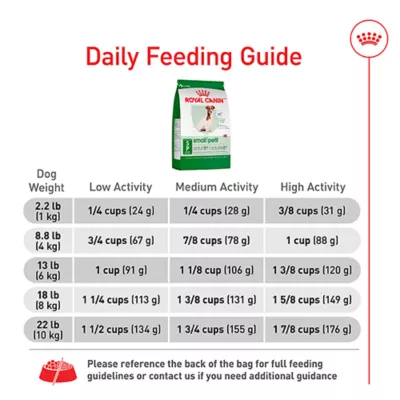
Adult food usually has different calorie amounts. Adjust portions to match your dog’s size and activity level. Small breeds need smaller, frequent meals to keep energy steady. Follow feeding guidelines on the package and talk to your vet for advice.
Common Mistakes To Avoid
Feeding a small breed dog adult food at the right time is important. Many pet owners make avoidable errors that affect their dog’s health. Recognizing these mistakes helps maintain your dog’s wellbeing and energy. Here are some common pitfalls to watch out for.
Switching Too Early Or Late
Changing to adult food too soon can cause digestive upset. Puppies need extra nutrients for growth. Switching too late may lead to obesity or nutrient imbalance. Watch your dog’s age and size. Follow breed-specific guidelines for timing the switch.
Ignoring Vet Advice
Veterinarians provide advice based on your dog’s unique needs. Skipping their guidance risks feeding the wrong diet. Vets can spot health issues early. Schedule regular check-ups and discuss diet changes. Trust their expertise for the best results.
Overfeeding Adult Food
Adult food has more calories than puppy food. Overfeeding leads to weight gain and joint problems. Measure portions carefully. Feed based on activity level and weight. Monitor your dog’s body condition regularly to prevent obesity.
Signs Your Dog Is Thriving On Adult Food
Knowing the signs that your small breed dog is thriving on adult food helps ensure their health. Watching these changes shows if the diet suits their needs well. This section explains key signs to observe.
Energy And Activity Levels
Healthy energy means your dog feels strong and lively. They play more and rest well. A good adult diet supports steady energy without sudden drops. Your dog should show enthusiasm for walks and games.
Coat And Skin Health
A shiny coat and soft skin are clear signs of good nutrition. Adult food with proper fats and nutrients improves fur texture. Look for less itching and fewer skin problems. Bright eyes and clean ears also show good health.
Weight Management
Maintaining a healthy weight is vital for small breeds. Adult food helps control calories and nutrients to avoid obesity. Your dog’s body should feel firm, not too thin or overweight. Regular weight checks help track progress easily.
Credit: www.purina.com
Frequently Asked Questions
When Should Small Breed Dogs Switch To Adult Food?
Small breed dogs should switch to adult food around 9 to 12 months old. This timing supports their growth and energy needs effectively.
Why Is Timing Important For Switching Dog Food?
Proper timing ensures your dog gets the right nutrients for healthy development. Early or late switching can lead to nutritional imbalances or digestive issues.
What Signs Indicate Readiness For Adult Dog Food?
Look for slowed growth, stable weight, and changes in activity. These signs show your small breed dog is ready for adult food.
How To Transition Small Breed Dogs To Adult Food?
Gradually mix adult food with puppy food over 7-10 days. This helps avoid digestive upset and encourages better acceptance.
Conclusion
Choosing the right time to switch your small breed dog to adult food matters. Watch your dog’s growth and energy levels closely. Most small dogs start adult food around one year old. A smooth change helps avoid stomach problems. Always mix new food with old food slowly.
Healthy eating supports your dog’s life and happiness. Consult your vet if you feel unsure. Small steps lead to big benefits for your dog’s health. Keep your dog’s needs in mind every day. This helps your furry friend stay strong and active.