
Are you worried because your puppy has been munching on adult dog food? You’re not alone.
Many pet owners wonder if this is harmful or just a harmless mistake. What your puppy eats now can affect their growth, health, and happiness. Keep reading to discover why feeding your puppy the right food matters and what could happen if they eat adult dog food too often.
This information will help you make the best choices for your furry friend’s future.
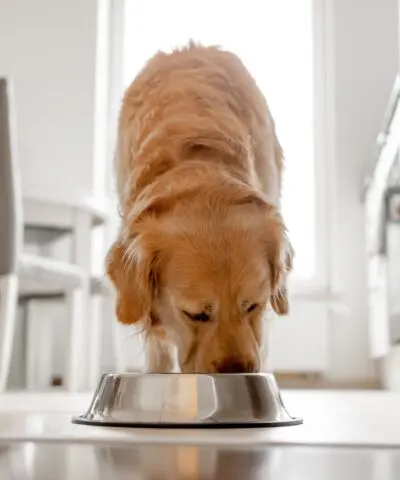
Credit: greenpantry.co.uk
Differences Between Puppy And Adult Dog Food
Puppies and adult dogs have very different dietary needs. Their food must support their unique stages of life. Understanding these differences helps keep dogs healthy and growing strong. Puppy food focuses on growth and development. Adult dog food aims to maintain health and energy. Feeding the wrong type of food can affect a dog’s well-being. Let’s explore the key differences in their diets.
Nutritional Needs Of Puppies
Puppies need more calories than adult dogs. Their bodies grow quickly and need extra energy. Protein is vital for building muscles and tissues. Puppies also require higher fat levels for brain development. Vitamins and minerals support strong bones and teeth. Nutrients like DHA help with vision and brain growth.
Portion sizes are smaller but fed more often. Puppy food contains balanced nutrients for rapid growth. It supports immune system development and overall health. Special formulas prevent nutritional deficiencies and promote strong development.
Components Of Adult Dog Food
Adult dog food focuses on maintaining health and weight. It has fewer calories to prevent obesity. Protein levels are moderate to support muscle maintenance. Fat content is lower than puppy food. It includes fiber for healthy digestion.
Vitamins and minerals help support long-term health. Adult formulas often include antioxidants for immune support. Ingredients promote healthy skin and coat. The balance suits a dog with slower growth and less energy needs.

Credit: greenpantry.co.uk
Potential Health Risks For Puppies
Puppies have unique dietary needs that differ from adult dogs. Feeding them adult dog food can cause several health problems. These issues can affect their digestion, nutrition, and growth. Understanding these risks helps ensure puppies stay healthy and develop properly.
Digestive Issues
Puppies have sensitive stomachs. Adult dog food is often harder to digest for them. This can lead to:
- Diarrhea
- Vomiting
- Stomach pain
- Gas and bloating
These problems may cause discomfort and dehydration. Proper puppy food supports gentle digestion.
Nutrient Imbalances
Adult dog food does not have the right nutrients for puppies. It may lack enough protein, fat, and vitamins. Puppies need more calories and nutrients to grow. Feeding adult food can cause:
- Deficiency in essential nutrients
- Poor immune system function
- Low energy levels
Balanced nutrition is vital for strong bones and healthy organs.
Growth And Development Concerns
Puppies grow rapidly in their first months. Adult food does not support this fast growth. Risks include:
- Slower bone development
- Weak muscles
- Improper brain development
- Long-term health issues
Feeding the right food ensures puppies reach their full potential.
When Adult Food Might Be Safe
Puppies can eat adult dog food briefly without harm, but it lacks essential nutrients for growth. Small amounts during emergencies are usually safe. Long-term feeding may cause health issues and slower development.
When puppies nibble on adult dog food, it’s not always a cause for immediate concern. While puppy food is specially designed to meet the nutritional needs of their growing bodies, there are scenarios where adult food might be okay for short periods. Understanding these situations can help you make informed decisions about your puppy’s diet.Short-term Feeding Scenarios
There might be times when adult dog food becomes the only available option. Perhaps you’ve run out of puppy food, or you’re visiting a friend who only has adult dog food on hand. In such cases, feeding your puppy adult food for a meal or two won’t be harmful. However, consistently feeding adult food to a puppy can lead to nutritional deficiencies. Puppies require more protein and fat to support their growth. So, while an occasional adult meal is fine, it’s important to return to puppy food as soon as possible.Special Formulations For All Life Stages
Some dog foods are formulated to suit all life stages. These foods are designed to meet the nutritional needs of both puppies and adult dogs. If you’re considering a versatile option, check the packaging for an “All Life Stages” label. These formulations ensure that your puppy gets the right balance of nutrients without the need for separate puppy and adult foods. It’s a convenient option, especially for households with multiple dogs of different ages. Have you ever found yourself in a situation where you had to feed your puppy adult food? What was your approach, and did your puppy enjoy the change? Understanding these dynamics can help you navigate feeding challenges with ease.Signs Your Puppy Is Affected
Knowing the signs your puppy is affected by eating adult dog food is crucial. Puppies have unique nutritional needs, and feeding them the wrong food can lead to problems. Paying attention to changes in behavior and physical health can help you catch issues early and keep your puppy healthy.
Behavioral Changes
Has your puppy suddenly become less playful or more lethargic? These shifts can signal that their diet isn’t meeting their energy needs. Puppies typically burst with energy, so a drop in activity might mean their food lacks essential nutrients.
Look for changes in appetite too. If your puppy refuses to eat or seems less interested in mealtime, it could be because the adult food isn’t appealing or suitable for their growth stage.
Notice if your puppy is more irritable or restless. Discomfort from improper nutrition can affect their mood and behavior. These subtle clues often go unnoticed but can tell you a lot about their well-being.
Physical Symptoms To Watch
Physical signs are often more obvious. Watch for upset stomachs, such as vomiting or diarrhea, after eating adult dog food. Puppies’ digestive systems are sensitive, and adult formulas can cause distress.
Check your puppy’s coat and skin condition. A dull coat, dry skin, or excessive scratching may indicate nutrient deficiencies. Healthy skin and fur shine when puppies get the right diet.
Growth delays or weight loss are serious red flags. Puppies need the right balance of protein, fats, and vitamins to grow strong. If you see your puppy not thriving, reconsider their diet immediately.
Tips For Feeding Puppies Properly
Feeding puppies properly sets the foundation for their health and growth. It’s not just about filling their bowls but choosing the right food and managing how often and how much they eat. Getting these details right can prevent common health issues and support your puppy’s development in ways you might not expect.
Choosing The Right Food
Puppies have different nutritional needs than adult dogs. Their food should be rich in proteins, fats, and essential vitamins to support rapid growth and energy. Look for labels that say “formulated for puppies” or “growth” to ensure the food meets these needs.
Avoid giving puppies adult dog food regularly. Adult formulas often lack the right balance of nutrients puppies require. If you’ve noticed your puppy eating adult food, consider switching to a puppy-specific brand as soon as possible.
Feeding Schedule And Portions
Consistency is key when feeding your puppy. Young puppies usually need to eat three to four times a day. This frequent feeding helps maintain steady energy levels and prevents overeating.
Portion sizes depend on your puppy’s breed, age, and activity level. Overfeeding can lead to obesity, while underfeeding can stunt growth. Use the feeding guidelines on the food packaging as a starting point, but adjust based on your puppy’s condition and vet advice.
- Divide daily portions into equal meals
- Monitor your puppy’s weight and adjust accordingly
- Keep fresh water available at all times
Have you noticed how your puppy’s energy changes with their feeding routine? Observing these patterns helps you fine-tune their diet for optimal health.
Consulting Your Veterinarian
When your puppy accidentally eats adult dog food, it’s natural to worry about the effects on their growth and health. Consulting your veterinarian can provide clarity and peace of mind. A professional’s advice ensures you make the best decisions for your puppy’s nutrition and well-being.
Professional Guidance
Veterinarians understand the specific nutritional needs of puppies versus adult dogs. They can tell you if the adult food your puppy ate will cause any issues or if a special diet adjustment is necessary. Don’t hesitate to ask about signs to watch for or how to transition your puppy back to the right food.
Sometimes, vets may recommend a temporary diet change or supplements to balance any nutritional gaps. They can also suggest the best brands tailored to your puppy’s breed, size, and health status. Getting this guidance early can prevent long-term problems.
When To Seek Immediate Help
Not all cases are the same. If your puppy shows symptoms like vomiting, diarrhea, lethargy, or refusal to eat after consuming adult dog food, contact your vet right away. These signs may indicate digestive upset or more serious issues that require prompt attention.
Ask yourself: Is your puppy unusually quiet or restless? Are there sudden changes in bathroom habits or appetite? If yes, don’t wait—call your veterinarian immediately. Quick action can make a big difference in your puppy’s recovery and comfort.
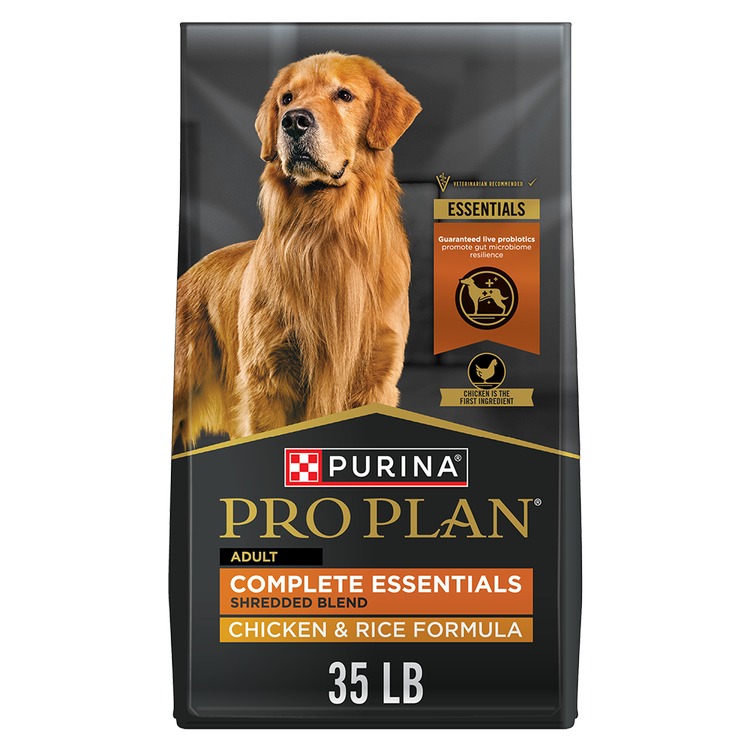
Credit: www.purina.com
Frequently Asked Questions
Is It Harmful If Puppies Eat Adult Dog Food?
Puppies can eat adult dog food occasionally, but it lacks essential nutrients for growth. Adult food has lower protein and fat, which are vital for puppies. Regular feeding of adult dog food may slow development and cause nutritional deficiencies.
Can Puppies Digest Adult Dog Food Properly?
Puppies have sensitive digestive systems that require specific nutrients. Adult dog food is harder to digest for puppies and may cause stomach upset or diarrhea. Puppy food is formulated to be gentle and support their digestive health.
How Often Can Puppies Eat Adult Dog Food?
Puppies should rarely eat adult dog food, ideally only in emergencies. Frequent feeding is not recommended as it may lead to nutrient imbalances. Always prioritize puppy-formulated food for their growth and wellbeing.
What Nutrients Do Puppies Miss In Adult Dog Food?
Adult dog food usually lacks adequate protein, fat, calcium, and DHA. These nutrients support brain development, strong bones, and healthy growth in puppies. Feeding adult food regularly can hinder their overall development.
Conclusion
Feeding puppies adult dog food is not ideal for growth. Adult food lacks key nutrients puppies need daily. Puppies need extra protein, fat, and vitamins to thrive. Using adult food can slow their development. Always choose food made for puppies’ needs.
Consult your vet for the best feeding plan. Healthy nutrition now means a strong, happy dog later. Keep your puppy’s diet right for their future health. Small changes in food make a big difference. Choose wisely for your puppy’s bright and healthy life.