If you care deeply about your dog’s health, you’ve probably wondered what goes into the best homemade dog food recipe. You want to give your furry friend meals that are not just tasty but truly nourishing.
But where do you start? What ingredients should you choose, and how do you know if the recipe is balanced and safe? This guide will help you create healthy homemade dog food that supports your dog’s energy, happiness, and long life.
Keep reading to discover simple, effective tips that will transform mealtime for your beloved pet.
Benefits Of Homemade Dog Food
Feeding dogs homemade meals brings several key benefits. It lets you offer fresh food tailored to your pet’s needs. Homemade dog food improves health and well-being naturally. Preparing meals at home gives peace of mind about what your dog eats.
Improved Nutrition
Homemade dog food allows balanced, nutrient-rich meals. You can include fresh meats, vegetables, and grains. This variety supports strong muscles, shiny coats, and good energy. Avoid fillers and artificial additives found in some commercial foods. Meals made at home can meet specific health needs of your dog.
Control Over Ingredients
Home cooking lets you control every ingredient used. Choose high-quality proteins and organic vegetables. Skip harmful preservatives, colors, and chemicals. This control helps avoid allergies and digestive problems. You know exactly what your dog consumes each day.
Cost-effectiveness
Making dog food at home can save money. Bulk buying ingredients reduces expenses. Avoid expensive commercial pet foods with low-quality fillers. Homemade meals stretch your budget while giving better nutrition. Cooking for your dog can be a smart financial choice.
Essential Nutrients For Dogs
Dogs need a balanced diet to stay healthy and active. Essential nutrients support their growth, energy, and immune system. Homemade dog food must include these nutrients in the right amounts. Understanding each type helps create a healthy meal for your pet.
Proteins And Amino Acids
Proteins build muscles, skin, and organs. Dogs require high-quality protein sources like chicken, beef, or fish. Amino acids, the building blocks of proteins, are vital for repair and growth. Without enough protein, dogs can become weak and sick.
Healthy Fats
Fats provide energy and support brain health. Omega-3 and Omega-6 fatty acids keep the coat shiny and skin healthy. Sources include fish oil, flaxseed, and chicken fat. Fat helps absorb vitamins and keeps joints flexible.
Vitamins And Minerals
Vitamins and minerals regulate body functions and strengthen bones. Important vitamins include A, D, E, and B-complex. Minerals like calcium, phosphorus, and zinc support teeth and muscle function. Fresh vegetables and supplements can supply these nutrients.
Carbohydrates And Fiber
Carbohydrates give dogs energy for daily activities. Whole grains, sweet potatoes, and brown rice are good sources. Fiber aids digestion and prevents constipation. Including fiber-rich foods like pumpkin or peas keeps the gut healthy.
Safe Ingredients To Use
Creating a homemade dog food recipe ensures your furry friend gets nutritious meals. Knowing which ingredients are safe is crucial for their health. Let’s explore some safe options to include in your dog’s diet.
Lean Meats And Fish
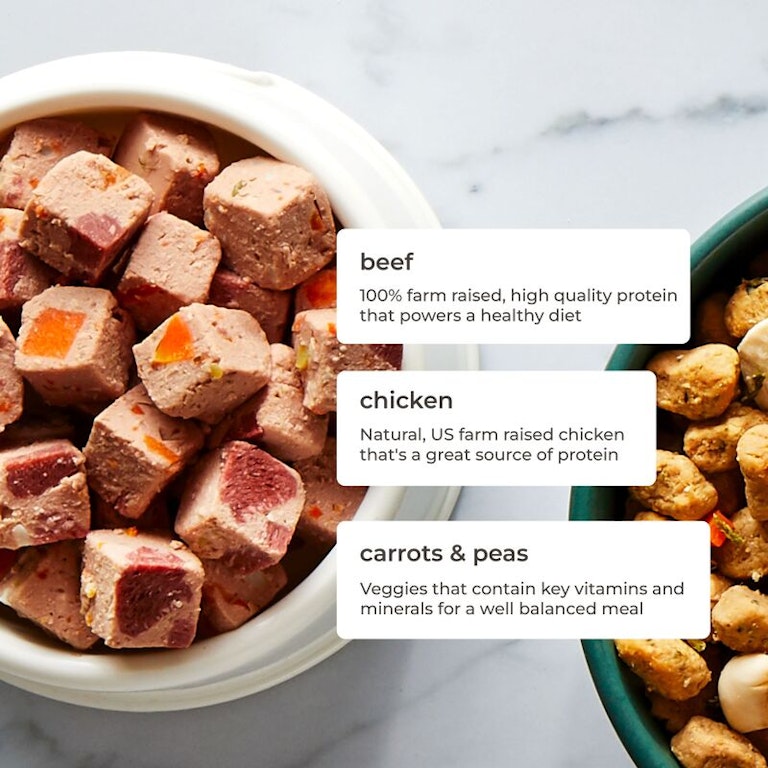
Lean meats provide essential protein for your dog. Chicken, turkey, and beef are great choices. Fish like salmon and tuna offer omega-3 fatty acids. These support your dog’s coat and skin health. Always cook the meat thoroughly to avoid bacteria. Remove any bones to prevent choking hazards.
Vegetables And Fruits
Many vegetables and fruits are safe for dogs. Carrots, peas, and spinach add vitamins and minerals. Apples and blueberries make tasty, antioxidant-rich treats. Ensure fruits are seedless and cut into small pieces. Avoid grapes, raisins, and onions, as they are toxic to dogs.
Grains And Legumes
Grains and legumes provide fiber and energy. Brown rice and oats are digestible and nutritious. Lentils and chickpeas offer plant-based protein. Cook them well to aid digestion. Monitor portion sizes to maintain a balanced diet. Avoid grains if your dog has allergies.
Credit: www.gianteagle.com
Ingredients To Avoid
Choosing the right ingredients is key for healthy homemade dog food. Some foods harm dogs and must be left out. Avoiding harmful ingredients keeps your dog safe and healthy. Understanding which items to skip helps you prepare meals with confidence.
Toxic Foods For Dogs
Several everyday foods are toxic to dogs. These can cause serious illness or death. Common toxic foods include:
- Chocolate
- Grapes and raisins
- Onions and garlic
- Avocado
- Alcohol
- Caffeine
- Macadamia nuts
- Xylitol (a sweetener found in gum and candy)
Never use these ingredients in your dog’s meals. Even small amounts can be dangerous.
High-fat And Processed Items
High-fat foods can cause digestive issues and obesity in dogs. Processed items often contain harmful additives. Avoid these to protect your dog’s health:
- Fried foods
- Fatty cuts of meat
- Salty snacks
- Processed meats like sausages or deli meats
- Foods with artificial preservatives and colors
Fresh, whole ingredients are always better than processed foods. Keep meals simple and balanced for best results.
Easy Homemade Dog Food Recipes
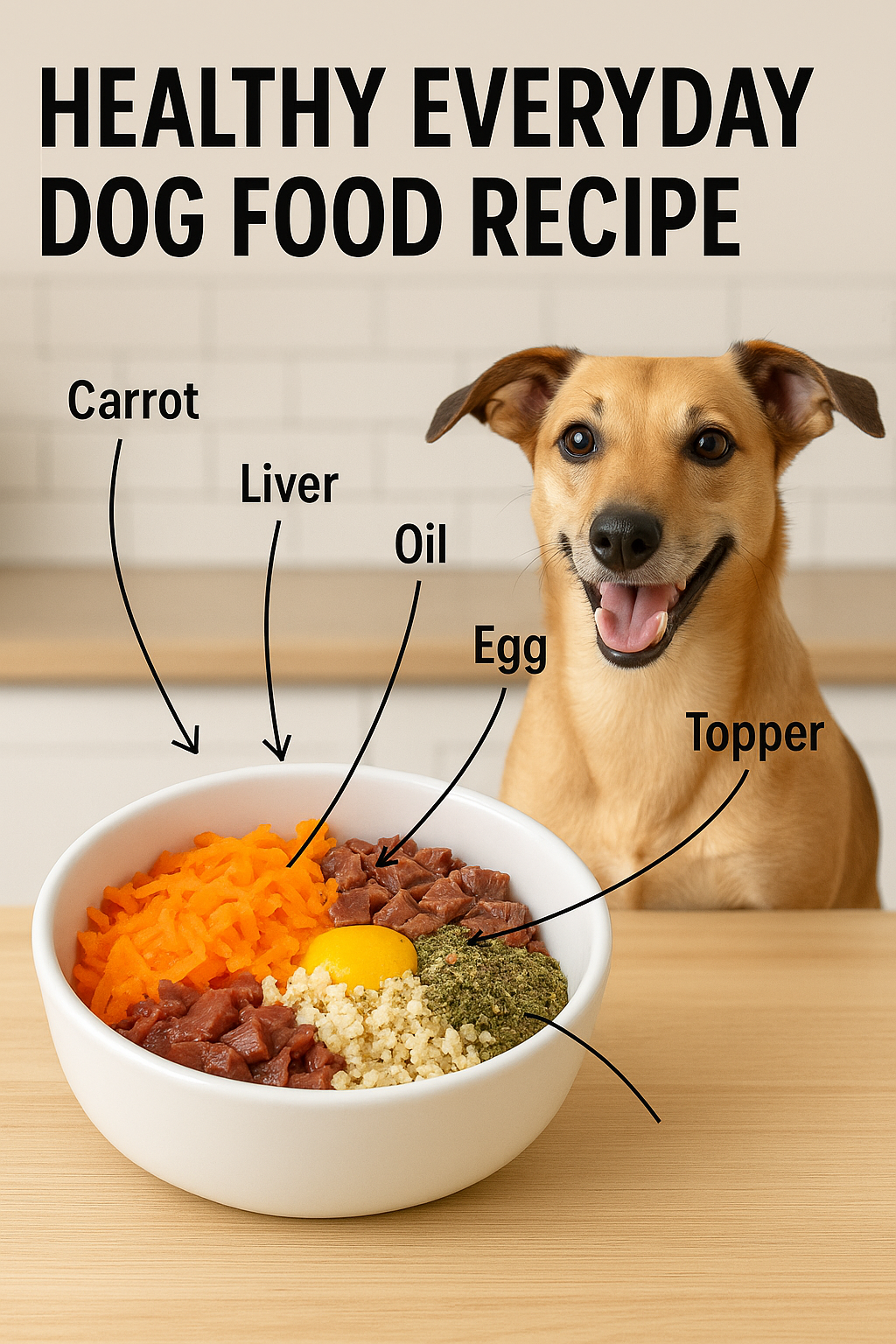
Making your dog’s meals at home doesn’t have to be complicated. Easy homemade dog food recipes let you control exactly what goes into your pet’s bowl. These simple recipes use common ingredients that provide balanced nutrition and taste great to your furry friend.
Think about the last time you watched your dog eagerly finish a meal. Wouldn’t it be satisfying to know that every bite supports their health? Let’s look at some straightforward recipes you can try today.
Chicken And Vegetable Mix
This recipe combines lean chicken with fresh vegetables to offer protein and essential vitamins. You only need cooked chicken breast, carrots, peas, and a bit of rice for energy.
- Cook 2 cups of diced chicken breast thoroughly.
- Steam 1 cup of mixed vegetables like carrots and peas.
- Mix in 1 cup of cooked rice.
- Allow to cool before serving.
This mix is gentle on your dog’s stomach and easy to digest. Have you noticed how your dog reacts when you switch to fresher, homemade meals?
Beef And Rice Blend
Beef provides rich iron and amino acids, making it a great base for a hearty dog meal. Pairing it with rice keeps the dish filling and easy to digest.
- Brown 2 cups of lean ground beef in a pan, draining excess fat.
- Cook 1.5 cups of white or brown rice separately.
- Combine the beef and rice with a handful of steamed green beans.
- Let it cool before serving.
Adding green beans increases fiber without adding many calories. How often do you include vegetables in your dog’s diet?
Fish And Sweet Potato Meal
This recipe is great for dogs needing a diet rich in omega-3 fatty acids. Salmon or white fish paired with sweet potatoes creates a nutritious, tasty meal.
- Cook 2 cups of fish thoroughly, removing all bones.
- Boil or bake 1 cup of sweet potato until soft.
- Mix the fish and sweet potato with a small amount of cooked spinach.
- Cool the meal before serving.
Omega-3 fats help support your dog’s skin and coat health. Have you considered fish as a regular protein option for your dog?
Credit: dogsfoodadvise.com
Tips For Preparing Dog Food Safely
Preparing homemade dog food is rewarding, but safety should never be an afterthought. Handling ingredients properly protects your furry friend from harmful bacteria and ensures their meals are nutritious. Here are essential tips to keep your dog’s food fresh, safe, and perfectly portioned.
Proper Cooking Techniques
Cook all meats thoroughly to kill bacteria like salmonella and E. coli. Avoid seasoning or adding ingredients like onions and garlic, which can be toxic to dogs. Steaming or boiling vegetables preserves nutrients without adding unhealthy fats.
Have you noticed your dog’s reaction when you switch cooking methods? Some dogs prefer the texture of steamed veggies over boiled ones. Experiment to find what your dog enjoys while keeping food safe and healthy.
Storage And Shelf Life
Store homemade dog food in airtight containers to prevent contamination and moisture buildup. Refrigerate leftovers promptly and use them within 3-4 days to avoid spoilage. For longer storage, freeze portions in meal-sized containers and thaw only what you need.
Label your containers with preparation dates. This simple step helps you avoid feeding spoiled food. Ever found mold on your dog’s meal? It’s a clear sign storage habits need improvement.
Portion Control
Feeding the right amount helps maintain your dog’s ideal weight and supports overall health. Use your dog’s weight, age, and activity level as guides to measure portions accurately. A kitchen scale or measuring cups can be your best tools here.
Try feeding your dog smaller, frequent meals instead of one large meal. This can improve digestion and energy levels. Do you notice your dog begging for more even after a full meal? It might mean you need to adjust portions or meal frequency.
Consulting Your Veterinarian
Consulting your veterinarian is the first step before making homemade dog food. They have the knowledge to guide you on what is safe and nutritious for your dog. Every dog has unique health needs that homemade meals must meet.
Your vet can help avoid missing essential nutrients. They ensure the recipe supports your dog’s health and growth. This advice prevents health problems from unbalanced diets.
Tailoring Recipes To Your Dog’s Needs
Your veterinarian considers your dog’s age, weight, and activity level. They also check for allergies or medical conditions. Recipes can then be customized to fit these factors.
For example, senior dogs may need joint-supporting ingredients. Active dogs require more protein and calories. Dogs with allergies might need ingredient substitutions.
Monitoring Health And Adjustments
Regular vet visits help track your dog’s health on the new diet. Your vet can spot signs of nutrient deficiencies or excesses. Adjustments to the recipe are made based on these observations.
Weight, coat condition, and energy levels all show how well the food works. Blood tests might be necessary to check internal health. This ongoing process keeps your dog healthy and happy.

Credit: www.youtube.com
Frequently Asked Questions
What Ingredients Make A Healthy Homemade Dog Food Recipe?
A healthy homemade dog food recipe includes lean meats, vegetables, grains, and healthy fats. Avoid toxic foods like onions and chocolate. Balanced nutrients ensure your dog’s well-being and energy.
How Often Should I Feed Homemade Dog Food?
Feed homemade dog food twice daily for adult dogs. Puppies may need three to four meals. Consistent meal times help digestion and maintain a healthy routine.
Can Homemade Dog Food Replace Commercial Dog Food?
Yes, homemade dog food can replace commercial food if balanced properly. Consult a vet to ensure all nutrient needs are met for your dog’s health.
Is Homemade Dog Food Safe For All Dog Breeds?
Homemade dog food is generally safe for all breeds. Adjust portion sizes and ingredients based on breed size, age, and health conditions for best results.
Conclusion
Feeding your dog healthy homemade food can improve their life. Fresh ingredients provide better nutrition than many store-bought options. You control what goes into each meal, avoiding harmful additives. Simple recipes with meat, vegetables, and grains work well. Always check with your vet before changing your dog’s diet.
Homemade food shows your care and helps keep your dog strong. Small efforts bring big benefits for your pet’s health. Try making meals at home for a happier, healthier dog.