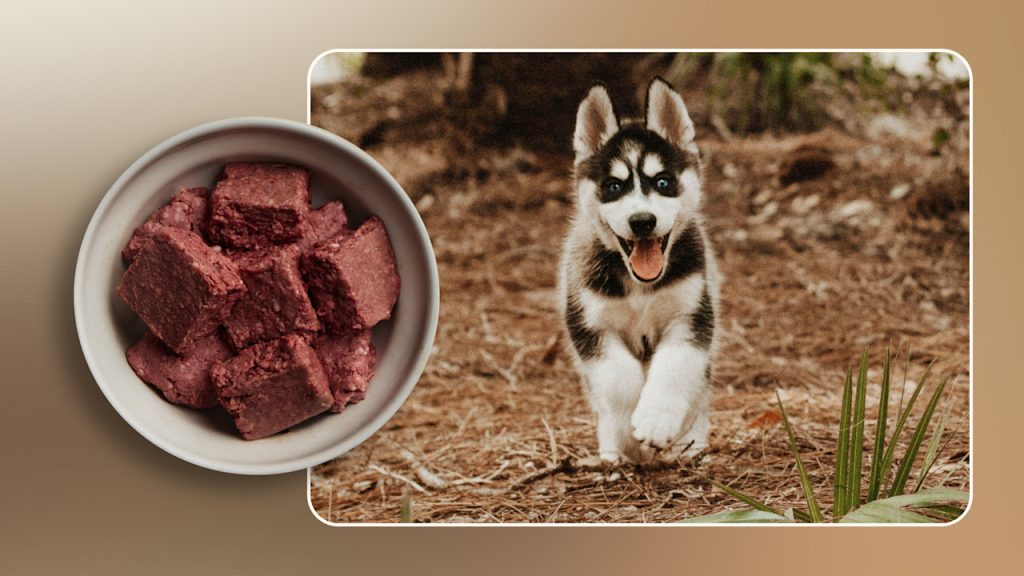

Wondering when to switch your husky from puppy food to adult dog food? It’s a question every husky owner faces.
Feeding your dog the right food at the right time affects their health, energy, and happiness. If you get it wrong, your husky might miss out on important nutrients or even gain unwanted weight. You want to make the best choice for your furry friend, but it’s not always clear when that moment arrives.
Keep reading, and you’ll discover the signs to watch for, the right timing, and tips to make the transition smooth and stress-free for both you and your husky.
Husky Growth Stages
Understanding the growth stages of a Husky is important for choosing the right food. Each stage has different nutritional needs that affect their health. Feeding your Husky the correct diet helps support their development and energy levels. The transition from puppy food to adult dog food should match their growth phase.
Puppy Phase
Huskies grow fast during the puppy phase, usually up to 6 months. They need food rich in protein and fat. This helps build strong muscles and bones. Feeding high-quality puppy food supports their rapid development. Portion control is key to avoid overfeeding or underfeeding.
Adolescent Changes
Between 6 to 12 months, Huskies enter adolescence. Growth slows but energy needs remain high. Their metabolism changes and nutrient needs adjust. Balanced food with moderate protein and fat works best. Watch their weight and adjust portions as needed. This stage shapes their adult size and health.
Adult Transition
At about 12 months, Huskies begin the adult transition. They need food formulated for maintenance, not growth. Adult dog food has fewer calories and balanced nutrients. Switching gradually helps avoid digestive upset. Monitor their weight and activity to find the right amount. This change supports long-term health and vitality.
Signs To Switch Food
Knowing the right time to switch your husky from puppy to adult dog food can be tricky. Watching for clear signs can help you make that decision confidently. Here are key indicators that show when your husky’s diet needs to change.
Physical Development
Your husky’s growth rate slows down as it approaches adulthood. Look for changes like a fuller body shape and sturdier bones. When your pup stops looking like a puppy and starts resembling an adult dog, it’s a strong signal to switch food.
Teeth development is another clue. Once your husky has all its adult teeth, usually around 6 to 8 months, the transition to adult food becomes safer and easier on their digestion.
Behavioral Changes
Notice if your husky’s energy levels shift. Puppies are often bursting with energy, but as they grow, their activity becomes more controlled and consistent. This change means their nutritional needs are evolving too.
Also, watch their eating habits. If your husky seems less hungry or more selective, it could mean their metabolism is slowing down, indicating it’s time for a food change that matches their new lifestyle.
Nutritional Needs
Puppy food is rich in calories and nutrients to support rapid growth. Adult huskies need a balanced diet that maintains muscle and overall health without causing weight gain.
Switching too late can lead to excess weight or digestive issues. Too early might deprive your dog of essential nutrients. Understanding these nutritional shifts helps you choose the right moment to switch food.
Choosing Adult Dog Food
Huskies usually switch to adult dog food between 12 and 18 months old. Watch for growth slowing and teeth changing to know the right time. Choose food with balanced nutrients to support their active lifestyle.
Choosing the right adult dog food for your Husky is a crucial decision that impacts their health and energy levels. As your Husky transitions from puppyhood, their dietary needs evolve, requiring a balanced diet to maintain their active lifestyle. Understanding what your Husky needs in terms of nutrients and food types can make this transition seamless and beneficial for their overall well-being.Key Nutrients For Huskies
Huskies are known for their high energy, which means they require a diet rich in protein and healthy fats. Proteins help build and maintain strong muscles, while fats provide the energy needed for their spirited activities. Ensure the food includes omega-3 and omega-6 fatty acids to support their beautiful coat and skin. Don’t overlook the importance of vitamins and minerals, which play a vital role in immune function and bone health.Types Of Adult Dog Food
You have several options when it comes to selecting adult dog food for your Husky. Dry kibble is convenient and helps with dental health, while wet food can be more appetizing and hydrating. Some owners prefer raw or homemade diets for complete control over ingredients, but they require careful planning to ensure nutritional balance. Consider a combination approach, mixing different types to cater to your Husky’s taste and dietary needs.Avoiding Common Pitfalls
Avoid foods with excessive fillers like corn or soy, which provide little nutritional value. Be cautious of artificial additives and preservatives that can cause allergies or digestive issues in Huskies. Check the ingredient list for a high-quality protein source as the first ingredient. Regularly monitor your Husky’s weight and energy levels to adjust their diet as necessary. Have you ever considered how changing their diet could improve your Husky’s vitality and mood? Making informed choices now can lead to a healthier, happier companion.
Credit: dogwooff.com
Feeding Schedule Tips
Setting a proper feeding schedule helps your husky adjust smoothly to adult dog food. It supports healthy digestion and energy levels. Consistent meal times make your dog feel secure and build good eating habits.
Meal Frequency
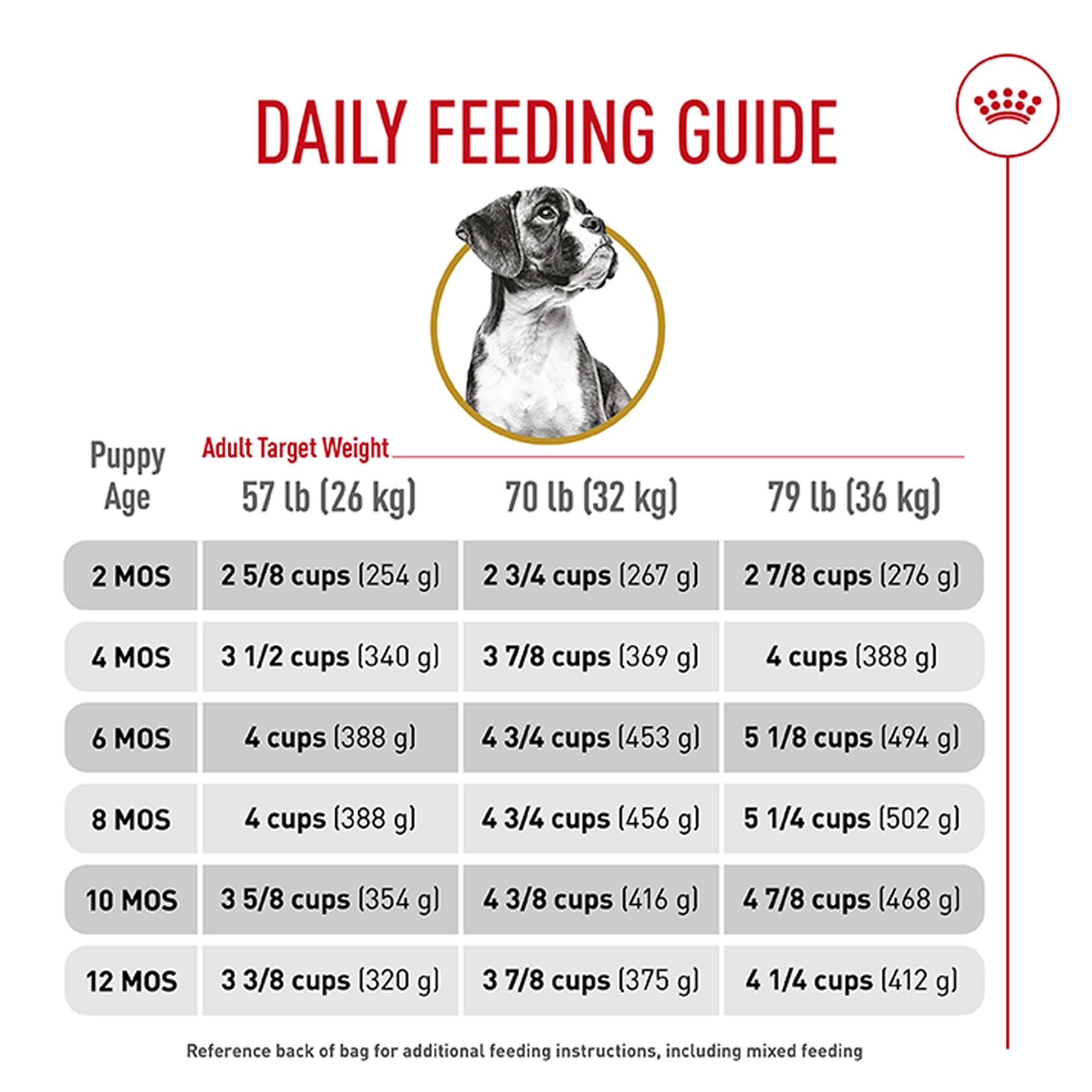
Adult huskies usually eat two meals a day. Morning and evening work best. Feeding at regular times prevents overeating and reduces stomach issues. Puppies need more frequent meals, but adult dogs thrive on fewer, balanced portions.
Portion Control
Measure your husky’s food carefully. Portions depend on weight, age, and activity level. Overfeeding causes weight gain and health problems. Use a kitchen scale or measuring cup to keep portions accurate. Watch your dog’s weight and adjust portions if needed.
Hydration Importance
Fresh water must always be available. Proper hydration aids digestion and keeps your husky active. Change water daily and clean the bowl often. Huskies are active dogs and need more water, especially after exercise or in hot weather.
Monitoring Health And Weight
Monitoring your husky’s health and weight is key when switching to adult dog food. It helps you see how well your dog adapts to new nutrition. Good monitoring prevents health issues linked to diet changes. Watch your husky’s body condition and energy levels closely during this time. Adjustments might be needed based on your observations and vet advice.
Regular Vet Checkups
Schedule vet visits to track your husky’s health regularly. Vets check weight, coat condition, and overall health. They catch early signs of problems caused by diet changes. Blood tests can reveal nutritional deficiencies or imbalances. Share your dog’s food and behavior changes with the vet. This helps tailor the diet to your husky’s needs.
Adjusting Diet Over Time
Adult dog food needs may change as your husky grows older. Monitor weight to avoid obesity or underweight issues. Change portion sizes if your dog gains or loses too much weight. Choose food formulas with balanced nutrients for adult huskies. Adjust protein and fat levels to match activity and age. Keep an eye on your dog’s digestion and energy levels.
Recognizing Food Sensitivities
Look for signs of food sensitivities after diet changes. Watch for itching, redness, or skin irritations. Digestive issues like vomiting or diarrhea may appear. Sudden changes in behavior or energy can also signal problems. Note any reactions and discuss them with your vet. Switching to hypoallergenic or limited ingredient diets may help.
Credit: www.petsmart.com
Homemade Vs Commercial Food
Choosing between homemade and commercial dog food can be a tough decision, especially when your husky is transitioning to adult dog food. Both options have their unique benefits and challenges. Understanding these differences helps you make the best choice for your pet’s health and happiness.
Pros And Cons
Homemade foodlets you control every ingredient. You can avoid additives and choose fresh, high-quality items. However, it requires time, effort, and knowledge to meet all your husky’s nutritional needs.
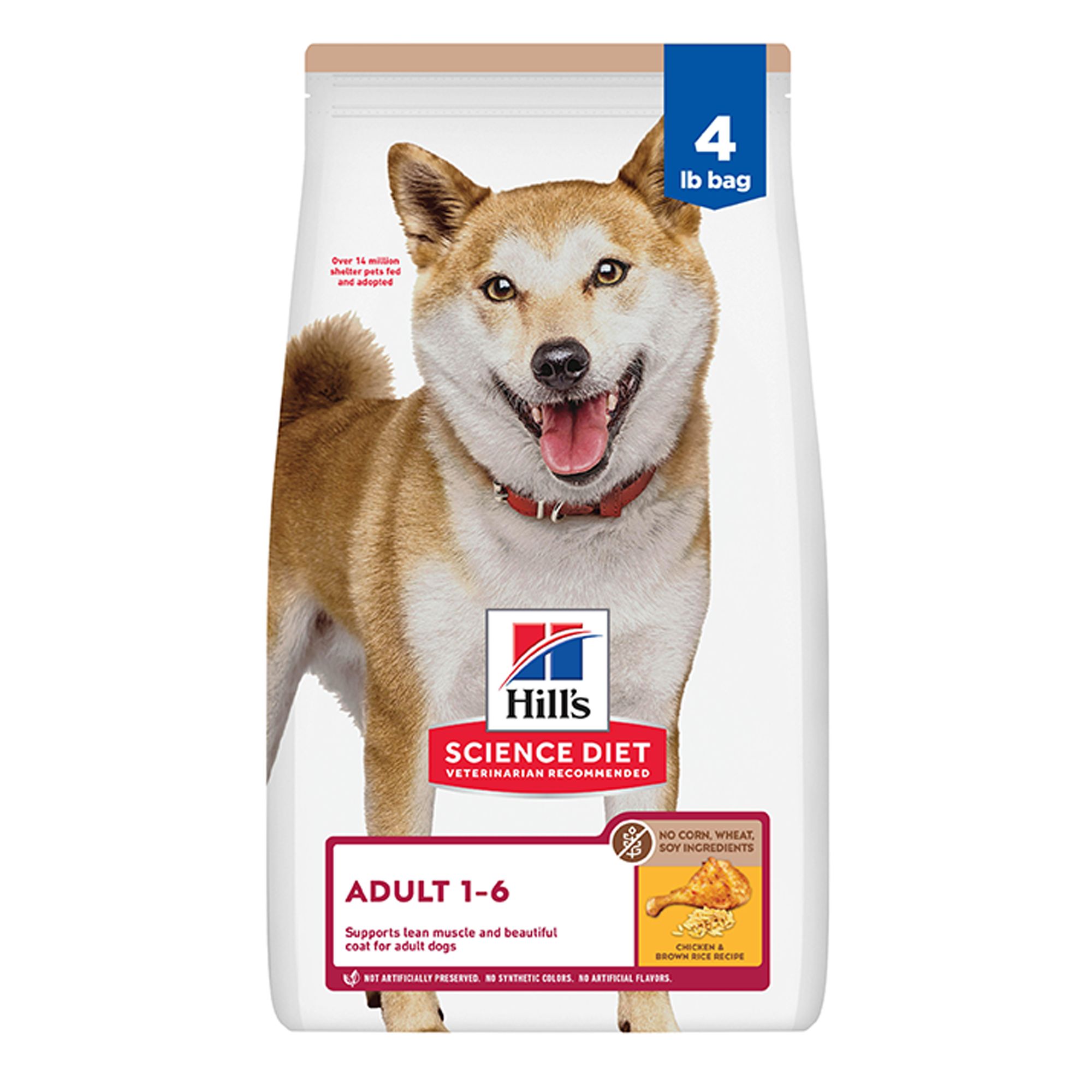
Commercial foodoffers convenience and consistency. It’s formulated to cover all dietary requirements, which can save you worry. On the downside, some brands include fillers or artificial ingredients that might not suit every dog.
Balanced Diet Considerations
Your husky needs a balanced diet rich in protein, fats, and essential vitamins. Homemade meals must be carefully planned to include these elements. Missing out on key nutrients can lead to health issues, so consulting a vet or pet nutritionist is crucial.
Commercial dog food usually comes with guaranteed nutrient levels. This simplifies feeding but doesn’t guarantee quality. Reading labels carefully and choosing reputable brands is important to ensure your dog gets the best.
Supplementing Meals
If you choose homemade food, adding supplements might be necessary. Omega-3 fatty acids, calcium, and certain vitamins often need to be included to support your husky’s growth and energy.
With commercial food, supplements are generally not needed unless recommended by a vet. Still, you should watch how your dog responds and adjust if you notice any changes in health or energy.
Have you noticed how your husky reacts to different foods? Observing your dog closely can guide you in refining their diet for the best results.
Credit: www.petsmart.com
Frequently Asked Questions
When Should I Switch My Husky To Adult Dog Food?
Switch your Husky to adult dog food around 12 months old. This timing supports their growth and energy needs. Transition gradually over 7-10 days to avoid digestive issues.
What Signs Indicate My Husky Needs Adult Food?
Signs include slowing growth, stable weight, and reduced puppy energy. If your Husky’s vet confirms maturity, it’s time for adult food. Proper nutrition matches their changing metabolism.
How To Transition Husky From Puppy To Adult Food?
Mix increasing amounts of adult food with puppy food over 7-10 days. This gradual change helps avoid stomach upset. Monitor your dog’s response and adjust pace if needed.
Why Choose Specific Adult Dog Food For Huskies?
Huskies need high-protein, balanced diets to maintain muscle and energy. Adult foods tailored for medium-large breeds support joint health and coat quality. Always select reputable, quality brands for best results.
Conclusion
Switching your husky to adult dog food needs care and timing. Watch their growth and behavior closely. Usually, this change happens around one year old. Choose a food that fits their size and activity. Keep meals balanced to support their health and energy.
Talk to your vet for advice and safe steps. Your husky will thrive with the right nutrition. Small changes now lead to a happy, strong dog later. Trust the process and enjoy your pet’s journey.