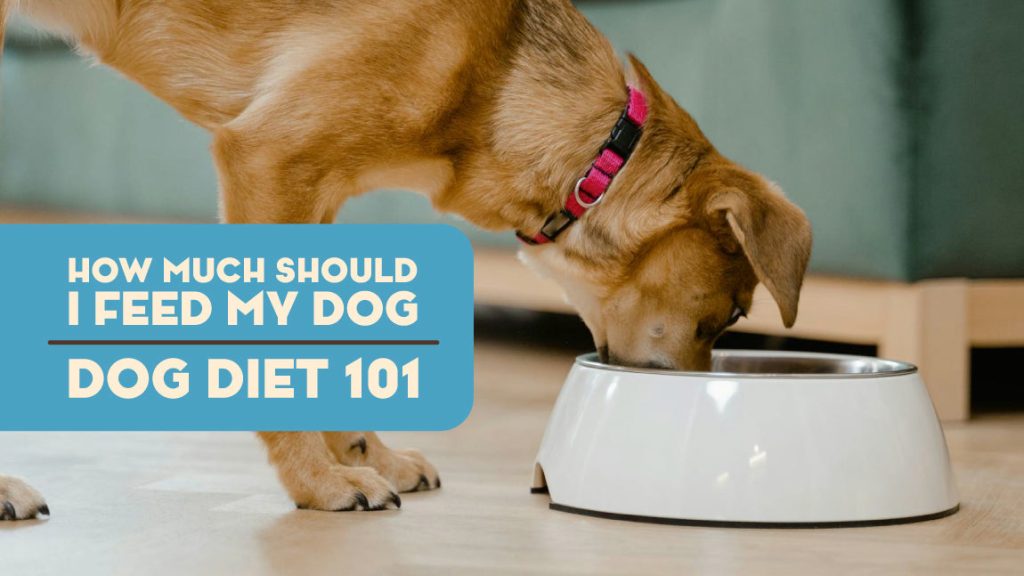

Are you unsure about how much food your adult dog really needs? Feeding your dog the right amount is key to keeping them healthy, happy, and full of energy.
Too much or too little can cause problems, but finding the perfect portion isn’t always easy. You’ll discover simple tips to help you understand your dog’s unique needs and learn exactly how much to feed them. Keep reading to make sure your furry friend gets just the right amount every day.
Daily Calorie Needs
Understanding your adult dog’s daily calorie needs is vital for maintaining a healthy weight. Proper calorie intake supports energy, body functions, and overall well-being. Every dog requires a different amount based on several factors.
Factors Influencing Calorie Requirements
Calorie needs vary widely among dogs. Key factors include:
- Size and weight:Larger dogs need more calories than smaller ones.
- Age:Older dogs often require fewer calories due to lower activity.
- Activity level:Active dogs burn more energy and need more food.
- Breed:Some breeds have faster metabolisms and higher energy needs.
- Health status:Illness or medical conditions can affect calorie needs.
- Spaying/neutering:This can lower a dog’s metabolism slightly.
Estimating Your Dog’s Energy Needs
Start by calculating your dog’s Resting Energy Requirement (RER). Use this formula:
| RER Formula | Description |
|---|---|
| RER = 70 × (Body Weight in kg)^0.75 | Energy needed at rest, in calories |
Next, multiply RER by an activity factor:
- 1.2 to 1.4 for inactive or older dogs
- 1.5 to 1.8 for average active dogs
- 2.0 to 5.0 for working or highly active dogs
The result gives the daily calorie amount your dog needs. Adjust portions based on body condition and weight changes. Always monitor your dog’s weight and energy levels regularly.
Portion Size Guidelines
Determining the right portion size for your adult dog is crucial to keep them healthy and energetic. The amount of food your dog needs depends on several factors like their size, breed, and daily activity. Getting this right helps prevent both underfeeding and obesity, which can lead to serious health problems.
Using Feeding Charts
Feeding charts provide a helpful starting point to estimate how much food your dog should eat each day. These charts usually break down portions based on your dog’s weight and the type of food. Look for charts on your dog food packaging or trusted pet nutrition websites.
For example, a dog weighing 30 pounds might require 1 to 1.5 cups of dry food daily according to common feeding charts. But remember, these are general guidelines—your dog’s individual needs can vary.
Adjusting Portions By Weight And Activity
You should adjust the portion size based on your dog’s current weight and activity level. If your dog is very active, they will need more calories to maintain their energy. Conversely, less active or older dogs often need smaller portions to avoid weight gain.
Think about your dog’s daily routine: Do they run around all day or mostly nap? You might start with the feeding chart’s recommendation and then increase or decrease portions by 10-20% depending on how your dog’s weight changes over time.
Have you noticed your dog gaining or losing weight without a change in food amount? That’s a sign to tweak their portions. Always monitor your dog’s body condition regularly and consult your vet if unsure.
Types Of Dog Food
Choosing the right food for your dog is essential. It affects their health and happiness. Understanding the types of dog food helps you make informed decisions.
Dry Kibble Vs. Wet Food
Dry kibble is a popular choice for many dog owners. It’s convenient and easy to store. Kibble helps keep your dog’s teeth clean. It reduces plaque and tartar buildup.
Wet food, on the other hand, is more palatable. It’s softer and easier for some dogs to eat. Wet food is hydrating, making it ideal for dogs who don’t drink enough water.
Raw And Homemade Diets
Raw diets consist of uncooked meats, bones, and vegetables. They are believed to mimic a dog’s natural diet. This diet needs careful planning for nutritional balance.
Homemade diets offer control over ingredients. You know exactly what your dog is eating. This option requires effort and knowledge about canine nutrition.
Feeding Frequency
Feeding frequency plays a crucial role in your adult dog’s digestion, energy levels, and overall health. How often you feed your dog can affect their metabolism and behavior throughout the day. Understanding the right feeding schedule helps you maintain your dog’s ideal weight and keeps them happy and active.
Number Of Meals Per Day
Most adult dogs do well with two meals per day—once in the morning and once in the evening. This routine mimics their natural eating habits and helps prevent hunger-induced anxiety. Some dogs with specific health needs might benefit from three smaller meals, but more frequent feeding is usually unnecessary.
Have you noticed your dog begging between meals or showing signs of low energy? Adjusting meal frequency could be the key to solving these issues. Keeping meals consistent at two times a day simplifies digestion and helps you monitor your dog’s appetite and weight.
Timing And Consistency
Feeding your dog at the same times every day creates a reliable routine that reduces stress for both of you. Dogs thrive on consistency because it sets expectations and supports healthy digestion. Try to feed your dog within the same 30-minute window each morning and evening.
If your schedule is unpredictable, consider automatic feeders to maintain timing without hassle. Changing meal times frequently can upset your dog’s stomach and cause behavioral problems. Do you find it challenging to stick to a fixed feeding schedule? Small adjustments can make a big difference in your dog’s mood and health.
Special Considerations
Feeding your adult dog isn’t just about filling their bowl. Special considerations can change how much food your dog needs every day. Paying attention to these details helps you keep your furry friend healthy and happy.
Age And Health Conditions
As dogs grow older, their metabolism slows down. This means they may need fewer calories than when they were younger. If your dog has health issues like diabetes or kidney problems, their diet needs to be adjusted carefully.
Talk to your vet about the right amount and type of food. You might need to switch to special formulas or add supplements. Have you noticed your dog gaining weight or losing energy? These signs can mean it’s time to change their food intake.
Pregnant Or Nursing Dogs
Pregnant or nursing dogs have much higher energy needs. They require more food to support their growing puppies and to produce milk. The quality of food also matters a lot during this time.
Feed them more often but in smaller portions to avoid stomach upset. Nutrient-rich diets with added protein and fat work best. Are you keeping a close eye on their weight and appetite? Adjusting their meals as their pregnancy progresses is key to their health.
Credit: brooklynpetspa.com
Monitoring And Adjusting Intake
Keeping an eye on your adult dog’s food intake is essential for their health and happiness. Dogs don’t always regulate their eating perfectly, so it’s up to you to notice when adjustments are needed. Monitoring their weight and behavior closely helps you make smart feeding choices.
Recognizing Weight Changes
Watch your dog’s body shape regularly. You should be able to feel their ribs without pressing hard, but they shouldn’t be visible. If your dog starts gaining or losing weight unexpectedly, it’s time to re-evaluate their food portions.
Small changes in weight can happen quickly. If you notice your dog’s belly appears rounder or their hips look more pronounced, these are signs to adjust their intake. Keep a weekly log of their weight or take photos to track progress over time.
When To Consult A Vet
If adjusting food doesn’t help your dog maintain a healthy weight, talk to your vet. Sudden weight loss or gain could signal health issues that need professional attention. Your vet can recommend the right diet and rule out problems like thyroid disorders or diabetes.
Also, if your dog shows signs of low energy, excessive thirst, or changes in appetite, don’t wait to get advice. Sometimes, what seems like a feeding issue is actually a medical problem. Getting expert help early can keep your dog safe and comfortable.
Common Feeding Mistakes
Feeding your adult dog might seem straightforward, but many pet owners make common mistakes that affect their dog’s health. Understanding these errors can help you avoid problems like weight gain or nutritional imbalance. Let’s look at some feeding pitfalls that could be silently harming your furry friend.
Overfeeding Risks
Giving your dog too much food is a frequent mistake. Many owners believe that a fuller bowl means a happier pet, but excess calories lead to weight gain and related health issues like joint pain and diabetes.
Think about how often you refill the bowl or offer seconds just because your dog looks hungry. Instead, stick to recommended portion sizes based on your dog’s weight and activity level.
Have you noticed your dog gaining weight despite regular exercise? Overfeeding might be the culprit. Use a measuring cup to control portions precisely and prevent accidental overeating.
Ignoring Treat Calories
Treats are a great way to reward your dog, but they can quickly add up in calories. Many owners don’t count these extras when calculating daily food intake, leading to unintentional overfeeding.
If you give several treats throughout the day, it’s easy to overlook how much extra energy your dog is consuming. Even healthy snacks like carrots or small bits of cheese contribute to the total calorie count.
Ask yourself: Are you factoring treats into your dog’s daily calorie budget? Cutting back on treats or adjusting meal portions can help maintain a healthy balance.

Credit: www.aldog.com
Credit: dogsauce.co
Frequently Asked Questions
How Much Food Does An Adult Dog Need Daily?
Adult dogs typically need 2-3% of their body weight in food daily. This varies by breed, activity, and health.
What Factors Affect Adult Dog Food Quantity?
Age, weight, activity level, metabolism, and health status impact how much food an adult dog requires.
How To Measure The Right Food Portion For Dogs?
Use a kitchen scale or measuring cup to portion food. Follow vet or packaging guidelines for accuracy.
Can Overfeeding Adult Dogs Cause Health Issues?
Yes, overfeeding can lead to obesity, joint problems, and reduced lifespan in adult dogs.
Conclusion
Feeding adult dogs the right amount keeps them healthy and happy. Watch your dog’s weight and energy to adjust food portions. Different dogs need different amounts based on size, age, and activity. Consult your vet for guidance if unsure. Consistent meals help avoid overeating or hunger.
Balanced feeding supports a long and active life for your dog. Small changes make a big difference in your pet’s health. Keep feeding simple and regular for the best results.