
If you have a German Shepherd, you want to make sure your dog gets the best nutrition at every stage. One big question many owners face is: When should I start my GSD on adult dog food?
Choosing the right time can affect your dog’s health, energy, and growth. You’ll discover clear signs and expert tips to help you make the best decision for your loyal companion. Keep reading to learn exactly when and how to make this important switch smoothly.
Growth Stages Of A German Shepherd
German Shepherds go through distinct growth stages. Each stage demands specific nutrition. Understanding these stages helps in feeding them right.
Puppy Phase
The puppy phase lasts until about six months. During this time, they grow rapidly. They need a balanced diet rich in proteins and fats. Puppy food supports bone and muscle development. It also fuels their high energy levels.
Adolescent Changes
Between six months and two years, they’re adolescents. Growth slows, but energy remains high. They start showing adult behaviors. Their diet should gradually shift. Transition to a mix of puppy and adult food. This phase is crucial for proper development.
Adult Maturity
By two years, they’re adults. Growth stabilizes, energy levels even out. Now, they need adult dog food. It should support their active lifestyle. Ensure it’s rich in essential nutrients. Adult food helps maintain their health and vitality.
Nutritional Needs At Different Ages
Dogs need different nutrients at different stages of life. Their bodies grow, develop, and change. Feeding your German Shepherd Dog (GSD) the right food supports their health and energy. Understanding these needs helps you choose the best diet at the right time.
Puppy Nutrition
Puppies grow fast and need more calories than adults. Their food must have high protein and fat for muscle and brain development. Calcium and phosphorus are vital for strong bones. Puppy food is softer and easier to chew. Feeding multiple small meals daily suits their small stomachs.
Transition To Adult Diet
GSDs usually move to adult food between 12 and 18 months. Their growth slows, so calorie needs drop. Adult food has less fat and balanced protein. Changing food too early or late can cause health problems. Switch gradually over 7 to 10 days to avoid stomach upset.
Maintaining Adult Health
Adult dogs need food to keep muscles and energy. Their diet should support joint health and immune function. Look for food with antioxidants, omega fatty acids, and fiber. Regular exercise and a balanced diet help maintain ideal weight. Monitor your GSD’s health and adjust food as needed.
Signs Your Gsd Is Ready For Adult Food
Knowing when to switch your German Shepherd Dog (GSD) from puppy food to adult dog food can feel tricky. Watch for clear signs that your dog’s body and habits are ready for this change. These clues help you provide the right nutrition for their growing needs.
Physical Development Indicators
Your GSD’s size and body shape are the first clues. When their adult teeth have mostly come in, usually around 6 months, it’s a sign their digestive system can handle adult food better. Also, if their growth in height and length begins to slow, it means they are moving out of the rapid growth phase.
Check their muscle tone too. A stronger, more defined body shows they’re maturing physically and need a diet that supports maintenance rather than growth.
Behavioral Changes
Changes in your dog’s behavior often point to readiness for adult food. If your GSD seems less hyperactive and more focused, this might mean their energy demands are shifting. They may also start showing less interest in constant snacking, indicating their metabolism is changing.
Have you noticed your dog settling down during playtime or resting more? These shifts can signal it’s time to adjust their diet accordingly.
Weight And Energy Levels
Keeping an eye on your GSD’s weight is crucial. If they maintain a steady, healthy weight without rapid fluctuations, this suggests their growth phase is ending. Also, their energy levels becoming more consistent throughout the day means they no longer need the high-calorie puppy food.
Is your dog still bouncing off the walls at night, or are they more balanced? This can guide you in deciding if the switch to adult dog food will support their current lifestyle best.
Credit: www.renspets.com
Timing Tips From Experts
Knowing the right time to switch your German Shepherd Dog (GSD) to adult food can make a big difference in their health and energy levels. Experts share clear guidelines that help you avoid common pitfalls and make the change smooth for your dog. Let’s dive into their timing tips that can help you make the best choice.
Ideal Age To Switch
Most vets agree that the best time to switch your GSD from puppy to adult food is between 12 and 18 months. This age range matches when their growth slows down and their nutritional needs shift. Switching too early can cause nutrient imbalances, while switching too late might lead to unwanted weight gain.
Think about your dog’s size and activity level too. Some larger GSDs benefit from waiting closer to 18 months, while smaller or less active dogs might be ready at 12 months. Ask yourself: is your dog still growing rapidly or settling into adulthood?
Gradual Transition Strategies
Experts recommend a gradual switch over 7 to 10 days to prevent digestive upset. Start by mixing 25% adult food with 75% puppy food. Each day, increase the adult portion and decrease the puppy portion until your dog is eating only adult food.
Keep a close eye on your dog’s stool quality and energy levels during the switch. If you notice any signs of discomfort or changes in appetite, slow down the transition pace. A smooth change helps your dog’s gut adjust without stress.
Avoiding Common Mistakes
- Rushing the switch:Changing too quickly can cause diarrhea or vomiting.
- Ignoring your dog’s individual needs:Not all GSDs mature at the same rate; adjust timing accordingly.
- Sticking with puppy food too long:It’s easy to forget to switch, but excess calories may lead to obesity.
- Not consulting your vet:Your vet can provide personalized advice based on your dog’s health and growth.
Have you noticed how your GSD reacts when you change their diet? Paying attention to these details will help you avoid mistakes and keep your dog happy and healthy during this important transition.
Choosing The Right Adult Dog Food
Choosing the right adult dog food for your German Shepherd Dog (GSD) is important. It supports their health, energy, and longevity. Adult dog food differs from puppy food in nutrient balance and calorie content. Picking the best formula helps maintain your GSD’s muscle tone and joint health.
Focus on quality ingredients and a recipe that fits your dog’s specific needs. Every GSD is unique, so diet choices must match their activity level and health status. Understanding what to look for makes this task easier and ensures your dog stays strong and happy.
Key Ingredients To Look For
- High-quality protein sources like chicken, beef, or fish
- Healthy fats such as omega-3 and omega-6 fatty acids
- Complex carbohydrates like brown rice or sweet potatoes
- Essential vitamins and minerals for overall health
- Glucosamine and chondroitin for joint support
Special Considerations For Gsds
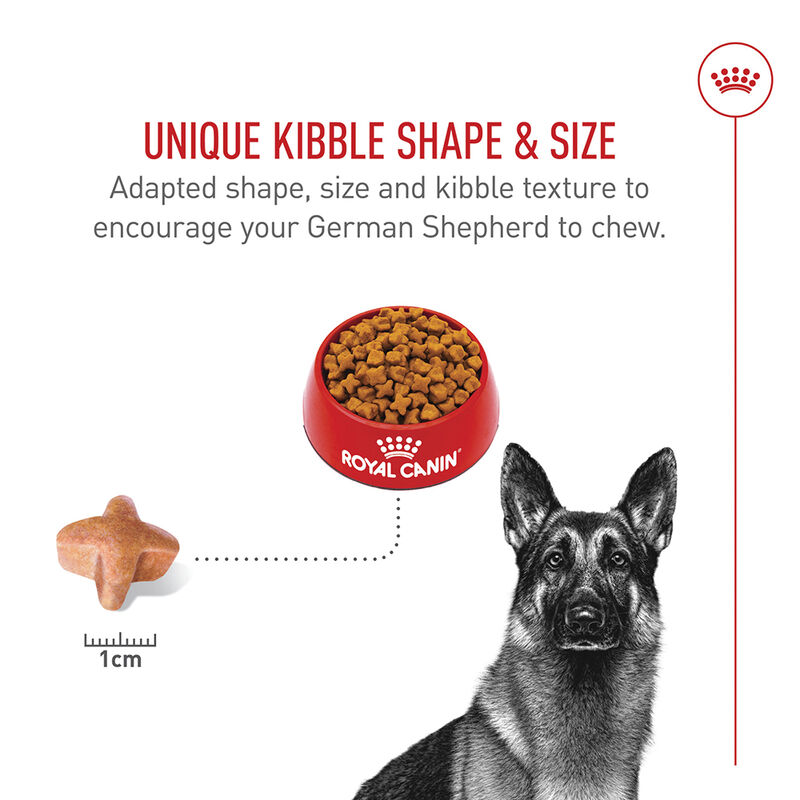
GSDs are large, active dogs with strong muscles. They need food that supports their energy and joint health. Avoid foods with fillers or artificial additives. Their sensitive stomachs benefit from easily digestible ingredients. Weight control is crucial to prevent joint strain. Look for formulas designed for large breeds.
Consulting Your Veterinarian
Your vet knows your dog’s health history best. Discuss diet changes before switching to adult food. They can recommend specific brands or nutrients your GSD needs. Regular check-ups help track your dog’s health and adjust the diet if needed. Trust professional advice for the best results.
Credit: www.petco.com
Monitoring Your Dog Post-transition
Monitoring your German Shepherd Dog after switching to adult food is crucial. This phase ensures the new diet suits your dog’s needs. Careful observation helps avoid health issues and keeps your dog happy and energetic.
Tracking Weight And Health
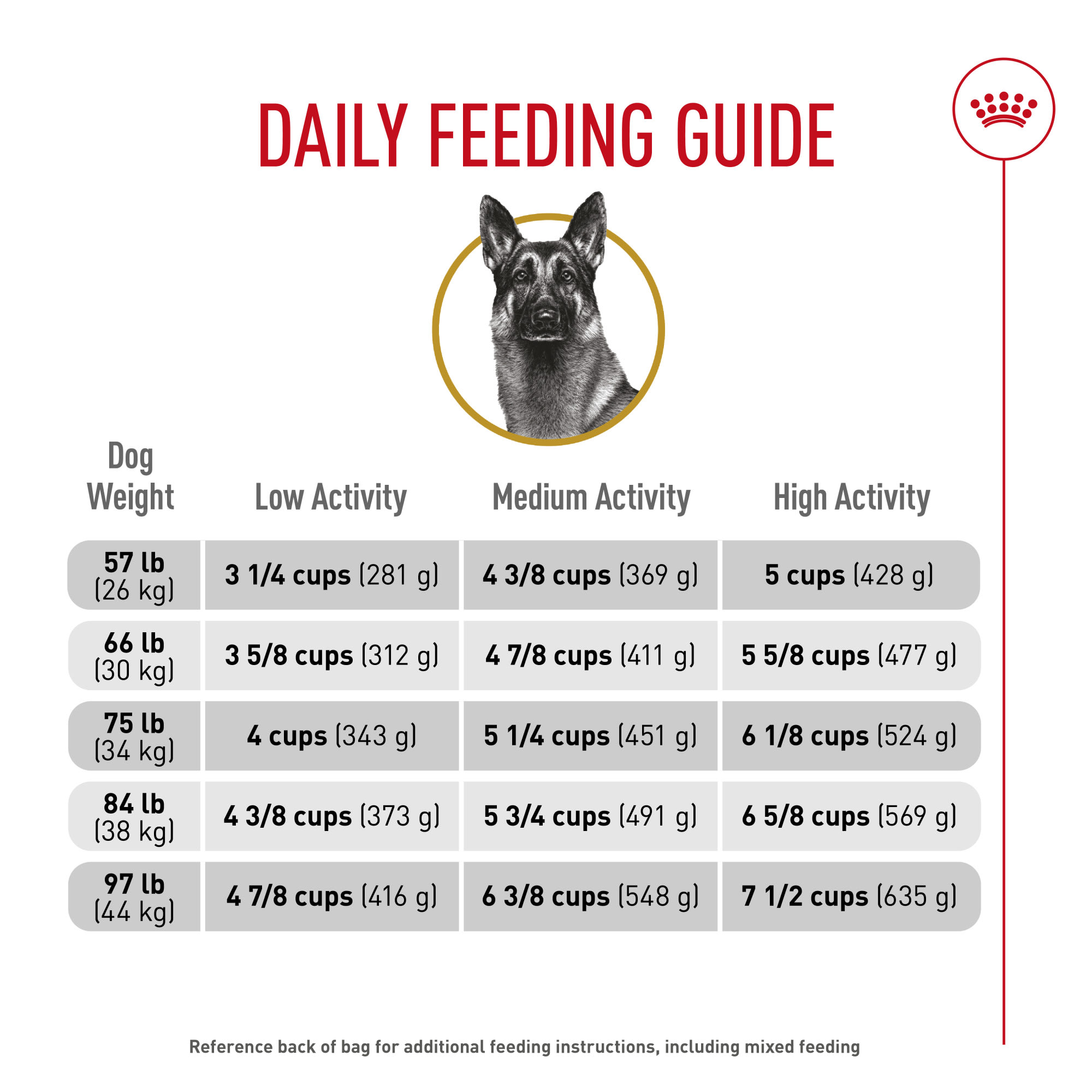
Check your dog’s weight weekly. Use a scale or visit the vet for accurate readings. Notice changes in energy levels and coat condition. Healthy skin and a shiny coat show good nutrition. Sudden weight loss or gain needs attention.
Adjusting Portions
Start with recommended serving sizes on the dog food package. Watch your dog’s appetite and activity. Increase or decrease portions based on weight changes. Avoid overfeeding to prevent obesity. Consistency in feeding times helps digestion.
Recognizing Food Sensitivities
Watch for signs like itching, vomiting, or diarrhea. These may indicate sensitivity to the new food. Introduce the new diet gradually over 7-10 days. This helps your dog adjust without stomach upset. Consult your vet if symptoms persist or worsen.
Credit: www.renspets.com
Frequently Asked Questions
When Is The Right Age To Switch Gsd To Adult Food?
Typically, switch your German Shepherd to adult food at 12 months. Larger breeds like GSDs mature slower, so this timing supports healthy growth and development.
How Do I Know If My Gsd Needs Adult Dog Food?
Look for signs like slowed growth and changed activity levels. When your GSD stops growing rapidly, it’s time to transition to adult food.
Can Switching Too Early Harm My German Shepherd?
Yes, switching too early can lead to nutrient imbalances. Puppy food supports growth; adult food lacks extra nutrients needed by puppies.
Should I Transition Gsd Food Gradually Or Quickly?
Always transition gradually over 7-10 days. Mixing increasing amounts of adult food with puppy food prevents digestive upset and helps your GSD adjust smoothly.
Conclusion
Choosing the right time to switch your GSD to adult dog food matters. Watch for growth signs and energy changes. Talk with your vet for the best advice. Start the transition slowly to avoid tummy troubles. Remember, each dog grows at a different pace.
Feeding the right food helps keep your GSD healthy and strong. Pay attention to your dog’s needs every day. This way, you give your dog the best care possible.