Are you wondering when your puppy is ready to switch from puppy food to adult dog food? It’s a question every dog owner faces, but the answer isn’t always simple.
Feeding your furry friend the right food at the right time is key to their health and happiness. If you change their diet too soon or too late, it could affect their growth and energy. Keep reading to find out exactly when and how to make this important switch, so you can keep your dog strong and thriving for years to come.
Credit: hairtattoo.ca
Puppy Growth Stages
Puppy growth happens in clear stages. Each stage has unique needs and changes. Understanding these stages helps you feed your puppy right.
Feeding the right food at the right time supports healthy growth. Puppies need more nutrients than adult dogs. Their diet changes as they grow.
Newborn To Weaning
Puppies rely on their mother’s milk for the first few weeks. Milk provides all the nutrients needed for early growth. At around 3 to 4 weeks, puppies start tasting solid food.
Soft, puppy-formulated food mixed with water or milk replacer works best. Gradually, they eat more solid food and less milk. Weaning usually finishes by 7 to 8 weeks.
Juvenile Phase
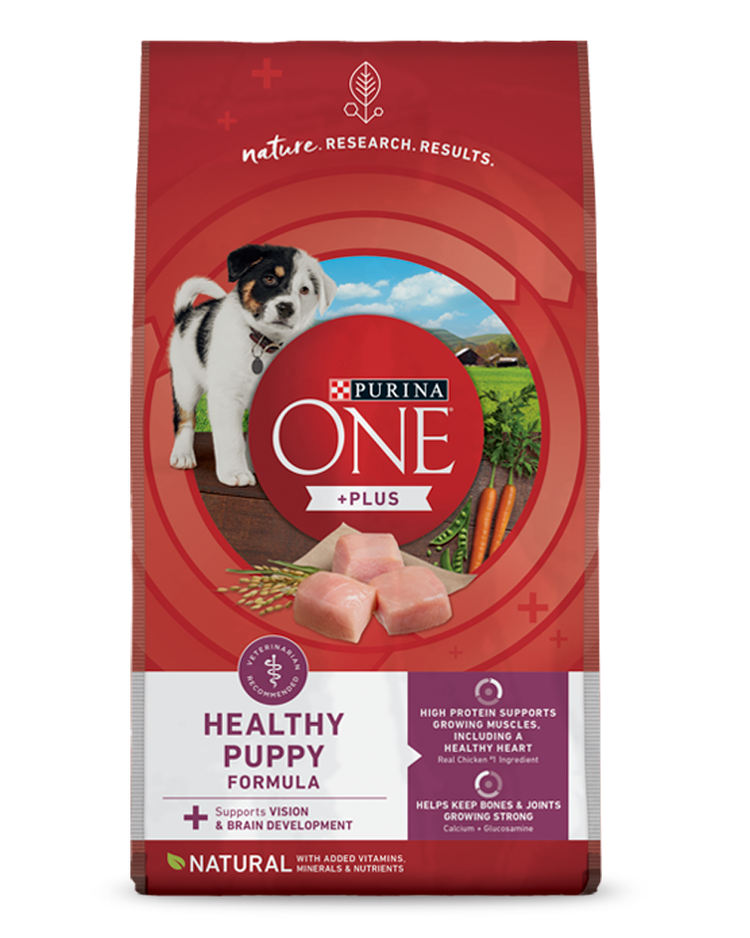
This phase lasts from 8 weeks to about 6 months. Puppies grow quickly and need high-energy food. Puppy food rich in protein and fat supports muscle and bone growth.
Feeding should be consistent and balanced. Avoid adult dog food now, as it lacks enough nutrients. Meals are usually given 3 to 4 times daily.
Adolescent Period
From 6 months to 12 months, puppies enter adolescence. Growth slows but is still important. Some large breeds may need puppy food longer.
Switching to adult food depends on size and breed. Medium and small breeds often switch around 12 months. Large breeds may wait until 18 to 24 months.
Monitor your dog’s weight and energy to decide the best time for change.
When To Switch Food
Knowing when to switch your puppy from puppy food to adult dog food is key to supporting healthy growth and development. The timing varies depending on several factors, including breed size and your puppy’s individual readiness. Making the switch too early or too late can impact your dog’s nutrition and overall health, so it’s important to watch for clear signs and understand the right age benchmarks.
Age Benchmarks By Breed Size
Different breed sizes mature at different rates. Small breed puppies usually reach adulthood faster than large breeds.
| Breed Size | Typical Age to Switch |
|---|---|
| Small Breeds (e.g., Dachshund, Chihuahua) | 9 to 12 months |
| Medium Breeds (e.g., Beagle, Cocker Spaniel) | 12 months |
| Large Breeds (e.g., Labrador, Golden Retriever) | 12 to 18 months |
| Giant Breeds (e.g., Great Dane, Mastiff) | 18 to 24 months |
Keep these timelines as a guideline, but remember your puppy’s growth rate can be unique.
Signs Puppy Is Ready
Age is just one factor; your puppy’s behavior and physical condition matter too.
- Steady growth:Your puppy’s weight gain has slowed or become more consistent.
- Decreased energy bursts:Older puppies often have calmer energy compared to the hyperactive puppy stage.
- Adult teeth:When most adult teeth have come in, it’s a strong signal your puppy is maturing.
- Weight near adult size:If your pup is close to their expected adult weight, it’s time to consider the switch.
Are you tracking these signs? They can help you decide the right moment to change food without guessing.
Risks Of Early Transition
Switching to adult dog food too soon can leave your puppy undernourished.
Puppy formulas contain higher calories and nutrients to support rapid growth. Adult food lacks this, so early change can cause nutrient gaps and affect bone and muscle development.
Additionally, an early switch may upset your puppy’s digestion, leading to diarrhea or loss of appetite. Could waiting a bit longer prevent these issues and ensure your pup thrives?
Choosing Adult Dog Food
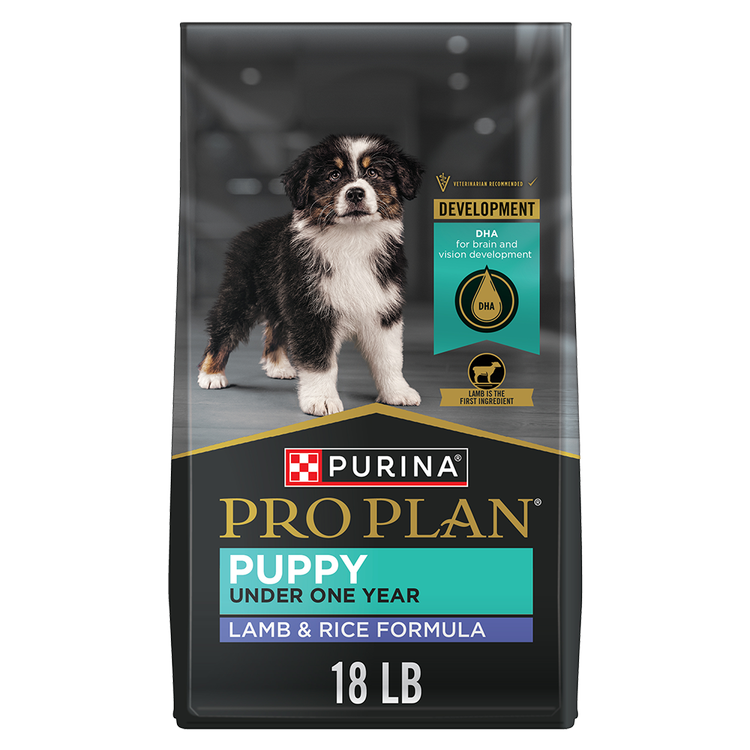
Puppies usually switch to adult dog food between 9 to 12 months old. This change supports their slower growth and different nutritional needs. Consult your vet to find the right time for your dog.
Choosing Adult Dog Food Transitioning your puppy to adult dog food is a significant milestone. But how do you know if you’re making the right choice? The right adult dog food can make a world of difference in your dog’s health and happiness.Nutritional Needs Of Adults
Adult dogs have different nutritional needs compared to puppies. As they mature, their metabolism slows down, and they may require fewer calories. This means adult dog foods often have lower calorie counts but are rich in essential nutrients to maintain optimal health. Protein remains crucial, but the quantity might be less than that in puppy food. A balanced diet with the right vitamins and minerals supports joint health and a shiny coat. Have you checked if your dog’s food includes omega-3 and omega-6 fatty acids?Comparing Puppy Vs Adult Formulas
Puppy formulas are typically higher in calories, protein, and fat to support growth. They are designed to fuel rapid development and energy levels. In contrast, adult formulas focus on maintenance rather than growth, often with reduced fat content. This switch ensures your dog doesn’t gain excess weight as their growth slows. Have you noticed if your puppy is becoming more sedentary? That’s a signal it’s time to consider adult dog food.Special Considerations
Every dog is unique, and some might require special considerations when transitioning to adult food. Breeds, size, and health conditions can influence the timing. Larger breeds might benefit from foods that support joint health. If your dog has allergies or sensitivities, you may need to choose a formula free from common allergens like soy or wheat. Consulting with your vet can provide personalized advice. Are you in touch with your vet about your dog’s dietary needs?Transitioning Diet Smoothly
Switching your puppy from puppy food to adult dog food is a crucial step that needs careful handling. A smooth transition helps avoid stomach upsets and ensures your dog gets the right nutrients during growth. How you manage this change can affect your dog’s digestion, appetite, and overall health.
Gradual Food Mixing
Start by mixing a small amount of adult dog food into your puppy’s current food. Over 7 to 10 days, slowly increase the proportion of adult food while decreasing puppy food. This gradual change gives your dog’s digestive system time to adjust without shock.
Imagine your puppy suddenly eating only adult food; it might lead to diarrhea or vomiting. By mixing foods, you reduce the risk of these issues and keep your dog comfortable. Have you noticed how sudden changes upset your own stomach? Dogs feel the same way.
Monitoring Digestive Health
Watch your dog closely during the transition. Check for signs like loose stools, vomiting, or lack of appetite. These could mean your dog needs more time with the same food mix or a slower transition.
Keep a journal of your dog’s eating habits and bathroom routine. This helps you spot patterns and decide if you need to adjust the process. If problems persist beyond a week, consult your vet to rule out allergies or sensitivities.
Adjusting Portions
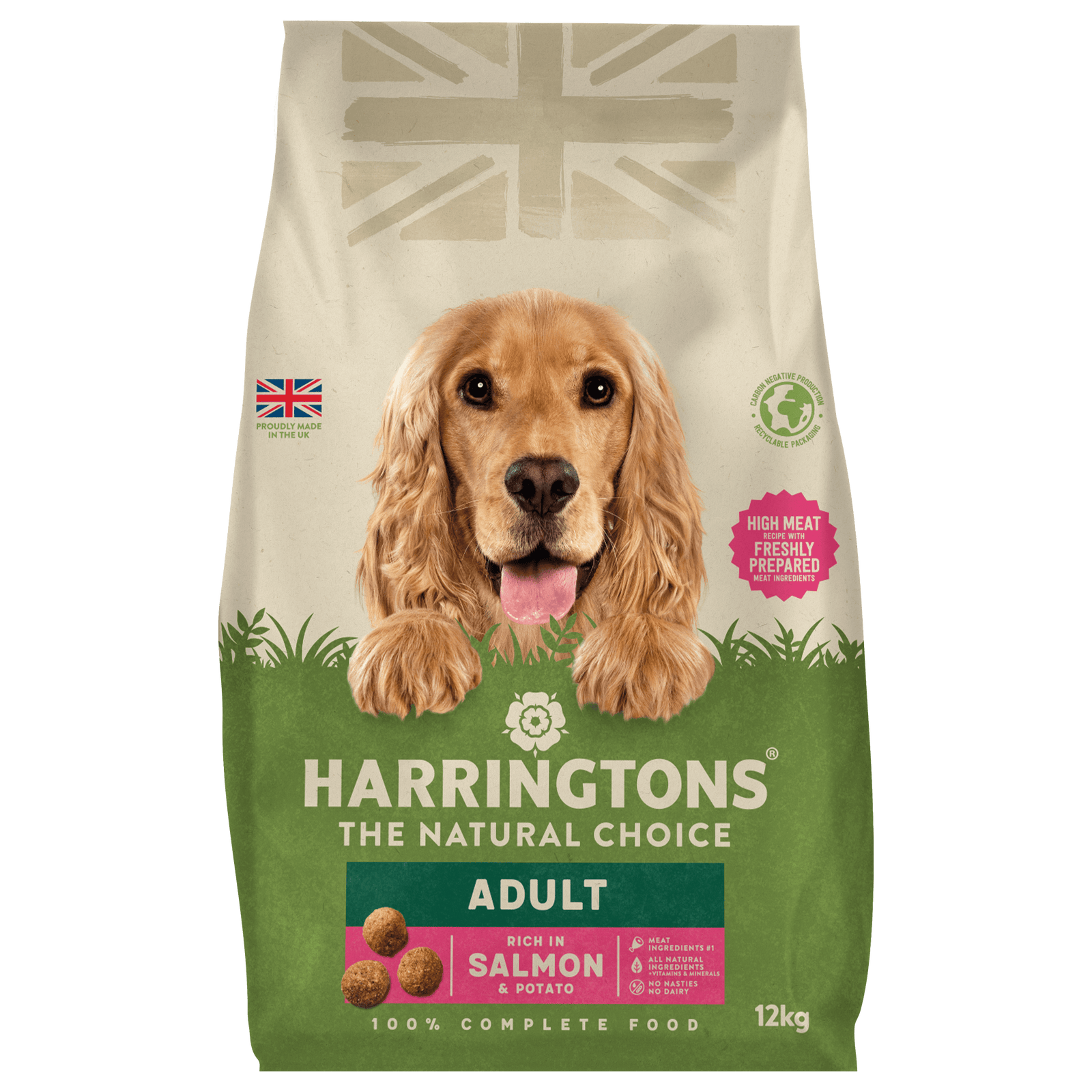
Adult dog food often has a different calorie density than puppy food. You may need to adjust meal sizes to match your dog’s energy needs and avoid weight gain or loss. Check the feeding guidelines on the packaging as a starting point.
- Weigh your dog regularly to track healthy growth.
- Feed smaller, more frequent meals if your dog seems hungry or has digestive issues.
- Don’t hesitate to tweak portions based on your dog’s activity level and body condition.
Have you ever guessed your pet’s portion size only to find out it was too much or too little? Getting this right improves your dog’s well-being and helps maintain a healthy weight.
Veterinarian Recommendations
Deciding when to switch your puppy to adult dog food is an important step in their growth journey. Veterinarians offer valuable insights tailored to your pet’s unique needs. Their advice ensures that the transition supports your dog’s health and development without risking nutritional gaps or digestive issues.
Consulting Your Vet
Always check with your veterinarian before changing your puppy’s diet. They can assess your dog’s breed, size, and growth rate to suggest the best timing. Your vet’s guidance helps avoid premature or delayed switches that might affect your dog’s energy and well-being.
Don’t hesitate to bring up any concerns during your visits. Sharing your puppy’s eating habits and behavior gives your vet a clearer picture. This open communication ensures the diet change is smooth and safe.
Tailoring To Health Conditions
If your puppy has specific health issues, your vet’s recommendation becomes even more critical. Conditions like allergies, digestive sensitivities, or growth disorders require special diets. Your veterinarian can recommend adult dog foods that address these challenges while meeting nutritional needs.
For example, a puppy with a sensitive stomach may need a gradual introduction to adult food with added probiotics. This personalized approach prevents digestive upset and supports overall health.
When To Reassess Diet
After switching to adult dog food, keep an eye on your dog’s condition and energy levels. Regular vet check-ups allow you to revisit and adjust the diet as needed. Growth stages vary, and what works at 12 months might change by 18 months.
Ask yourself: Is your dog maintaining a healthy weight? Are they active and happy? These signs tell you if the current diet still fits or if you need a new plan.
Credit: www.purina.com
Credit: www.purina.com
Frequently Asked Questions
When Should A Puppy Switch To Adult Dog Food?
Most puppies should switch to adult dog food between 9 to 12 months. Large breeds may transition later, around 12 to 18 months. Consult your vet to determine the best time based on your puppy’s breed and growth rate.
What Signs Indicate A Puppy Is Ready For Adult Food?
Signs include slowed growth, reduced energy needs, and adult teeth development. When your puppy reaches 80% of their adult size, it’s often time to switch. Always consider breed-specific growth patterns for accuracy.
Can Switching To Adult Food Too Early Harm Puppies?
Yes, switching too early can cause nutritional deficiencies. Puppies need higher protein and fat levels for growth. Early transition may lead to health issues and poor development. Follow vet advice for a smooth change.
How To Transition A Puppy To Adult Dog Food?
Gradually mix adult food with puppy food over 7 to 10 days. Increase adult food proportion daily to avoid digestive upset. Monitor your puppy’s response to ensure a smooth transition.
Conclusion
Puppies need adult dog food around one year old. This change supports their growth and health. Watch your dog’s size and energy to decide the right time. Always choose good quality food for the switch. Gradually mix new food with the old one.
This helps avoid stomach problems. Feeding the right food keeps your dog happy and strong. Remember, each dog is different. Pay close attention to your pet’s needs every day. Your care makes a big difference in their life.