
Are you wondering when the right time is to switch your puppy to adult dog food? It’s a question every dog owner faces, and getting it wrong can affect your furry friend’s health and happiness.
You want to make sure your puppy grows strong, stays energetic, and gets all the nutrients they need. But how do you know when to make the change? Keep reading, and you’ll discover the signs to watch for, the best age to switch, and tips to make the transition smooth for your beloved pet.
This is the key to helping your puppy thrive as they grow into a healthy adult dog.
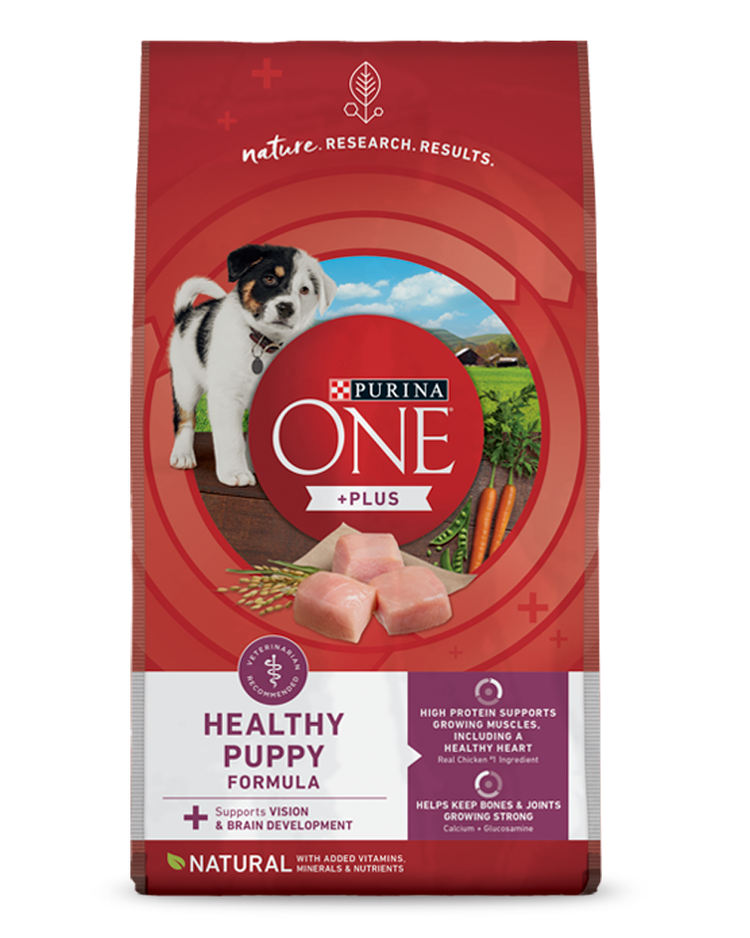
Credit: www.purina.com
Puppy Growth Stages
Understanding your puppy’s growth stages is key to knowing the right time to switch from puppy food to adult dog food. Each stage of growth has different nutritional needs that support healthy development. Paying attention to these stages helps you make the best choice for your furry friend’s diet.
From Newborn To Weaning
During the first few weeks, puppies rely entirely on their mother’s milk for nutrition. This milk provides essential antibodies and nutrients needed for early development. Around 3 to 4 weeks old, puppies start the weaning process, gradually trying solid foods.
Introducing soft, puppy-specific food during weaning helps ease the transition. This stage is delicate, so keep an eye on how your puppy reacts to new textures and tastes. Ensuring they get enough calories and nutrients at this time sets the foundation for healthy growth.
Rapid Growth Phase
Between 6 weeks and 6 months, puppies experience rapid growth. Their energy and nutrient needs are at their peak during this phase. Puppy food is specially formulated with higher protein, fat, and calorie content to support this burst of development.
During this stage, you’ll notice your puppy becoming more active and playful. Their bones, muscles, and organs are developing quickly, so feeding them a well-balanced puppy diet is crucial. Have you noticed how your puppy’s appetite can suddenly increase? That’s a sign they’re growing fast and need more fuel.
Signs Of Maturity
By around 9 to 12 months, many puppies start showing signs of maturity. Their growth rate slows down, and their body shape begins to resemble that of an adult dog. This is usually the time to consider switching to adult dog food.
Look for signs like a full set of adult teeth, a decrease in rapid growth, and a more stable energy level. Keep in mind, larger breeds may take longer to mature than smaller ones. Do you know your puppy’s breed-specific growth timeline? It’s a helpful detail when deciding the right time to change their diet.
Differences Between Puppy And Adult Food
Understanding the differences between puppy and adult dog food is key to deciding the right time to switch your furry friend’s diet. Puppies and adult dogs have distinct nutritional requirements, and feeding them the wrong food can affect their growth and health. Let’s look at how these foods differ so you can make the best choice for your dog’s well-being.
Nutritional Needs
Puppies need more protein and fat than adult dogs to support their rapid growth and high energy levels. Their food is designed to help build strong muscles, bones, and a healthy immune system. Adult dogs, however, require balanced nutrition to maintain their weight and prevent health issues like obesity.
Have you noticed how your puppy seems to eat almost constantly? That’s because their bodies are working hard to grow, and they need the extra nutrients. Switching to adult food too early can leave them without the essential building blocks they need.
Ingredient Variations
Puppy food often contains added vitamins, minerals, and DHA, an omega-3 fatty acid important for brain development. These ingredients support cognitive growth and help your puppy develop sharp senses. In contrast, adult dog food focuses more on maintaining overall health, with ingredients aimed at joint support and digestion.
For example, adult formulas may include glucosamine for joint health, which is less critical in puppy diets. Paying attention to ingredient lists helps you understand what your dog is getting at each stage of life.
Caloric Content
Puppy food generally has a higher calorie count to match their energetic lifestyle and growth demands. This higher energy content ensures they get enough fuel without overeating. Adult dog food contains fewer calories to prevent unwanted weight gain as your pet’s activity level stabilizes.
Have you ever wondered why your adult dog seems less hungry? Their slower metabolism and lower energy needs mean they don’t require as many calories as they did as puppies. Adjusting their food to these changing needs keeps them healthy and happy.
Ideal Age To Switch
Switching your puppy to adult dog food is a significant milestone in their life. It reflects their growth and maturity, indicating they are ready for a diet that supports their adult needs. However, the right time to make this switch varies based on the size and breed of your dog.
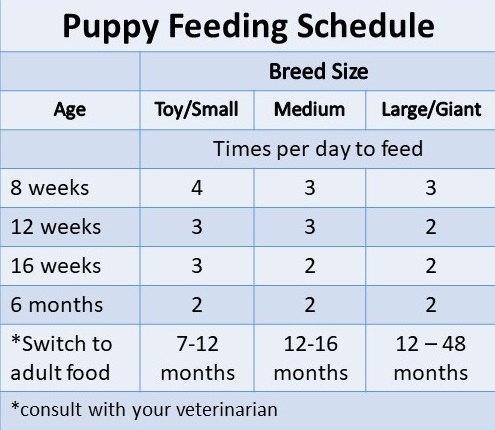
Small Breeds
Small breed puppies mature faster than their larger counterparts. They often reach adulthood by 9 to 12 months. This is the ideal age to transition them to adult dog food. Their rapid metabolism means they need a diet that supports their high energy levels, even as adults.
Medium Breeds
Medium breeds typically reach maturity between 12 to 14 months. This is when you can consider switching them to adult dog food. Remember that every dog is unique. Monitor your dog’s growth and energy levels to ensure they are ready for the change.
Large And Giant Breeds
Large and giant breeds take longer to mature. They often continue growing until they are 18 to 24 months old. It’s crucial not to rush this transition, as these breeds need the extra nutrients found in puppy food to support their extended growth period.
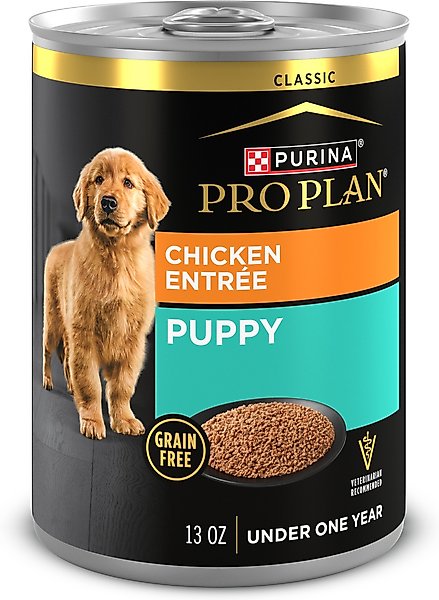
Have you noticed changes in your puppy’s appetite or energy levels? These can be signs they are ready for adult dog food. Always consult your veterinarian before making significant changes to your pet’s diet. They can provide personalized advice based on your dog’s specific needs and development.
Credit: www.chewy.com
Health Indicators For Transition
Knowing the right time to switch your puppy to adult dog food is important for their health. Certain signs help indicate when your puppy is ready for this change. Watch for these health indicators to support a smooth transition.
Teeth Development
Puppies start losing baby teeth around four months old. Adult teeth usually appear by six to seven months. When most adult teeth have grown in, the puppy’s mouth can handle different textures. This change supports switching to adult dog food.
Weight And Size
Puppies grow fast but slow down as they near adult size. When your puppy reaches about 80% of their expected adult weight, it may be time to switch. Size varies by breed, so use this as a guide, not a rule.
Energy Levels
Puppies are very active, but energy often steadies by the time they are six to twelve months old. If your dog’s energy is less frantic and more balanced, their nutritional needs may shift. Adult dog food can meet these new energy requirements.
How To Transition Smoothly
Switching your puppy to adult dog food requires patience and careful observation. A smooth transition helps avoid digestive upset and keeps your dog excited about mealtime. How can you make this change easy and stress-free for your furry friend?
Gradual Mixing Method
Start by mixing a small amount of adult dog food with your puppy’s current food. A good rule is to begin with 25% adult food and 75% puppy food. Over the next 7 to 10 days, slowly increase the adult food portion while decreasing the puppy food.
This slow change gives your puppy’s stomach time to adjust. It also helps you spot any food preferences or sensitivities early. Have you noticed your dog’s favorite flavors? Use that insight to choose the best adult formula.
Monitoring Reactions
Watch your puppy closely during the transition. Look for signs like vomiting, diarrhea, or loss of appetite. These can indicate the food isn’t agreeing with them yet.
If you see any negative reactions, pause the transition and consult your vet. Sometimes, switching slower or trying a different adult food brand can make all the difference. How does your puppy usually react to new foods or treats?
Adjusting Portions
Your puppy’s nutritional needs change as they grow, so adjust meal sizes accordingly. Adult dog food often has different calorie content, so measure portions carefully to avoid overfeeding or underfeeding.
Keep track of your dog’s weight and energy levels during this stage. This feedback helps you find the perfect portion size that keeps your dog healthy and happy. Are you prepared to tweak feeding amounts based on your dog’s activity and growth?
Common Mistakes To Avoid
Switching your puppy to adult dog food is a big step, but it’s easy to make mistakes that could affect their health. Understanding what to avoid will help you make the transition smoother and safer for your furry friend. Here are some common errors many pet owners fall into when deciding the right time and way to switch their puppy’s diet.
Switching Too Early
One common mistake is moving your puppy to adult food before they’re ready. Puppies need specific nutrients to support their rapid growth and development, which adult food might lack. If you switch too soon, your puppy could miss out on essential vitamins and minerals.
Think about your puppy’s breed and size. Larger breeds may need puppy food longer to support their extended growth period. Have you checked your vet’s advice on the right timing for your specific puppy?
Abrupt Changes
Switching from puppy to adult food suddenly can upset your dog’s stomach. Puppies have sensitive digestive systems that need time to adjust to new ingredients and textures. An abrupt change might cause diarrhea, vomiting, or loss of appetite.
Try mixing small amounts of adult food into your puppy’s meals over 7-10 days. Gradually increase the adult food portion while decreasing puppy food. This slow transition helps your puppy’s digestive system adapt comfortably.
Ignoring Breed Differences
Not all breeds grow and develop the same way, yet many owners treat them identically when switching foods. Small breeds mature faster and might be ready for adult food earlier, while giant breeds take longer to reach full growth.
For example, a Chihuahua might switch to adult food around 9-12 months, but a Great Dane may need puppy food up to 18-24 months. Are you tailoring your approach to your puppy’s breed and size? Ignoring these differences can lead to nutritional gaps or excesses.
Special Considerations
Switching your puppy to adult dog food isn’t just about age or size—it demands a closer look at your puppy’s unique needs. Certain factors can affect the timing and type of adult food you choose. Paying attention to these special considerations will help keep your furry friend healthy and happy during this important transition.
Puppies With Health Issues
If your puppy has health problems, switching to adult food requires extra care. Conditions like digestive troubles or growth delays mean their nutritional needs differ from typical puppies. You might need to delay the switch or select a formula that supports their specific condition.
For example, a puppy with sensitive stomachs may benefit from adult foods with easily digestible ingredients. Ignoring health issues can lead to poor growth or worsen symptoms. Are you watching for signs that your pup isn’t adjusting well to new food?
Dietary Allergies
Allergies make food transitions trickier. Puppies with food allergies need careful ingredient checks before switching to adult dog food. Avoid common allergens like certain grains, chicken, or beef if your puppy has shown reactions.
You can gradually introduce a hypoallergenic adult formula to see how your puppy responds. Keeping a food diary helps track any allergic reactions during this phase. Have you noticed your puppy scratching or digestive upset after meals?
Consulting Your Vet
Your vet is your best guide when deciding the right time to switch foods. They can assess your puppy’s growth, weight, and overall health to recommend the ideal adult food type and timing. Don’t hesitate to ask about any concerns you have during the transition.
Vets can also suggest special diets if your puppy has unique needs or allergies. Remember, what works for one puppy might not work for another. How often do you check in with your vet about your puppy’s nutrition?
Credit: www.chewy.com
Frequently Asked Questions
When Is The Best Time To Switch Puppies To Adult Food?
Puppies typically switch to adult dog food between 9 to 12 months. Large breeds may need longer, about 12 to 18 months. Transition gradually to avoid digestive upset. Consult your vet for breed-specific timing and portion advice.
How To Transition Puppies To Adult Dog Food Safely?
Switch gradually over 7 to 10 days by mixing increasing amounts of adult food with puppy food. This reduces stomach upset and helps your puppy adjust to new nutrition. Monitor your puppy’s response and adjust as needed.
What Signs Indicate My Puppy Is Ready For Adult Food?
Look for slowed growth, smaller appetite, and adult teeth development. Your puppy’s energy levels may stabilize, signaling maturity. If unsure, consult your vet to confirm your puppy’s readiness for adult food.
Can Switching Too Early Harm My Puppy’s Health?
Yes, switching too early can cause nutritional deficiencies and digestive issues. Puppies need higher protein and fat for growth. Premature change can stunt growth and weaken immunity. Always follow vet recommendations for timing.
Conclusion
Puppies grow fast and need the right food at each stage. Switch to adult dog food around one year old, or as your vet advises. Watch your puppy’s size, energy, and health for clues. A smooth change helps avoid stomach upset.
Always choose quality food to support your dog’s health. Feeding well sets a strong foundation for a happy, active life. Keep your dog’s needs in mind and adjust feeding as they grow. Simple steps lead to a healthy, happy adult dog.