Are you wondering if it’s time to switch your 1-year-old dog to adult food? You want to make sure your furry friend gets the right nutrition without risking their health.
Choosing the right food can feel confusing, especially when you see so many options on the shelf. But what if the answer is simpler than you think? Keep reading, because understanding when and why to switch your dog’s food could make a big difference in their energy, happiness, and overall well-being.
Don’t miss out on these important tips that every dog owner needs to know!
Credit: www.chewy.com
When To Transition To Adult Food
Knowing when to switch your dog from puppy food to adult food is crucial for their health and growth. Transitioning too early or too late can affect their energy levels, digestion, and overall well-being. Understanding the right timing ensures you provide the best nutrition for your furry friend at every stage.
Age Guidelines For Switching
Most dogs are ready to move to adult food around their first birthday. However, this can vary slightly depending on their growth rate and activity level.
- Small breeds often mature faster and may be ready by 9 to 12 months.
- Medium to large breeds usually switch between 12 to 15 months.
- Giant breeds sometimes need puppy food until 18 to 24 months due to slower growth.
Watch your dog’s behavior and weight closely. Are they still growing rapidly or seem more energetic than usual? If yes, they might need to stay on puppy food a bit longer to support development.
Breed And Size Considerations
Your dog’s breed and size play a big role in deciding when to transition their diet. Larger dogs have different nutritional needs than smaller ones, especially during growth.
- Small breedsburn energy faster and mature quicker, so switching to adult food earlier often works best.
- Large and giant breedsneed controlled calcium and protein levels to prevent joint problems, so their transition is slower.
- Mixed breedscan be tricky — observe their size and growth patterns closely to decide the right time.
Have you noticed your dog’s breed influencing their appetite or energy? Adjusting their diet based on these traits can make a big difference. Remember, consulting your vet can provide personalized advice tailored to your dog’s unique needs.
Credit: www.purina.com
Differences Between Puppy And Adult Food
Understanding the differences between puppy and adult dog food is essential before making any changes to your dog’s diet. Both types of food are specially designed to meet the unique needs of dogs at different life stages. Knowing these differences helps you decide if switching to adult food for your 1-year-old dog is a good idea.
Nutritional Needs
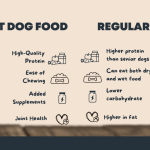
Puppies need higher levels of protein and fat to support their rapid growth and development. Their food contains extra vitamins and minerals like calcium and phosphorus to build strong bones and teeth.
Adult dogs, however, require a balanced diet that maintains their health without promoting excessive weight gain. Their nutritional needs focus more on sustaining energy and muscle mass rather than growth.
Calorie Content
Puppy food usually has more calories per serving to fuel active, growing bodies. Feeding adult food to a puppy might not provide enough energy, causing slow growth or weight loss.
On the other hand, adult dog food has fewer calories to prevent obesity as your dog’s activity level slows down. If you switch to adult food too early, your dog might not get enough calories to stay healthy and active.
Ingredient Variations
Puppy formulas often include ingredients that support brain development, such as DHA from fish oil. They also use easily digestible proteins and fats to protect sensitive stomachs.
Adult dog food typically contains ingredients that promote joint health and a healthy coat. It may also have added fiber to support digestion and weight management.
Have you noticed how your dog’s eating habits change as they grow? Paying attention to these ingredient differences can help you choose the right food at the right time.
Potential Risks Of Early Transition
Switching a one-year-old dog to adult food too soon may cause digestion problems. Nutrient imbalances can affect growth and energy levels. Careful timing ensures a smooth and healthy transition for your dog.
Potential Risks of Early Transition Transitioning a young dog to adult food too soon can pose risks. Each dog’s nutritional needs vary based on age and size. Feeding adult food to a one-year-old dog prematurely could lead to several issues. These include nutrient deficiencies, digestive problems, and growth concerns. Let’s explore these potential risks in detail.Nutrient Deficiencies
Puppies require specific nutrients for growth. Adult dog food may lack these essential nutrients. Deficiencies can affect bone development. It can also impact muscle growth and overall health. Puppies need more protein and fat. Adult food often has lower levels of these nutrients. This can result in stunted growth or weakened bones. Ensuring proper nutrition is crucial for a young dog’s health.Digestive Issues
A sudden switch can upset a puppy’s stomach. Puppies have sensitive digestive systems. Adult food might be harder to digest. This can cause vomiting or diarrhea. Gradual transitions are better for a puppy’s tummy. Always monitor your dog’s reaction to new food. Watch for any signs of discomfort. Digestive health is key to a happy puppy.Growth Concerns
Growth is rapid in the first year of a dog’s life. Proper nutrition supports this vital phase. Adult dog food might not support a puppy’s growth needs. This can lead to uneven growth or skeletal issues. Puppies need a balanced diet to thrive. Growth concerns can have long-term effects. Monitoring your dog’s development is important. Always consult with a vet for dietary advice.Benefits Of Switching To Adult Food
Switching your dog to adult food around their first birthday offers several important benefits. Adult dog food is specially designed to meet the changing needs of your pet as they move from puppyhood into maturity. This helps maintain their health, energy, and overall well-being in ways puppy food can’t.
Balanced Nutrition For Maturity
Adult dog food provides the right balance of proteins, fats, and carbohydrates to support your dog’s stable growth and energy levels. Unlike puppy food, it avoids excess calories and nutrients that can lead to rapid weight gain or health issues.
When I switched my dog at 12 months, I noticed her energy stayed consistent without the highs and lows she had on puppy food. You want to give your dog nutrients that match their actual activity and age, not what they needed as a puppy.
Weight Management
Adult formulas often contain controlled calorie content and fiber to help maintain a healthy weight. This is important because overfeeding or feeding the wrong type of food can lead to obesity, which causes joint problems and shortens your dog’s lifespan.
Have you checked your dog’s weight recently? Switching to adult food can help you keep your dog lean and fit by preventing unnecessary weight gain as their metabolism slows down.
Dental Health
Many adult dog foods include ingredients or kibble shapes that support dental hygiene. These can reduce plaque buildup and freshen breath, helping you avoid costly dental procedures later.
After changing my dog’s diet, I noticed her breath improved, and her vet confirmed better oral health. Think about how much easier it is to prevent dental problems than to treat them once they start.
Signs Your Dog Is Ready For Adult Food
Knowing when to switch your dog from puppy food to adult food is crucial for their health. Signs that your dog is ready can be subtle but important. Paying attention to changes in behavior, physical growth, and professional advice will help you make the right decision.
Behavioral Changes
You might notice your dog’s appetite shifts as they grow. Puppies often eat smaller, more frequent meals, but adult dogs tend to eat larger meals less often.
Has your dog started showing different energy levels or activity patterns? A decrease in hyperactivity might indicate they’re maturing and ready for adult food.
Sometimes, your dog might seem less interested in puppy food or finish their meals faster. These are clues that their nutritional needs are changing.
Physical Development
At one year old, many dogs reach most of their adult size, but this varies by breed. Larger breeds might still be growing, while smaller breeds are often fully grown.
Check your dog’s body condition: are they lean and muscular, or still pudgy? A well-developed physique suggests they can handle adult food.
Notice their teeth as well. Adult teeth are usually fully in by this age, which helps with eating adult kibble comfortably.
Veterinary Recommendations
Your vet is the best guide for your dog’s diet transition. They can assess your dog’s growth, weight, and health to recommend the right time to switch foods.
Ask your vet about specific adult food brands or formulations that suit your dog’s breed, size, and activity level.
Remember, skipping this step could mean missing out on tailored advice that keeps your dog healthy and happy.
Tips For A Smooth Food Transition
Switching your 1-year-old dog from puppy to adult food requires care to avoid digestive upset. A smooth transition helps your dog adjust to new nutrients and flavors without stress. Paying close attention to how you introduce the new food can make all the difference in your dog’s health and happiness.
Gradual Mixing Techniques
Start by mixing a small amount of adult food with your dog’s current puppy food. Try a ratio like 25% adult food and 75% puppy food for the first few days. Slowly increase the adult food portion while decreasing the puppy food over 7 to 10 days.
This slow change helps your dog’s digestive system adapt. Abrupt switches can cause diarrhea or vomiting, which nobody wants. Have you noticed how even small changes can upset your dog’s stomach?
Monitoring Health And Behavior
Watch your dog closely during the transition. Look for signs like changes in stool consistency, appetite, energy levels, or any unusual behavior. If your dog seems lethargic or has persistent diarrhea, pause and consult your vet.
Keeping a daily log of your dog’s reactions can be helpful. This way, you catch potential problems early and adjust the transition speed if needed. Your dog’s comfort should guide every step of the process.
Adjusting Portion Sizes
Adult dog food often has different calorie content than puppy food. You might need to adjust portion sizes to keep your dog at a healthy weight. Check the feeding guidelines on the packaging and tailor portions based on your dog’s activity level and body condition.
Observe your dog’s weight and energy during the transition. If they gain too much or lose weight, tweak the amount you feed. How often do you reassess your dog’s diet to make sure it fits their lifestyle?
Alternative Nutrition Options
Choosing the right nutrition for your dog is more than just picking between puppy or adult food. Your dog’s age, health, and lifestyle all play a role in deciding what diet will keep them thriving. Looking beyond standard adult dog food can offer tailored benefits that match your dog’s unique needs.
Senior Dog Food
Even at just one year old, some dogs may benefit from formulas designed for seniors if they have specific health issues. Senior dog food often contains added joint support ingredients like glucosamine and chondroitin. It also tends to have fewer calories to help manage weight, which can be crucial for older dogs facing slower metabolisms.
Have you noticed your dog slowing down or gaining weight? Switching to a senior formula early might ease these changes. Always check with your vet before making this switch to ensure it fits your dog’s health profile.
Special Dietary Needs
Does your dog have allergies, digestive issues, or other health conditions? Special dietary options like hypoallergenic or grain-free diets can make a big difference in their comfort and well-being. For instance, dogs with sensitive stomachs may do better on limited-ingredient diets that avoid common irritants.
Consider your dog’s specific symptoms before choosing a diet. A tailored approach can prevent discomfort and support long-term health. Have you explored diets recommended by your vet that address your dog’s special needs?
Homemade Vs. Commercial Diets
Preparing homemade meals lets you control every ingredient, which can be great for picky eaters or dogs with allergies. However, it requires careful planning to meet all nutritional requirements. You might add cooked lean meats, vegetables like carrots or green beans, and a carb source such as rice.
Commercial diets offer convenience and are formulated to cover all essential nutrients. Many brands now provide options for different life stages and health concerns. If you consider homemade food, consulting a pet nutritionist can help you avoid common pitfalls.
Which option fits your lifestyle and your dog’s needs better? Balancing time, budget, and nutrition is key to making the best choice for your furry friend.
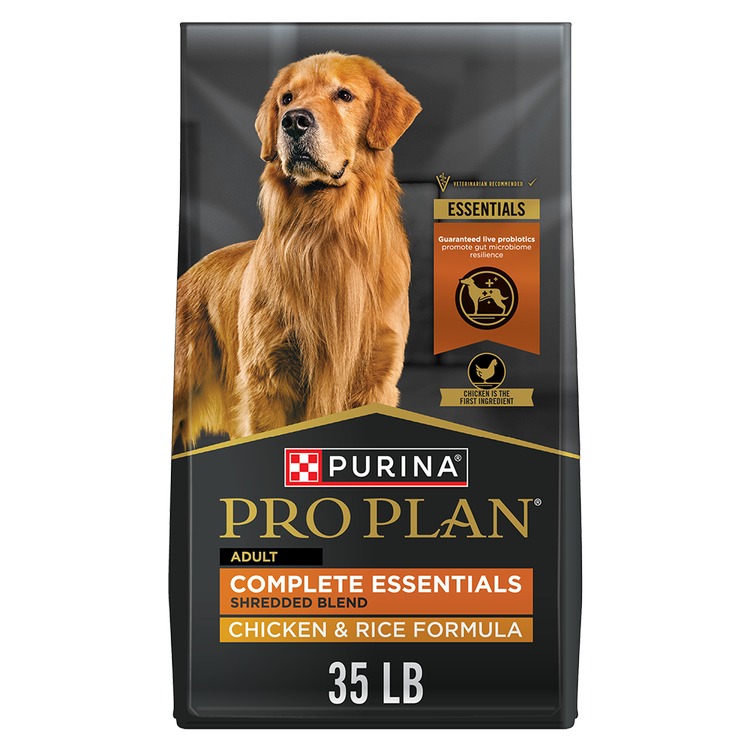
Credit: www.purina.com
Frequently Asked Questions
Can I Switch My 1 Year Old Dog To Adult Food?
Yes, you can switch your 1-year-old dog to adult food. At this age, their growth slows, and adult food meets their nutritional needs.
When Is The Best Time To Give Adult Dog Food?
The best time to switch is around 12 months old. This ensures proper nutrition as your dog transitions from puppy to adult.
What Are The Benefits Of Adult Dog Food At 1 Year?
Adult dog food supports healthy weight, digestion, and energy levels. It contains balanced nutrients suited for mature dogs, promoting overall health.
How To Transition A 1 Year Old Dog To Adult Food?
Gradually mix adult food with puppy food over 7-10 days. This helps prevent digestive upset and allows your dog to adjust smoothly.
Conclusion
Feeding your 1-year-old dog adult food is often okay. Most dogs grow out of puppy food by this age. Adult food has the right nutrients for their size and energy. Watch your dog’s weight and health closely. Change food gradually to avoid stomach upset.
Always check with your vet to be sure. Every dog is different. Trust your pet’s needs and adjust as needed. Keep your dog happy and healthy with proper food. Simple steps make a big difference.