
Are you wondering when your puppy is ready to switch from puppy food to adult dog food? It’s a big step for your furry friend and can affect their health and happiness.
Making the change at the right time helps your dog grow strong and stay energetic. You’ll discover the signs to look for and the best age to start adult food. Keep reading to make sure your dog gets the nutrition they need exactly when they need it.
Puppy Growth Stages
Puppy growth stages are crucial periods that shape your dog’s health and eating habits. Understanding these stages helps you decide the right time to switch from puppy to adult food. Watching your puppy grow can feel like a race against time, but knowing what to expect makes feeding choices clearer and more confident.
From Weaning To Transition
Weaning usually starts around 3 to 4 weeks old when puppies begin tasting solid food. At this point, their digestive system is still delicate, so the food should be soft and easy to digest.
By 8 weeks, puppies rely more on solid food and less on their mother’s milk. This is when you start introducing high-quality puppy food designed to support their rapid growth.
Transitioning to adult food typically begins between 9 to 12 months, depending on your dog’s breed and size. Large breeds might need puppy food longer to support their extended growth periods.
Key Development Milestones
- 3-8 weeks:Rapid growth phase with increasing motor skills and immune system development.
- 8-16 weeks:Socialization peak and rapid bone and muscle development.
- 4-6 months:Teething starts, requiring softer kibble or moistened food.
- 6-12 months:Growth rate slows; the body prepares for adult nutrition.
Have you noticed how your puppy’s energy and eating patterns shift during these milestones? Paying attention helps you adjust their diet appropriately and avoid digestive upset.

Credit: www.businessinsider.com
Signs Of Readiness For Adult Food
Knowing when your dog is ready to switch to adult food can feel tricky. Watching for clear signs helps you make the right choice at the right time. These signs fall into two main categories: how your dog behaves and physical changes you can see or feel.
Behavioral Changes
Your dog’s appetite often shifts when they are ready for adult food. You might notice they eat less frequently but with more focus and satisfaction. They may also show less interest in puppy treats and more curiosity about the meals you offer.
Another clue is energy levels. Puppies usually have bursts of energy, but as they grow, their activity stabilizes. If your dog seems calmer and more consistent in their play and rest patterns, this could mean they are ready for a more mature diet.
Have you seen your dog start to prefer chewing on tougher toys or exploring new foods? These behavioral hints suggest their digestive system and teeth are maturing enough for adult food textures and nutrients.
Physical Indicators
Physical signs are often easier to spot. Look at your dog’s size and weight. Most breeds reach about 80% of their adult size before switching food, but this varies widely. Checking breed-specific growth charts can guide you here.
Teeth are a clear physical indicator. When your dog has lost most of their baby teeth and their adult teeth are fully in, they’re ready for adult food. Adult food kibble is usually harder, so strong teeth help with proper chewing.
Coat condition can also signal readiness. A healthy, shinier coat often appears as your dog matures and their diet becomes more suited to adult nutritional needs. If you notice dull or patchy fur, it might be worth consulting your vet before changing their food.
Ideal Age For Switching
Switching your dog to adult food is a significant milestone. It’s essential to time this transition correctly. Dogs need proper nutrition as they grow. The right age to switch depends on several factors.
Breed Size Considerations
Breed size plays a crucial role in the switch. Small breeds mature faster. They often transition to adult food by 9-12 months. Medium breeds usually switch between 12-15 months. Large and giant breeds need more time. They often continue with puppy food until 18-24 months. Their growth rates differ, impacting nutritional needs.
Veterinary Recommendations
Consult your veterinarian for personalized advice. Vets evaluate individual growth and health. They may suggest specific brands or formulations. They also consider any medical conditions. Regular check-ups help ensure the switch is timely and smooth. Following expert guidance ensures your dog’s health and happiness.
Choosing The Right Adult Food
Choosing the right adult food for your dog is more than just picking something off the shelf. It directly affects their health, energy, and happiness. Knowing what to look for can make this transition smooth and beneficial for your furry friend.
Nutritional Needs
Your dog’s nutritional needs change as they grow. Adult dogs require a balanced mix of protein, fats, and carbohydrates to maintain their energy and muscle mass. Look for foods with high-quality protein sources like chicken, beef, or fish listed as the first ingredient.
Don’t overlook essential vitamins and minerals. Ingredients like calcium support strong bones, while omega-3 fatty acids help keep their coat shiny and skin healthy. Have you checked the label for these crucial nutrients before?
Types Of Adult Dog Food
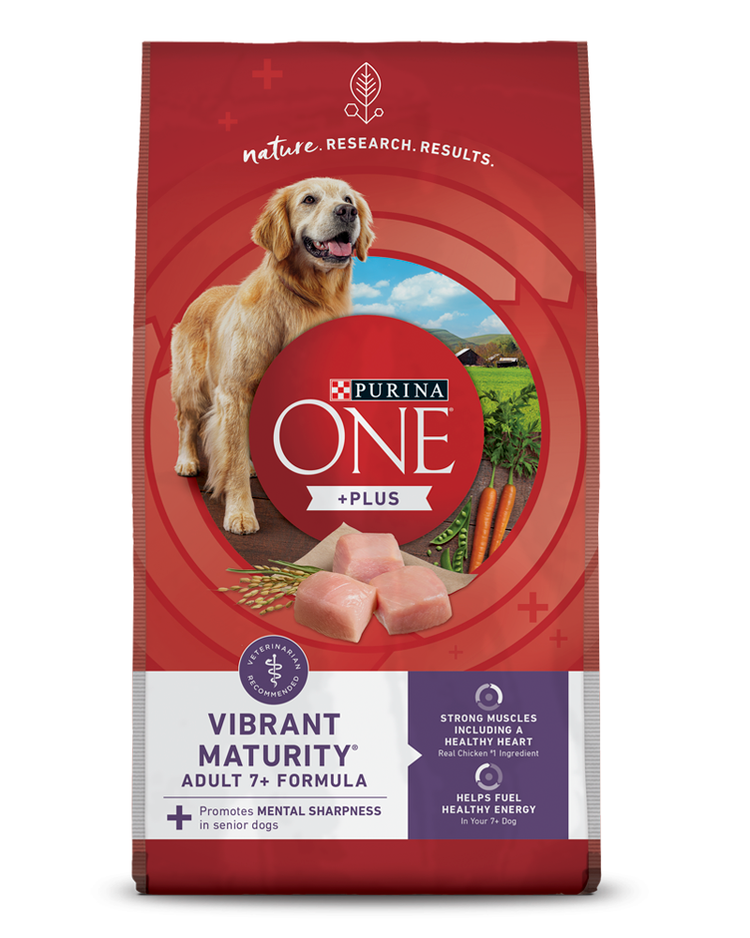
There are several types of adult dog food to consider, each with its benefits. Dry kibble is convenient and helps keep teeth clean. Wet food can be more palatable and hydrating, especially for picky eaters.
- Dry Kibble:Long shelf life, easy to store, supports dental health.
- Wet Food:High moisture content, often more appealing, good for hydration.
- Raw or Freeze-Dried:Closer to natural diet, requires careful handling.
Think about your dog’s preferences and any health issues when choosing the type. Have you noticed if your dog prefers crunchy or soft textures? Your dog’s choice could guide you to the best option.
Transitioning Process Tips
Transitioning your dog to adult food requires care and patience. Sudden changes can upset their stomach. A smooth switch helps your dog accept new food easily. Watch your dog’s reactions closely during this time.
Gradual Food Mixing
Start by mixing a small amount of adult food with puppy food. Increase the adult food portion daily over one to two weeks. This slow change lets your dog’s system adjust. Keep the total food amount the same to avoid overeating. Mixing food also helps your dog get used to the new taste and texture.
Monitoring Digestive Health
Observe your dog’s stool and energy levels during the transition. Soft stools or diarrhea show that the change is too fast. If problems appear, slow down the transition process. Watch for signs like vomiting or loss of appetite. Contact your vet if digestive issues last more than a few days.
Credit: www.purina.com
Common Mistakes To Avoid
Feeding your dog adult food at the right time is important. Many pet owners make mistakes that can affect their dog’s health. These errors can cause digestion problems or poor growth. Knowing what to avoid helps your dog stay healthy and happy.
Switching Too Early Or Late
Changing to adult food too soon can upset your puppy’s stomach. Their bodies need puppy food for growth. Too late, and your dog may get too many calories. This can lead to weight gain and health issues. Follow the vet’s advice for the best timing.
Ignoring Individual Needs
Every dog is different. Age, breed, and health affect food needs. Some dogs need special diets or slow transitions. Watch your dog’s behavior and health during the switch. Adjust the food plan if your dog shows problems like allergies or digestion issues.
Special Cases And Exceptions
Not every dog follows the typical timeline for switching to adult food. Some pups and older dogs need special care, and their diets might need to change based on health or age. Understanding these exceptions helps you give your dog the best nutrition at every stage of life.
Puppies With Health Issues
Puppies facing health challenges often need customized diets. Conditions like digestive problems, allergies, or slow growth can mean waiting longer before switching to adult food.
For example, a puppy with a sensitive stomach might do better on a gentle, puppy-specific formula until their digestive system strengthens. You should always consult your vet to tailor the diet based on your puppy’s unique needs.
Have you noticed your puppy struggling with certain foods? Your vet can suggest specialized diets or supplements to support healthy growth without rushing the switch.
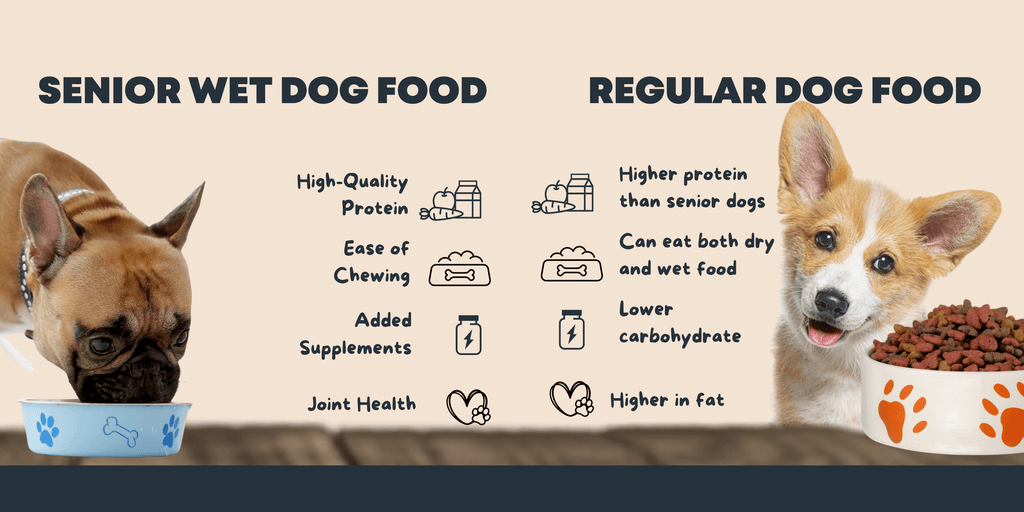
Senior Dogs And Diet Adjustments
Senior dogs have different nutritional needs than younger adults. Even if your dog is technically an adult, age-related changes might require diet tweaks to maintain their health.
Older dogs often need fewer calories but more fiber and joint-supporting nutrients. Switching to adult food too soon or too late can affect their weight and energy levels.
Consider your dog’s activity, weight, and any medical conditions when adjusting their food. Have you talked with your vet about the right diet for your aging friend? This can make a big difference in their comfort and vitality.

Credit: us.eukanuba.com
Frequently Asked Questions
When Should Puppies Switch To Adult Dog Food?
Puppies can start adult dog food at about 12 months old. Small breeds may switch earlier, around 9 months. Consult your vet for breed-specific advice. Transition gradually over a week to avoid digestive issues.
Why Is Timing Important For Switching Dog Food?
Proper timing ensures balanced nutrition for growth and health. Switching too early may lack essential nutrients. Switching too late can lead to obesity or deficiencies. Follow vet guidance for the best results.
How To Transition Dogs To Adult Food Smoothly?
Mix increasing amounts of adult food with puppy food over 7 days. Monitor your dog’s digestion and energy levels. Avoid sudden changes to prevent upset stomach or refusal to eat.
Can I Feed Adult Food To A Puppy Early?
Feeding adult food too early can cause nutrient deficiencies. Puppies require higher protein and fat for growth. Always follow age and breed recommendations for food type.
Conclusion
Feeding your dog adult food at the right time keeps them healthy. Usually, dogs switch to adult food between 9 and 12 months. Watch your dog’s size and energy to decide the best moment. Choose good quality food made for adult dogs.
Changing food slowly helps avoid stomach problems. Always check with your vet if unsure. Healthy food supports your dog’s growth and happiness. Simple steps make a big difference in your dog’s life. Keep learning about your pet’s needs to give the best care.