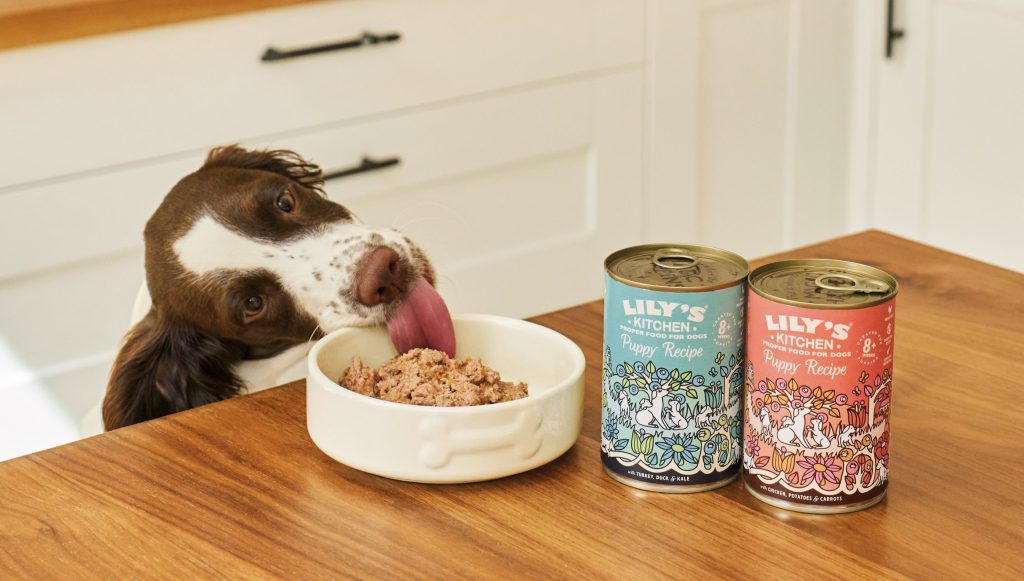

Are you wondering if your 8-month-old puppy can start eating adult dog food? It’s a common question that many dog owners face.
You want to make sure your puppy gets the right nutrition to grow strong and healthy. But switching foods too early or too late can affect their health and energy. You’ll discover when the best time is to make the switch, what signs to watch for, and how to keep your furry friend happy and thriving.
Keep reading to learn how to give your puppy the best start in life.
Credit: www.chewy.com
Puppy Nutritional Needs At 8 Months
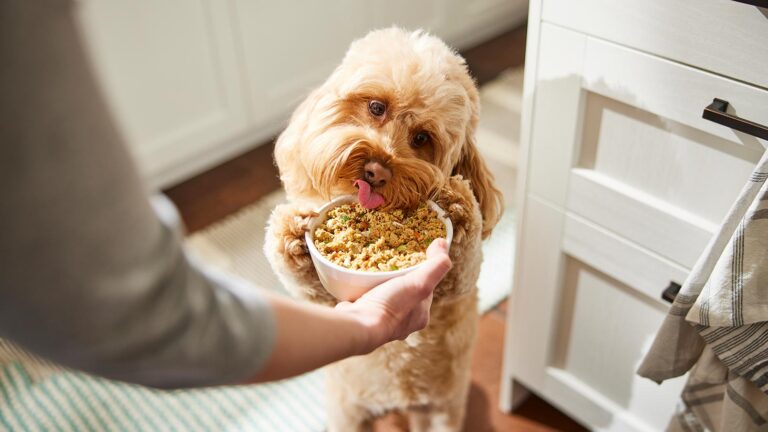
At 8 months old, puppies are at a critical stage of growth. Their bodies are still developing, and they need specific nutrients to stay healthy. Their nutritional needs differ from adult dogs. Feeding the right diet helps support strong bones, muscles, and a healthy immune system. Understanding these needs helps you choose the best food for your puppy.
Growth And Development Milestones
Puppies grow quickly during their first year. At 8 months, they reach many key milestones. Their bones and joints strengthen. Muscles become more defined and powerful. Teeth finish growing and change to adult teeth. Their energy levels remain high, needing good fuel. Brain development continues, which helps learning and social skills. Proper nutrition supports all these changes effectively.
Key Nutrients For Puppies
Puppies need a balanced mix of nutrients to grow well. Important nutrients include:
- Protein:Builds muscles and repairs tissues.
- Fat:Provides energy and supports brain growth.
- Calcium and Phosphorus:Strengthen bones and teeth.
- Vitamins:Boost the immune system and overall health.
- Omega-3 Fatty Acids:Help with brain and eye development.
These nutrients must be in the right amounts. Too little or too much can harm growth. Puppy food is specially made to meet these needs. Adult dog food usually lacks some nutrients puppies require. This makes it less suitable for puppies at this stage.
Credit: www.purina.com
Differences Between Puppy And Adult Dog Food
Puppy and adult dog foods are made with different needs in mind. Puppies grow quickly and need more energy and nutrients. Adult dogs have slower metabolisms and different health requirements. Feeding the right food at the right age supports healthy growth and development.
Calorie And Protein Content
Puppy food has higher calories to fuel growth and play. It contains more protein to build strong muscles and tissues. Adult dog food has fewer calories to prevent weight gain. Protein levels are lower since adults need maintenance, not rapid growth.
Vitamin And Mineral Variations
Puppy food includes extra vitamins and minerals for brain and bone growth. Calcium and phosphorus are carefully balanced for developing bones. Adult dog food has nutrients to support joint health and immune function. The levels of vitamins and minerals differ to match each life stage.
Potential Risks Of Feeding Adult Food To Puppies
Feeding adult dog food to puppies can cause nutrient imbalances and digestive problems. Puppies need specific nutrients for growth that adult food may lack. This can lead to poor development and health issues.
Potential Risks of Feeding Adult Food to Puppies Feeding puppies adult dog food can pose risks. Puppies need specific nutrients for growth. Adult dog food often lacks these essential components. It’s crucial to understand these risks to ensure a healthy puppy.Nutrient Deficiencies
Puppies require more proteins and fats. These elements support rapid growth and energy needs. Adult dog food usually contains lower levels of these nutrients. Insufficient proteins can hinder muscle and tissue development. Lack of proper nutrients may lead to weak bones and joints. Ensure your puppy receives balanced nutrition for healthy growth.Digestive Issues
Puppies have sensitive digestive systems. Adult food can be harder for them to digest. They might experience upset stomachs or diarrhea. This can lead to dehydration and further health issues. It’s essential to provide food that’s gentle on their stomachs. Proper puppy food supports their digestion and overall well-being.When To Transition To Adult Dog Food
Knowing when to transition your puppy to adult dog food is key for their growth and health. Puppies have different nutritional needs than adult dogs, so timing the switch carefully helps avoid digestive issues and ensures they get the right nutrients. This transition isn’t just about age—it depends on your puppy’s breed, size, and development.
Breed Size Considerations
Smaller breeds tend to mature faster than larger ones. For example, a small breed puppy like a Chihuahua might be ready for adult food around 8 months, while a large breed like a Great Dane may need puppy food up to 12-18 months.
Large breeds require a slower transition because their bones and joints are still developing. Switching too early can lead to growth problems or nutritional imbalances.
- Small breeds: 8-10 months
- Medium breeds: 10-12 months
- Large breeds: 12-18 months
Considering your puppy’s breed size helps you decide the best time to switch and supports their long-term health.
Signs Your Puppy Is Ready
Besides age and breed, watch for physical and behavioral signs that your puppy is ready for adult food. Is your puppy’s growth rate slowing down? Are they less hyperactive and more balanced in energy?
Check their weight and body condition—are they lean and muscular, or still filling out? Puppies ready for adult food often have a steady appetite and less frequent growth spurts.
- Steady weight gain instead of rapid growth
- Reduced teething and chewing behaviors
- Stable energy levels throughout the day
Have you noticed these signs in your puppy? Paying close attention helps you make the switch smoothly without upsetting their digestive system.
How To Switch Puppy Food Safely
Switching your puppy from puppy food to adult dog food is a delicate process that needs careful attention. A sudden change can upset your puppy’s stomach and lead to digestive issues. Taking the right steps ensures your puppy adjusts comfortably and stays healthy during this transition.
Gradual Transition Steps
Start by mixing a small amount of adult dog food into your puppy’s current meal. Over the next 7 to 10 days, slowly increase the proportion of adult food while decreasing the puppy food.
- Day 1-3: 75% puppy food, 25% adult food
- Day 4-6: 50% puppy food, 50% adult food
- Day 7-9: 25% puppy food, 75% adult food
- Day 10: 100% adult food
This slow change helps your puppy’s digestive system adapt without causing stress. Remember, patience here is key. Rushing the switch might cause vomiting or diarrhea.
Monitoring Your Puppy’s Health
Watch your puppy closely during the food transition. Check for signs like loose stools, vomiting, or decreased appetite.
If you notice any of these symptoms, slow down the transition or consult your vet. Also, keep an eye on your puppy’s energy levels and coat condition — these are good indicators of overall health.
Have you ever noticed a sudden change in your puppy’s behavior after switching foods? This could be a sign to adjust your approach.
Alternatives To Adult Dog Food For 8-month-old Puppies
Finding the right diet for your 8-month-old puppy is crucial. Adult dog food may not meet their specific nutritional needs during this growth stage. Luckily, there are several alternatives that can support your puppy’s development while keeping them healthy and happy.
Puppy Formulated Diets
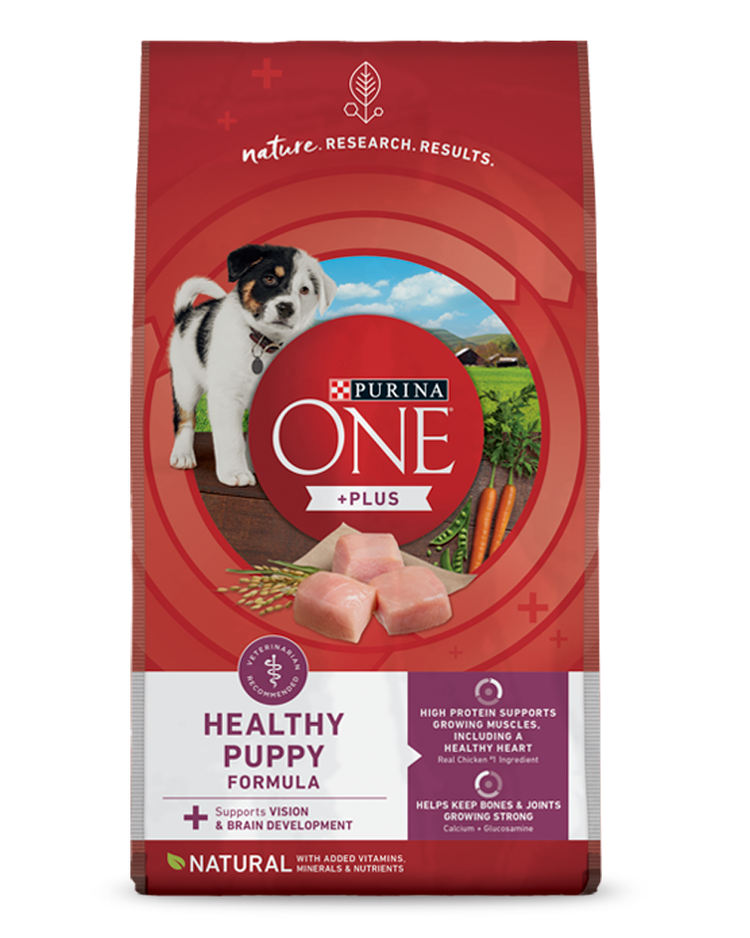
Puppy formulated diets are designed to provide the exact nutrients your growing dog needs. These foods have higher levels of protein, fat, and essential vitamins compared to adult dog food. Choosing a high-quality puppy food can help maintain energy levels and support brain and bone development.
Look for labels that specify “complete and balanced” for puppies. You might notice your puppy enjoys the taste more, too, since these diets often cater to their preferences. Have you checked the ingredient list lately? Avoid foods with too many fillers or artificial additives to ensure the best for your puppy.
Homemade And Raw Food Options
Some owners prefer preparing homemade meals or feeding raw diets to their puppies. This approach lets you control every ingredient, ensuring freshness and quality. However, careful planning is essential to prevent nutritional gaps or imbalances.
If you decide to try homemade or raw feeding, include a variety of proteins, vegetables, and healthy fats. Consult your vet or a pet nutritionist to create a balanced meal plan. Have you considered how much time and effort this option requires? It can be rewarding but demands consistency and knowledge.
Credit: www.chewy.com
Frequently Asked Questions
Can 8-month-old Puppies Eat Adult Dog Food?
Yes, puppies at 8 months can start eating adult dog food. Their growth rate slows, requiring fewer calories. However, transition gradually to avoid digestive issues.
When Should Puppies Switch To Adult Dog Food?
Puppies usually switch to adult dog food between 8 to 12 months. Large breeds might need more time. Consult your vet for breed-specific advice.
Is Adult Dog Food Safe For Growing Puppies?
Adult dog food is generally safe after 8 months. It lacks some nutrients for rapid growth but supports maintenance. Ensure gradual food transition to prevent stomach upset.
What Are Risks Of Feeding Adult Food Too Early?
Feeding adult dog food too early may cause nutrient deficiencies. Puppies need higher protein and fat levels for development. Early switch can stunt growth and affect health.
Conclusion
Puppies need the right food to grow strong and healthy. At eight months, many puppies can start eating adult dog food. Still, choose food that meets their nutritional needs. Watch your puppy’s weight and energy levels carefully. Consult a vet before making big diet changes.
Good food helps your puppy stay happy and active. Feeding the right diet now builds a healthy future. Keep your puppy’s health in mind with every meal.