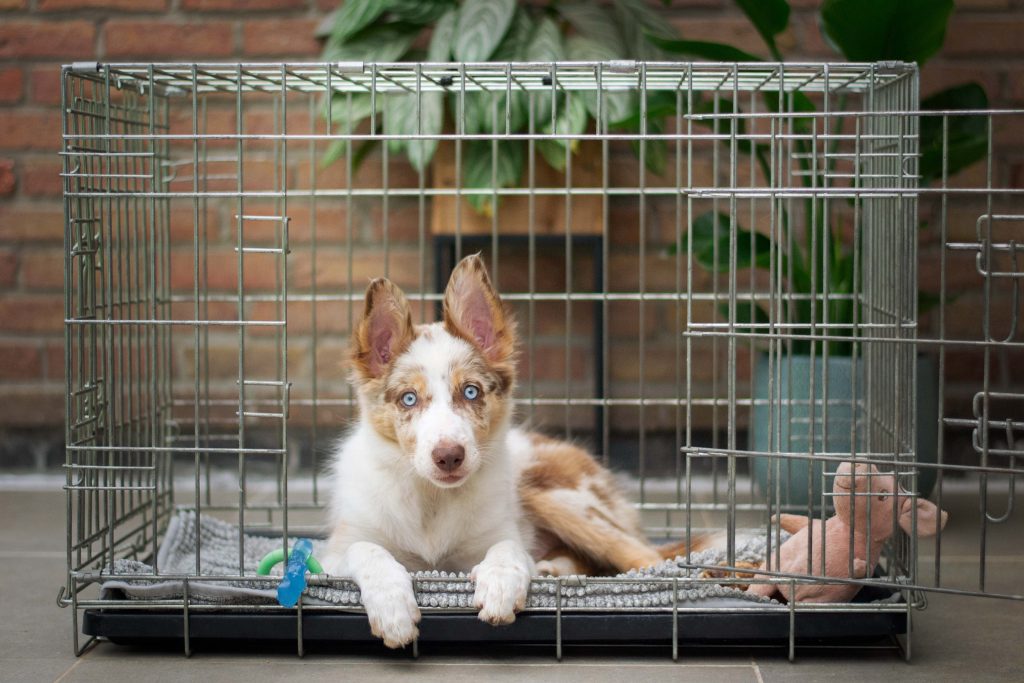

Are you struggling to get a peaceful night’s sleep because your dog keeps waking up or making noise? Crate training your dog at night can be the simple solution you need.
It helps your furry friend feel safe and secure while giving you the rest you deserve. In this guide, you’ll discover easy steps to make crate training smooth and stress-free for both you and your dog. Keep reading, and soon you’ll enjoy calm nights with your happy, well-trained pup right by your side.
Benefits Of Night Crate Training
Night crate training offers more than just a safe space for your dog—it sets the stage for a peaceful night for both of you. Creating a routine around crate training at night can improve your dog’s behavior and your own sleep quality. Have you noticed how a well-rested dog behaves better during the day? That’s one clear benefit of night crate training.
Improved Sleep Quality For You And Your Dog
Your dog learns to settle down and relax in their crate, reducing nighttime disruptions like barking or roaming around. This means fewer trips to the yard and less waking up to accidents inside the house. When your dog feels secure, they sleep more soundly, and you can enjoy uninterrupted rest.
Helps Establish A Consistent Routine
Crate training at night encourages your dog to understand when it’s time to wind down. A regular bedtime in the crate signals that the day is over, making it easier for your dog to adjust. Consistency in sleep schedules benefits both puppies and adult dogs by reducing anxiety and confusion.
Supports House Training Efforts
Dogs naturally avoid soiling their sleeping area, which helps reinforce bladder control overnight. If your dog wakes up needing to go, they’ll signal you rather than have an accident. This makes night crate training an effective tool for faster housebreaking.
Creates A Safe And Comfortable Space
The crate becomes a personal retreat for your dog, free from household distractions. This safe zone helps reduce stress during the night, especially in new or busy environments. Have you tried adding familiar blankets or toys to make the crate more inviting? This simple step can make a big difference.
Prevents Destructive Nighttime Behavior
Without access to the whole house, your dog can’t chew on furniture or get into trouble during the night. This control helps prevent accidents and keeps your belongings safe. Night crate training provides peace of mind knowing your dog is secure and not causing damage.
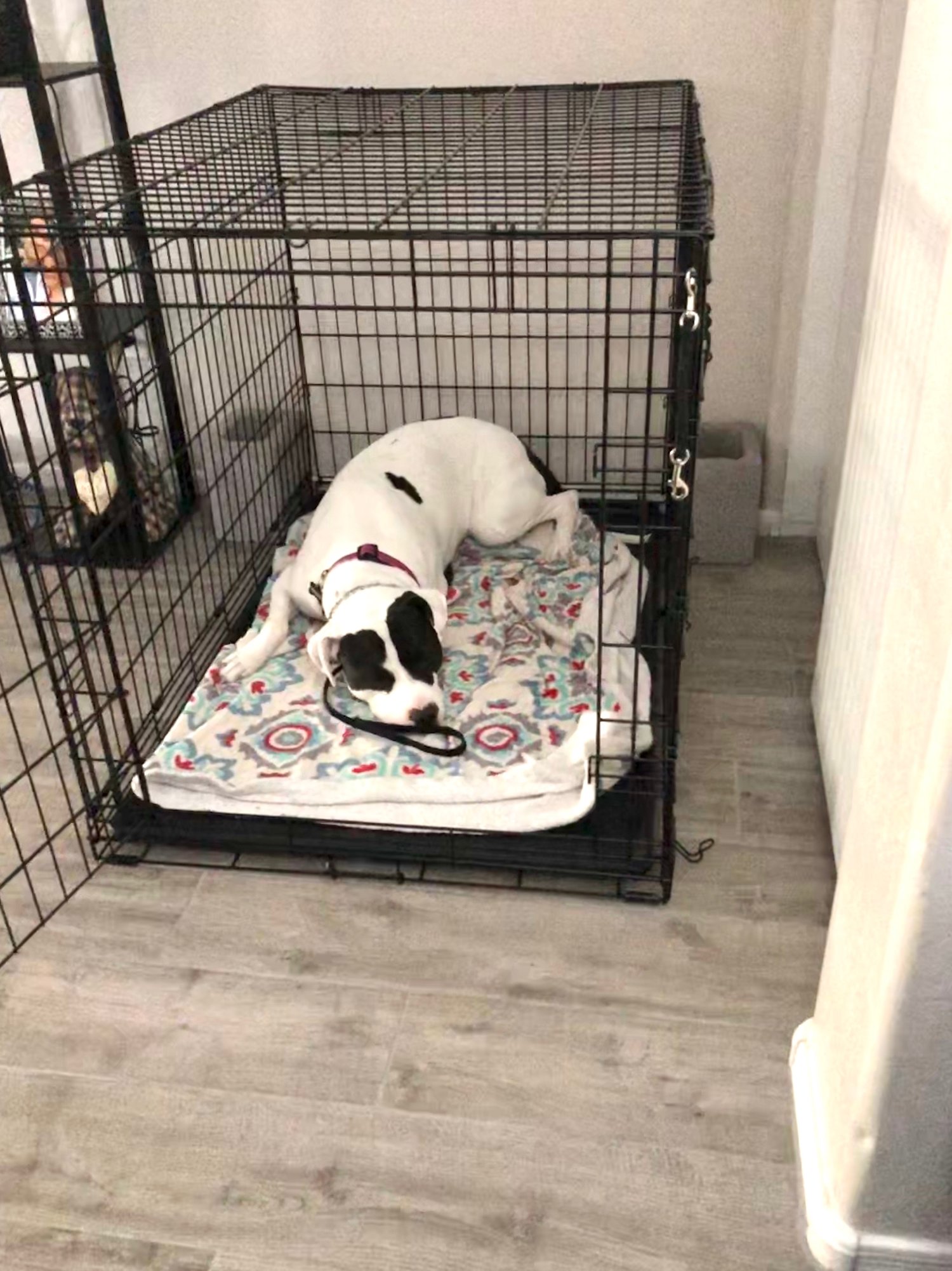
Credit: www.sadiesrulesk9training.com
Choosing The Right Crate
Choosing the right crate is the first step to successful night crate training. It creates a safe space for your dog. The crate should feel like a cozy den, not a cage. Comfort and proper size matter most to keep your dog calm and secure.
Size And Comfort
The crate must be big enough for your dog to stand, turn, and lie down comfortably. Too small feels cramped. Too large may encourage accidents inside. Measure your dog’s height and length before buying. Add a soft bed or blanket for warmth. Comfort helps your dog settle down quickly.
Material And Design
Crates come in plastic, metal, and fabric. Plastic crates offer privacy and warmth. Metal crates provide good ventilation and visibility. Fabric crates are lightweight and portable but less durable. Choose a design with secure latches to prevent escapes. Rounded edges and smooth surfaces avoid injuries. The crate should match your dog’s behavior and your home style.
Preparing Your Dog For The Crate
Prepare your dog by making the crate cozy and inviting. Encourage short visits with treats and praise to build comfort and trust. Gradually increase crate time to ease night training.
Preparing your dog for the crate at night requires patience and consistency. A well-prepared dog will see the crate as a safe space. This approach makes night training smoother and less stressful for both of you.Introducing The Crate Gradually
Start by placing the crate in a quiet corner of your home. Let your dog explore it without pressure. Keep the crate door open during the day. Toss a few treats inside to encourage curiosity. Allow your dog to walk in and out freely. After a few days, begin closing the door for short periods. Stay nearby to reassure your dog. Gradually increase the time the door remains closed. Ensure your dog remains calm before extending the duration.Creating A Positive Association
Use treats and toys to create a positive association with the crate. Place your dog’s favorite toy inside the crate. Offer treats when your dog enters the crate willingly. Praise your dog when they show interest in the crate. Feed your dog meals near the crate or inside it. This routine helps associate the crate with positive experiences. Make the crate comfortable with soft bedding. A cozy environment encourages relaxation and comfort.
Credit: www.care.com
Setting A Nighttime Routine
Setting a nighttime routine helps your dog feel safe and calm at night. Dogs thrive on regular schedules. A steady routine reduces anxiety and makes crate training easier. Consistency is key for your dog to learn when it is time to sleep. Creating a peaceful environment supports good habits and better rest.
Establishing Consistent Bedtimes
Choose a bedtime that fits your family’s schedule. Stick to this time every night. Dogs learn by routine, so regular sleep times help them adjust. Avoid late-night changes that confuse your dog. A set bedtime signals when the day is over and rest begins. This helps your dog settle quickly in the crate.
Pre-bedtime Exercise And Potty Breaks
Exercise before bed helps your dog use up energy. A tired dog sleeps more soundly. Keep activities calm and gentle to avoid overstimulation. Always take your dog outside for a potty break right before bedtime. This reduces the chance of accidents overnight. A quiet walk or play session works well. A clear routine prepares your dog’s body and mind for sleep.
Tips For Successful Night Crate Training
Successful night crate training hinges on creating a positive and calm environment for your dog. Your approach during these initial nights can shape your dog’s attitude toward the crate for life. Here are some practical tips to make the process smoother for both you and your furry friend.
Using Treats And Praise
Reward your dog with small treats the moment they enter the crate willingly. This builds a positive connection with the space and motivates them to go inside without hesitation.
Combine treats with enthusiastic praise like “Good job!” or “Well done!” to reinforce the behavior. Dogs respond well to your tone, so keep it upbeat and encouraging.
Try to offer the last treat just before bedtime to keep their interest high as they settle in. This can help them associate the crate with comfort and rewards.
Handling Nighttime Whining
Whining is common during early crate training nights, but responding too quickly can teach your dog that whining gets attention.
Pause for a moment before reacting—sometimes, a brief whine is just your dog adjusting. If whining continues beyond a minute, calmly check without opening the crate to reassure them.
Avoid turning the check-ins into playtime. Instead, use a soothing voice and gentle pats to calm your dog, then quietly leave to encourage self-settling.
Avoiding Negative Reinforcement
It’s tempting to let your dog out when they cry, but this can backfire by reinforcing unwanted behavior. Consider if your dog really needs to go out or if they’re just seeking attention.
Instead of giving in to whining, focus on rewarding quiet moments with calm praise or a treat. This teaches your dog that calmness—not noise—earns freedom or attention.
Keep the crate a safe, happy place by never using it as punishment. Negative associations will make your dog resist bedtime and increase anxiety.
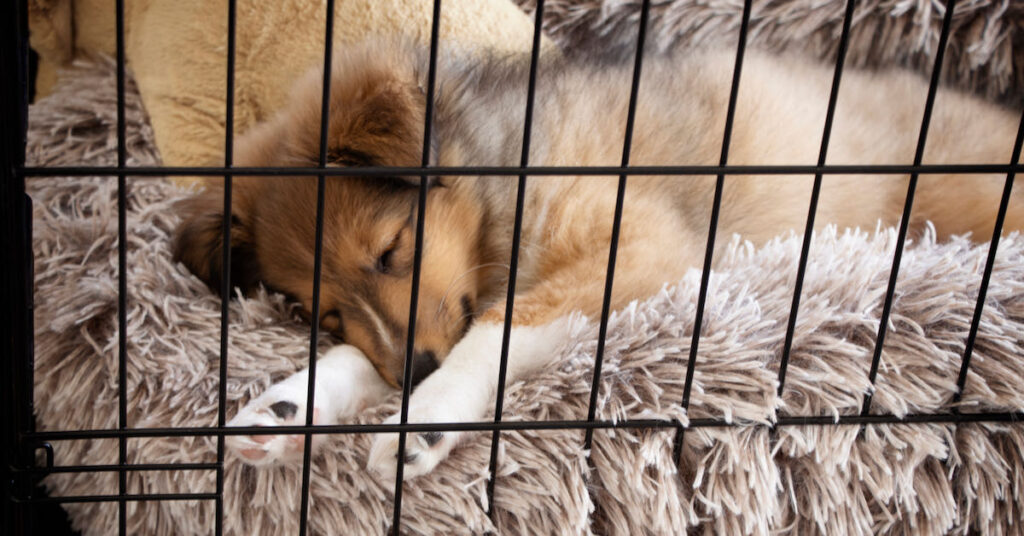
Credit: www.pumpkin.care
Troubleshooting Common Issues
Troubleshooting common issues during nighttime crate training can feel overwhelming, but understanding these challenges helps you respond effectively. Your dog’s comfort and security in the crate matter most, so addressing problems early prevents frustration for both of you. Let’s look at how to handle some frequent setbacks with practical tips.
Separation Anxiety
If your dog whines or barks when left alone in the crate, separation anxiety might be the cause. Try leaving a piece of your worn clothing inside the crate to offer a familiar scent. You can also spend short periods away from your dog while they’re in the crate, gradually increasing the time to build their confidence.
Have you noticed your dog calming down after some time, or does the anxiety persist? Consistency is key—avoid rushing to open the crate at the first sound, as this can reinforce the behavior. Instead, reward quiet moments with gentle praise or treats to encourage calmness.
Accidents In The Crate
Accidents happen, especially if your dog is still learning bladder control or gets stressed. Ensure the crate size is appropriate—not too big, so your dog won’t use one end as a bathroom. Also, limit water intake an hour before bedtime to reduce the chance of accidents.
After an accident, clean the crate thoroughly to remove odors that might encourage repeat behavior. Ask yourself if your dog had enough bathroom breaks before bedtime. If not, add one last trip outside to their nighttime routine.
Refusal To Enter The Crate
Your dog might resist entering the crate if they associate it with negative experiences. Make the crate inviting by adding soft bedding and favorite toys inside. Try tossing treats or feeding meals in the crate to create positive associations.
Have you tried sitting near the crate and encouraging your dog calmly without forcing them? Patience works better than pressure. If your dog still refuses, step back to shorter crate sessions and build up gradually.
Adjusting The Crate Training As Your Dog Grows
Adjusting crate training as your dog grows is essential to keep the process effective and comfortable. Puppies need frequent breaks and shorter crate times, but as they mature, their capacity to stay calmly in the crate increases. Paying attention to your dog’s changing needs helps prevent anxiety and ensures the crate remains a positive space.
Expanding Crate Time
Start by slowly increasing the time your dog spends in the crate at night. If your puppy initially manages 30 minutes comfortably, try adding 10-15 minutes every few days. Watch for signs of restlessness or whining—these mean you should hold steady before extending further.
Use this time to build your dog’s confidence in being alone. Make sure the crate remains inviting with familiar toys and a cozy blanket. Remember, patience here pays off; rushing can cause stress and setbacks.
Transitioning Out Of Crate Training
As your dog grows and learns to stay calm, you might consider reducing crate use overnight. Try leaving the crate door open while your dog sleeps nearby. This lets them feel free but still offers a safe retreat if needed.
Eventually, some dogs may not need the crate at all during the night. However, assess your dog’s behavior first—are they calm and well-behaved without the crate? If not, it might be wise to keep using it for a bit longer.
Have you noticed your dog’s sleep habits changing? Adjust your training pace based on their comfort and behavior rather than a fixed timeline. This approach respects your dog’s unique development and builds trust.
Frequently Asked Questions
How Long Does Crate Training Take At Night?
Crate training duration varies by dog. Most dogs adapt within 1-2 weeks. Consistency and patience speed up the process. Nighttime crate training may take longer for puppies. Always reward calm behavior to encourage positive crate association.
How To Make Crate Comfortable For Nighttime?
Add soft bedding and familiar toys inside the crate. Ensure proper ventilation and room temperature. Avoid loud noises near the crate. Use a cover to create a cozy, den-like environment. Comfort helps dogs feel safe and sleep better at night.
When Should I Start Crate Training My Dog?
Start crate training as early as 8 weeks old. Early training helps puppies develop good habits quickly. For adult dogs, introduce the crate gradually and gently. Consistent training improves nighttime behavior and reduces accidents.
What If My Dog Cries In The Crate At Night?
Ignore crying initially to avoid reinforcing bad habits. Ensure the dog isn’t hungry, thirsty, or needs to eliminate. Comfort with calm words but avoid letting them out immediately. Gradually increase crate time to build tolerance and calmness.
Conclusion
Crate training your dog at night takes patience and care. Keep the crate cozy and quiet for comfort. Stick to a routine to help your dog feel safe. Praise your dog for calm behavior inside the crate. Nighttime training helps your dog learn good habits fast.
Small steps make a big difference over time. Trust in the process and stay consistent. Soon, your dog will enjoy sleeping in their crate. A peaceful night for both of you awaits.