Are you wondering if it’s okay to feed your puppy the same food you give your adult dog? It’s a common question that many pet owners face.
What you feed your puppy now can shape their health and growth for years to come. Giving your puppy adult dog food might seem convenient, but is it really the best choice? Keep reading to discover the facts that will help you make the right decision for your furry friend’s well-being.
Your puppy’s future depends on it.
Puppy Nutritional Needs
Puppies have unique nutritional needs that support their rapid growth. Their bodies require specific nutrients to build strong bones, muscles, and a healthy immune system. Feeding puppies the right diet helps them develop properly and stay energetic. Adult dog food often lacks the nutrients that growing puppies need. Understanding these needs can guide you in choosing the best food for your puppy.
Essential Nutrients For Growth
Puppies need more protein than adult dogs to build muscles. Protein helps repair tissues and supports overall growth. Fat provides energy for their active lifestyle and brain development. Calcium and phosphorus are vital for strong bones and teeth. Vitamins and minerals help the immune system and organ function. DHA, an omega-3 fatty acid, supports brain and eye development. Water is also important for hydration and body functions.
Differences Between Puppy And Adult Diets
- Puppy food contains higher protein and fat levels than adult food.
- Calories in puppy food are more to meet energy needs.
- Puppy diets include added DHA for brain growth.
- Calcium and phosphorus ratios in puppy food support bone development.
- Adult dog food has fewer nutrients for growth and more for maintenance.
- Adult diets have less fat and protein than puppy diets.
Feeding adult dog food to puppies can lead to nutrient deficiencies. It may also cause slower growth or bone problems. Choosing food designed for puppies ensures they get the right nutrients for healthy development.
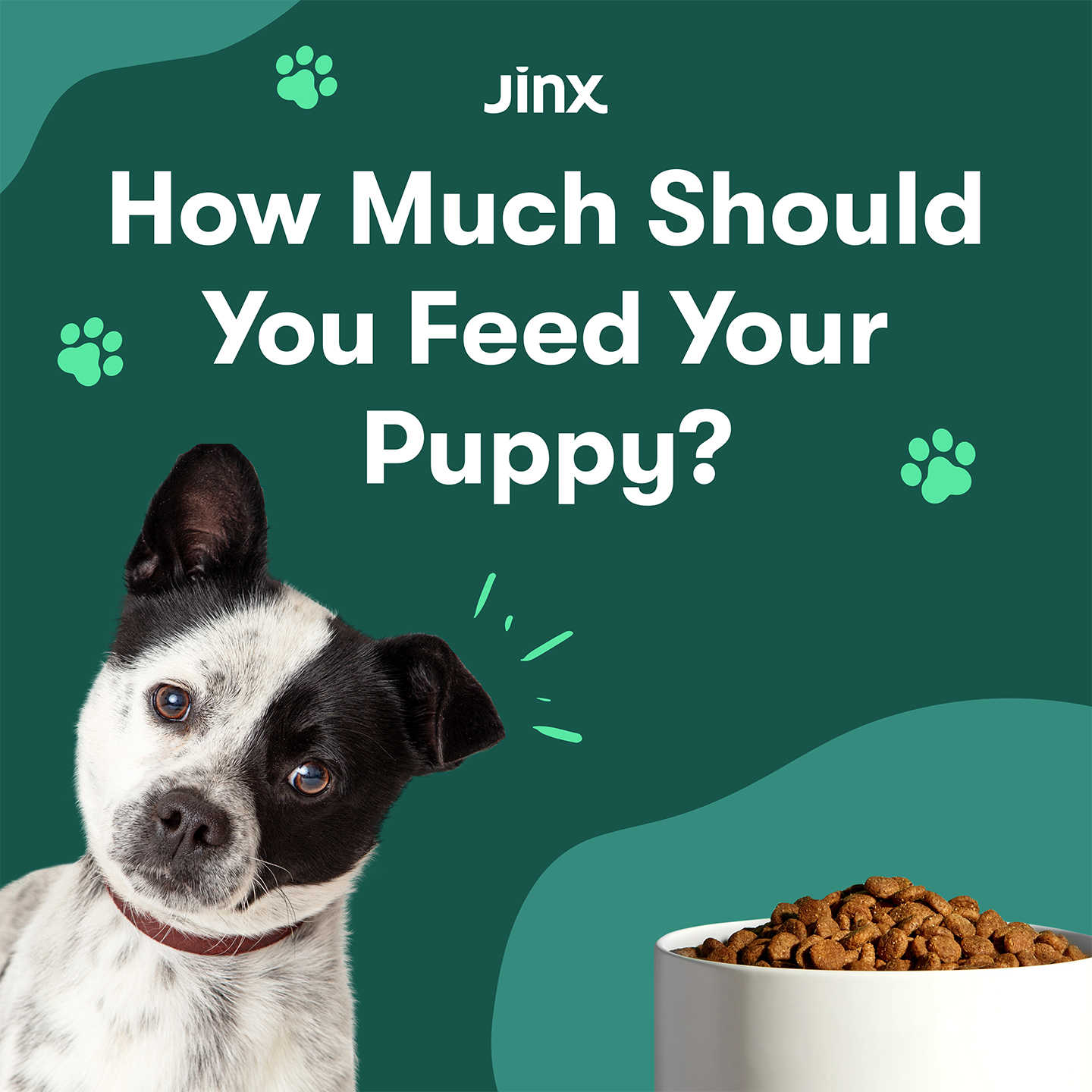
Credit: www.thinkjinx.com
Risks Of Feeding Adult Food To Puppies
Feeding adult dog food to puppies carries several risks. Puppies have unique nutritional needs. Adult foods often lack the right balance for growing pups. These differences can cause health problems that affect development and well-being.
Nutrient Deficiencies
Adult dog food may not have enough essential nutrients for puppies. Puppies need higher protein and fat levels. Important vitamins and minerals might be missing or too low. Lack of these nutrients can stunt growth and weaken the immune system.
Digestive Issues
Puppy digestive systems are sensitive and still developing. Adult food formulas can be hard to digest. This can cause diarrhea, vomiting, or stomach upset. Digestive problems may lead to dehydration and discomfort.
Long-term Health Effects
Feeding adult food during puppyhood affects long-term health. Poor nutrition can cause bone and joint problems later. It may also increase the risk of obesity or other illnesses. Early diet impacts a dog’s quality of life for years.
When Adult Food Might Be Acceptable
Puppies may eat adult dog food briefly during emergencies or slow growth phases. Still, puppy formulas provide essential nutrients for healthy development. Feeding adult food long-term can cause nutritional gaps and affect growth.
When transitioning puppies to adult dog foods, owners often wonder about the right time. Feeding adult food to puppies can be considered in certain situations. It is not always ideal, but sometimes, it becomes necessary. Understanding when it might be acceptable can help ensure puppies get the best nutrition.Short-term Feeding Scenarios
There are times when puppies may need adult dog food briefly. For instance, if puppy food is unavailable temporarily, adult food might suffice. Ensure it is a short-term solution to avoid nutritional gaps. Puppies have different dietary needs compared to adult dogs.Consulting Your Veterinarian
Before making any changes, talk to your veterinarian. They can provide guidance based on your puppy’s specific needs. Vets understand the nutritional requirements of different breeds and ages. Their advice ensures your puppy stays healthy and happy. Always consult professionals for your pet’s diet.Choosing The Right Puppy Food
Choosing the right puppy food is vital for healthy growth. Puppies need more nutrients than adult dogs. Their food supports strong bones, muscles, and brain development. Feeding them the right diet helps avoid health problems later.
Focus on foods made specifically for puppies. These products balance calories and nutrients. They also suit puppies’ smaller stomachs and faster metabolisms. Avoid feeding adult dog food to puppies regularly, as it lacks essential nutrients for growth.
Reading Dog Food Labels
Dog food labels show important information about ingredients and nutrition. Look for the phrase “complete and balanced” for puppies. This means the food meets standards set by experts.
Check the guaranteed analysis section. It lists protein, fat, fiber, and moisture percentages. Puppies need higher protein and fat than adult dogs. Avoid foods with too many fillers or artificial additives.
Review the ingredient list carefully. Ingredients are listed by weight. The first few ingredients should be quality animal proteins like chicken or lamb. Avoid vague terms like “meat by-products.”
Key Ingredients To Look For
- High-Quality Protein:Supports muscle growth and repair.
- Healthy Fats:Provide energy and support brain development.
- Calcium and Phosphorus:Build strong bones and teeth.
- DHA (Docosahexaenoic Acid):Important for vision and brain health.
- Vitamins and Minerals:Boost immune system and overall health.
- Fiber:Helps with digestion and stool quality.
Transitioning Between Foods
Transitioning your puppy from one type of food to another requires care and attention. Sudden changes can upset a puppy’s sensitive stomach. Proper steps help avoid digestive problems and keep the puppy happy and healthy.
Gradual Food Changes
Switch the food slowly over 7 to 10 days. Mix a small amount of the new food with the old food. Increase the new food quantity each day. Decrease the old food at the same time. This gentle shift helps the puppy’s digestive system adjust without stress.
- Start with 25% new food and 75% old food.
- Change to 50% new and 50% old after 3 days.
- Move to 75% new and 25% old after 6 days.
- Feed 100% new food after 7 to 10 days.
Monitoring Puppy Health
Watch your puppy closely during the food change. Check for signs like vomiting, diarrhea, or lack of appetite. A healthy puppy stays active and maintains a good appetite. If any problem arises, slow down the transition. Consult your vet if symptoms continue or worsen.
Keep an eye on your puppy’s weight. Steady growth means the food suits them well. Sudden weight loss or gain needs veterinary advice. Clean water should always be available during feeding changes.

Credit: us.eukanuba.com
Expert Tips For Feeding Puppies
Feeding puppies requires more than just picking any dog food off the shelf. Puppies have unique nutritional needs that support their rapid growth and development. Let’s focus on expert tips that can help you create a healthy feeding routine, avoid common errors, and ensure your puppy thrives.
Feeding Schedules
Consistency matters when feeding puppies. Most puppies do well with three to four meals a day, spaced evenly to keep their energy levels stable.
Try to feed your puppy at the same times each day. This builds routine and helps with digestion.
Watch your puppy’s behavior after meals. Are they eager or hesitant? Adjust timing if needed to match their appetite and activity.
Portion Control
Measuring portions is crucial. Overfeeding can lead to obesity, while underfeeding slows growth.
Check the puppy food label for guidelines, but remember these are general. Your puppy’s breed, age, and activity level might require tweaks.
Use a kitchen scale or measuring cup to avoid guessing. If your puppy seems hungry or sluggish, adjust the portions accordingly, and consult your vet if unsure.
Avoiding Common Feeding Mistakes
- Skipping puppy-specific formulas:Adult dog food lacks nutrients essential for growing pups.
- Switching foods too quickly:Sudden changes can upset your puppy’s stomach. Introduce new food gradually over a week.
- Feeding table scraps:Human food can cause digestive issues and create bad habits.
- Ignoring hydration:Always provide fresh water alongside meals to keep your puppy hydrated.
Have you noticed any unusual reactions after meals? Sometimes subtle signs can indicate food intolerance or allergies. Watching closely helps you catch issues early.
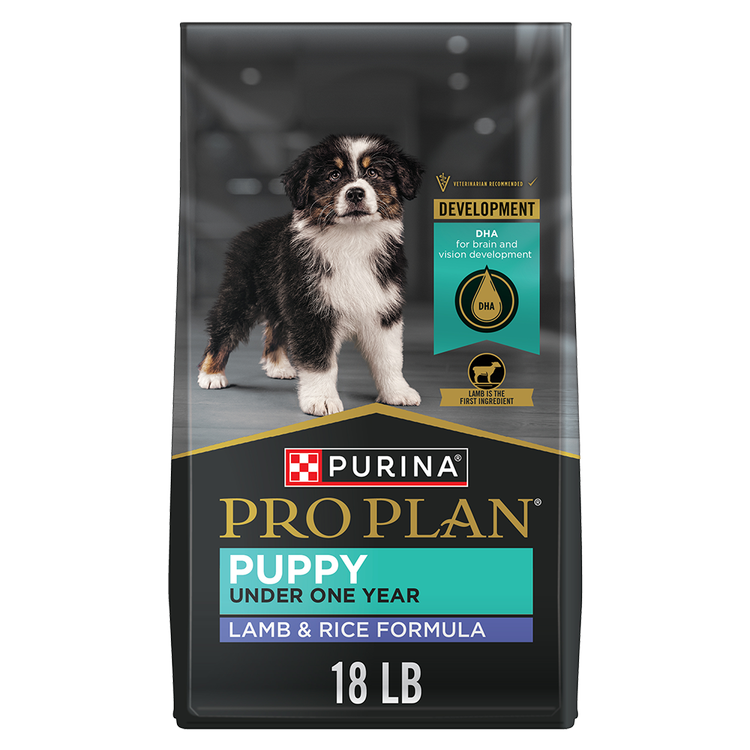
Credit: www.purina.com
Frequently Asked Questions
Can Puppies Eat Adult Dog Food Safely?
Puppies need specific nutrients for growth. Adult dog food lacks essential proteins and calories puppies require. Feeding adult food can cause nutritional gaps, affecting their development. Always choose puppy-specific food for balanced nutrition and healthy growth during early months.
What Happens If Puppies Eat Only Adult Dog Food?
If puppies eat only adult dog food, they may miss vital nutrients. This can stunt growth, weaken immunity, and cause developmental issues. Adult dog food is lower in calories and protein, which are critical for puppies’ energy and muscle formation.
When Should Puppies Switch To Adult Dog Food?
Puppies usually switch to adult dog food around 12 months old. Large breeds may need more time, up to 18-24 months. Transition gradually to avoid digestive upset. Consult your vet for the best timing based on your puppy’s breed and size.
Can Feeding Adult Dog Food Harm Puppy’s Health?
Feeding adult dog food to puppies long-term can harm health. It may lead to nutrient deficiencies, poor bone growth, and weak immune systems. Puppies need higher protein, fat, and vitamins that adult formulas don’t provide adequately.
Conclusion
Puppies need special food to grow strong and healthy. Adult dog food lacks some important nutrients for puppies. Feeding adult food to puppies can cause health problems over time. Always choose food made just for puppies. It helps their bones, brain, and energy.
Talk to your vet if you are unsure. Good nutrition starts with the right food. Keep your puppy happy and healthy with proper feeding. Small steps make a big difference in puppy care.