
Thinking about training your dog but unsure how much it will cost? You’re not alone.
Knowing the right amount to invest in your dog’s training can feel confusing. Yet, getting this right can make a huge difference in your dog’s behavior and your happiness together. You’ll discover clear answers to how much you should expect to spend on training.
You’ll also learn what factors affect the price and how to choose the best option for your budget and your dog’s needs. Keep reading to find out how to get the best value and results from your dog training investment.
Credit: m.youtube.com
Factors Influencing Training Costs
Training your dog is an investment that varies widely in cost. Several factors come into play, influencing how much you might pay for effective training. Understanding these elements helps you make smarter choices tailored to your dog’s needs and your budget.
Training Methods
The approach used during training significantly impacts the price. Group classes tend to be more affordable but offer less individual attention. Private sessions, on the other hand, cost more but focus solely on your dog’s behavior and progress.
Some trainers use modern positive reinforcement techniques, which may require more sessions but often lead to better long-term results. Other methods, like traditional obedience or correction-based training, might differ in cost and effectiveness. What kind of training style do you think suits your dog best?
Dog Breed And Age
Different breeds learn at different speeds. High-energy breeds or those with stubborn traits may need longer or more specialized training, which adds to the cost. Puppies often require more sessions because they are just starting to learn basic commands and social skills.
Older dogs might take longer to adapt to new habits, especially if they have existing behavioral issues. Knowing your dog’s breed and age helps trainers create a tailored plan, but this customization can increase the price. How well do you understand your dog’s learning needs?
Trainer Experience
Experienced trainers usually charge higher fees. Their knowledge and skill often translate to faster, more effective results, saving time and frustration. However, less experienced trainers might offer lower rates but could take longer to achieve the same outcomes.
Finding a balance between cost and quality is key. Don’t hesitate to ask trainers about their certifications and success stories. Would you rather pay more upfront for expertise or try a more affordable option with less experience?
Location And Facility
Where you live affects training costs. Urban areas with higher living expenses often have pricier training services. Facilities with advanced equipment, spacious training areas, or added amenities usually charge more.
Some trainers offer home visits, which can be convenient but might increase costs due to travel. Alternatively, online training sessions might reduce expenses but require more commitment from you. What environment do you think will benefit your dog’s learning the most?
Types Of Dog Training
Dog training varies widely depending on the dog’s needs and owner’s goals. Training shapes a dog’s behavior and skills for daily life. Understanding types of dog training helps set clear expectations. Each type targets specific behaviors or tasks.
Basic Obedience
Basic obedience teaches simple commands like sit, stay, and come. It builds a foundation for good behavior and safety. Training sessions are short and consistent for best results. This type suits puppies and newly adopted dogs.
Behavioral Training
Behavioral training addresses issues such as barking, chewing, or aggression. It helps dogs learn appropriate responses to triggers. Trainers use rewards and corrections to change bad habits. This training improves the dog’s social skills and home life.
Advanced Skills
Advanced skills involve complex commands and tricks beyond basic obedience. Dogs learn tasks like fetching objects or agility exercises. This training enhances mental stimulation and strengthens the bond with owners. It suits active dogs needing extra challenges.
Specialized Training
Specialized training focuses on specific roles like therapy, service, or protection work. Dogs receive tailored instruction for their unique duties. This training requires patience and professional guidance. It prepares dogs for important, real-world tasks.
Cost Breakdown By Training Type
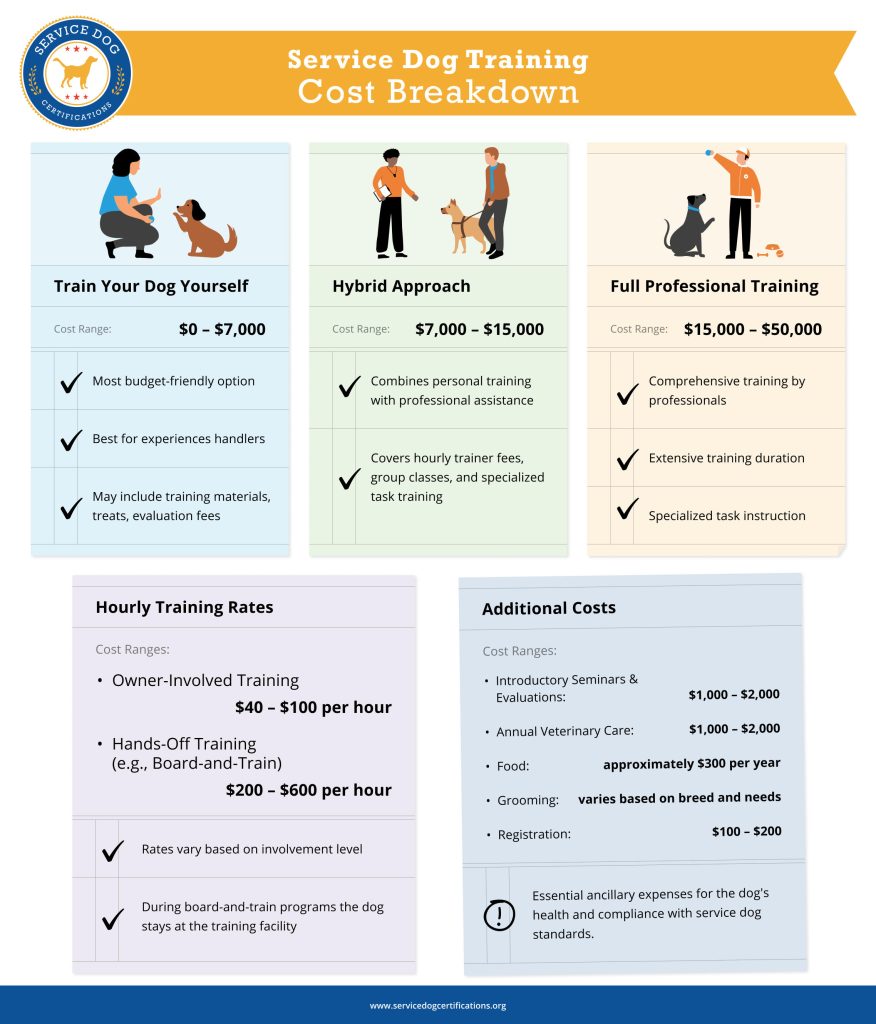
Understanding the cost of dog training helps in planning effectively. Various training options suit different needs and budgets. Each option has its own price range and benefits. Let’s explore the cost breakdown by training type.
Group Classes
Group classes are a popular choice for many dog owners. They provide a social learning environment for your dog. These classes usually cost between $20 to $50 per session. It’s a budget-friendly option with numerous benefits.
Private Sessions
Private sessions offer personalized attention for your dog. Trainers focus on specific behavioral issues or skills. These sessions are more expensive, ranging from $50 to $150 per hour. They are ideal for dogs needing individual care.
Board And Train Programs
Board and train programs involve your dog staying with the trainer. They offer intensive training over a short period. Costs can vary widely, typically from $1,000 to $2,500 for two weeks. This is a comprehensive but costly option.
Online Training Options
Online training is a flexible and convenient choice. You can access lessons and videos at your own pace. Prices range from $50 to $300 for complete courses. It’s a great option for those with a busy schedule.
Additional Expenses To Consider
Training your dog involves more than just paying for classes or a trainer’s time. There are several additional expenses that can add up quickly and impact your overall budget. Knowing these costs upfront helps you plan better and avoid surprises along the way.
Training Supplies
Think about the tools that will support your dog’s learning journey. Items like leashes, collars, clickers, treat bags, and training treats are essential. These supplies often need replacing or upgrading as your dog progresses.
For example, a high-quality leash might cost $20 to $40, and treats can add up to $10 to $25 per month depending on your dog’s size. Have you considered what type of training aids suit your dog’s personality best?
Travel And Transportation
If your trainer isn’t nearby, you’ll face travel costs. Whether you drive or use public transport, factor in fuel, parking fees, or transit fares. These expenses can build up, especially with frequent sessions.
Sometimes, trainers offer home visits for convenience, but this might come at a higher hourly rate. Have you calculated how travel time and costs affect the overall price of training?
Follow-up Sessions
Training isn’t a one-time event; it requires ongoing practice and reinforcement. Follow-up sessions help maintain progress and address new challenges as your dog grows. These sessions can range from occasional check-ins to regular refresher classes.
Skipping follow-ups might save money short-term but could lead to setbacks, costing more in the long run. How often do you think your dog will need continued support to stay on track?
Ways To Save On Training
Training your dog can be expensive, but there are practical ways to cut costs without sacrificing quality. Saving money on training often means getting creative and using resources you might already have. Have you ever thought about how much you could save by simply changing your approach?
Diy Training Tips
Teaching your dog basic commands at home can be highly effective and budget-friendly. Start with simple tasks like sit, stay, and come using treats and consistent verbal cues. Consistency is key—short daily sessions of 5 to 10 minutes often work better than longer, infrequent ones.
Using free online videos and training apps can guide you step-by-step. You can even track your progress with a training journal to identify what works best for your dog. Have you tried breaking training into small, manageable goals to keep both you and your dog motivated?
Community Resources
Many communities offer free or low-cost dog training classes through local shelters, pet stores, or animal welfare organizations. These programs provide professional guidance and socialization opportunities for your dog. It’s worth checking bulletin boards or community websites for announcements.
Volunteering at a shelter can also give you access to training tips and sometimes free classes. Plus, it’s a great way to meet other dog owners who can share advice. What local resources have you explored that might save you money on training?
Package Deals
If professional training is what you need, look for package deals instead of paying per session. Many trainers offer discounted rates when you buy multiple sessions upfront. This approach often costs less per session and creates a consistent schedule for your dog.
Some trainers bundle training with additional services like grooming or boarding, which can add value. Always ask about promotions or seasonal discounts before signing up. Could investing in a package deal help you stick to your training plan more effectively?

Credit: www.dogster.com
Evaluating Trainer Credentials
Choosing the right dog trainer affects your dog’s behavior and your budget. Evaluating trainer credentials helps find a skilled and trustworthy professional. Trainers with proper qualifications use safe and effective methods. This section explains key certifications and warning signs to watch for.
Certifications To Look For
Certified trainers show they passed tests and have real experience. Look for these common credentials:
- CPDT-KA (Certified Professional Dog Trainer – Knowledge Assessed): A respected certification showing solid training knowledge.
- IAABC (International Association of Animal Behavior Consultants): Focuses on behavior consulting and problem solving.
- KPA CTP (Karen Pryor Academy Certified Training Partner): Emphasizes positive reinforcement and modern training techniques.
- APDT (Association of Professional Dog Trainers): Offers education and resources for trainers.
These certifications mean trainers understand dog behavior and training science. Trainers without certificates might lack formal education.
Red Flags To Avoid
Avoid trainers who use fear or punishment to control dogs. Signs to watch for include:
- Promises of quick fixes or guarantees.
- Use of shock collars, prong collars, or choke chains.
- Resistance to explain their training methods.
- Negative reviews mentioning harm or stress to dogs.
Trustworthy trainers value your dog’s well-being. Choose trainers who communicate clearly and show patience.
Making The Most Of Your Investment
Training a dog requires time, patience, and effort. Spending money on training is an investment in your dog’s behavior and happiness. Making the most of this investment means focusing on key areas that improve learning and progress. These areas help ensure your dog gets the best results from every session.
Setting Realistic Goals
Clear and simple goals help guide training sessions. Break down big tasks into smaller, easy steps. This way, your dog learns without feeling overwhelmed. Set goals based on your dog’s age, breed, and personality. Realistic targets keep you motivated and your dog engaged.
Consistent Practice
Regular training builds strong habits in your dog. Short, daily sessions work better than long, rare ones. Practice the same commands in different places. This helps your dog understand that rules apply everywhere. Consistency also helps your dog remember lessons and behave well over time.
Monitoring Progress
Track your dog’s improvements to see what works best. Take notes on successes and struggles. Adjust training methods if needed to fit your dog’s pace. Celebrate small wins to encourage both you and your dog. Monitoring progress keeps training focused and effective.

Credit: clubk9lasvegas.com
Frequently Asked Questions
How Much Does Professional Dog Training Cost?
Professional dog training typically costs between $30 and $100 per session. Prices vary by trainer experience, location, and training type. Group classes are usually cheaper than private sessions. Some trainers offer packages or discounts for multiple sessions.
Is Diy Dog Training More Affordable Than Hiring Trainers?
DIY dog training can save money but requires time and effort. You’ll need to buy training materials and research techniques. Professional trainers provide expertise and faster results. Both options have benefits depending on your budget and commitment.
What Factors Influence Dog Training Prices?
Dog training costs depend on session length, trainer’s expertise, location, and training methods. Specialized training, like behavior correction, usually costs more. Group classes reduce expenses compared to private lessons. Travel fees may apply for in-home training.
Can Online Dog Training Save Money?
Online dog training is often more affordable than in-person sessions. It offers flexible schedules and access to expert advice. However, it may lack personalized guidance. Online courses suit motivated owners who can train consistently at home.
Conclusion
Training your dog takes time, effort, and some cost. Prices vary by trainer, location, and training type. Choose a plan that fits your budget and your dog’s needs. Consistent training helps build good habits and a happy pet. Remember, patience and care make training successful.
Start small, stay steady, and enjoy the journey with your dog. Training is an investment in your dog’s future behavior. Keep it simple, clear, and positive for best results.