
You want the best for your puppy, and that includes feeding them the right food at the right time. But how do you know when to switch your puppy to adult dog food?
Making this change too early or too late can affect your dog’s health and growth. You’ll discover the key signs to watch for and the best timing to make this important switch. Keep reading to ensure your furry friend stays happy and healthy every step of the way.
Puppy Growth Stages
Puppy growth happens fast. Each stage has unique changes and needs. Knowing these stages helps decide the right time to switch dog food. Puppies don’t grow steadily; they have bursts of growth that need special care.
Feeding the right food at the right time supports healthy bones, muscles, and brain development. Understanding growth stages can prevent nutrition problems and keep your puppy strong and happy.
Key Development Milestones
- Neonatal Stage (0-2 weeks):Puppies are blind and deaf. They rely on mother’s milk.
- Transitional Stage (2-4 weeks):Eyes open. Puppies start to walk and explore.
- Socialization Stage (4-12 weeks):Learning social skills. Teeth appear. Begin weaning.
- Juvenile Stage (3-6 months):Rapid growth. Increased energy. Start eating solid food.
- Adolescence (6-12 months):Growth slows. Puppy starts looking like an adult dog.
Nutritional Needs At Each Stage
- Neonatal:Mother’s milk provides all nutrients needed.
- Transitional:Start soft, wet puppy food mixed with milk replacer.
- Socialization:High protein and fat for brain and body growth.
- Juvenile:Energy needs peak. Nutrients support bones and muscles.
- Adolescence:Balanced diet to maintain healthy weight and development.
Credit: www.purina.com
Signs Puppy Is Ready
Knowing when your puppy is ready for adult dog food helps keep them healthy. Puppies grow fast, and their diet needs to change with their development. Watch for certain signs that show your puppy is ready to switch. These signs fall into two main groups: physical indicators and behavioral changes.
Physical Indicators
- Body size approaches adult proportions.
- Teeth have fully grown and are strong.
- Coat becomes thicker and shinier.
- Energy levels start to stabilize.
- Weight gain slows down and evens out.
Behavioral Changes
- Puppy shows less constant hunger.
- Begins eating less frequently each day.
- Starts chewing less on toys and furniture.
- Shows more control and patience during meals.
- Exhibits calmer play and rest patterns.
Breed And Size Considerations
Understanding when to switch your puppy to adult dog food is crucial for their health and well-being. Different breeds and sizes grow at varying rates, impacting the right time to make the switch. This decision can significantly affect your dog’s development and lifelong health.
Small Breed Timelines
Small breeds typically mature faster than larger breeds. They often reach their full size by the time they are 9 to 12 months old. At this point, it’s usually safe to transition them to adult dog food.
Consider a Chihuahua or a Pomeranian. These tiny companions can quickly graduate from their puppy stage. Switching too late can lead to excessive weight gain due to high-calorie puppy food.
Does your small breed seem full of energy and zest even after a playful afternoon? This might be a sign they still need the calories and nutrients from puppy food. But once their growth stabilizes, gradually shifting to adult dog food ensures they maintain a healthy weight and energy level.
Large Breed Timelines
In contrast, large breeds take their time growing. Breeds like Great Danes or Saint Bernards may not reach maturity until 18 to 24 months old.
Rushing the transition for these gentle giants can be detrimental. They require extended periods of puppy nutrition to support their growing bones and joints. Is your large breed still growing and bounding around with puppy-like enthusiasm? Keeping them on puppy food a bit longer could be beneficial.
Transitioning too early can risk joint and bone issues due to insufficient nutrients. Monitor your dog’s growth and consult with your veterinarian for personalized advice. Adjusting their diet at the right time will help support a long, healthy life.
Choosing The Right Adult Food
Choosing the right adult food for your dog is a crucial step after the puppy stage. You want to make sure the food supports their health, energy, and overall well-being as they grow. Picking the wrong diet can lead to nutritional gaps or excesses that may affect their development and longevity.
Nutrient Differences
Puppy food is packed with extra protein and calories to fuel rapid growth. Adult dog food, on the other hand, has balanced nutrients to maintain health without promoting weight gain.
Look for adult formulas with:
- Moderate protein levels to support muscle maintenance
- Controlled fat content to avoid unnecessary weight
- Essential vitamins and minerals for overall health
Have you noticed your puppy’s energy level changing? This might signal it’s time to adjust their nutrient intake. Switching too early or too late can disrupt this balance.
Special Dietary Needs
Every dog is unique, and some require special diets as they transition to adulthood. Allergies, sensitivities, or health conditions like joint issues may need specific ingredients or supplements.
Consider these points when choosing adult food for special needs:
- Hypoallergenic formulas if your dog shows signs of food allergies
- Grain-free or limited ingredient diets for sensitive stomachs
- Joint-supporting nutrients like glucosamine and chondroitin for active or larger breeds
Ask yourself: Does your dog have any health concerns that need extra attention in their food? Tailoring their diet can prevent problems and keep them thriving for years.
Transitioning Smoothly
Switching your puppy to adult dog food requires more than just changing the bowl’s contents. A smooth transition helps avoid digestive upset and ensures your dog happily accepts the new diet. Taking your time and watching closely can make this change easier for both of you.
Gradual Food Switch
Start by mixing a small amount of adult food into your puppy’s current meals. Over the course of 7 to 10 days, slowly increase the adult food portion while decreasing the puppy food. This gradual approach helps your dog’s digestive system adjust without stress.
Try a schedule like this:
| Days | Puppy Food (%) | Adult Food (%) |
|---|---|---|
| 1–3 | 75% | 25% |
| 4–6 | 50% | 50% |
| 7–9 | 25% | 75% |
| 10+ | 0% | 100% |
This method reduces the risk of upset stomach and picky eating. Have you noticed your puppy reacting differently to new food textures or smells? Adjust the pace if needed.
Monitoring For Reactions
Watch your puppy closely during the transition for any signs of discomfort. Common issues include diarrhea, vomiting, or a sudden loss of appetite. These symptoms might indicate the new food isn’t agreeing with your pup.
Keep an eye on:
- Changes in stool consistency
- Energy levels throughout the day
- Skin and coat condition
If you spot anything unusual, slow down the transition or consult your vet. Remember, your puppy can’t tell you what’s wrong, but their body language and habits speak volumes.
Common Mistakes To Avoid
Switching your puppy to adult dog food is a key moment in their growth. Many pet owners make avoidable mistakes during this change. These errors can affect your dog’s health and development. Understanding common pitfalls helps ensure a smooth transition and keeps your puppy healthy.
Switching Too Early
Changing to adult food before your puppy is ready can cause problems. Puppies need extra nutrients for growth and energy. Adult food may lack these essential nutrients. This can lead to poor development and weak immunity. Wait until your puppy reaches the right age or weight. Usually, this is around one year old, but it depends on the breed.
Ignoring Puppy’s Health Signals
Your puppy shows signs when a diet change is needed. Watch for changes in energy, coat, and digestion. Poor appetite or loose stools may mean the food is not right. Ignoring these signs can harm your dog’s health. Consult a vet if you see any unusual symptoms during the switch. Adjust the diet based on your puppy’s reactions.
Veterinarian Advice
Getting advice from your veterinarian can make a big difference when deciding the right time to switch your puppy to adult dog food. Vets have the knowledge and experience to guide you based on your puppy’s unique health needs and growth patterns. Their input helps avoid common mistakes like switching too early or too late, which can impact your dog’s health.
When To Consult A Vet
If you notice your puppy is growing slower or faster than average, it’s a good idea to check with your vet. Puppies of different breeds mature at different rates, and your vet can tell you the best time for your specific dog. Also, if your puppy has health issues like allergies or digestive troubles, professional advice is essential before making any food changes.
Have you ever wondered if your puppy’s energy level or coat condition signals a need for a diet change? Your vet can help interpret these signs and recommend the right timing to switch foods.
Personalized Feeding Plans
A one-size-fits-all approach rarely works for feeding puppies. Your vet can create a feeding plan tailored to your dog’s breed, size, activity level, and health status. This plan includes the ideal age to transition to adult food and the type of adult food that suits your dog best.
Personalized plans often include tips on portion sizes and feeding frequency. This prevents overfeeding or underfeeding, which are common concerns during the transition phase. Have you checked if your puppy’s current diet matches their actual needs lately? Your vet’s guidance can make that clearer.
Credit: www.thinkjinx.com

Credit: petheavenblogs.com
Frequently Asked Questions
When Should I Switch My Puppy To Adult Dog Food?
Switch your puppy to adult dog food between 9 and 12 months. Larger breeds may need to switch later. This timing supports healthy growth and development.
How Do I Know If My Puppy Is Ready For Adult Food?
Signs include slowed growth, a more mature body shape, and reduced energy needs. Consult your vet for personalized advice.
What Are The Risks Of Switching Too Early Or Late?
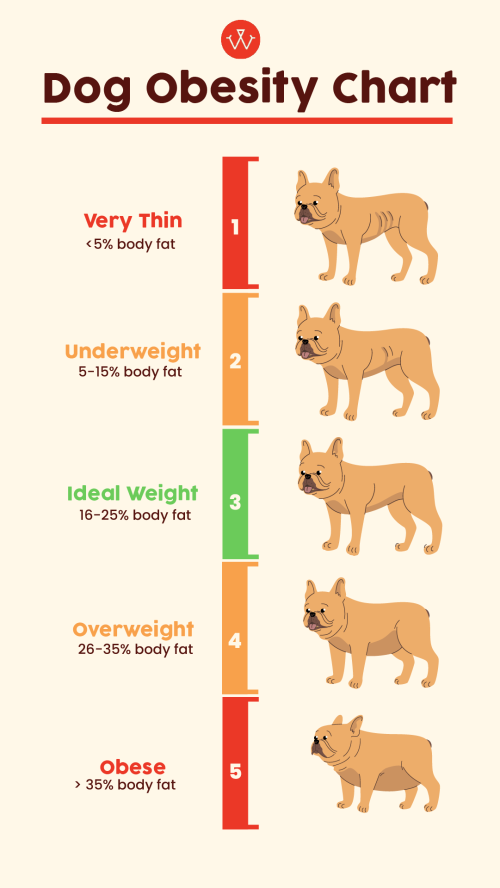
Switching too early can cause nutrient deficiencies. Switching too late may lead to obesity or digestive issues. Follow vet guidance for best timing.
Can I Mix Puppy And Adult Dog Food During The Transition?
Yes, gradually mix adult food with puppy food over 7-10 days. This helps avoid digestive upset and eases the transition.
Conclusion
Switching your puppy to adult dog food is a key step in their growth. Watch their age and size to know the right time. Adult food supports their energy and health needs better. Always choose a good quality food for their new stage.
Changing food too soon or too late can cause problems. Pay attention to your puppy’s behavior and weight. This helps keep them strong and happy. A smooth change makes life easier for your dog. Keep your puppy’s health your top priority.