
Are you unsure if you’re feeding your adult dog the right amount of food? Giving too much or too little can affect your dog’s health, energy, and happiness.
But how do you know the perfect portion size for your furry friend? You’ll discover clear and simple answers to help you feed your dog just right. Keep reading to learn how to keep your dog healthy and thriving with the right food portions every day.
Daily Calorie Needs
Understanding your adult dog’s daily calorie needs is key for their health. Proper calories help maintain energy and a healthy weight. Too few calories cause weakness and weight loss. Too many lead to obesity and health problems. Each dog has unique needs. Knowing how many calories they require guides you in feeding right amounts.
Factors Influencing Calorie Requirements
Several factors affect how many calories your dog needs daily:
- Size and Weight:Larger dogs need more calories than smaller ones.
- Age:Older dogs usually need fewer calories due to less activity.
- Activity Level:Active dogs burn more calories and need extra food.
- Health Status:Illness or conditions can increase or decrease calorie needs.
- Spaying or Neutering:This can lower metabolism, reducing calorie requirements.
Calculating Your Dog’s Calories
Estimate your dog’s calorie needs using their weight and activity level. A simple formula uses Resting Energy Requirement (RER):
| Formula | Description |
|---|---|
| RER = 70 × (body weight in kg)0.75 | Basic energy needs at rest |
Multiply RER by a factor depending on activity:
- Neutered adult: RER × 1.6
- Active adult: RER × 2.0
- Weight loss: RER × 1.0
This gives daily calorie needs. Use it to measure proper food portions. Watch your dog’s weight and adjust calories as needed.
Portion Size Guidelines
Knowing the right portion size for your adult dog can be tricky. It depends on factors like their weight, activity level, and the type of food you offer. Getting the right amount not only keeps your dog healthy but also prevents overeating and weight gain.
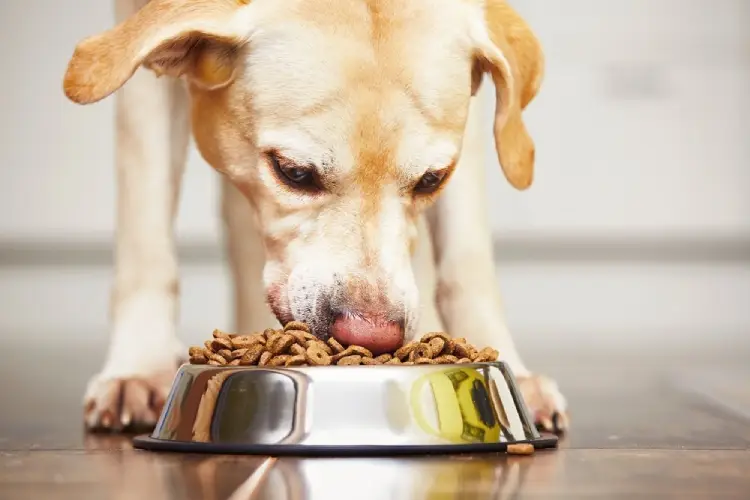
Dry Food Portions
Dry dog food is convenient and easy to measure. Usually, the feeding guidelines on the bag give a good starting point based on your dog’s weight. However, these are just estimates—adjust portions if your dog gains or loses weight.
For example, a 30-pound dog might need around 1 to 1.5 cups of dry food daily. Split this into two meals to help digestion and keep your dog energized throughout the day. Always use a proper measuring cup for accuracy.
Wet Food Portions
Wet food contains more moisture, so your dog may need a larger volume compared to dry food. Check the label for feeding suggestions based on weight, but expect to feed more in grams or ounces. For instance, a 30-pound dog might eat about 12 to 15 ounces of wet food daily.
Dividing meals into two or three servings works well here too. Watch your dog’s weight and energy levels, then adjust portions accordingly. Wet food can be richer, so feeding too much might lead to weight gain faster than dry food.
Mixing Food Types
Many dog owners mix dry and wet food to offer variety and extra moisture. When mixing, reduce the amount of each type so the total food quantity fits your dog’s daily calorie needs. It’s easy to overfeed if you don’t measure carefully.
For example, if your dog needs one cup of dry food daily, try half a cup of dry plus half a can of wet food instead. This balance keeps your dog interested in meals and ensures they get enough nutrients without extra calories.
Have you noticed how your dog reacts to different portion sizes or food types? Pay attention to their weight and energy to find the perfect portion balance for your furry friend.
Feeding Frequency
Adult dogs usually need two meals a day, but this can vary by size and activity level. Feeding the right amount helps keep them healthy and energetic. Monitor your dog’s weight to adjust portions as needed.
Feeding Frequency Understanding the feeding frequency for your adult dog is crucial for maintaining their health and energy levels. How often you feed your dog can affect their digestion, energy, and even behavior. While some dogs do well with one meal a day, others may benefit from more frequent feedings.Number Of Meals Per Day
Most adult dogs thrive on two meals per day. This routine helps in regulating their metabolism and prevents hunger-related behavior issues. If you have a particularly active breed, you might consider splitting their daily intake into three smaller meals for sustained energy.Adjusting Feeding Times
Adjusting feeding times can be a game-changer for your dog’s well-being. For instance, feeding your dog in the morning and evening can fit seamlessly into your daily schedule. Keep an eye on your dog’s energy levels and digestion, and adjust the times if necessary. Have you noticed any changes in your dog’s behavior when you adjust their meal times? If so, it might be worth exploring different feeding schedules. Remember, consistency is key to a happy, healthy dog.
Credit: jiminys.com
Age And Activity Impact
Age and activity greatly affect how much food an adult dog needs daily. Puppies require more calories for growth, while adult dogs need enough to maintain energy. Active dogs burn more calories and need larger meals. Older dogs often need fewer calories but more nutrients.
Active Vs. Sedentary Dogs
Active dogs need more food to fuel their energy. Working dogs or those who exercise often require more calories. Sedentary dogs burn fewer calories and need smaller portions. Overfeeding a less active dog can lead to weight gain. Monitor your dog’s activity level to adjust meal sizes. High-quality, balanced food supports both types of dogs well.
Senior Dog Feeding Tips
Senior dogs have slower metabolisms and lower energy needs. They often require fewer calories but more protein to maintain muscle. Feeding smaller, more frequent meals helps with digestion. Look for foods with added vitamins and joint support. Watch your senior dog’s weight and adjust portions carefully. A vet can help create the best feeding plan for older dogs.
Breed And Size Considerations
Understanding how much food an adult dog needs depends greatly on its breed and size. Different breeds have different energy needs and metabolisms. Size plays a big role in determining daily food portions. Feeding the right amount helps keep your dog healthy and happy.
Small Breeds
Small breed dogs need less food but more calories per pound. Their fast metabolism burns energy quickly. Feeding too little can cause low energy and weight loss. Feeding too much may lead to obesity.
Typical small breeds include Chihuahuas, Pomeranians, and Dachshunds. They usually eat about ⅓ to 1 cup of food daily. Choose nutrient-rich food with high protein and fat content.
Medium Breeds
Medium breeds need balanced portions to maintain weight and energy. Their metabolism is moderate, not too fast or slow. Feeding amounts vary based on activity level and age.
Examples are Beagles, Cocker Spaniels, and Bulldogs. They typically eat between 1 to 2 cups of food daily. Include quality protein and healthy fats in their diet.
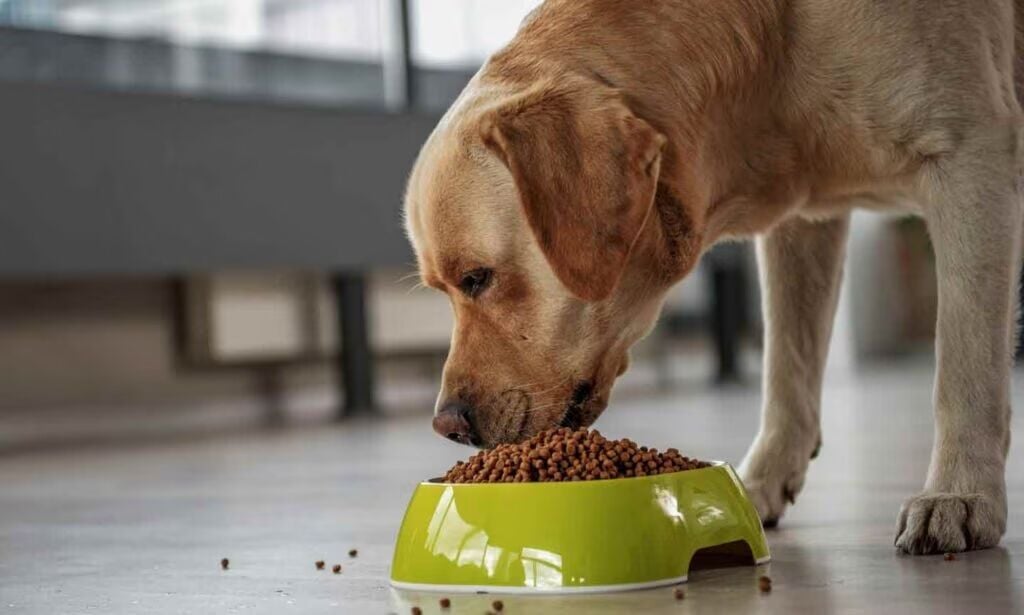
Large Breeds
Large breed dogs require more food but fewer calories per pound than smaller dogs. Their slower metabolism means they need controlled portions to avoid weight gain. Overfeeding can stress joints and cause health problems.
Breeds like Golden Retrievers, Labradors, and Great Danes fall here. Daily food ranges from 2 to 4 cups, depending on activity. Use specially formulated large breed dog food for joint support and balanced nutrition.
Credit: www.eacourier.com
Monitoring Weight And Health
Monitoring your adult dog’s weight and health is key to feeding them the right amount. A healthy weight supports their energy and well-being. Watch your dog closely for changes that might signal overfeeding or underfeeding. Small adjustments in food can make a big difference in their health.
Signs Of Overfeeding
- Excess weight gain over a short time
- Difficulty feeling ribs or spine under the fur
- Slower movements or less playfulness
- Increased panting or heavy breathing
- Frequent begging for food or snacks
Signs Of Underfeeding
- Visible ribs, spine, or hip bones
- Low energy or tiredness during walks
- Thin or dull coat
- Loss of muscle mass or strength
- Increased irritability or restlessness
Regular Vet Checkups
Schedule vet visits at least twice a year. The vet checks weight, body condition, and overall health. They can suggest diet changes or tests if needed. Regular checkups catch problems early. They keep your dog healthy and happy.
Special Dietary Needs
Adult dogs may have special dietary needs that affect how much food they require. These needs depend on their health, lifestyle, and unique body functions. Feeding the right amount supports their well-being and energy levels. Understanding these special needs helps owners provide proper nutrition and avoid common feeding mistakes.
Allergies And Sensitivities
Some dogs have allergies or food sensitivities. These can cause itching, digestive upset, or ear infections. Such dogs need diets free from common allergens like wheat, soy, or certain proteins. Owners should watch for signs of intolerance and choose hypoallergenic or limited ingredient foods. Measuring food carefully prevents overfeeding and weight gain.
Weight Management Diets
Maintaining a healthy weight is vital for adult dogs. Overweight dogs need fewer calories to avoid health problems. Weight management diets often contain fewer fats and more fiber. Portion control and scheduled feeding times help regulate calorie intake. Exercise pairs well with diet to keep dogs fit and active.
Medical Conditions
Medical conditions can change a dog’s nutritional needs. Dogs with diabetes may require low-sugar diets. Kidney disease often calls for low-protein meals. Dogs with heart issues may need reduced sodium. Veterinary advice is essential to tailor diets correctly. Following medical nutrition plans supports treatment and recovery.
Credit: www.petmd.com
Tips For Successful Feeding
Feeding an adult dog correctly is key to its health. Good feeding habits help maintain weight and energy. Consistency and care make feeding easier and more effective. Follow these tips for better feeding success.
Measuring Food Accurately
Use a measuring cup for precise portions. Avoid guessing by eye. Check your dog food bag for serving size guidelines. Adjust portions based on your dog’s weight and activity. Keep a kitchen scale for exact measurement if needed.
Using Feeding Schedules
Feed your dog at the same times daily. Regular meals help control hunger and digestion. Most adult dogs do well with two meals per day. Avoid free-feeding to prevent overeating. Stick to a routine for better behavior.
Avoiding Overfeeding Treats
Limit treats to no more than 10% of daily calories. Choose healthy, low-calorie snacks. Treats should not replace balanced meals. Use treats mainly for training or rewards. Keep track of all treats to avoid extra calories.
Frequently Asked Questions
How Much Food Does An Adult Dog Need Daily?
An adult dog typically needs 2-3% of its body weight in food daily. This varies by breed, activity, and metabolism. Consult your vet for exact amounts.
Does Dog Food Amount Depend On Breed Size?
Yes, small breeds eat less than large breeds. Larger dogs need more calories and food to maintain energy and health.
How Often Should I Feed My Adult Dog?
Most adult dogs should be fed twice a day. Consistent meal times help digestion and maintain a healthy weight.
Can Activity Level Affect Adult Dog Food Quantity?
Yes, active dogs require more calories and food. Sedentary dogs need less to avoid weight gain.
Conclusion
Feeding an adult dog the right amount keeps them healthy and happy. Too much food can lead to weight gain and health problems. Too little food may cause weakness and poor growth. Watch your dog’s weight and energy to adjust portions.
Use feeding guides on dog food packages as a starting point. Remember, each dog is different and needs care. Regular vet visits help find the best food amount. Keep meals consistent and balanced for your dog’s well-being. Healthy feeding supports a long, active life for your furry friend.