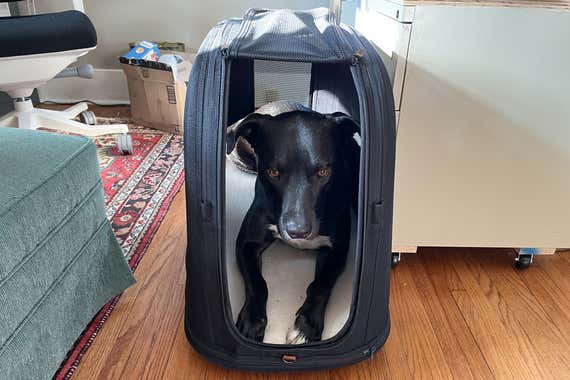

Traveling with your dog can be one of the most rewarding experiences you’ll share. But it can also be stressful if you’re not prepared.
You want your furry friend to be safe, comfortable, and happy every step of the way. So, what’s the best way to travel with a dog? You’ll discover simple tips and smart strategies that make every trip smooth and enjoyable—for both you and your pet.
Ready to turn your next adventure into a memory you both will cherish? Keep reading.
Choosing The Right Travel Method
Choosing the right travel method for your dog makes the trip safe and enjoyable. Different dogs have different needs and comfort levels. Travel distance, your dog’s size, and personality affect your choice. Understanding each option helps you prepare well and avoid stress. Here are popular travel methods for dogs and what to expect from each.
Car Trips
Car trips offer control over your dog’s environment. You can stop for breaks and let your dog stretch. Use a secure crate or dog seatbelt for safety. Keep the car cool and bring water for hydration. Familiar toys and blankets help your dog feel calm. Avoid feeding just before travel to prevent car sickness. Short trips are best for dogs new to car travel.
Air Travel
Air travel suits long distances but needs careful planning. Small dogs may fly in the cabin with you. Larger dogs often travel in the cargo hold. Check airline pet policies before booking. Use an airline-approved crate with proper ventilation. Label the crate with your contact details. Visit the vet for health certificates and vaccinations. Arrive early at the airport to manage check-in smoothly. Prepare your dog for noise and pressure changes.
Train And Bus Options
Train and bus travel varies by company rules. Many trains allow small dogs in carriers. Buses may have stricter pet policies or no pets allowed. Book tickets early and confirm pet rules. Keep your dog in a secure carrier or leash. Bring water and a familiar blanket for comfort. Stay near your dog during the trip to reduce anxiety. Choose off-peak times for quieter rides and less crowd.
Preparing Your Dog For The Journey
Preparing your dog for travel ensures a smooth and safe journey. It helps reduce stress for both you and your pet. Proper preparation starts weeks before the trip. Focus on health, packing, and behavior training. This section guides you through essential steps to get your dog ready.
Health Check And Vet Visits
Schedule a vet visit before traveling. Make sure your dog is up to date on vaccines. Ask the vet about any health concerns related to travel. Get a health certificate if needed for certain destinations. Discuss motion sickness remedies or calming treatments. Check your dog’s weight and overall fitness. Healthy dogs handle travel better and stay comfortable.
Packing Essentials
Pack all necessary items for your dog’s comfort and safety. Include:
- Food and water bowls
- Enough food for the trip
- Leash, collar, and ID tags
- Favorite toys and blankets
- Waste bags for cleaning
- Medications prescribed by the vet
- First aid kit for pets
Organize these items in an easy-to-reach bag. This keeps everything handy during travel stops.
Training For Travel Behavior
Help your dog get used to travel environments. Practice short car rides to build comfort. Teach your dog to stay calm and quiet during trips. Reward good behavior with treats and praise. Introduce crate training if you plan to use one. Crates help dogs feel secure and limit movement. Consistent training reduces anxiety and makes travel safe.
Packing For Your Dog
Packing your dog’s essentials ensures a smooth trip. Bring food, water, toys, and a comfortable carrier for safe travel. Preparing ahead helps your dog stay calm and happy on the journey.
Packing for your dog can feel like a daunting task, but with the right approach, it becomes an enjoyable part of your travel preparations. Dogs, much like humans, have specific needs that must be met to ensure a comfortable and safe journey. By focusing on food, comfort, and safety, you can create a packing checklist that covers all bases, ensuring your furry friend has everything they need.Food And Water Supplies
Imagine arriving at your destination only to realize you’ve forgotten your dog’s favorite food. It’s not just inconvenient; it can be distressing for your pet. Always pack enough food for the entire trip, plus a little extra for emergencies. – Use airtight containers to keep food fresh. – Bring a collapsible water bowl for easy hydration on the go. – Consider packing a few treats to reward good behavior during travel.Comfort Items
Travel can be stressful for dogs, especially in unfamiliar environments. Comfort items can make a huge difference in easing their anxiety. Your dog’s favorite blanket or toy can provide a sense of security. – Pack their regular bed or a portable version. – Include toys that are familiar to them. – Bring a piece of your clothing; your scent can be calming.Safety Gear
Safety should always be a top priority when traveling with your dog. Proper gear can prevent accidents and ensure your pet is secure throughout the journey. – Use a sturdy leash and collar with updated ID tags. – A pet seatbelt or carrier can keep your dog safe in the car. – Don’t forget a first-aid kit tailored for your dog’s needs. Packing thoughtfully is more than just about convenience; it’s about ensuring your pet’s well-being. What if you were in your dog’s paws? Wouldn’t you want all the comforts of home with you on the road?
Credit: boneandbiscuit.ca
Keeping Your Dog Calm On The Road
Keeping your dog calm during travel helps make the journey smooth for both of you. Dogs can feel nervous or stressed in cars or planes. A calm dog stays safer and happier. Preparing your dog with the right techniques reduces anxiety and motion discomfort.
Calming Techniques
Calm dogs enjoy travel more. Try these simple ways to soothe your pet:
- Use gentle petting and soft voice tones.
- Bring a favorite toy or blanket for comfort.
- Play quiet, relaxing music to ease nerves.
- Practice short trips before a long journey.
- Offer small treats to reward calm behavior.
Using Crates And Harnesses
Crates provide a safe, enclosed space your dog knows. Harnesses keep dogs secure while allowing some movement. Both tools improve safety and reduce stress.
- Choose a crate large enough to stand and turn.
- Line the crate with soft bedding and familiar smells.
- Use a crash-tested harness for car travel safety.
- Secure the crate or attach the harness to seat belts.
- Allow your dog to explore the crate at home first.
Managing Motion Sickness
Many dogs feel sick during travel. Motion sickness causes drooling, vomiting, or restlessness. Manage it with these tips:
- Avoid feeding right before travel to lessen nausea.
- Keep the car cool and well-ventilated.
- Offer small sips of water during breaks.
- Talk to your vet about possible medication.
- Stop for frequent breaks to let your dog stretch.
Planning Breaks And Exercise
Planning breaks and exercise is key when traveling with a dog. Dogs need time to stretch and relieve themselves during long trips. Regular stops help keep them calm and happy. It also prevents restlessness and discomfort. A well-planned schedule makes the journey smoother for both you and your pet.
Scheduling Rest Stops
Plan rest stops every two to three hours. This gives your dog time to stretch legs and drink water. Avoid long driving sessions without breaks. Set alarms or reminders to keep on track. Consistency helps your dog feel secure and relaxed.
Finding Dog-friendly Spots
Choose rest areas with dog-friendly facilities. Parks, pet relief zones, and open spaces work well. Research locations before the trip. Check if leashes are required or if there are any restrictions. Safe and clean spots make breaks enjoyable for your dog.
Exercise And Bathroom Breaks
Use breaks for short walks and bathroom time. Let your dog sniff and explore safely. This reduces stress and builds positive travel memories. Carry waste bags and clean up after your pet. Exercise during stops keeps your dog healthy and happy.

Credit: dakota283.com
Accommodations For Traveling Dogs
Finding the right place to stay is crucial when traveling with your dog. Comfort and safety are top priorities, not just for you but for your furry friend as well. The right accommodations can make your trip smoother and more enjoyable for both of you.
Pet-friendly Hotels
Many hotels now welcome dogs, but policies can vary widely. Some allow small breeds only, while others have size and breed restrictions. Always check in advance about fees, designated pet areas, and any rules you must follow.
Look for hotels that provide pet beds, water bowls, and nearby walking areas. These small touches can make a big difference. Have you ever stayed somewhere where your dog was treated like a guest? It changes the whole experience.
Camping With Dogs
Camping offers a great way to enjoy nature with your dog. Campsites often have fewer restrictions, giving your dog more freedom to explore. Just ensure the site is dog-friendly and has clear rules about leash use and waste disposal.
Bring familiar bedding and plenty of water to keep your dog comfortable. Nighttime can be tricky, so a secure tent or crate helps your dog feel safe. How does your dog react to sleeping outdoors? Knowing this can help you prepare better.
Alternative Lodging Options
Vacation rentals, cabins, and even house swaps can offer more space and privacy for you and your dog. These options often have fenced yards or quiet neighborhoods, perfect for walks and playtime. Read reviews carefully to confirm pet policies and neighborhood vibes.
Sometimes, pet-friendly hostels or B&Bs provide a more personal touch and local insights on dog-friendly spots. Have you tried staying somewhere that felt like a home away from home for both of you? It can turn a good trip into a great one.
Legal And Safety Considerations
Traveling with a dog requires careful attention to legal and safety details. These steps protect your pet and keep your journey smooth. Knowing the rules and preparing for emergencies helps avoid problems. This section covers key points every pet owner should know before traveling.
Pet Identification And Documentation
Always have proper identification for your dog. Use a collar with an ID tag showing your contact details. Microchipping your pet adds an extra safety layer. Keep a copy of vaccination records and health certificates ready. Some places require proof of vaccinations, like rabies. Carry your dog’s registration and any travel permits. These documents speed up checks at borders or checkpoints.
Travel Restrictions And Regulations
Check rules for pets at your destination. Some cities or countries have breed restrictions or quarantine laws. Airlines and public transport may have specific pet policies. Learn about leash laws and pet-friendly zones. Plan routes that allow breaks and safe rest stops. Follow all guidelines strictly to avoid fines or delays. Respecting local laws ensures a hassle-free trip with your dog.
Emergency Preparedness
Prepare for unexpected situations on the road. Pack a first aid kit for your dog including bandages and antiseptic. Know the locations of nearby veterinary clinics along your route. Keep emergency contact numbers handy. Have a plan for sudden illness or injury. Carry enough water and food supplies for your pet. Being ready means faster help and less stress during emergencies.
After The Trip Care
After a trip with your dog, care is just as important as preparation. Dogs may feel tired or stressed after travel. Their health and routine need attention to help them recover quickly. Taking proper steps ensures your dog stays happy and healthy after the journey.
Post-travel Health Check
Check your dog’s body for any signs of injury or discomfort. Look for cuts, swelling, or unusual behavior. Monitor their appetite and bathroom habits closely. If you notice anything unusual, consult a vet immediately. This check helps catch health issues early before they worsen.
Re-establishing Routine
Dogs feel safe with a normal routine. Return to usual feeding times and walks as soon as possible. Keep playtime and rest periods consistent. Familiar surroundings and schedule reduce anxiety and help dogs settle down. Routine builds comfort after the excitement of travel.
Managing Travel Fatigue
Travel can tire dogs both physically and mentally. Provide a quiet, cozy place for rest. Avoid too much activity on the first day back. Offer fresh water and nutritious food to support recovery. Gentle massage or calm petting can soothe stress. Patience helps your dog bounce back from travel weariness.

Credit: www.dogue.com.au
Frequently Asked Questions
How Can I Prepare My Dog For Long Travel?
Start training your dog for travel early. Use a comfortable crate, bring familiar toys, and maintain regular feeding schedules. Practice short trips first to reduce anxiety. Ensure your dog is healthy and has up-to-date vaccinations before traveling.
What Are The Safest Travel Options For Dogs?
Car travel is often safest for dogs, using secured crates or seat belts. Avoid air travel unless necessary, and check airline pet policies. Train your dog to stay calm during trips to ensure safety.
How To Keep My Dog Comfortable During Travel?
Provide a cozy crate with soft bedding. Keep the temperature moderate and take regular breaks for water and bathroom needs. Bring your dog’s favorite toys and treats to reduce stress and keep them calm.
What Essentials Should I Pack For Traveling With My Dog?
Pack food, water, bowls, leash, waste bags, medications, and a first-aid kit. Include your dog’s favorite toys and bedding to create a familiar environment. Don’t forget important documents like vaccination records and identification tags.
Conclusion
Traveling with your dog can be fun and safe. Plan ahead to keep your pet comfortable. Bring water, food, and favorite toys. Take breaks often for walks and bathroom needs. Use a secure carrier or seatbelt for safety. Always check pet rules for your travel mode.
A happy dog makes the trip better for everyone. Enjoy every moment with your furry friend. Safe travels and happy tails!