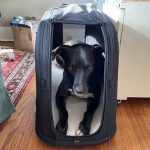
You want the best for your puppy, and that includes feeding them the right food at the right time. But when exactly should you switch your puppy from puppy food to adult dog food?
Making this change too early or too late can affect your dog’s health and growth. You’ll discover the key signs to watch for and the ideal timing to make the switch. Keep reading to ensure your furry friend stays happy, healthy, and strong every step of the way.
Puppy Vs Adult Dog Food
Understanding the difference between puppy and adult dog food is key to knowing when to switch your furry friend. Puppy food is specially designed to support rapid growth and high energy levels, while adult dog food focuses on maintenance and overall health. Knowing these differences can help you make the best choice for your dog’s well-being.
Nutritional Differences
Puppy food contains higher levels of protein, fat, and calories to fuel growth and development. It also has added nutrients like DHA for brain and eye health. Adult dog food, on the other hand, has fewer calories and a balanced nutrient profile to maintain healthy weight and prevent obesity.
Think about it this way: feeding adult dog food to a puppy is like giving a toddler adult-sized portions of food—it won’t meet their growing needs. Conversely, continuing puppy food into adulthood may cause unnecessary weight gain. Your dog’s age and activity level directly influence what type of food suits them best.
Why Transition Matters
Switching from puppy to adult food at the right time helps avoid digestive problems and nutritional imbalances. A sudden change can upset your dog’s stomach, so gradual transition over 7-10 days is ideal. Mixing increasing amounts of adult food with decreasing puppy food eases the adjustment.
Ignoring the right timing can lead to health issues like joint problems or obesity. Have you noticed your pup slowing down or losing that puppy bounce? That could be a sign it’s time to rethink their diet. Paying attention to your dog’s growth milestones helps you decide when to switch their food confidently.
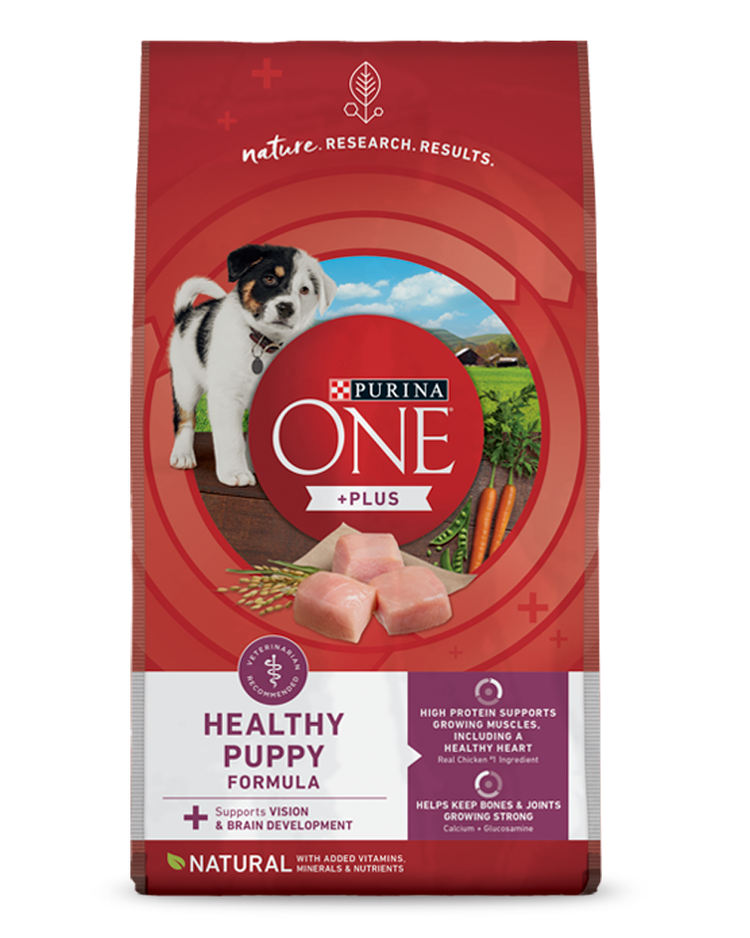
Credit: www.purina.com
Ideal Age For Switching
Knowing the ideal age to switch your puppy to adult dog food is crucial for their health and growth. Feeding your puppy adult food too early can lead to nutritional gaps, while switching too late might cause excessive weight gain. Timing the switch right supports their energy needs and maintains a healthy weight as they mature.
Small Breeds Timeline
Small breed puppies usually grow faster than larger breeds. You can start switching their food around 9 to 12 months of age. At this stage, their growth plates are mostly closed, and their energy needs begin to stabilize.
Keep an eye on your puppy’s activity and weight during this period. If you notice weight gain or decreased activity, it might be time to adjust their diet. Many small breeds reach full maturity earlier, so switching between 9-12 months is practical and safe.
Large Breeds Timeline
Large breed puppies grow at a slower pace and need extra care with their diet. Switching too early can disrupt their bone development and cause health issues. It’s best to wait until they are about 12 to 18 months old before introducing adult dog food.
Large breeds often finish growing closer to 18 months, so patience is key. Consider consulting your vet to tailor the timing specifically for your puppy’s breed and size. Have you tracked your puppy’s growth milestones closely enough to know when to make the switch?
Signs Your Puppy Is Ready
Knowing when your puppy is ready for adult dog food is important for their health. Puppies grow fast. Their needs change as they develop. Watch for signs that show they are ready to switch food. These signs include physical growth and behavior shifts. Recognizing these clues helps make the transition smooth and safe.
Physical Growth Indicators
Puppies grow in size and strength. Their bones and muscles develop quickly. When a puppy reaches about 80% of their expected adult weight, it may be time to change food. Their baby teeth fall out and adult teeth come in. Coat texture also changes, becoming thicker and shinier. These changes point to growth milestones. They signal the puppy’s body is ready for adult nutrition.
Behavioral Changes
Puppies become calmer as they grow. They show less hyperactivity and more focus. Eating habits change too. Puppies may eat less often but in bigger portions. They also start to explore new foods and tastes. Interest in play shifts from constant to more relaxed. These behaviors show maturity. They help indicate the right time for adult dog food.
How To Transition Smoothly
Switch your puppy to adult dog food around one year old or when their breed size suggests. Gradually mix adult food with puppy food over a week for a smooth change. Watch for any digestion issues during the transition to keep your dog healthy.
Transitioning your puppy from puppy food to adult dog food is a significant milestone in their life. It’s not just about changing the food in their bowl; it’s about ensuring their dietary needs are met as they grow. A smooth transition is crucial to maintain their health and happiness.Gradual Mixing Method
Begin by mixing a small portion of the new adult dog food with your puppy’s current food. Gradually increase the amount of adult food over a week or two. This helps your puppy’s digestive system adjust without any shocks. Observe your puppy closely during this period. Notice any changes in their stool or behavior. This gradual method ensures your puppy stays comfortable and happy.Avoiding Digestive Issues
Sudden diet changes can upset your puppy’s tummy. Always monitor their digestion during the transition. If you notice diarrhea or vomiting, slow down the process. Introduce new foods slowly to prevent digestive upset. You can also consult your vet if you have concerns about your puppy’s reaction. What if your puppy refuses the new food? Try mixing in a small amount of warm water or broth. This can make the food more appealing without upsetting their stomach. Ensuring a smooth transition from puppy to adult dog food is about patience and observation. How will you know your puppy is ready for this change? By watching their growth and consulting with your vet, you can make the best decision for your furry friend.Choosing The Right Adult Food
Choosing the right adult dog food is a key step once your puppy reaches maturity. The switch isn’t just about changing labels—it’s about meeting new nutritional needs that support your dog’s health and energy levels. Selecting food that fits your dog’s lifestyle and characteristics can make a noticeable difference in their well-being.
Key Nutrients To Look For
Adult dog food should contain balanced amounts of protein to maintain muscle mass and support activity. Look for foods rich in omega fatty acids, which promote a shiny coat and healthy skin.
Calcium and phosphorus levels are crucial but lower than in puppy food to support bone health without overloading. Don’t forget antioxidants like vitamins C and E—they help boost your dog’s immune system as they age.
Tailoring To Breed And Size
Your dog’s breed and size influence their dietary needs more than you might expect. Large breeds often require food with joint-supporting supplements like glucosamine and chondroitin to prevent arthritis later on.
Small breeds benefit from calorie-dense food packed with nutrients to keep up their fast metabolism. If you have a toy breed, consider food with smaller kibble size to make eating easier and more enjoyable.
Have you noticed how your dog’s energy changes with their food? Paying attention to these subtle shifts helps you choose the best adult food tailored specifically for them.
Common Mistakes To Avoid
Switching a puppy to adult dog food is a key step in their growth. Many pet owners make common mistakes that affect their dog’s health. Avoiding these errors helps ensure a smooth transition and supports your dog’s well-being.
Switching Too Early
Changing to adult food too soon can cause nutrition problems. Puppy food has more calories and nutrients for growth. Adult food may not meet these needs. This can lead to poor development and energy loss. Wait until your vet says your puppy is ready. Usually, this is around one year old, but it depends on the breed and size.
Abrupt Food Changes
Sudden food changes upset your puppy’s stomach. This can cause vomiting, diarrhea, or loss of appetite. Gradual switching over 7-10 days is best. Mix a little adult food with puppy food daily. Slowly increase the adult food amount while reducing puppy food. This gentle change helps your puppy adjust easily to the new diet.
Monitoring Your Dog After Switching
Switching your puppy to adult dog food is just the start of a new feeding routine. Careful observation after the switch is important. Monitoring helps ensure your dog adapts well to the new diet. Watch for changes in behavior, digestion, and energy levels. These signs show if the food suits your dog’s needs.
Tracking Weight And Health
Keep a close eye on your dog’s weight after the switch. Sudden weight gain or loss can signal a problem. Use a scale weekly to track changes. Note any shifts in your dog’s coat shine and skin condition. Healthy skin and a glossy coat often mean good nutrition. Also, watch your dog’s stool for any changes in texture or frequency. Consistent bowel movements indicate good digestion.
Adjusting Portions As Needed
Portion sizes might need tweaking after changing food. Adult dog food has different calorie content than puppy food. Start with recommended amounts on the package. Adjust based on your dog’s activity and weight changes. If your dog gains too much weight, reduce portions slightly. If your dog looks hungry or loses weight, increase the amount. Regular portion adjustments help maintain ideal body condition and energy levels.
Credit: www.chewy.com
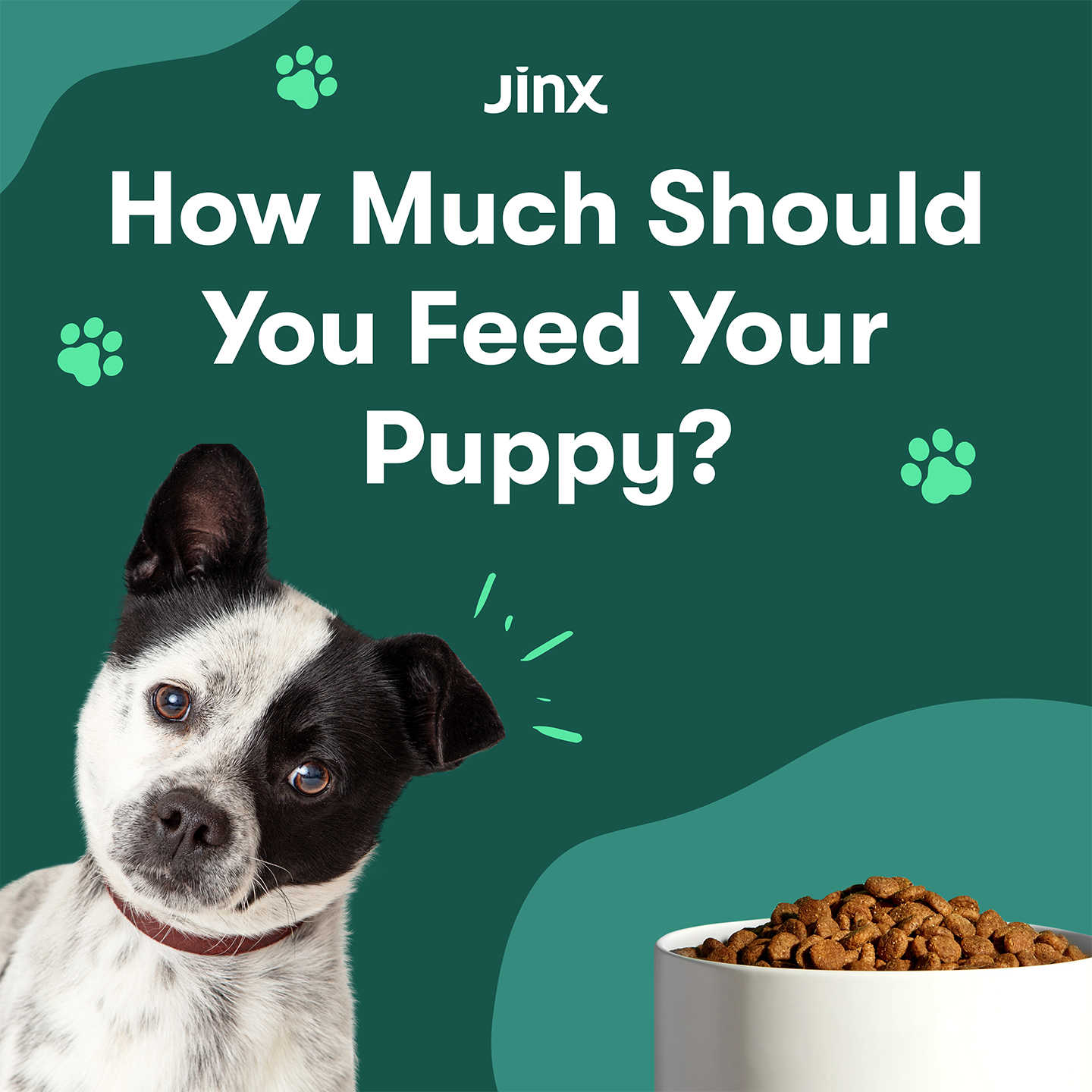
Credit: www.thinkjinx.com
Frequently Asked Questions
When Is The Right Age To Switch Puppy Food?
Most puppies can switch to adult dog food between 9 to 12 months. Large breeds may need to wait until 12-18 months. Transition gradually over 7-10 days to avoid digestive issues. Consult your vet for breed-specific recommendations.
How To Know If Puppy Is Ready For Adult Food?
Look for signs like slowed growth and change in energy levels. If your puppy reaches 80-90% of expected adult size, it’s likely time. Always consider breed size and consult your vet before switching food.
Can Switching Food Too Early Harm My Puppy?
Yes, switching too early can cause nutrient deficiencies and growth issues. Puppies need higher protein and fat for development. Transitioning too soon may affect bone and muscle growth. Always follow vet advice for timing the switch.
How To Transition Puppy To Adult Dog Food?
Mix increasing amounts of adult food with puppy food over 7-10 days. Start with 25% adult food and 75% puppy food. Gradually adjust ratios until fully switched. This helps prevent stomach upset and digestive problems.
Conclusion
Switching your puppy to adult dog food depends on their age and size. Most dogs change foods between 9 and 12 months old. Large breeds may need more time before switching. Watch your dog’s growth and energy levels closely. Choose food that matches their needs and keeps them healthy.
Consult your vet if you are unsure about the right time. Proper nutrition helps your dog stay strong and happy. Feeding the right food supports a long, healthy life. Take your time and make changes slowly for best results.