
Are you wondering when your puppy should switch from puppy food to adult dog food? It’s a question many dog owners face, and getting it right is important for your pet’s health.
Feeding your dog the right food at the right age helps them grow strong and stay energetic. You’ll discover the signs to look for and the best time to make this important change. Keep reading to make sure your furry friend gets the nutrition they need at every stage of life.
Puppy Growth Stages
Puppy growth happens in clear stages. Each stage demands different nutrition. Knowing these stages helps decide the right time to switch to adult food. Puppies need special care and food until they grow stronger. Their bodies change fast during the first months.
From Newborn To Weaning
Newborn puppies rely fully on their mother’s milk. It gives them all needed nutrients. They start to open eyes and ears during this time. Around 3 to 4 weeks, puppies begin weaning. They slowly try soft, wet food. This stage is delicate and requires gentle feeding.
Rapid Growth Phase
Puppies grow fast from about 4 weeks to 6 months. Their bones and muscles develop quickly. Energy needs are high. Puppy food should be rich in protein and fat. Balanced nutrition supports strong teeth and healthy skin. Portion control is important to avoid overeating.
Reaching Maturity
Most dogs reach maturity between 9 and 12 months. Growth slows down and energy needs decrease. This is the time to start switching to adult food. The transition should be gradual over 7 to 10 days. Adult food supports maintenance rather than growth. This helps keep your dog healthy and active.
Credit: wefeedraw.com
When To Switch To Adult Food
Knowing the right time to switch your dog to adult food is important. Puppies have different nutritional needs than adult dogs. Giving adult food too early may miss key nutrients for growth. Waiting too long can lead to excess calories and weight gain. Watch your dog’s development closely to choose the best moment for this change.
Age Benchmarks By Breed Size
Small, medium, and large breeds grow at different speeds. Small breeds often mature faster than large breeds. Here are typical age ranges to consider:
- Small breeds:9 to 12 months old
- Medium breeds:12 months old
- Large breeds:12 to 18 months old
- Giant breeds:up to 24 months old
These are general guidelines. Some dogs may need adult food earlier or later.
Signs Your Dog Is Ready
Age alone does not always tell the whole story. Watch for these signs your dog can switch to adult food:
- Growth slows or stops
- Adult teeth have fully come in
- Weight stabilizes with steady activity
- Increased energy and strength
Observe your dog’s body and behavior to make the best choice.
Consulting Your Veterinarian
Veterinarians provide expert advice on diet changes. They consider breed, size, health, and growth rate. Talk to your vet before switching foods.
Your vet can suggest the right type and timing for adult food. They also help monitor your dog’s health during the transition.
Choosing The Right Adult Food
Dogs usually switch to adult food between 12 and 18 months of age. Large breeds may need adult food a bit later than smaller ones. Watching your dog’s growth and energy helps decide the best time to change their diet.
Choosing the Right Adult Food Transitioning your dog to adult food is crucial. It ensures they get the right nutrients. Adult dogs have different needs than puppies. So, selecting the right food is important.Nutritional Needs Of Adult Dogs
Adult dogs require balanced nutrients. Proteins, fats, and carbohydrates are essential. They also need vitamins and minerals. These elements support their overall health. Ensure the food meets all these needs.Types Of Adult Dog Food
Adult dog food comes in various forms. You can choose dry, wet, or semi-moist. Each type has its benefits. Dry food helps clean teeth. Wet food provides more moisture. Semi-moist food is convenient. Choose what fits your dog’s lifestyle.Reading Food Labels
Understanding food labels is vital. Look for the first few ingredients. They should list proteins like chicken or beef. Check for artificial additives. Avoid foods with too many fillers. Look for food that meets AAFCO standards. This ensures nutritional adequacy.
Credit: 990amtheword.com
Transitioning Diet Smoothly
Switching your dog to adult food requires care and patience. A smooth diet change helps avoid stomach issues. It supports your dog’s growth and health.
Gradual Food Introduction
Start mixing a small amount of adult food with puppy food. Slowly increase the adult food over 7 to 10 days. This helps your dog get used to the new taste and texture. Sudden changes may cause upset stomach or refusal to eat.
Monitoring Digestive Health
Watch for signs of digestive problems like diarrhea or vomiting. Check your dog’s stool for changes in color or consistency. If any issues appear, slow down the transition process. Consult a vet if problems last more than a few days.
Adjusting Portions
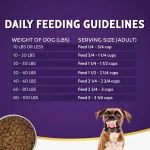
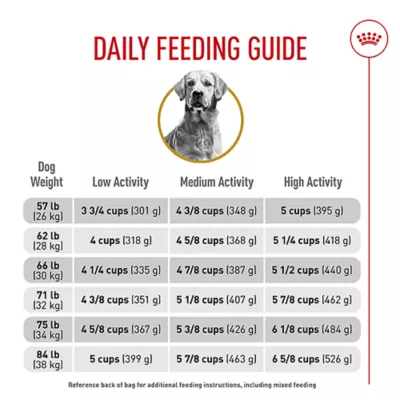
Adult dogs need fewer calories than puppies. Adjust the food portions based on your dog’s weight and activity level. Follow the feeding guidelines on the adult food package. Avoid overfeeding to keep your dog at a healthy weight.
Common Mistakes To Avoid
Changing your dog’s food from puppy to adult formula is a key step in their growth. However, many dog owners make mistakes that can affect their pet’s health. Understanding what to avoid can help your dog enjoy a smooth transition and stay happy and healthy.
Switching Too Early Or Late
Switching your dog to adult food before they’re ready can cause nutritional gaps. Puppies need extra nutrients that adult food doesn’t provide, which can stunt their growth. On the other hand, waiting too long to switch may lead to excess calories and weight gain.
Think about your own experience with your dog’s growth stages. Did you notice any changes when you switched foods? Timing is crucial, so watch your dog’s development closely and follow breed-specific guidelines.
Ignoring Breed Differences
Not all dogs grow at the same pace. Larger breeds often take longer to mature than smaller ones, so their switch to adult food should reflect that. Using the same timeline for every dog ignores these vital differences.
Ask yourself: Is your dog a small, medium, or large breed? Adjusting the timing to your dog’s breed size can prevent health problems like obesity or nutrient deficiencies. Tailoring the transition to your dog’s unique needs shows you care.
Overfeeding During Transition
Many owners try to make up for the dietary change by feeding more than necessary. Overfeeding can lead to digestive upset and rapid weight gain during this sensitive phase. It’s better to gradually mix adult food with puppy food, reducing puppy food over 7-10 days.
Have you noticed your dog’s appetite change during the switch? Keep portions steady and monitor their weight. Careful feeding helps avoid discomfort and supports steady growth.

Credit: dogsauce.co
Special Considerations
Changing a dog’s food to adult formula needs extra care in certain cases. Some dogs have special needs that affect when and how to switch. Understanding these factors helps keep your dog healthy and happy. Pay close attention to age, health, and growth rates before making changes.
Senior Dogs And Diet Changes
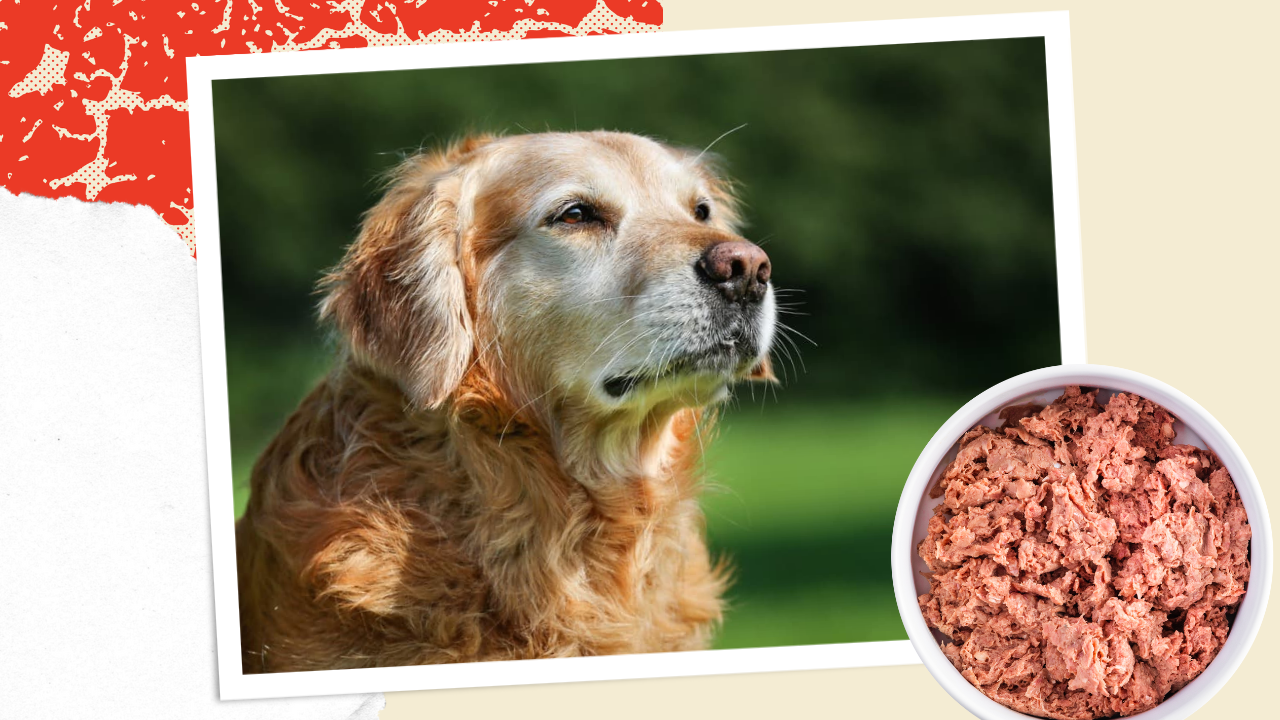
Older dogs have different nutritional needs than younger ones. Their metabolism slows down, and they may need fewer calories. Adult food might not support joint health or kidney function well. Choose senior-specific diets that provide extra vitamins and minerals. Always check with a vet before changing food for older dogs.
Dogs With Health Conditions
Health problems affect how a dog tolerates diet changes. Dogs with allergies, digestive issues, or diabetes need special diets. Switching food too fast can cause stomach upset or worsen conditions. Consult a veterinarian to find the best diet plan. Follow their advice on timing and type of food change.
Puppies With Slow Growth
Some puppies grow slower than others. They might need to stay on puppy food longer for proper development. Adult food may not have enough nutrients for them yet. Monitor their weight and energy levels closely. Talk to a vet if growth seems delayed before switching foods.
Frequently Asked Questions
When Should Dogs Switch To Adult Food?
Dogs typically switch to adult food between 12 to 18 months. Small breeds may transition earlier, while large breeds might take longer. Consult your vet for the best time based on your dog’s size and health.
Does Dog Breed Affect Food Transition Age?
Yes, breed impacts the switch to adult food. Small breeds mature faster and change around 12 months. Large breeds grow longer, often switching closer to 18 months. Always consider your vet’s advice for breed-specific needs.
What Signs Show Dogs Are Ready For Adult Food?
Signs include slowed growth, stable weight, and reduced puppy energy. Your dog may also finish teething. These indicate readiness for adult food, but a vet check ensures the transition is timely and healthy.
Can Switching Too Early Harm My Dog?
Switching too early can cause nutritional imbalances and digestive issues. Puppies need puppy food nutrients for growth. Always follow vet guidance to avoid health risks during the transition.
Conclusion
Choosing the right time to switch your dog to adult food matters a lot. Most dogs change food between one and two years old. Small breeds may switch earlier; large breeds might need more time. Watch your dog’s growth and health closely.
Talk to your vet to find the best time. Feeding the right food helps your dog stay strong and healthy. Keep your dog’s needs in mind for a smooth change. This simple step supports a happy, active life for your pet.