

If you’re tired of guessing when your dog needs to go outside, bell training can be a game changer. Imagine your dog ringing a bell to let you know it’s time for a bathroom break—no more accidents or guessing games.
This simple skill makes life easier for both you and your furry friend. You’ll discover step-by-step how to teach your dog to use a bell confidently. By the end, you’ll have a clear, stress-free way to communicate with your dog every day.
Ready to get started? Let’s dive in!

Credit: www.amazon.com
Choosing The Right Bell
Choosing the right bell is a crucial step in training your dog to signal when they need to go outside. The bell should be easy for your dog to use and loud enough for you to hear, but not so noisy that it becomes a nuisance. Selecting the perfect bell sets a solid foundation for clear communication between you and your furry friend.
Types Of Bells To Use
There are several types of bells that work well for this training. You can choose from:
- Hanging Bells:These are traditional and hang on the door handle or a hook. They produce a clear, ringing sound when touched.
- Button Bells:These are push-button bells that your dog can press with a paw or nose. They often have adjustable volume and tones.
- Jingle Bells on a Rope:Small bells tied to a rope or string that your dog can pull or nudge. They make a softer, jingling sound.
Think about your dog’s size and how they like to interact with objects. For example, a small dog might find it easier to nudge a button bell rather than ring a heavy hanging bell.
Where To Place The Bell
Placement matters just as much as the bell itself. The bell should be at a height your dog can easily reach without jumping or straining. Typically, hanging the bell on the door your dog uses to go outside works best.
Make sure the bell is visible so your dog can quickly associate it with going outside. Avoid putting it too close to other noisy objects that might confuse your dog or drown out the bell’s sound.
Have you noticed your dog’s favorite spots or behaviors near the door? Positioning the bell where they naturally linger can encourage quicker training success.
Introducing The Bell To Your Dog
Introducing a bell to your dog as a signal to go outside can be a game changer in communication. But before you expect your furry friend to ring the bell on their own, it’s important to make sure they are comfortable with it. This stage sets the foundation for successful bell training, so take your time and watch how your dog responds.
Getting Your Dog Comfortable
Start by placing the bell within your dog’s easy reach but don’t pressure them to interact with it immediately. Let your dog explore the bell on their own terms. You might be surprised how curious they become when they hear the gentle jingle sound.
Touch the bell to your dog’s nose or paws gently to create a connection between the bell and their senses. Watch for any signs of hesitation or fear and be ready to move slower if needed. Your calm and patient attitude will help your dog see the bell as a positive object rather than something to avoid.
Using Treats And Praise
Every time your dog interacts with the bell, reward them immediately with a small treat and lots of enthusiastic praise. This builds a clear link between ringing the bell and positive outcomes. You could say, “Good job!” or “Yes!” right after the bell sound to reinforce the behavior.
Try to keep training sessions short but frequent, so your dog stays interested and motivated. If your dog accidentally nudges or rings the bell, don’t ignore it—reward that behavior to encourage repetition. Soon enough, your dog will begin to understand that ringing the bell gets your attention and leads to something they want.
Teaching The Bell For Outdoor Potty
Teaching your dog to ring a bell helps them ask to go outside. Hang a bell by the door and gently guide your dog’s paw to ring it. Praise your dog every time they use the bell before going outdoors.
Teaching your dog to use a bell for outdoor potty breaks can simplify life. It creates a clear communication path between you and your furry friend. This method reduces accidents indoors and ensures your dog gets outside when nature calls. Start with the right bell and a consistent training plan.Associating The Bell With Going Outside
Place the bell near the door your dog uses to go out. Show your dog the bell and encourage interaction. Use treats as a reward when your dog touches the bell. Praise them warmly. Repeat this process until they understand the bell means going outside. Over time, your dog will associate the bell sound with outdoor potty breaks.Timing Your Training Sessions
Keep training sessions short and fun. Aim for 5-10 minutes at a time. Dogs learn better with frequent, short practices. Train your dog before meals or after naps. This timing makes them more eager to cooperate. Consistency is key to success. Repeat the training daily to reinforce the new behavior.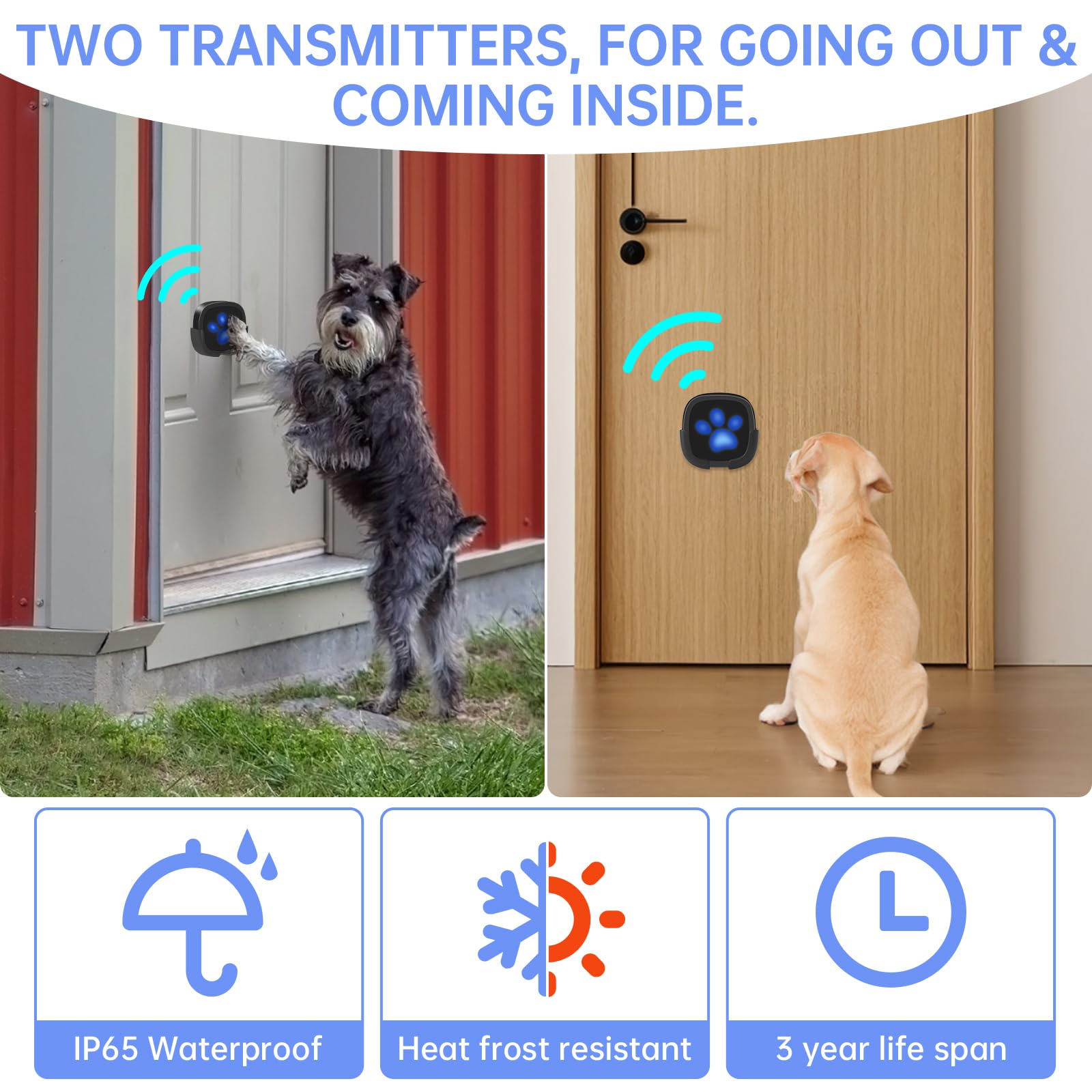
Credit: www.amazon.com
Reinforcing Bell Ringing Behavior
Reinforcing bell ringing behavior is key to teaching your dog to signal when it needs to go outside. Consistent encouragement helps your dog understand what the bell means. Positive feedback makes your dog want to ring the bell again. Patience and repetition build a strong habit that lasts.
Rewarding Consistent Use
Always praise your dog immediately after ringing the bell. Use treats or favorite toys as rewards. This creates a clear link between bell ringing and positive outcomes. Keep rewards small and frequent to maintain interest. Celebrate each successful bell ring to encourage repeat behavior. Consistency helps your dog learn the correct action fast.
Handling Accidents And Mistakes
Accidents happen during training. Never punish your dog for mistakes. Instead, calmly clean up and reset the training. Use mistakes as learning moments. Reinforce bell ringing more after accidents. Watch for signs your dog needs to go out. Gentle guidance builds trust and improves training success.
Common Challenges And Fixes
Training a dog to use a bell for going outside brings some common challenges. Knowing these problems helps you fix them quickly. Patience and consistency are key. Small changes in your approach can lead to better results. Let’s explore some typical issues and easy fixes.
Ignoring The Bell
Sometimes dogs ignore the bell and don’t respond. This can happen if they do not connect the bell sound with going outside. Make sure you ring the bell every time before opening the door. Praise your dog when they touch or ring the bell. Use treats to reward this behavior. Keep training sessions short and fun. Repeat the process often so your dog understands the bell means outside time.
Over-ringing The Bell
Some dogs ring the bell too much, even when they don’t need to go out. This can be confusing and annoying. Avoid immediately opening the door every time the bell rings. Wait a moment to check if your dog really needs to go. Teach your dog to wait calmly after ringing the bell. Ignore extra ringing and only open the door when it’s time. This helps your dog learn the bell is not a toy but a signal.

Credit: www.amazon.com
Tips For Long-term Success
Successfully bell training your dog to go outside doesn’t end once they ring the bell the first few times. The real challenge lies in making this behavior a natural and reliable part of your daily routine. Focusing on long-term success means keeping up with good habits and adjusting your approach as your dog grows and learns.
Maintaining Consistency
Consistency is the backbone of any lasting training. Make sure everyone in your household knows the routine and follows the same rules about when and how to respond to the bell. If someone ignores the bell or reacts differently, your dog may get confused or lose motivation.
Set clear times for outdoor breaks that align with your dog’s schedule and stick to them. Reward your dog every time they use the bell correctly, even after they seem to have learned the behavior. This helps reinforce the habit and keeps it fresh in their mind.
Ask yourself: Are you responding to the bell every time, without fail? Small lapses can undo weeks of progress faster than you might expect.
Adapting Training For Different Dogs
Every dog learns differently, so tailor your training to fit your pet’s personality and needs. Some dogs may pick up bell training quickly, while others might need more patience and repetition. Observe how your dog responds and be ready to change your approach.
If your dog gets anxious or distracted easily, try training in a quiet environment and gradually increase distractions as they improve. For shy dogs, using a softer tone and gentle encouragement can make a big difference.
Remember, your dog isn’t just learning a trick—they’re communicating with you. How can you make that communication clearer and more comfortable for them?
Frequently Asked Questions
What Is Bell Training For Dogs?
Bell training teaches dogs to ring a bell to signal they need to go outside. It helps with potty training and communication between you and your dog.
How Do I Start Bell Training My Dog?
Begin by hanging a bell near the door. Encourage your dog to touch the bell with their nose or paw before going outside. Reward them immediately for ringing it.
How Long Does Bell Training Take?
Bell training varies but usually takes 1 to 3 weeks. Consistent practice, patience, and positive reinforcement speed up the learning process.
Can All Dog Breeds Learn Bell Training?
Yes, all dog breeds can learn bell training. It depends more on consistency and training methods than the breed itself.
Conclusion
Bell training your dog to go outside takes patience and practice. Start small, be consistent, and praise your dog often. Dogs learn best with clear signals and rewards. Keep training sessions short and positive. Soon, your dog will ring the bell to go outside without help.
This method helps avoid accidents inside the house. It also strengthens your bond with your dog. Stay calm and keep trying every day. Success will come with time and care. Simple steps lead to great results. Your dog will thank you in the end.