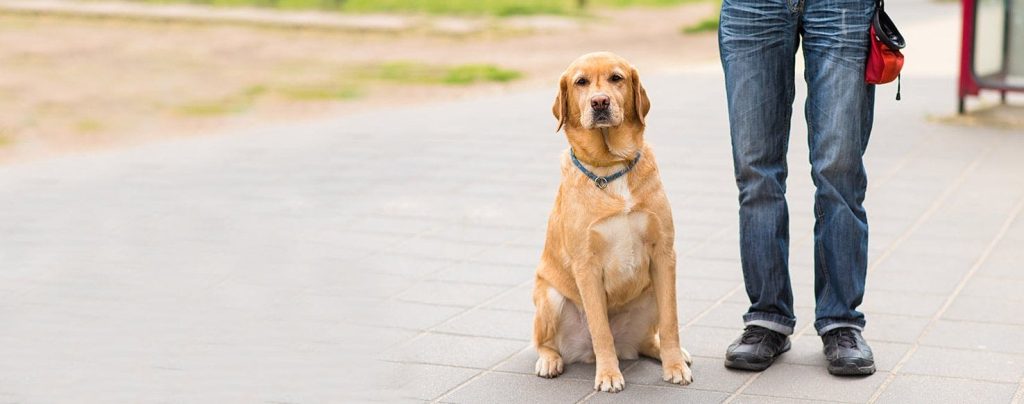

Training an old dog might seem like a big challenge, but it’s easier than you think. Whether your furry friend missed out on training before or needs a refresher, you can help them learn new tricks at any age.
Imagine how great it will feel to see your dog respond happily and confidently to your commands. You’ll discover simple, effective ways to train your older dog that fit perfectly into your daily routine. Ready to strengthen your bond and enjoy a well-behaved companion?
Let’s get started!
Credit: basepaws.com
Benefits Of Training Older Dogs
Training an older dog offers more than just obedience; it brings valuable benefits that improve both your dog’s life and your relationship. Many people assume that older dogs can’t learn new tricks, but that’s far from true. With patience and the right approach, training can transform your senior companion’s daily experience.
Improved Behavior And Manners
Older dogs often have established habits that can be tricky, but training helps reshape those behaviors. You can teach your dog to stop jumping on guests or begging at the table, making daily life more peaceful. Have you noticed how a simple “sit” command can prevent your dog from darting into the street?
Consistent training also reduces stress for your dog by setting clear expectations. This can lead to fewer accidents indoors and less destructive chewing. Imagine the relief of coming home to a calm, well-mannered dog after a long day.
Strengthened Bond With Your Dog
Training sessions create special moments between you and your dog. It’s a chance to communicate and understand each other better, which deepens your connection. Your dog learns to trust you more, knowing that you guide them gently and consistently.
Think about the last time your dog looked at you with pure affection after following a command. That feeling comes from the shared effort in training. It’s not just about commands, but about building a relationship based on respect and love.
Mental Stimulation And Health
Older dogs benefit hugely from mental challenges. Training keeps their brains active and helps slow cognitive decline. Teaching new commands or tricks stimulates different parts of their brain, just like puzzles do for humans.
Mental exercise can also improve your dog’s overall mood and reduce signs of anxiety or depression. Have you tried mixing short training games into your daily routine? You might see a happier, more alert dog eager to engage with you.

Credit: iamvictor.medium.com
Setting Realistic Expectations
Setting realistic expectations is key when training an old dog. Your furry friend may not learn as quickly as a puppy, but that doesn’t mean progress isn’t possible. Understanding what to expect helps you stay motivated and creates a positive training experience for both of you.
Age-related Limitations
Older dogs often have physical and cognitive changes that affect learning. Joint stiffness or hearing loss can slow down training sessions. You might notice your dog getting tired faster or struggling with commands that require quick movements.
Instead of pushing for fast results, adjust your training to suit your dog’s abilities. Use gentle exercises and shorter sessions. Have you noticed any specific challenges your dog faces? Tailoring your approach to these can make a big difference.
Patience And Consistency
Training an old dog requires steady patience. Your dog might forget commands or take longer to respond, but consistent practice will help. Keep sessions short and regular to avoid frustration for both of you.
Celebrate small wins and avoid harsh corrections. Think about how your dog feels—would you want to learn new skills under pressure? By staying patient and consistent, you build trust and encourage your dog to try again.
Choosing The Right Training Methods
Choosing the right training methods is crucial when working with an old dog. Older dogs have different needs and limitations compared to puppies, so your approach must be gentle yet effective. The goal is to make learning enjoyable and stress-free for both you and your dog.
Positive Reinforcement Techniques
Positive reinforcement works wonders with older dogs. Rewarding good behavior with treats, praise, or affection encourages your dog to repeat those actions. It’s about building trust and motivation rather than forcing obedience.
Try breaking tasks into smaller steps and celebrate each success. For example, if your dog struggles to sit, reward any slight movement toward the sitting position. This keeps training sessions short and rewarding, which helps maintain your dog’s interest and confidence.
Have you noticed how your dog’s tail wags when you offer a treat? That simple moment tells you that positive reinforcement is working. Your patience and consistency here will pay off in ways harsh training never could.
Avoiding Harsh Corrections
Older dogs often have physical or cognitive limitations, so harsh corrections can cause fear or even injury. Avoid yelling, hitting, or using shock collars, as these methods can damage your relationship and slow down progress.
Instead, redirect unwanted behavior calmly. For example, if your dog jumps on guests, gently guide them to sit and then reward. This teaches what you want instead of punishing what you don’t.
Think about your own experience with learning something new. How much more effective is encouragement compared to criticism? Your dog feels the same way and will respond better to kindness and patience.

Credit: k9connoisseur.com
Essential Commands To Teach
Teaching your old dog essential commands can dramatically improve your daily interactions and make life smoother for both of you. These basic commands create a foundation for good behavior and safety. Even if your dog has never learned them before, it’s never too late to start.
Sit, Stay, And Come
These three commands are the backbone of dog training. “Sit” helps your dog calm down and focus. You can use treats or gentle hand pressure to guide your dog into sitting, then reward immediately when they do it right.
“Stay” teaches patience and control. Start with short durations and gradually increase the time before giving a reward. This command is crucial when you want your dog to remain safe in busy or potentially dangerous areas.
“Come” is a lifesaver when your dog is off-leash or distracted. Use a cheerful tone and rewards to encourage your dog to return to you promptly. Have you noticed how much more relaxed walks become once your dog reliably comes when called?
Leash Training
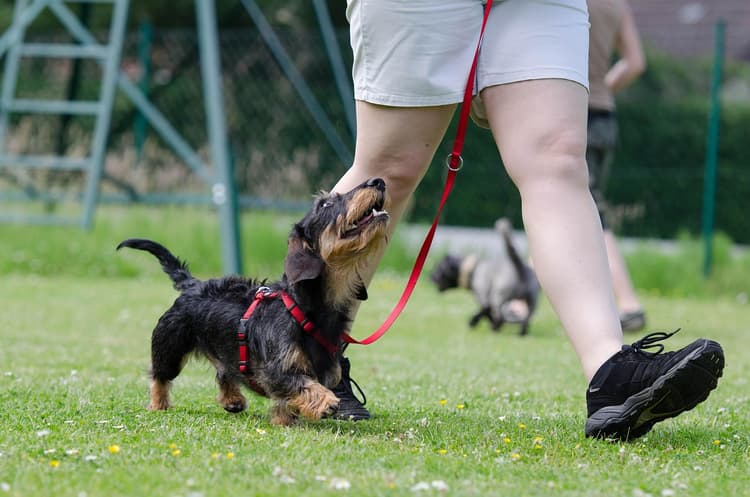
Walking calmly on a leash is a big win for you and your dog. An old dog might pull or lag behind, but patience and consistency can change that. Try stopping whenever your dog pulls and only start walking again when the leash is slack.
Practice turns and stops to keep your dog’s attention. Using treats as a lure near your side can help your dog learn to walk beside you. Remember, short sessions work better than long, frustrating ones.
House Training Refresh
Even well-trained older dogs can forget house rules, especially if they’ve had a health issue or change in routine. Revisiting house training basics can prevent accidents. Take your dog outside frequently, especially after meals or naps, and praise them when they go in the right place.
Keep an eye on signs like sniffing or circling indoors and gently guide your dog outside. Cleaning accidents with enzymatic cleaners helps remove odors that might invite repeats. Are you ready to re-establish a clean, happy home environment with these simple steps?
Creating A Training Schedule
Creating a training schedule helps your old dog learn better. Consistency is key to building good habits. A well-planned routine keeps your dog focused and less stressed. It also makes training easier for you. Plan sessions that fit your dog’s energy and attention span. Keep the schedule flexible to adjust to your dog’s mood.
Short, Frequent Sessions
Old dogs learn best in short bursts. Keep each session between 5 to 10 minutes. Frequent sessions help keep your dog interested. Avoid long sessions that cause tiredness or boredom. Repeat training several times a day for better results. Short sessions reduce frustration for both you and your dog.
Incorporating Training Into Daily Routine
Use daily activities as training chances. Teach commands during walks, meal times, or play. Simple commands like “sit” or “stay” fit well into daily life. Training during routine tasks makes learning natural. Your dog will link good behavior with regular activities. This approach builds skills without extra time needed.
Addressing Common Challenges
Training an older dog can be tricky due to habits formed over time. Patience and consistent routines help overcome stubborn behaviors. Small, clear commands work best to keep your dog focused and motivated.
Training an older dog can be an incredibly rewarding journey, but it does come with its unique set of challenges. As dogs age, they might become set in their ways, develop anxieties, or face physical limitations that complicate training. Understanding and addressing these challenges is crucial to making the process enjoyable and successful for both you and your furry friend.Dealing With Stubbornness
Older dogs can be a bit more stubborn than their younger counterparts. This isn’t because they’re trying to be difficult, but rather because they’re used to certain routines. Patience and consistency are your best allies here. Use positive reinforcement techniques, like treats and praise, to encourage desired behaviors. Have you ever tried turning training into a game? It might just be the trick to engage a stubborn pooch.Overcoming Fear Or Anxiety
Fear and anxiety can be more pronounced in older dogs. Changes in their environment or routine can trigger these emotions. To help your dog feel secure, establish a consistent training schedule. You might consider introducing calming aids, such as a thunder shirt or soothing music, during training sessions. Have you ever noticed how your calm demeanor can influence your dog’s behavior? Your reassurance can work wonders in overcoming their fears.Managing Physical Limitations
Physical limitations, like arthritis or reduced stamina, can affect how and what you train. Opt for low-impact exercises that consider your dog’s physical health. Short, frequent sessions may be more effective than longer ones. Adjusting training to suit your dog’s capabilities not only respects their limitations but also ensures they enjoy the process. What changes can you make to accommodate your dog’s needs while still making progress?Tools And Resources For Success
Training an old dog requires patience and the right tools. These tools can make learning easier and more enjoyable for your dog. Using proper resources helps build trust and encourages good behavior.
Choosing the right tools and resources supports steady progress. It keeps your dog motivated and focused during training sessions. Here are some essential aids and options to consider.
Training Aids And Treats
Training aids help guide your dog’s behavior gently. Common aids include clickers, leashes, and harnesses. Clickers mark good behavior with a distinct sound. This helps dogs understand what you want quickly.
Treats are powerful motivators for older dogs. Use small, tasty treats to reward good actions. Choose healthy treats to keep your dog fit. Avoid overfeeding to prevent weight gain.
- Clickers for clear communication
- Leashes and harnesses for control
- Soft, healthy treats for motivation
- Interactive toys to keep attention
Professional Help And Classes
Sometimes, expert guidance makes training smoother. Professional trainers know how to handle older dogs’ special needs. They can create a plan suited to your dog’s pace.
Group classes offer socialization and structure. Your dog learns alongside others, which can reduce anxiety. Private sessions give focused, personalized support. Trainers teach you techniques to continue training at home.
- Certified dog trainers for expert advice
- Group classes for social learning
- Private lessons for tailored training
- Behavior specialists for complex issues
Maintaining Progress Long-term
Keeping your old dog’s training on track requires more than just initial effort. The key is maintaining progress long-term, which means staying consistent and flexible. Your dog’s needs and abilities might change, so your approach should too.
Regular Practice
Training isn’t a one-time event—it’s an ongoing process. Make time every day or several times a week to review commands and behaviors. Short sessions, even 5 to 10 minutes, can be very effective.
Consistency helps your dog remember what you’ve taught. It also strengthens your bond and keeps your dog mentally engaged. Ask yourself: Are you carving out enough moments in your day for practice?
Adapting Training As Needed
Older dogs may face physical or cognitive changes that affect training. You might need to adjust your methods or expectations over time. For example, if your dog develops arthritis, switching to gentler cues or shorter sessions can help.
Keep an eye on your dog’s responses. If a command that used to work is now confusing or stressful, try a different approach. Staying flexible shows respect for your dog’s changing needs and keeps training positive.
Frequently Asked Questions
Can Old Dogs Learn New Tricks?
Yes, old dogs can learn new tricks with patience and consistent training. They may take longer but can adapt well.
How Often Should I Train My Senior Dog?
Train your senior dog in short, daily sessions of 5 to 10 minutes. Consistency helps maintain their mental sharpness.
What Training Methods Suit Older Dogs Best?
Use positive reinforcement methods like treats and praise. Avoid harsh corrections as older dogs respond better to gentle guidance.
Can Training Improve An Old Dog’s Behavior?
Training can improve behavior by reinforcing commands and reducing anxiety. It also strengthens the bond between you and your dog.
Conclusion
Training an old dog takes time and patience. Small steps lead to big progress. Use gentle words and rewards to encourage good behavior. Remember, your dog learns best with love and care. Keep sessions short and fun to hold their attention.
Every dog can learn, no matter their age. Stay positive and consistent in your approach. Enjoy the bond you build through training. Old dogs can learn new tricks too. Keep trying, and celebrate each success along the way.