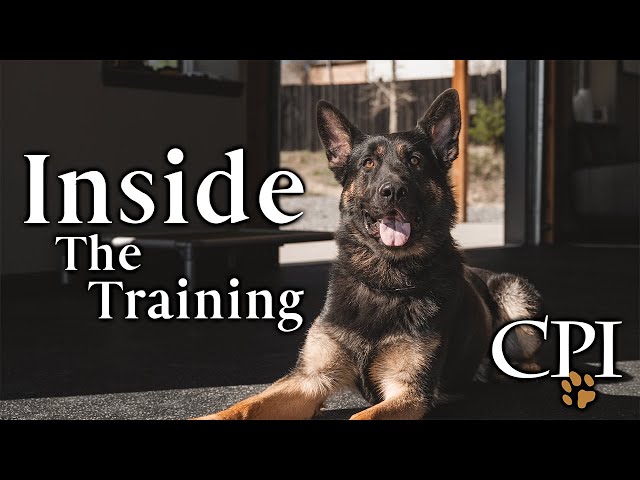

If you want a loyal protector who watches over your home and family, training your German Shepherd as a guard dog is the way to go. You already know this breed is smart, strong, and eager to learn.
But how do you turn those qualities into real guarding skills? In this guide, you’ll discover simple, step-by-step methods to train your German Shepherd to be alert, confident, and ready to protect. Whether you’re starting from scratch or improving existing skills, this article will give you clear, practical tips to make your dog the guardian you can count on.
Keep reading to unlock the secrets of effective guard dog training!
Choosing The Right German Shepherd
Choosing the right German Shepherd is the foundation of training a reliable guard dog. Not every German Shepherd will naturally fit the role of protector. You need to select a dog with the right qualities and mindset to ensure your training efforts lead to a confident and effective guard dog.
Traits Of A Good Guard Dog
A good guard dog needs specific traits that make them alert and dependable. Look for a German Shepherd that is naturally protective but not overly aggressive.
- Alertness:The dog should notice unusual sounds or movements quickly and respond appropriately.
- Loyalty:A guard dog must have a strong bond with you and your family to act on your behalf.
- Confidence:The dog should show courage without being fearful or shy.
- Trainability:A guard dog must learn commands and respond consistently.
I once met a German Shepherd that was alert but lacked confidence. Despite training, it hesitated in protective situations. This proved that confidence is as important as alertness.
Age And Temperament Considerations
Age plays a critical role in selecting a guard dog. Puppies are great for molding behavior but require patience. Adult dogs often have established temperaments, making it easier to assess their suitability.
Temperament tells you how your dog will likely behave in stressful situations. You want a dog that remains calm yet ready to act when necessary. Avoid dogs that are overly nervous or aggressive without control.
Ask yourself: Does your dog stay composed during loud noises or sudden changes? This can reveal if they have the right temperament for guarding. Observing their reactions before training starts saves you time and frustration later.

Credit: wustenbergerland.com
Basic Obedience Training
Basic obedience training forms the core of any effective guard dog program. It teaches your German Shepherd how to listen and respond to your commands. This training builds trust and respect between you and your dog. Without a solid foundation, a guard dog can become difficult to control. Training early and consistently helps your dog understand what you expect. It also ensures safety for both the dog and your family.
Essential Commands
Start with simple commands your dog can easily learn. These commands control your dog’s behavior in different situations. Essential commands include:
- Sit:Helps the dog stay calm and focused.
- Stay:Keeps the dog in place until given another order.
- Come:Calls the dog back to you immediately.
- Down:Makes the dog lie down, showing submission.
- Heel:Keeps the dog walking close to your side.
Practice these commands daily in short sessions. Use treats and praise to encourage good behavior. Consistency in training helps your dog learn faster and obey better.
Building A Strong Foundation
Guard dog training requires clear rules and structure. Your German Shepherd needs to know you are the leader. Set boundaries and enforce them with kindness and firmness. Socialize your dog with people and other animals early. It reduces fear and aggression in new situations.
Training should be positive and reward-based. Avoid punishment or harsh methods. These can harm your dog’s confidence and trust. Patience and repetition are key to successful training. A well-trained dog will protect your home and family calmly and reliably.
Socialization Techniques
Training a German Shepherd as a guard dog involves proper socialization. Socialization helps your dog stay calm and confident in different situations. It ensures they can assess threats accurately without unnecessary aggression. Below, we explore key socialization techniques.
Introducing New Environments
Expose your German Shepherd to various environments early on. Visit parks, busy streets, and quiet neighborhoods. This exposure helps them adjust to different sounds and sights. Gradually increase the complexity of the environment. Start with less crowded places and move to busier areas.
Use positive reinforcement with treats or praise. Reward calm behavior in new settings. This builds confidence and trust. Always ensure they feel safe and secure.
Handling Strangers And Other Animals
Introduce your German Shepherd to different people and animals. Invite friends over to interact with your dog. Ensure these interactions are positive and controlled. Teach your dog to remain calm around strangers.
Expose them to other animals at parks or on walks. Keep a safe distance initially. Gradually decrease the distance as your dog becomes more comfortable. Use treats to reward calm behavior around other animals.
Maintaining calm interactions builds their social skills. It helps them discern between friend and foe effectively.
Advanced Guard Training Skills
Advanced guard training skills build on basic obedience and protection commands. These skills focus on control, precision, and quick response. They help your German Shepherd act confidently and effectively in guard situations. Training must be consistent and clear for best results.
Bark On Command
Teaching your dog to bark on command helps control its alert behavior. Use a clear, firm word like “speak” to prompt barking. Reward your dog immediately when it barks on command. Practice this in different locations and with distractions. This skill prevents unnecessary noise and ensures barking happens only when needed.
Controlled Aggression
Controlled aggression means your dog shows strength but stays obedient. Train your dog to react firmly to threats without losing control. Use commands like “stay,” “leave it,” and “quiet” during training sessions. Reward calm behavior after aggressive responses. This balance keeps your dog safe and manageable during guard duties.
Alertness Drills
Alertness drills sharpen your dog’s senses and reaction time. Use sudden noises or movements to test its focus. Praise your dog for quick and correct responses. Regular practice improves its ability to detect unusual activity. These drills make your German Shepherd more reliable in guarding your home.
Safety And Control Measures
Training a German Shepherd as a guard dog demands strict safety and control measures. These measures protect both the dog and people around it. Safe handling prevents accidents and builds a strong bond of trust. Control allows the dog to respond correctly to commands without causing harm.
Using Leashes And Muzzles
Leashes provide control during training sessions and public outings. Always use a strong, comfortable leash suited for a German Shepherd’s size. It helps guide your dog and prevents sudden lunges.
Muzzles can be useful when introducing new environments or people. They ensure safety without hurting the dog. Choose a well-fitting muzzle that allows panting and drinking. Use muzzles only temporarily and never as punishment.
Avoiding Over-aggression
Guard dogs must be alert, not overly aggressive. Over-aggression can lead to dangerous behavior and legal issues. Teach your dog to bark and show warning signs without attacking.
Use positive reinforcement to reward calm, controlled responses. Avoid harsh punishments that may increase fear or aggression. Regular socialization with people and other dogs helps balance your dog’s temperament.
Daily Training Routine
Establishing a solid daily training routine is key to shaping your German Shepherd into an effective guard dog. This routine builds discipline and sharpens their instincts. It also strengthens your bond, making your commands more impactful and respected.
Consistency And Patience
Training a German Shepherd as a guard dog demands steady repetition. Your dog learns best when you use the same commands and actions every day. Changing your approach too often confuses your dog and slows progress.
Patience is just as important as consistency. Some dogs pick up skills quickly, while others take more time. If your dog struggles, ask yourself: Are you expecting too much too soon?
Keep sessions short but focused, around 15 to 20 minutes. This prevents your dog from becoming bored or frustrated. Remember, quality beats quantity in every training session.
Incorporating Play And Rest
Guard training isn’t just about drills and commands. Playtime helps your German Shepherd release energy and stay motivated. Use games like fetch or tug-of-war to build your dog’s drive and responsiveness.
Rest periods are equally critical. Your dog needs time to process what they’ve learned and recover physically. Overworking your dog can lead to stress and behavioral problems.
Try balancing training sessions with play and rest throughout the day. Notice how your dog responds. Do they seem eager or tired? Adjust your routine accordingly to keep your dog sharp and happy.
Health And Fitness For Guard Dogs
Keeping your German Shepherd in top health is essential for its role as a guard dog. A well-conditioned dog reacts faster, stays alert longer, and handles stressful situations better. Focusing on both physical fitness and nutrition ensures your dog stays strong and ready to protect.
Exercise Requirements
Guard dogs need more than just casual walks. Your German Shepherd should have daily activities that challenge both body and mind.
- Start with at least 60 minutes of vigorous exercise, such as running or agility training.
- Add tasks that stimulate their mind, like obedience drills or scent work.
- Include short bursts of sprinting to build explosive strength.
Have you noticed how your dog responds better after a good run? Consistent, varied exercise keeps their muscles strong and reflexes sharp, critical for protection duties.
Nutrition Tips
Fueling your German Shepherd properly supports their active lifestyle. High-quality protein is a must to maintain muscle mass and energy.
- Choose dog foods with real meat listed as the first ingredient.
- Include omega-3 fatty acids to support joint health and reduce inflammation.
- Monitor portion sizes carefully to prevent weight gain, which can slow your dog down.
Think about your own diet—would you perform well on junk food alone? Your guard dog deserves the same thoughtful nutrition to stay alert and strong.
Credit: www.amazon.com
Common Challenges And Solutions
Training a German Shepherd as a guard dog comes with its own set of hurdles. Recognizing these common challenges early can save you frustration and help build a stronger bond with your dog. Let’s talk about some of the frequent issues owners face and how you can effectively tackle them.
Handling Disobedience
Disobedience can often feel like a roadblock in your training journey. Instead of reacting with frustration, try to understand why your dog isn’t following commands. Is the environment too distracting? Are the commands clear and consistent?
Stick to these tips to improve obedience:
- Use clear, simple commands:Avoid confusing your dog with too many words.
- Stay consistent:Everyone in the household should use the same commands and rules.
- Reward promptly:Positive reinforcement works best when given immediately after the desired behavior.
Remember, patience is key. If your German Shepherd ignores a command, pause and ask yourself if you’ve truly earned their attention or if distractions are too high. Have you tried changing your tone or body language to regain focus?
Dealing With Fear Or Anxiety
Fear and anxiety can undermine your guard dog training efforts. A German Shepherd that feels scared or unsure won’t perform well in protective roles. Recognizing signs like trembling, hiding, or excessive barking is crucial.
To help your dog overcome fear:
- Expose gradually:Slowly introduce your dog to new situations and people at a comfortable pace.
- Stay calm and reassuring:Your own confidence can help soothe your dog’s nerves.
- Use positive associations:Pair scary situations with treats or play to create good memories.
Have you noticed how your attitude affects your dog’s confidence? Sometimes, simply staying calm and steady can make your German Shepherd feel safer and more willing to obey.

Credit: germanshepherdshop.com
Frequently Asked Questions
How Long Does It Take To Train A German Shepherd Guard Dog?
Training a German Shepherd as a guard dog typically takes 6 to 12 months. Consistent daily sessions build obedience, protection skills, and confidence. Early socialization and clear commands speed up progress. Patience and positive reinforcement are essential for effective training outcomes.
What Basic Commands Should A Guard Dog Know?
A guard dog must know commands like sit, stay, come, heel, and bark on command. These commands ensure control and safety. Teaching “attack” and “release” commands is crucial for protection tasks. Clear, consistent training helps the dog respond reliably in any situation.
Can German Shepherds Naturally Protect Their Owners?
Yes, German Shepherds have strong protective instincts. They are loyal, intelligent, and alert, making them excellent guard dogs. Proper training enhances these natural traits. Without training, they may not distinguish between threats and normal situations, so guided socialization is important.
How Do I Socialize My German Shepherd Guard Dog?
Socialize your dog by exposing it to different people, animals, and environments early. Controlled introductions prevent fear or aggression issues. Positive experiences build confidence. Socialization helps the dog recognize real threats and respond appropriately, increasing its effectiveness as a guard dog.
Conclusion
Training a German Shepherd as a guard dog takes time and patience. Start with basic commands and build trust first. Consistent practice helps your dog learn better. Always reward good behavior to keep your dog motivated. Safety and control are key during training sessions.
A well-trained guard dog protects your home and family. Remember, kindness and firmness work best together. Keep training sessions short and fun to avoid stress. Your German Shepherd can become a loyal and reliable protector. Stay patient, stay consistent, and enjoy the process.