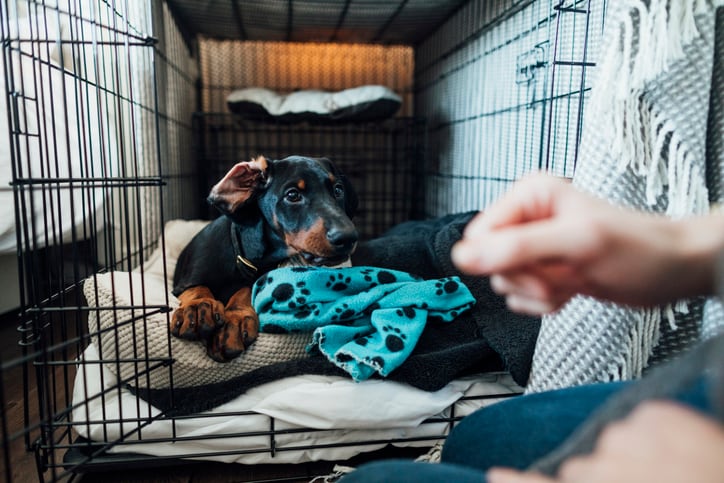

If you want your dog to feel safe and comfortable in their kennel, training them to sleep there is key. You might worry about your dog feeling anxious or refusing to settle down.
But with the right approach, you can turn the kennel into your dog’s favorite cozy spot. Imagine having peace of mind knowing your dog sleeps soundly, whether at home or away. Keep reading, and you’ll discover simple, effective steps to help your dog love their kennel just as much as you do.
Credit: emlabradors.com
Choose The Right Kennel
Choosing the right kennel sets the foundation for your dog’s comfort and willingness to sleep inside it. A kennel isn’t just a cage—it’s your dog’s personal space where they should feel safe and relaxed. Picking the wrong size or placing it in a noisy spot can turn this space into a place your dog avoids.
Size And Comfort
Make sure the kennel is big enough for your dog to stand up, turn around, and lie down comfortably. A cramped kennel can cause stress and resistance to sleeping there.
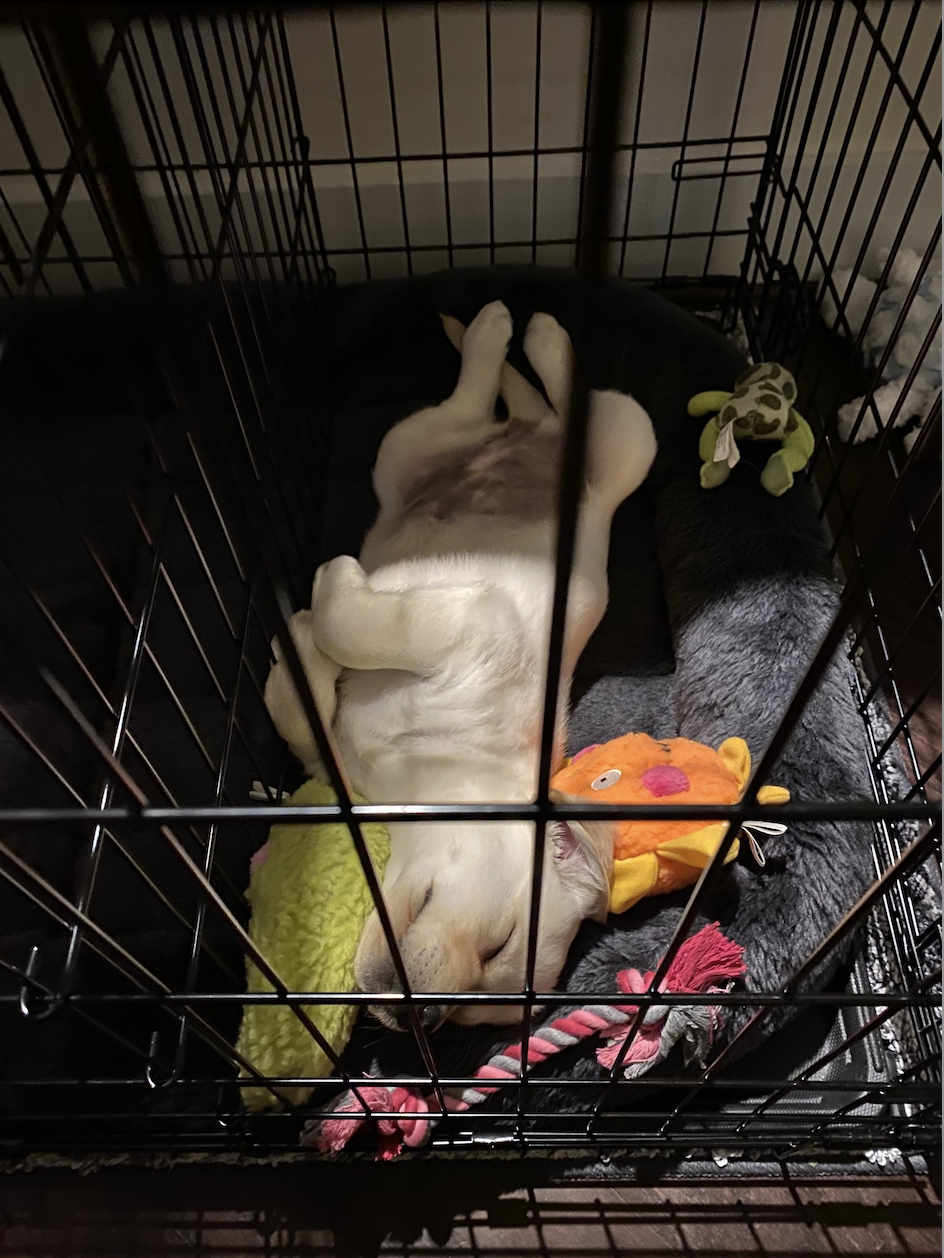
Adding soft bedding or a favorite blanket can make a huge difference. I once added an old, cozy t-shirt with my scent, and my dog took to the kennel much faster. Does your dog prefer firm or soft surfaces? Try different options and see what makes them settle more easily.
Location Matters
Where you place the kennel affects your dog’s willingness to use it. Choose a quiet spot away from heavy foot traffic but close enough so your dog doesn’t feel isolated.
Think about temperature too—avoid direct sunlight or cold drafts. I placed my dog’s kennel near a family room window where he could watch outside but still feel part of the household. Can your dog see or hear things that might either comfort or distract them?
Introduce The Kennel Positively
Introducing the kennel in a positive way helps your dog feel safe and calm. The kennel should be a happy place, not a punishment spot. Taking time to make the kennel welcoming encourages your dog to enter it willingly. This creates a strong habit and eases the training process.
Make It Inviting
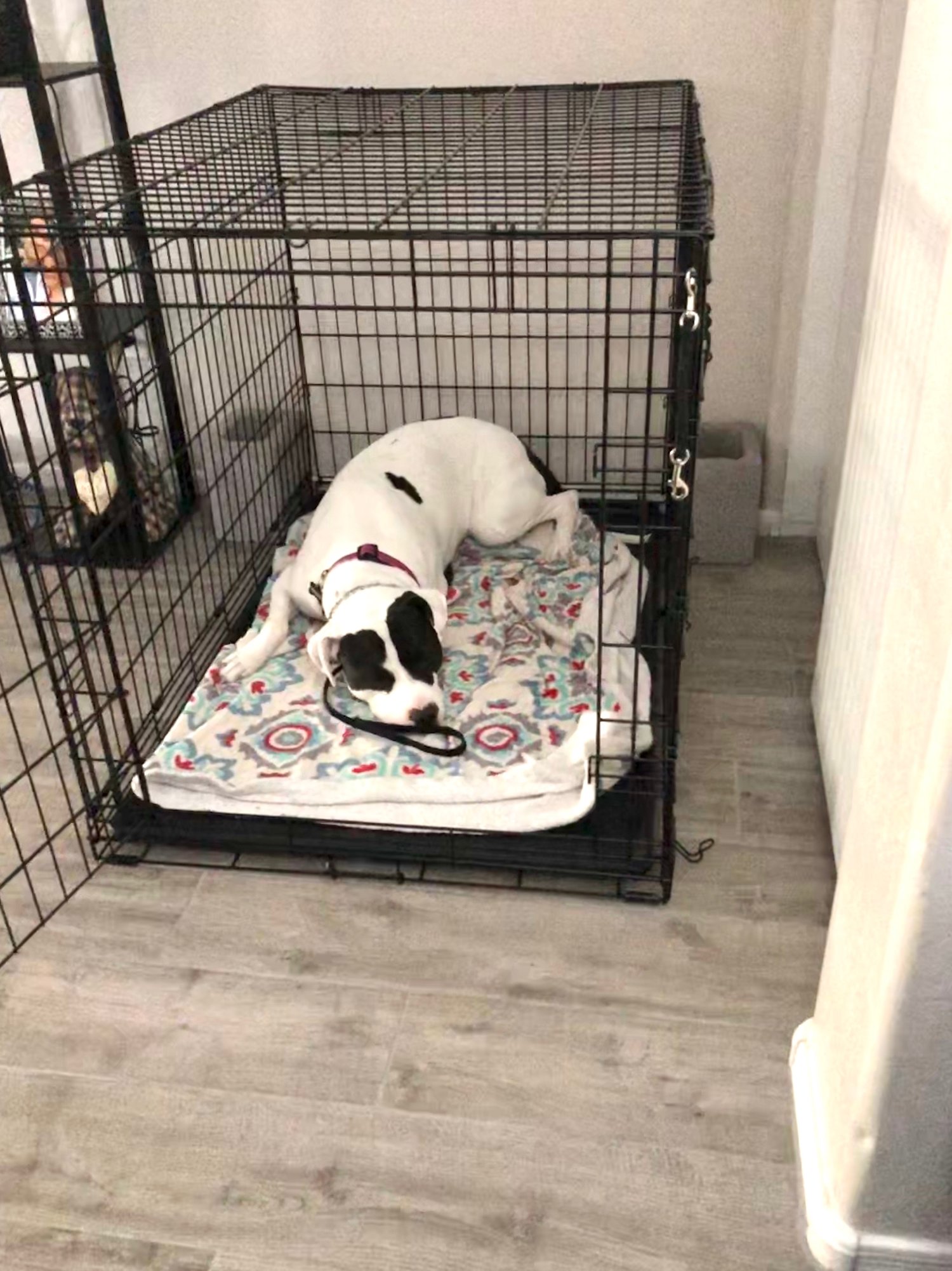
Place soft bedding inside the kennel to make it cozy. Choose a quiet spot away from noise and heavy traffic. Let your dog explore the kennel freely at first, without closing the door. Keep the environment warm and comfortable. A nice space invites your dog to rest and relax.
Use Treats And Toys
Place tasty treats inside the kennel to attract your dog. Use favorite toys to create a fun and positive association. Give treats only when your dog goes inside willingly. Praise your dog softly to build trust. This makes the kennel a place your dog looks forward to visiting.
Create A Sleep Routine
Establish a consistent sleep schedule for your dog to help them get used to their kennel. Quiet, calm times before bed encourage relaxation and better rest inside the crate.
Creating a sleep routine for your dog can be the magic key to ensuring they rest comfortably in their kennel. A well-structured bedtime routine not only makes your dog feel secure but also helps them associate the kennel with comfort and safety. Just like humans, dogs thrive on routine, and establishing a consistent pattern can make all the difference in their sleep quality.Consistent Bedtime
Set a specific bedtime for your dog and stick to it every night. Consistency helps your dog understand when it’s time to wind down. If you put them in the kennel at the same time each night, it becomes a natural part of their day. Consider your dog’s energy levels and evening activities. After a day of play, a tired dog is more likely to settle down quickly. Make sure their last potty break is part of this routine to avoid middle-of-the-night disturbances.Calming Activities
Engage your dog in calming activities leading up to bedtime. A quiet walk or gentle play session can help burn off excess energy. This can be followed by a relaxing grooming session or gentle petting to soothe them. Utilize calming aids like a soft blanket or a favorite toy in their kennel. Some dogs respond well to white noise or soft music, which can drown out other household noises and create a peaceful atmosphere. What are the calming cues your dog responds to? Try a few and observe their behavior. Making these elements a regular part of your dog’s evening can transform their kennel into a cozy den they look forward to. A thoughtful routine can turn bedtime from a struggle into a cherished ritual for both you and your furry friend.
Credit: www.youtube.com
Gradual Kennel Training
Gradual kennel training helps dogs accept their crate as a safe space. It reduces stress and builds comfort over time. This method avoids forcing the dog inside. Patience and consistency create positive kennel experiences.
Short Sessions First
Start with very short kennel sessions. Let your dog enter the crate on their own. Use treats or toys to encourage this. Close the door for just a few seconds. Open it before the dog feels uneasy. Repeat several times daily to build trust.
Increase Duration Slowly
Gradually make kennel time longer every day. Add a few seconds, then a minute or two. Watch your dog’s reaction carefully. Stop increasing time if the dog shows stress. Praise and reward calm behavior inside the kennel. This slow approach helps dogs relax and sleep comfortably there.
Manage Nighttime Needs
Managing your dog’s nighttime needs is a crucial part of training them to sleep comfortably in their kennel. By addressing their bathroom schedule and providing familiar comfort items, you help create a safe space that feels just right. This balance reduces anxiety and promotes longer, peaceful sleep sessions.
Bathroom Breaks
Dogs, especially puppies, often need a bathroom break during the night. Before putting your dog in the kennel, take them outside to relieve themselves. This reduces the chance they’ll need to go once settled, helping prevent accidents and restlessness.
Consider setting an alarm for a bathroom break if your dog is very young or not yet fully house-trained. Over time, you can gradually extend the intervals between breaks. Have you noticed how your dog’s sleep improves when you time their last bathroom visit right before bedtime?
Comfort Items
Adding familiar items to your dog’s kennel can make a big difference. A soft blanket or a favorite toy gives them something to snuggle with, making the kennel feel more like their own cozy corner. These comfort items can ease separation anxiety and encourage them to settle down faster.
Try using an item that smells like you, such as a worn t-shirt, to provide extra reassurance. What small object does your dog respond to most? Including that can turn the kennel into a comforting retreat rather than a place of isolation.
Handle Common Challenges
Training your dog to sleep in a kennel can be a smooth experience, but it often comes with hurdles. Handling common challenges effectively can make all the difference in creating a safe and comfortable space for your dog. Let’s focus on two major issues you might face and how to tackle them.
Dealing With Anxiety
Many dogs feel anxious when first introduced to a kennel. You might notice whining, barking, or pacing. These signs mean your dog is unsure about this new space.
To ease anxiety, try these tips:
- Start slow:Let your dog explore the kennel without closing the door at first. Stay nearby to offer comfort.
- Use calming scents:Placing a piece of your worn clothing inside can provide reassurance.
- Offer treats and toys:Make the kennel a place your dog wants to be by adding favorite chew toys or tasty treats.
Ask yourself: Is your dog’s anxiety caused by sudden changes or past negative experiences? Understanding this can help you adjust your approach.
Avoiding Negative Associations
Dogs remember how they feel about places and objects. If the kennel becomes linked with punishment or stress, your dog will resist it.
Keep these pointers in mind to prevent negative associations:
- Never use the kennel as punishment.It should be a safe zone, not a time-out corner.
- Keep kennel time positive.Feed meals inside or play quiet games there.
- Be patient and consistent.Avoid rushing the process or forcing your dog inside.
Think about your own behavior—are you unintentionally making the kennel a scary place? Small changes in your actions can transform your dog’s experience.
Maintain Positive Reinforcement
Maintaining positive reinforcement helps your dog feel safe and happy in the kennel. Dogs respond well to kindness and rewards. This approach creates a strong bond and makes training easier. It encourages your dog to enter and stay calm in the kennel without fear.
Praise And Rewards
Use gentle words and a happy tone to praise your dog. Say “good job” or “well done” when your dog enters the kennel. Give small treats to make the experience pleasant. Offer favorite toys or extra petting as rewards. Praise and rewards show your dog that the kennel is a nice place.
Stay Patient
Training takes time. Your dog may not like the kennel at first. Keep calm and patient during every session. Avoid raising your voice or showing frustration. Allow your dog to explore the kennel at their own pace. Repeat training regularly to build comfort and trust.
Credit: www.sadiesrulesk9training.com
Frequently Asked Questions
How Long Does Kennel Training Take For Dogs?
Kennel training usually takes one to two weeks. Consistency and patience speed up the process. Daily short sessions help dogs adapt comfortably.
What Are The Best Tips For Kennel Training Dogs?
Use positive reinforcement and treats to encourage your dog. Make the kennel cozy and introduce it gradually. Keep training sessions short but frequent for better results.
Can Kennel Training Reduce Dog Anxiety?
Yes, kennel training can reduce anxiety by providing a safe space. It helps dogs feel secure and lowers stress during separation or travel.
Should I Leave The Kennel Door Open Or Closed?
Start with the door open to build comfort. Gradually close it as your dog becomes more relaxed inside the kennel.
Conclusion
Training your dog to sleep in a kennel takes time and patience. Keep routines calm and consistent every night. Use treats and praise to encourage good behavior. Make the kennel a safe and cozy space for your dog. Avoid rushing the process; small steps lead to success.
Soon, your dog will feel comfortable and secure in the kennel. A happy dog means peaceful nights for both of you. Trust the process and enjoy the journey together.