
Are you wondering if 7 months is too early to switch your puppy to adult dog food? It’s a common question many dog owners face.
You want to make sure your furry friend gets the right nutrition at every stage of life. Choosing the right time to change their diet can impact their growth, energy, and overall health. You’ll discover exactly when to make the switch and why it matters for your dog’s well-being.
Keep reading to make the best choice for your loyal companion.
When To Switch To Adult Dog Food
Knowing when to switch your puppy to adult dog food is important for their health and growth. Feeding them the right type of food at the right time ensures they get the nutrients they need without causing digestive issues or nutritional gaps. But how do you know if 7 months is too early for this change?
Typical Age For Transition
Most dogs move from puppy to adult food between 9 and 12 months old. This is because their growth rate slows down, and their nutritional needs start to resemble those of adult dogs.
However, the exact timing can vary by breed and size. Smaller breeds often mature faster and can switch earlier, while larger breeds might need puppy food for a longer period to support their extended growth phase.
Signs Your Puppy Is Ready
Instead of relying only on age, watch your puppy’s behavior and physical changes.
- Stable Weight:If your puppy has reached most of their adult size and isn’t growing rapidly, it might be time to switch.
- Decreased Energy Levels:A calmer demeanor can indicate a shift from puppy to adult metabolism.
- Changes in Appetite:If your puppy seems less hungry or is finishing meals faster, it could mean their dietary needs are changing.
Have you noticed your puppy slowing down or acting more mature? These are practical clues you can use alongside their age to decide the best time for the switch.
Credit: www.renspets.com
Nutritional Needs Of Growing Dogs
Understanding the nutritional needs of growing dogs is essential. As puppies grow, their dietary requirements differ from adult dogs. Proper nutrition supports healthy growth and development. It aids in building strong bones, muscles, and immune systems. Feeding the right food at the right time is crucial.
Puppy Vs. Adult Food Nutrients
Puppy food is rich in protein and fat. These nutrients support rapid growth and energy needs. It also contains higher levels of calcium and phosphorus. These minerals help develop strong bones and teeth. Adult dog food has balanced nutrients for maintenance. It contains less protein and fat compared to puppy food.
Impact On Growth And Development
Feeding adult food too early can affect a puppy’s growth. Puppies need extra nutrients to develop properly. Adult food might not meet these needs. Inadequate nutrition can lead to health issues. It can affect bone growth and overall development. Proper puppy food supports optimal growth and a healthy future.
Risks Of Early Transition
Switching your dog to adult food too early can come with hidden risks. Puppies have specific nutritional needs that differ from adult dogs. Moving to adult food at 7 months might seem okay, but it can cause problems that affect your dog’s health and comfort.
Potential Health Issues
Puppies require higher levels of certain nutrients like protein, fat, and calcium for proper growth. Adult dog food often has lower amounts of these, which might slow down your pup’s development. A dog that is still growing but eating adult food could face weak bones or poor muscle growth.
Have you noticed your pup getting tired faster or losing weight after switching to adult food? These could be signs of nutritional imbalance. It’s important to match the food with your dog’s growth stage to avoid long-term health problems.
Digestive Concerns
Changing from puppy to adult food too soon can upset your dog’s stomach. Puppy food is usually easier to digest and gentler on a young dog’s sensitive system. Adult food might be heavier and harder for their digestive tract to handle at this age.
Signs like diarrhea, vomiting, or constipation often appear after an early switch. These issues not only cause discomfort but may also lead to dehydration or nutrient loss. Paying attention to your dog’s digestion after changing food is crucial for their well-being.
Breed And Size Considerations
Choosing the right time to switch your dog to adult food depends heavily on their breed and size. These factors influence growth rates and nutritional needs, which means what works for one dog might not suit another. Understanding these differences can help you decide if 7 months is too early for your dog to start eating adult food.
Small Breeds
Small breed dogs mature faster than their larger counterparts. Many small breeds reach adulthood around 9 to 12 months, so switching to adult food at 7 months might be appropriate for them.
However, keep an eye on your dog’s energy levels and weight. Small breeds often have high metabolisms, so they may need calorie-rich food even after switching.
Have you noticed your small dog slowing down or gaining too much weight after switching? That’s a sign to adjust their diet carefully.
Large And Giant Breeds
Large and giant breeds grow at a slower pace and take longer to mature, often up to 18-24 months. Switching to adult food at 7 months can be premature and may not support their growth properly.
These breeds require food formulated to support joint health and controlled calorie intake to avoid rapid growth that stresses bones.
If your large breed puppy seems too lean or overly energetic on adult food, it might mean they’re not getting the right nutrients yet. Have you checked if their food supports their specific growth needs?
Signs Your Dog Benefits From Adult Food
Knowing when to switch your dog to adult food is important. Signs show your dog may benefit from adult food before 7 months old. Watching your dog’s behavior and body can guide you.
Behavioral Changes
Adult dogs have different energy levels than puppies. Your dog may become less hyperactive and more calm. Notice if your dog starts showing less playful behavior. They may also eat less often but still stay healthy. These changes suggest your dog needs more adult nutrition.
Physical Maturity Indicators
Look at your dog’s body for growth signs. Adult dogs have full teeth and steady weight. Check if your dog’s bones feel strong and firm. Their coat may become thicker and less fluffy. These signs mean your dog is growing up and may need adult food to match.
Credit: www.petmd.com
Expert Tips For A Smooth Switch
Switching your dog from puppy food to adult dog food can be tricky, especially if your dog is just 7 months old. Doing it right can help avoid digestive issues and keep your pup happy and healthy. Here are some expert tips to help you make that switch smoothly and confidently.
Gradual Transition Process
Start by mixing a small amount of adult dog food into your dog’s current puppy food. A good rule is to begin with 25% adult food and 75% puppy food.
Over the next 7 to 10 days, slowly increase the adult food portion while decreasing the puppy food. This gradual change helps your dog’s digestive system adjust without causing upset stomach or refusal to eat.
Keep an eye on how your dog reacts. If you notice any signs of discomfort or refusal, slow down the transition pace. Patience here can save you a lot of stress later.
Monitoring Your Dog’s Response
After each meal, watch for any changes in your dog’s energy, stool quality, or appetite. Loose stools or diarrhea can mean the transition is too fast.
Also, pay attention to your dog’s behavior. Are they more tired or less playful? That could signal that the new food isn’t meeting their needs yet.
Ask yourself: Is your dog eating happily and showing normal energy levels? If not, consider consulting your vet for advice tailored to your dog’s breed and health.
Common Myths About Dog Food Transition
Switching your puppy from puppy food to adult dog food can feel like a big decision. There are many opinions floating around, and some common myths can make it confusing. Let’s clear up some of these misunderstandings so you can make the best choice for your dog’s health and growth.
Early Switching Harms Growth
Many believe that switching to adult dog food before your puppy turns one can stunt their growth. But this isn’t always true. The right adult dog food can actually support healthy development if it meets your dog’s nutritional needs.
Growth depends more on balanced nutrition than age alone. Some medium and large breed puppies benefit from an earlier transition to adult food to avoid excessive calcium and calorie intake. Have you noticed your vet recommending a switch based on your dog’s breed or weight rather than just age?
Ignoring your dog’s unique growth pace might cause more harm than switching a bit early. Always watch for signs like steady energy levels and healthy weight rather than sticking strictly to age rules.
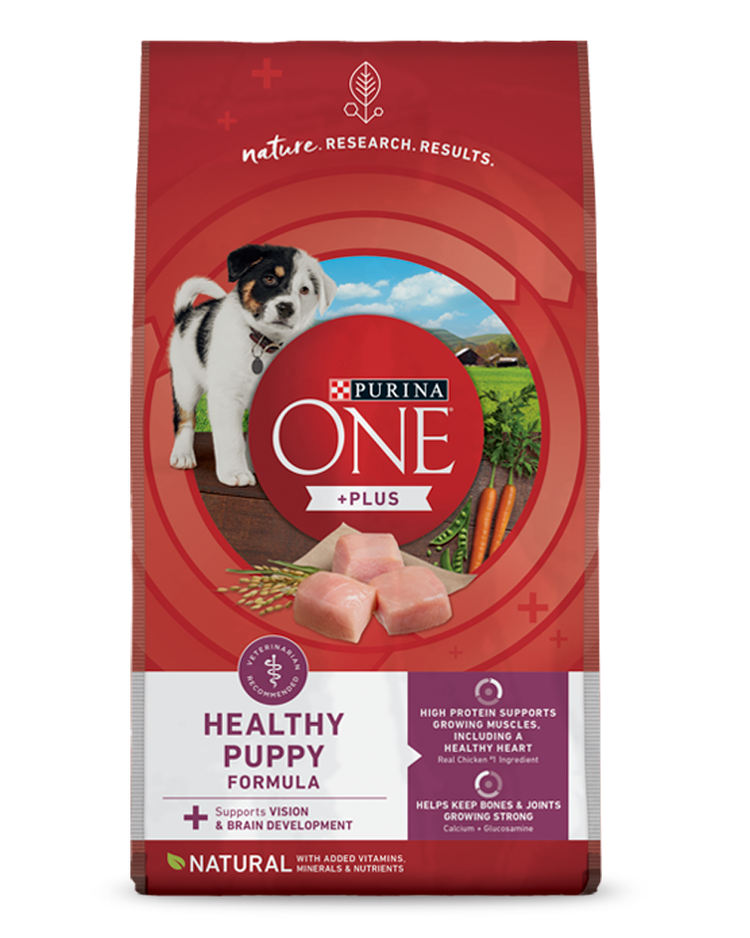
Puppy Food Is Always Best Until One Year
It’s a common idea that puppies must stay on puppy food until they reach one year. However, this isn’t a universal rule. Some breeds mature faster and can thrive on adult dog food sooner.
Puppy food is richer in calories and nutrients designed for rapid growth. If your dog is slowing down or becoming less active, continuing on puppy food might lead to unwanted weight gain. Have you ever noticed your dog’s appetite or activity change and wondered if it was time to switch?
Talk to your vet about your dog’s specific needs. A tailored feeding plan based on your dog’s breed, size, and activity level works better than a strict age guideline. This approach can prevent overfeeding and support healthy long-term wellness.
Credit: www.purina.com
Choosing The Right Adult Dog Food
Choosing the right adult dog food is key for your pet’s health. Dogs need different nutrients as they grow. Feeding adult dog food at the right age supports their energy and wellbeing. The transition from puppy to adult food depends on breed, size, and activity. Quality adult dog food keeps your dog strong and active. Understanding what to look for makes this choice easier and safer.
Nutritional Content To Look For
Adult dog food should have balanced nutrients. Proteins help build muscles and repair tissues. Look for real meat or fish listed first. Carbohydrates provide energy for daily activities. Fiber supports good digestion and healthy bowel movements. Fats supply essential fatty acids for skin and coat health. Vitamins and minerals strengthen bones and boost immunity. Avoid foods with too many fillers or artificial additives. A good adult formula meets AAFCO standards for complete nutrition.
Special Dietary Needs
Some dogs need food made for special conditions. Older dogs may require lower calories and joint support. Dogs with allergies need limited ingredient or hypoallergenic food. Sensitive stomachs benefit from gentle, easy-to-digest ingredients. Large breeds might need food with added glucosamine for joints. Talk to your vet about your dog’s specific needs. Special diets help keep your dog comfortable and healthy. Tailoring food helps manage health issues early and well.
Frequently Asked Questions
Is 7 Months Too Early For Adult Dog Food?
No, 7 months can be early for adult dog food. Most dogs transition at 12 months. Large breeds may switch later due to growth rates.
When Should I Switch My Puppy To Adult Food?
Puppies typically switch to adult food around 12 months. Small breeds may transition earlier. Consult your vet for breed-specific guidance.
What Are Risks Of Early Adult Dog Food Feeding?
Feeding adult food too early may cause nutrient imbalances. Puppies need higher protein and calories for growth. Early switch can stunt development.
How To Know If My Dog Is Ready For Adult Food?
Look for slowed growth and adult teeth. Your vet can assess weight and development. Signs include decreased energy and stable body condition.
Conclusion
Switching to adult dog food at 7 months can suit some dogs. Growth rates differ by breed and size. Watch your dog’s weight and energy levels closely. Consult your vet to make the best choice. Feeding the right food helps your dog stay healthy.
Keep observing and adjust as needed for your pet. Your dog’s health is the top priority. Choose wisely and enjoy many happy years together.