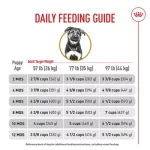
You want the best for your furry friend, and that includes feeding them the right food at the right time. But how do you know when to switch your dog from puppy food to adult food?
Making this change too early or too late can affect your dog’s health and energy. You’ll discover the clear signs and the best timing for this important transition. Keep reading to make sure your dog grows strong and happy every step of the way.

Credit: us.eukanuba.com
Puppy Growth Stages
Puppy growth stages mark the rapid changes in a young dog’s life. These stages influence their diet, health, and behavior. Understanding these phases helps provide the right food at the right time. Puppies grow fast. Their bodies and minds develop in clear steps. Feeding them properly during these stages supports strong bones, healthy muscles, and good energy.
Key Development Phases
- Neonatal Stage (0-2 weeks):Puppies are fully dependent on their mother’s milk.
- Transitional Stage (2-4 weeks):Eyes and ears open. Puppies begin to explore.
- Socialization Stage (4-12 weeks):Learning social skills, introducing soft solid food.
- Juvenile Stage (3-6 months):Rapid growth, teeth development, increased activity.
- Adolescence (6-12 months):Slower growth, reaching adult size varies by breed.
Nutritional Needs By Age
Puppies need special food formulas. Puppy food contains more calories and nutrients. This supports their fast growth and energy.
| Age | Diet Focus | Key Nutrients |
|---|---|---|
| 0-8 weeks | Mother’s milk or puppy milk replacer | Fat, protein, antibodies |
| 8-16 weeks | High-quality puppy food, small frequent meals | Protein, calcium, DHA for brain development |
| 4-12 months | Gradual transition to adult food for large breeds | Balanced protein, controlled calcium for bone growth |
| 12 months+ | Switch to adult dog food | Maintenance nutrients, fewer calories |
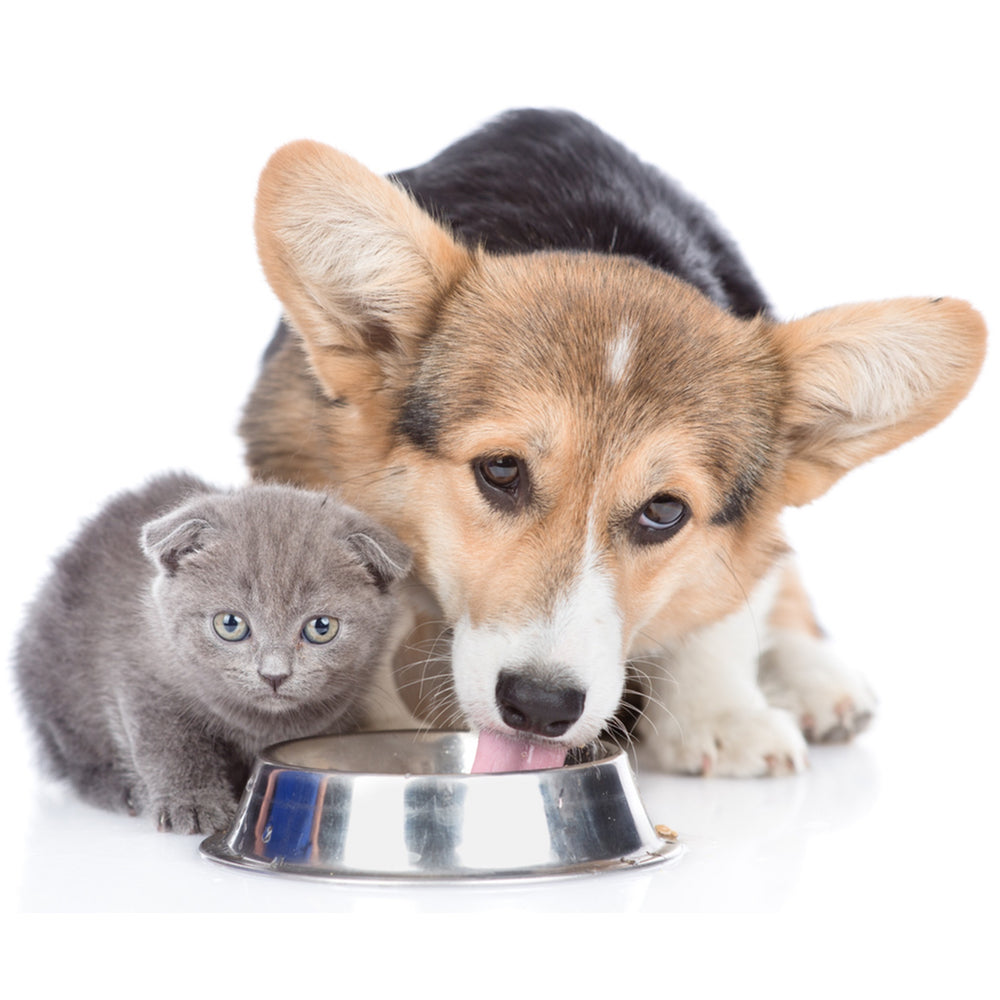
Feeding puppies correctly during each growth phase helps avoid health problems. It also supports their energy and development. Watch for signs your puppy needs a diet change. Their growth rate and breed size guide the timing for switching to adult food.
Credit: www.zealandiapets.com
Signs To Switch Food
Knowing the right time to switch your dog from puppy food to adult food is crucial for their health. Puppies grow fast, and their nutritional needs change as they mature. Watching for clear signs can help you make this transition smoothly and confidently.
Physical Indicators
One of the most obvious signs is your dog’s size. When your puppy reaches about 80% of their expected adult weight, it’s usually time to consider adult food.
Look for changes in their coat too. A shiny, healthy coat often means their current diet is working, but if you notice dullness or excessive shedding, a diet change might help.
Also, watch their teeth. Puppy food supports growing teeth, but once their adult teeth come in fully, adult food is better suited to maintain dental health.
Behavioral Changes
Has your puppy’s energy level shifted? Puppies often have bursts of energy, but as they grow, their activity stabilizes. If your dog seems less hyperactive or more focused, their food should match their new energy needs.
Notice their eating habits. Puppies tend to eat smaller meals frequently, but adult dogs usually prefer fewer, larger meals. A change in appetite can signal it’s time for adult food.
Finally, observe their bathroom habits. If your puppy’s stools become firmer and more regular, their digestive system might be ready for adult food. Loose stools or digestive upset can mean they’re not ready yet.
Breed And Size Influence
Breed and size play a key role in deciding when dogs switch from puppy food to adult food. Each dog grows at a different pace based on these factors. Choosing the right time helps support their health and energy needs. Feeding adult food too early or too late can cause problems.
Small breeds usually mature faster and need adult food sooner. Large breeds take longer to grow and require puppy food for an extended period. Knowing your dog’s breed and size helps you make the best feeding choices.
Small Breeds Timeline
Small breed dogs reach maturity quickly. Most small breeds switch to adult food between 9 to 12 months. These dogs have fast metabolisms and burn energy quickly. Their bodies need nutrient-dense food to support active lifestyles.
Examples of small breeds:
- Chihuahua
- Yorkshire Terrier
- Dachshund
At about one year old, small breeds are ready for adult food. Transition gradually over a week to avoid stomach upset. Watch for changes in weight and energy during the switch.
Large Breeds Timeline
Large breed dogs grow more slowly. They often remain on puppy food until 12 to 18 months old. Large breeds need extra nutrients to build strong bones and joints. Puppy food for large breeds is specially formulated for this growth.
Examples of large breeds:
- Golden Retriever
- German Shepherd
- Great Dane
Switching too early can cause health issues like joint problems. Always check with your vet before changing food. Monitor your dog’s growth and energy levels closely during this period.
Choosing Adult Dog Food
Dogs usually switch from puppy to adult food between 9 and 12 months old. Larger breeds may need adult food later, around 12 to 18 months. Watch your dog’s growth and energy to choose the right time for the change.
Choosing the right adult dog food is a pivotal step in your dog’s transition from puppyhood. This shift isn’t just about age—it’s about adapting to your dog’s changing nutritional needs. As your pup grows, their body requires different fuel to maintain health and energy.Essential Nutrients
Adult dogs need a balanced diet rich in proteins, fats, carbohydrates, vitamins, and minerals. Proteins support muscle maintenance, while fats are essential for energy. Carbohydrates provide the fuel your dog needs for daily activities. It’s crucial to ensure your dog’s diet includes omega-3 and omega-6 fatty acids for a healthy coat and skin. Vitamins and minerals like calcium and phosphorus support strong bones and teeth. Have you ever noticed how a well-fed dog seems to have a certain spark in their eyes?Reading Food Labels
Navigating dog food labels can feel overwhelming, but it’s essential for making informed choices. Check the ingredient list; the first few ingredients should be quality proteins like chicken or beef. Avoid foods with fillers like corn or soy. Look for a statement from the Association of American Feed Control Officials (AAFCO) that confirms the food meets nutritional standards. Remember, “premium” or “gourmet” labels don’t guarantee higher quality. Wouldn’t you want to be certain of what your furry friend is eating every day? By understanding these components, you’re better equipped to choose the best adult dog food for your loyal companion.Transitioning Food Gradually
Transitioning your dog from puppy food to adult food is a delicate process that requires patience and attention. A sudden change can upset your dog’s stomach and cause unnecessary discomfort. Gradually introducing new food helps your pet adjust smoothly and enjoy their meals without any digestive trouble.
Step-by-step Approach
Start by mixing a small amount of adult food with your puppy’s regular meal. You might add about 25% adult food to 75% puppy food for the first few days. Then, slowly increase the adult food portion while decreasing puppy food over the next one to two weeks.
Watch your dog’s reaction closely during this time. If they seem hesitant or refuse the new food, try mixing it with something tasty like a bit of broth or a small treat. This method can help make the transition more appealing and less stressful for your dog.
Avoiding Digestive Issues
Switching foods too quickly can cause diarrhea, vomiting, or gas. To prevent this, ensure the change happens over at least 7 to 10 days. This gives your dog’s digestive system time to adapt without causing distress.
Keep an eye on your dog’s stool and overall behavior during the transition. If you notice ongoing digestive problems, slow down the switch or consult your vet. Have you ever noticed your dog’s tummy acting up after a food change? That’s your signal to slow things down and give your pet more time.
Veterinarian Recommendations
Veterinarians play a key role in guiding pet owners on the right time to switch from puppy food to adult dog food. Their advice is based on your dog’s breed, size, and health. Following a vet’s recommendation helps ensure your dog gets the nutrients needed at each life stage.
Professional Advice
Veterinarians suggest switching to adult food when your dog reaches about 80% of their adult size. Small breeds usually change around 9 to 12 months. Large breeds may need puppy food longer, up to 18 or 24 months. Your vet will assess growth and energy levels to give tailored advice.
They also consider your dog’s health conditions and activity. Some dogs may require special diets or slower transitions. A gradual change over 7 to 10 days reduces stomach upset. Vets recommend monitoring weight and coat condition during this time.
When To Seek Help
Watch for signs that your dog struggles with the food switch. Loss of appetite, vomiting, or diarrhea need prompt veterinary attention. Also, consult your vet if your dog gains or loses weight too fast. These could signal nutritional imbalances or health issues.
Regular vet check-ups during growth phases help catch problems early. Your vet can adjust feeding plans based on test results or physical exams. Reach out anytime you feel unsure about your dog’s diet or health.
Credit: www.petfood.express
Frequently Asked Questions
When Should I Switch My Puppy To Adult Dog Food?
Most dogs transition to adult food between 9 to 12 months. Large breeds may switch later, around 12 to 18 months. Always consult your vet for personalized advice based on your dog’s breed and growth rate.
Why Is Switching From Puppy To Adult Food Important?
Adult dog food meets mature nutritional needs, preventing obesity and health issues. Puppy food is higher in calories and nutrients, which can cause weight gain if continued too long.
How Do I Know My Dog Is Ready For Adult Food?
Look for signs like slowed growth and stable weight. Your vet can assess your dog’s development and recommend the best time to switch foods.
Can Feeding Adult Food Too Early Harm My Puppy?
Yes, feeding adult food too early may cause nutritional deficiencies. Puppies need higher protein and calorie content for proper growth and development.
Conclusion
Switching from puppy food to adult food is a big step for your dog. Watch their growth and energy to know the right time. Most dogs change between one and two years old. Choose food that suits their size and health needs.
Good nutrition keeps dogs strong and happy. Keep an eye on their weight and coat condition. Feeding the right food helps your dog live a long, healthy life. Trust your instincts and talk to your vet when unsure. Small changes make a big difference in your dog’s health.