Are you wondering if adult dog food is less fattening than puppy food? Choosing the right food for your furry friend can feel confusing, especially when you want to keep them healthy and fit.
You might have heard that adult dog food helps prevent weight gain, but is that really true? Understanding the difference between these foods can make a big impact on your dog’s health and energy. Keep reading to discover what you need to know to make the best choice for your dog’s diet and well-being.
Differences In Nutritional Needs
Adult dogs and puppies have very different nutritional needs. These differences affect the type of food best suited for each life stage. Puppy food supports rapid growth and development. Adult dog food focuses on maintaining health and energy without excess calories. Understanding these nutritional differences helps you choose the right food for your dog.
Energy Requirements For Puppies Vs Adults
Puppies need more energy per pound of body weight than adult dogs. They grow fast and stay active. Their calories come from fats and carbohydrates to fuel growth and play.
Adult dogs require fewer calories to maintain their weight. Their energy needs depend on size, breed, and activity level. Excess calories in adult dogs can lead to weight gain.
Protein And Fat Content Variations
Puppy food contains higher protein and fat levels. Protein supports muscle and tissue growth. Fat provides essential fatty acids and energy.
Adult dog food has lower protein and fat. This helps prevent obesity and supports stable energy levels. The balance keeps adult dogs healthy without extra fat storage.
Credit: www.purina.com
Caloric Density In Dog Foods
Caloric density measures how many calories are in a certain weight of dog food. It shows how much energy your dog can get from a small or large amount of food. Puppy food and adult dog food differ in this aspect. These differences affect how much your dog should eat to stay healthy and active.
Typical Calories In Puppy Food
Puppy food usually has more calories per cup than adult dog food. Puppies need extra energy to grow strong muscles and bones. The calorie content in puppy food often ranges between 350 and 450 calories per cup. This higher energy helps puppies stay active and supports rapid development.
Typical Calories In Adult Dog Food
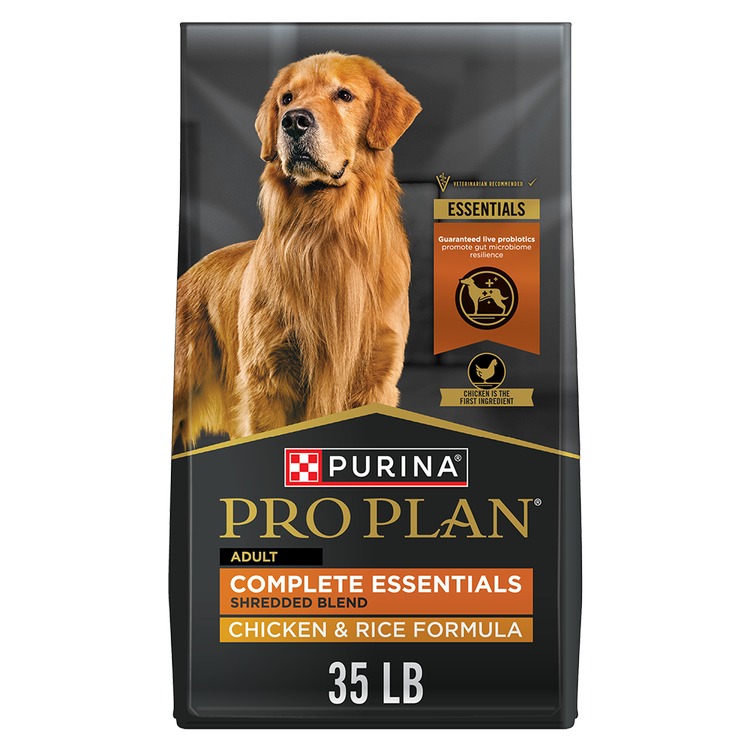
Adult dog food contains fewer calories per cup compared to puppy food. Adult dogs need fewer calories since they are not growing as fast. Most adult dog foods have around 300 to 400 calories per cup. This helps prevent adult dogs from gaining extra weight and keeps them healthy.
Impact On Weight Gain
Choosing the right food for your dog affects their weight. Puppy food contains more calories and nutrients than adult dog food. This is essential for growth. But, it can impact weight differently in adult dogs.
How Puppy Food Affects Adult Dogs
Puppy food is rich in protein and fat. It supports rapid growth in young dogs. But adult dogs don’t require such high levels of nutrients. Feeding an adult dog puppy food can lead to weight gain. Their slower metabolism can’t burn those extra calories. This can cause obesity, affecting their health.
Risks Of Overfeeding With Puppy Food
Overfeeding adult dogs with puppy food increases health risks. Obesity can lead to joint problems and diabetes. It may also shorten their lifespan. Some adult dogs may experience digestive issues. Their system isn’t used to processing rich puppy food. Monitoring their diet is crucial to maintain a healthy weight.
Choosing The Right Food For Your Dog
Choosing the right food for your dog is key to their health and happiness. Dogs have different nutritional needs at various life stages. Puppy food and adult dog food are formulated differently to meet these needs. Feeding the correct type supports growth, energy, and overall wellness.
Knowing when to switch from puppy food to adult food helps maintain a healthy weight. It also prevents health problems linked to improper nutrition. Understanding your dog’s signs and consulting a professional ensures the best diet choice.
Signs Your Dog Needs Adult Food
- Your dog has reached about one year old (varies by breed).
- Growth slows or stops; they look fully grown.
- Weight gain occurs if still on puppy food.
- Energy levels stabilize; no more rapid bursts of puppy energy.
- Coat texture changes to a more mature look.
- Teeth and bones are fully developed.
Consulting Your Veterinarian
Your vet knows your dog’s health history and needs. They offer advice on when to change food types. Vets can recommend brands or formulas based on health conditions. Regular check-ups help track your dog’s growth and weight.
Discuss any concerns about food weight or digestion. Vets may suggest special diets if your dog has allergies or sensitivities. Their guidance helps avoid feeding mistakes that could cause harm.
Tips To Manage Your Dog’s Weight
Managing your dog’s weight helps keep them healthy and active. Overweight dogs face many health risks. Careful attention to diet and exercise supports a balanced lifestyle. Simple changes can make a big difference in your dog’s well-being.
Portion Control Strategies
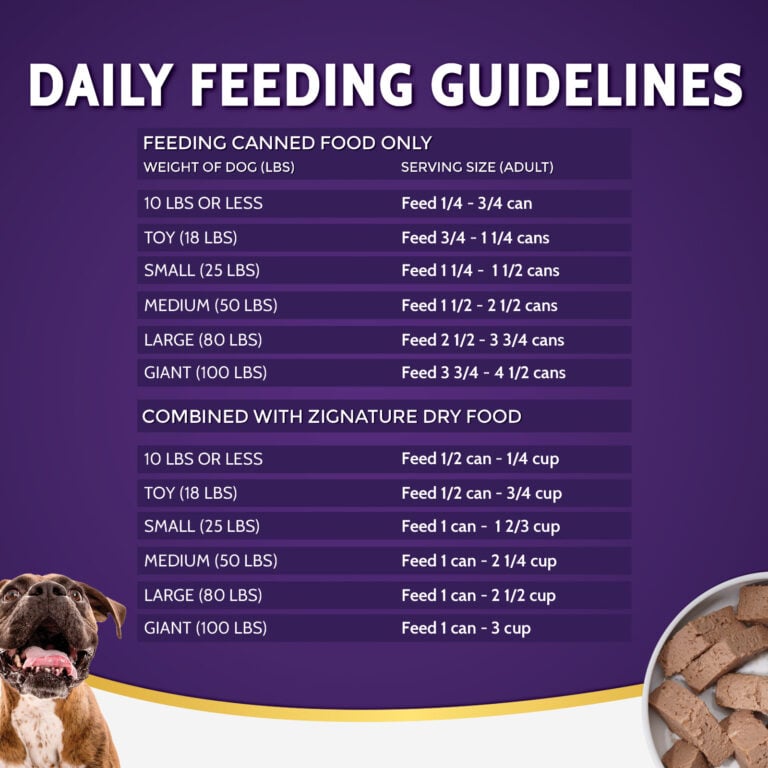
Measure your dog’s food carefully at every meal. Avoid free-feeding, where food is always available. Use a standard measuring cup for accuracy. Follow feeding guidelines on the dog food package. Adjust portions based on your dog’s age, weight, and activity level.
- Feed smaller, more frequent meals instead of one large meal.
- Limit treats and use healthy alternatives like carrot sticks.
- Keep a feeding schedule to prevent overeating.
Balancing Diet With Exercise
Exercise helps burn calories and strengthens muscles. Match your dog’s activity to their breed and age. Daily walks, playtime, and interactive toys keep dogs moving. Increase activity slowly to avoid injury. Combine diet changes with exercise for better weight control.
- Try short walks after meals to aid digestion.
- Play fetch or tug-of-war for fun exercise.
- Schedule regular vet check-ups to track weight.
Credit: www.houndsy.com
Credit: zignature.com
Frequently Asked Questions
Is Adult Dog Food Lower In Fat Than Puppy Food?
Adult dog food generally contains less fat than puppy food. Puppies need higher fat for growth and energy. Adult formulas focus on maintaining weight and health, often with reduced fat content.
Why Do Puppies Need Higher Fat In Their Food?
Puppies require more fat for rapid growth and energy. Fat supports brain development and helps absorb vitamins. Higher fat content meets their active metabolism needs.
Can Feeding Adult Dog Food To Puppies Cause Weight Issues?
Feeding adult dog food to puppies may lead to nutrient deficiencies. Puppies might not get enough fat and calories. This can slow growth or cause weight problems.
Does Adult Dog Food Help Prevent Obesity In Dogs?
Yes, adult dog food is designed to prevent obesity. It has balanced fat and calorie levels suited for grown dogs. This helps maintain a healthy weight.
Conclusion
Adult dog food usually has fewer calories than puppy food. Puppies need extra energy to grow strong and healthy. Adult dogs require balanced nutrition to maintain their weight and health. Choosing the right food depends on your dog’s age and activity.
Feeding puppy food to adults can cause weight gain. Feeding adult food to puppies might not meet their growth needs. Always check labels and consult your vet for best results. Healthy food helps dogs live longer and feel better. Keep your dog’s diet right for a happy life.