
Are you wondering if a raw food diet is safe and healthy for your dog? You’re not alone.
Many pet owners like you want the best for their furry friends but feel confused by all the mixed advice out there. Is feeding your dog raw meat really good, or could it be harmful? You’ll discover the truth behind raw food diets for dogs.
By the end, you’ll have clear, simple facts to help you decide what’s right for your loyal companion. Keep reading—you owe it to your dog to know the full story.
Raw Food Diet Basics
A raw food diet for dogs focuses on feeding them uncooked ingredients. It aims to mimic what wild dogs eat in nature. Many pet owners believe raw diets improve health and energy. This approach requires careful planning to meet all nutritional needs. Understanding the basics helps decide if this diet suits your dog.
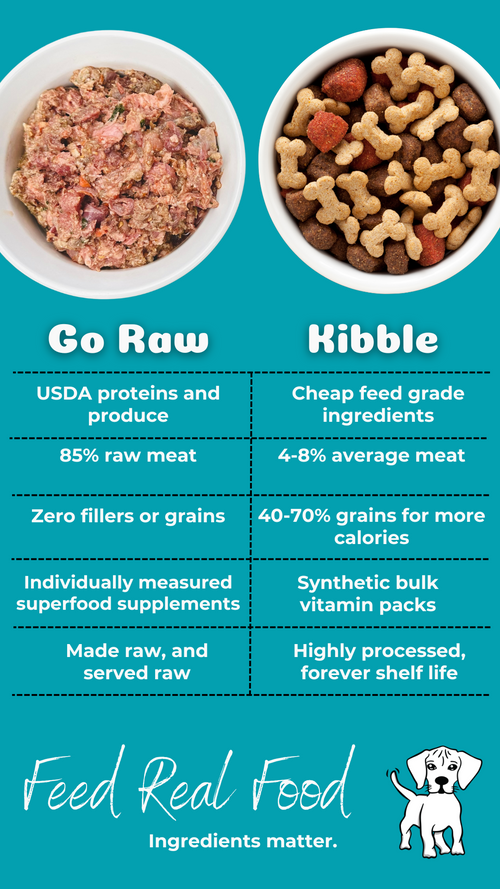
What Is A Raw Food Diet
A raw food diet includes fresh, uncooked foods for dogs. It often contains meat, bones, and organs. Some plans add fruits and vegetables for balance. The goal is to provide natural, whole foods without processing. Many owners think this diet supports digestion and coat health.
Common Ingredients In Raw Diets
- Raw muscle meat like chicken, beef, or turkey
- Raw meaty bones that are safe to chew
- Organ meats such as liver, kidney, and heart
- Vegetables like carrots, spinach, and broccoli
- Fruits including apples and blueberries
- Supplements such as fish oil or vitamins
Potential Benefits For Dogs
The raw food diet for dogs has sparked much interest among pet owners. Many believe it offers natural benefits that commercial dog food lacks. Feeding raw meat, bones, and vegetables can provide essential nutrients in their purest form. This section explores some potential benefits dogs may experience on a raw food diet.
Improved Digestion
Raw food is easier for many dogs to digest. It contains natural enzymes that help break down food more efficiently. These enzymes reduce the strain on a dog’s digestive system. Some dogs show less gas and firmer stools after switching to raw meals. The diet often avoids fillers and artificial ingredients that can upset digestion.
Better Coat And Skin Health
Many dogs develop shinier coats and healthier skin on a raw diet. The natural fats in raw meat support skin hydration and shine. Essential fatty acids like omega-3 and omega-6 are abundant in raw food. These fats can reduce itching and dryness. A soft, glossy coat is a common sign of good nutrition.
Increased Energy Levels
Dogs fed raw food often display higher energy levels. The diet provides high-quality protein that fuels muscles. Raw food is nutrient-dense, offering vitamins and minerals for vitality. Some owners notice their dogs are more playful and active. Balanced nutrition from raw ingredients supports overall wellness and stamina.
Health Risks Of Raw Diets
The raw food diet for dogs has been gaining traction among pet owners who believe it’s more natural and healthier. However, this diet isn’t without its risks. Understanding these potential health risks can help you make informed decisions about your furry friend’s nutrition.
Bacterial Contamination
Feeding your dog raw meat increases the risk of bacterial infections. Raw foods can harbor harmful bacteria like Salmonella and E. coli, which can make your dog sick and even pose a risk to humans in your home. Have you considered how these bacteria might spread through surfaces in your kitchen?
Nutritional Imbalances
A raw diet might lack essential nutrients. Dogs need a balanced diet to thrive, and raw foods alone often don’t provide the necessary vitamins and minerals. If your dog’s diet isn’t properly balanced, it could lead to health issues over time.
Choking And Bone Hazards
Raw diets often include bones, which can be dangerous. Bones can splinter and cause choking or damage your dog’s digestive tract. Do you want to risk an emergency vet visit just because of a bone?

Credit: wefeedraw.com
Veterinarian Perspectives
Veterinarians have varied opinions about raw food diets for dogs. Their views come from experience and science. Many vets warn about risks, while some see benefits in certain cases. Understanding their perspectives helps dog owners make wise choices.
Concerns Raised By Experts
Many veterinarians worry about bacteria in raw meat. Salmonella and E. coli can harm dogs and humans. Raw bones may cause choking or damage to teeth and intestines. Nutritional balance is another concern. Raw diets might lack essential vitamins and minerals. Experts also mention the risk of parasites in raw food. These issues can lead to serious health problems.
When Raw Diets Might Be Recommended
Some vets suggest raw diets for dogs with allergies or digestive issues. They believe natural food can improve coat and energy. Raw feeding may help dogs with food sensitivities. Vets recommend careful preparation and hygiene. They often advise adding supplements to ensure nutrition. Regular vet check-ups are important during raw feeding.
Safe Practices For Feeding Raw
Feeding your dog a raw food diet can be rewarding but demands careful attention to safety. Mistakes in sourcing, handling, or balancing nutrients can cause health risks instead of benefits. You need to be vigilant and informed to protect your furry friend.
Sourcing Quality Ingredients
Start with fresh, high-quality meats from trusted suppliers. Look for organic or grass-fed options when possible to reduce exposure to harmful chemicals or antibiotics. You might ask your local butcher about their sourcing practices to ensure safety.
Include a variety of protein sources like chicken, beef, and fish to avoid nutrient gaps. Avoid processed meats or those treated with preservatives. Have you checked if the meat was handled and transported under hygienic conditions?
Proper Handling And Storage
Cleanliness is your first defense against bacteria. Always wash your hands before and after preparing raw meals. Use separate cutting boards and utensils for raw meat to prevent cross-contamination.
Store raw ingredients at the right temperature, ideally below 40°F (4°C), and freeze portions that won’t be used within a day or two. Thaw frozen meat in the refrigerator, not on the counter. Do you have a dedicated space in your fridge for your dog’s food?
Balancing Nutrients Correctly
Raw diets need the right mix of protein, fat, vitamins, and minerals. Too much muscle meat without bones or organs can cause deficiencies. Many owners consult with a veterinary nutritionist to tailor meals specific to their dog’s breed, age, and health.
Adding supplements like fish oil or kelp can fill nutritional gaps. Keep track of your dog’s weight, energy, and digestion to spot any issues early. Have you noticed any changes in your dog’s health since switching diets?
Credit: wefeedraw.com
Alternatives To Raw Diets
Choosing the right diet for your dog is crucial, especially if you’re unsure about the raw food option. There are solid alternatives that can provide balanced nutrition without the risks sometimes linked to raw diets. These options can give you peace of mind while still keeping your furry friend healthy and happy.
Commercial Balanced Diets
Commercial dog foods are designed to meet your dog’s nutritional needs. They undergo strict quality control and are formulated based on scientific research. You can find options tailored for different life stages, sizes, and health conditions.
Many pet owners prefer commercial diets because they offer convenience and consistency. Have you noticed how some brands include added vitamins, minerals, and probiotics? These extras support your dog’s digestion and immune system effectively.
When choosing commercial food, check the ingredient list carefully. Look for named protein sources like chicken or beef, rather than vague terms like “meat by-products.” This helps ensure your dog gets quality nutrition every day.
Cooked Homemade Meals
Cooking meals at home allows you to control exactly what your dog eats. Preparing food with fresh ingredients like lean meats, vegetables, and grains can provide a well-rounded diet. Many dog owners find this method rewarding and feel more connected to their pet’s health.
However, it’s important to balance these meals properly. You might need guidance from a vet or pet nutritionist to avoid missing essential nutrients. Adding supplements like calcium or omega-3 oils can make a big difference.
Have you tried mixing different proteins and veggies in your dog’s meals? Variety can keep your dog interested in their food and provide a broader range of nutrients. Cooking at home doesn’t have to be complicated, but it does require some planning to get it right.
Real Owner Experiences
Real owner experiences provide valuable insights into the raw food diet for dogs. These stories reveal the benefits and difficulties faced by pet parents. Hearing from those who tried the diet helps others make informed choices.
Success Stories
- Many owners report shinier coats and healthier skin in their dogs.
- Increased energy and better digestion appear in several cases.
- Some dogs show reduced allergies and fewer vet visits.
- Owners notice improved teeth health and fresher breath.
- Weight management becomes easier for some dogs on raw food.
Challenges Faced
- Balancing nutrients correctly can be confusing for many owners.
- Raw food preparation requires time and careful hygiene.
- Some dogs may refuse raw meals at first.
- Cost of raw ingredients may be higher than commercial food.
- Risk of bacterial contamination concerns some pet parents.
Credit: wefeedraw.com
Frequently Asked Questions
Is A Raw Food Diet Safe For All Dogs?
A raw food diet can be safe but depends on the dog’s health and breed. Consult a vet before starting to avoid nutritional imbalances or health risks.
What Are The Risks Of Feeding Dogs Raw Food?
Raw diets may expose dogs to bacteria like Salmonella. They can also cause nutrient deficiencies or choking hazards from bones if not properly managed.
Can Raw Food Improve My Dog’s Health?
Raw food might improve coat shine and energy for some dogs. However, benefits vary, and balanced nutrition is essential for overall health and well-being.
How Do I Transition My Dog To A Raw Diet?
Transition gradually by mixing raw with current food over 7-10 days. Monitor your dog for digestive issues or allergies during this period.
Conclusion
A raw food diet for dogs has both benefits and risks. Some dogs may thrive on it, but others might face health issues. Always talk to a vet before changing your dog’s diet. Balance and safety matter most for your pet’s health.
Careful planning helps avoid nutrient problems. Your dog’s well-being should guide your choices. Keep learning and watch your dog’s reaction closely. This way, you ensure a happy and healthy pet.