
Are you wondering how much raw food your dog really needs? Feeding your dog the right amount of raw food can feel tricky.
Too little might leave your furry friend hungry or lacking nutrients. Too much could upset their stomach or lead to weight gain. You want to get it just right—for their health, energy, and happiness. You’ll discover simple tips and clear guidelines to help you find the perfect balance.
Keep reading to make sure your dog gets the right fuel every single day.
Benefits Of Raw Feeding
Feeding your dog a raw food diet can bring noticeable changes to their overall health and happiness. Many dog owners see benefits that go beyond just nutrition. Observing these changes might make you rethink what you feed your furry friend every day.
Improved Digestion
Raw food is closer to what a dog’s ancestors ate, which can make digestion easier. You might notice your dog has firmer stools and less gas after switching to raw meals. This happens because raw diets often contain natural enzymes that support healthy digestion.
Have you ever watched your dog eat and wondered if their food is truly helping their tummy? Raw feeding might be the answer to those digestive issues you’ve been trying to fix.
Healthier Coat And Skin
Many dog owners report shinier coats and softer skin after feeding raw food. The natural fats and oils found in raw meat help maintain skin moisture and coat shine. This can be especially helpful if your dog struggles with dry, flaky skin or dull fur.
Imagine petting your dog and feeling how smooth their coat has become. Isn’t that a sign you’re feeding them something truly good?
Increased Energy Levels
You may see your dog become more active and playful with a raw diet. The high-quality proteins and nutrients in raw food provide sustained energy throughout the day. This can be a game-changer for older dogs or those that seem sluggish.
Have you noticed your dog struggling to keep up during walks? Switching to raw might give them the boost they need to enjoy every moment with you.
Credit: wefeedraw.com
Factors Influencing Raw Food Amount
Determining the right amount of raw food for dogs involves various factors. Each dog is unique, requiring different nutritional needs. Understanding these factors helps in providing the right diet.
Dog’s Age And Size
Puppies need more energy for growth. Their raw food portions should be larger. Adult dogs may require less food than puppies. Older dogs often need fewer calories. Large breeds eat more than small breeds due to their size.
Activity Level
Active dogs burn more calories. They need more raw food to sustain energy. Sedentary dogs require less to avoid weight gain. Adjust food portions based on activity levels.
Health Conditions
Dogs with health issues need special diets. Overweight dogs should have reduced portions. Underweight dogs may require more food for weight gain. Consult a vet for specific health conditions.
Calculating Daily Raw Food Portions
Calculating the right daily raw food portions for your dog is essential for their health. Proper portion sizes ensure your dog gets enough nutrients without overeating. Each dog’s needs vary based on size, age, and activity level. Understanding how to measure and adjust portions helps maintain your dog’s ideal weight and energy.
Percentage Of Body Weight
Daily raw food portions are often based on a percentage of your dog’s body weight. Most adult dogs eat about 2% to 3% of their body weight in raw food each day. For example, a 20-pound dog would eat 0.4 to 0.6 pounds of raw food daily.
Smaller dogs usually need a higher percentage, while larger dogs need less. Start with this range and adjust based on your dog’s condition.
Adjusting For Growth And Maintenance
Puppies and active dogs require more food for growth and energy. They may need up to 5% of their body weight daily. Less active or senior dogs need fewer calories, around 1.5% to 2% of body weight.
Watch your dog’s weight and energy. Adjust portions regularly to keep them healthy and fit.
Balancing Macronutrients
Raw food must provide balanced macronutrients: protein, fat, and carbohydrates. Protein should be the main part, coming from meat and organs. Fat offers energy and supports the skin and coat. Carbohydrates come from vegetables and fruits.
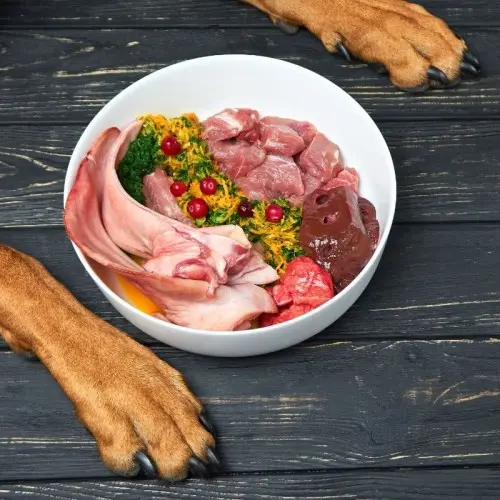
Ensure the raw diet has about 70% meat, 10% organs, 10% bone, and 10% vegetables. This balance helps your dog get all essential nutrients.

Credit: www.youtube.com
Types Of Raw Food To Include
Choosing the right types of raw food for your dog is key to keeping them healthy and happy. Different raw food components provide essential nutrients that support muscles, organs, and bones. Understanding what to include helps you create a balanced diet that meets your dog’s unique needs.
Muscle Meat
Muscle meat forms the bulk of a raw diet and supplies vital protein and amino acids. Common options include beef, chicken, turkey, and lamb. You want to offer a variety of muscle meats to ensure your dog gets a wide range of nutrients.
Think about how your dog reacts to different meats. Some dogs might prefer the taste of beef over chicken, which can make mealtime more enjoyable and reduce food waste. Have you noticed your dog’s energy levels improve with certain muscle meats?
Organ Meat
Organs are nutritional powerhouses that provide vitamins and minerals often missing in muscle meat alone. Liver, kidney, and heart are the most popular choices. Liver is especially rich in vitamin A and iron, essential for your dog’s immune system.
Including organ meat in small amounts—about 10% of the total diet—ensures your dog benefits without overloading on certain nutrients. If you’ve ever skipped organ meat, try adding it gradually and watch for positive changes in your dog’s coat and vitality.
Bones And Supplements
Raw bones offer calcium and phosphorus, which support strong teeth and bones. Always choose raw, meaty bones and avoid cooked bones that can splinter and harm your dog. Examples include chicken necks and wings or beef rib bones.
Supplements like fish oil or kelp powder can fill nutritional gaps, especially if your dog has specific health concerns. Before adding supplements, consider what’s already in the raw foods you feed. Have you checked if your dog’s diet needs extra omega-3s or minerals?
Signs Of Proper Feeding
Knowing if your dog is getting the right amount of raw food can sometimes be tricky. Instead of guessing, look for clear signs that show your dog is well-fed and thriving. These signs help you adjust their diet properly to keep them happy and healthy.
Healthy Weight Maintenance
Your dog’s weight is a strong indicator of proper feeding. If your dog maintains a healthy weight without sudden gain or loss, it means the raw food portion is likely correct.
Regularly check their ribs and waistline. You should be able to feel ribs without pressing too hard, and see a defined waist behind the ribs. If your dog starts to look too thin or overweight, consider tweaking the amount of food.
Consistent Energy Levels
Energy is a direct reflection of nutrition. A well-fed dog shows steady energy throughout the day without sudden spikes or drops.
If your dog feels sluggish or overly hyperactive, it might be a sign the feeding amount needs adjustment. Watch how your dog behaves during walks or playtime. Are they active and alert, or tired and lethargic?
Good Stool Quality
Healthy stool is one of the clearest signs your dog’s diet is working well. Ideal stool is firm but not hard and easy to pick up.
If stools are too loose, runny, or very hard, your dog’s raw food amount or ingredients might need to change. Pay attention to color and smell as well, since these can indicate digestive health or issues.
Common Feeding Mistakes To Avoid
Feeding raw food to dogs requires careful attention. Common mistakes can harm your dog’s health and slow progress. Avoiding these errors ensures your dog gets the right nutrition and stays happy.
Overfeeding Or Underfeeding
Giving too much food leads to weight gain and health issues. Too little food causes weakness and poor growth. Measure portions based on your dog’s weight and activity. Watch your dog’s body condition regularly. Adjust food amounts as needed.
Ignoring Nutrient Balance
Raw food must include proteins, fats, and essential vitamins. Overemphasizing one nutrient can cause deficiencies. Balanced meals keep your dog’s immune system strong. Use a variety of ingredients to cover all nutrients. Consult a vet for proper diet planning.
Lack Of Variety
Feeding the same foods daily limits nutrient intake. Variety prevents boredom and encourages better eating habits. Rotate meats, organs, and vegetables in meals. Different foods provide diverse vitamins and minerals. Variety supports overall health and vitality.
Adjusting Portions Over Time
Adjusting your dog’s raw food portions over time is important for their health. Their needs change due to many factors. Watching these changes helps keep your dog fit and happy.
Monitoring Weight Changes
Keep an eye on your dog’s weight regularly. Weigh them every few weeks. Small weight gains or losses show if the portion size is right. Adjust the amount of raw food if your dog gets too thin or too heavy. A steady weight means the portion is correct.
Seasonal Activity Shifts
Dogs move more in some seasons than others. In warm months, they might run and play outside more. In colder months, they may be less active. Increase raw food portions during active seasons for energy. Decrease portions in less active months to prevent weight gain.
Age-related Dietary Needs
Young dogs need more food to grow strong. Older dogs need fewer calories to avoid extra weight. Adjust raw food portions as your dog ages. Senior dogs may also need softer food or special nutrients. Changing food amounts helps keep your dog healthy at every age.
Safety Tips For Raw Feeding
Feeding your dog raw food can offer great health benefits, but safety must be your top priority. Handling raw meat incorrectly can expose both your pet and your family to harmful bacteria. Following clear safety tips helps you keep feeding times safe and stress-free.
Proper Storage And Handling
Store raw dog food in the coldest part of your fridge or freezer to keep it fresh. Make sure to use airtight containers or sealed bags to prevent leaks and odors.
Thaw frozen food in the fridge, never on the countertop, to avoid bacterial growth. Always wash your hands before and after handling raw food to protect yourself and your pet.
Avoiding Cross-contamination
Use separate cutting boards and utensils for your dog’s raw food and your own meals. Clean all surfaces thoroughly with hot, soapy water after preparing raw food.
Keep raw dog food away from ready-to-eat human foods to prevent bacteria from spreading. Think about this: could one careless moment in the kitchen risk your entire household’s health?
Consulting A Veterinarian
Talk to your vet before starting a raw diet to ensure it meets your dog’s specific nutritional needs. Your vet can also advise on safe portion sizes and any supplements your dog might require.
If your dog has health issues or a weak immune system, a vet’s guidance is essential. Don’t guess when it comes to your dog’s health—professional advice can save you from costly mistakes.

Credit: www.merseyraw.com
Frequently Asked Questions
How Much Raw Food Should I Feed My Dog Daily?
The daily amount depends on your dog’s weight, age, and activity. Generally, feed 2-3% of their body weight in raw food. Adjust portions based on health and energy levels for best results.
What Factors Affect Raw Food Quantity For Dogs?
Factors include your dog’s age, weight, breed, and activity level. Puppies and active dogs need more calories. Older or less active dogs require less food to avoid weight gain.
Can Feeding Too Much Raw Food Harm My Dog?
Yes, overfeeding can cause obesity and digestive issues. Follow recommended portions and monitor your dog’s weight regularly. Consult your vet for personalized feeding advice.
How To Transition My Dog To A Raw Food Diet?
Start by mixing small amounts of raw food with their current diet. Gradually increase raw portions over 7-10 days. Monitor digestion and energy to ensure a smooth transition.
Conclusion
Feeding the right amount of raw food keeps dogs healthy and happy. Watch your dog’s weight and energy daily. Adjust portions based on age, size, and activity. Too much food can cause problems. Too little food may lead to weakness.
Consult a vet to find the best plan. Remember, balance and consistency matter most. Raw feeding takes care and patience. Your dog will thank you with good health. Keep learning and observing your dog’s needs closely. This way, you support their well-being every day.