
Are you wondering if soy meal fits into your dog’s grain-free diet? Choosing the right food for your furry friend can be confusing, especially with so many options out there.
You want to make sure your dog gets the best nutrition without any hidden ingredients that might cause harm. You’ll discover the truth about soy meal and whether it belongs in a grain-free diet for dogs. Keep reading to learn how this ingredient could affect your dog’s health and what you should watch out for.
Your dog’s wellbeing depends on the choices you make today.
Grain Free Diet Basics
Choosing a grain free diet for your dog involves understanding what it really means and why it might matter for their health. A grain free diet eliminates common grains like wheat, corn, and rice, focusing instead on other sources of nutrients. This choice can impact digestion, allergies, and overall energy levels in dogs.
Many dog owners, including myself, noticed improvements in their pets’ coat and digestion after switching to grain free options. But is it always the best choice? Let’s look deeper into why some people prefer grain free diets and what ingredients typically replace grains.
Reasons For Grain Free Choices
Many dogs develop allergies or sensitivities to grains, causing itching, digestive upset, or ear infections. Grain free diets can help reduce these symptoms by removing potential irritants.
Some owners believe grain free foods mimic a more natural diet, closer to what wild dogs might eat. Others simply want to avoid fillers and focus on higher protein content.
Have you seen changes in your dog’s health after removing grains? It’s worth tracking their energy, skin condition, and stool quality to see if grain free suits them.
Common Ingredients In Grain Free Dog Food
Without grains, dog food manufacturers use alternative ingredients to provide energy and nutrients. Common replacements include:
- Pulses:Peas, lentils, and chickpeas add protein and fiber.
- Potatoes and Sweet Potatoes:These provide carbohydrates and are easier to digest for some dogs.
- Legumes and Beans:Sources of protein and carbohydrates.
- Animal Proteins:Chicken, beef, fish, and lamb often take center stage.
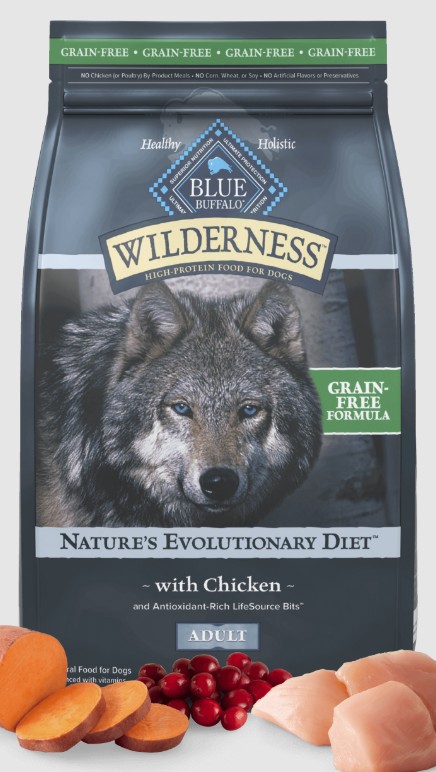
Not all grain free foods are created equal. Some use more fillers like soy meal, which might not always be the best choice for your dog’s diet. What ingredients do you look for when selecting your dog’s food?
Credit: www.ibnesinatibbiya.org
Nutritional Profile Of Soy Meal
Soy meal is a common ingredient in many pet foods. Understanding its nutritional profile helps decide if it fits a grain-free diet for dogs. It offers several nutrients important for your pet’s health. The focus lies on protein, amino acids, vitamins, and minerals.
Protein Content And Quality
Soy meal is rich in protein, often containing about 44-48%. This protein supports muscle growth and repair. It is plant-based, making it a good option for dogs with meat allergies. The protein is digestible, but some dogs may find it harder to process than animal proteins.
Essential Amino Acids
Amino acids are building blocks of protein. Soy meal provides many essential amino acids dogs need. These include lysine, leucine, and valine. These acids help maintain healthy skin, coat, and muscles. Some amino acids may be lower than in animal proteins, so balance is key.
Vitamins And Minerals
- Soy meal contains B vitamins like folate and niacin.
- It provides minerals such as calcium, iron, and potassium.
- These nutrients support energy, bone health, and oxygen transport.
- Soy also has antioxidants that promote overall health.
Soy Meal And Grain Free Diets
Deciding on the best diet for your dog can be challenging, especially if you’re considering a grain-free option. Many pet owners are turning to soy meal as a potential ingredient. But is soy meal a good fit for a grain-free diet? This is a question many dog owners are asking as they aim to provide the best nutrition for their furry friends.
Is Soy Considered A Grain?
Soy is not a grain. It’s actually a type of legume, which means it’s part of the bean family. This distinction is crucial for anyone looking to eliminate grains from their dog’s diet. Grains typically include wheat, corn, and rice, which are often linked to allergies and digestive issues in some dogs.
By including soy meal, you’re not adding grains to your dog’s diet. Instead, you’re providing a protein-rich alternative that can support muscle development and energy levels. Is this the perfect solution for your dog? It depends on their individual needs and health conditions.
Soy As A Grain Alternative
When you’re looking for grain alternatives, soy meal can be a viable option. It’s packed with protein and is often used in commercial pet foods as a meat substitute. This can be particularly beneficial for dogs with specific protein allergies or sensitivities.
However, not all dogs react the same way to soy. While it can be a great source of nutrition for some, others might experience digestive issues or allergies. You should always monitor your pet’s reaction to new foods and consult with your vet if you notice anything unusual.
How do you decide if soy meal is suitable for your dog? Consider their specific dietary needs, any allergies they may have, and their overall health. It’s always a good idea to discuss any diet changes with your veterinarian to ensure your dog stays happy and healthy.
Credit: wefeedraw.com
Health Benefits Of Soy For Dogs
Soy offers several health benefits for dogs, especially in their diet. It is a good plant-based protein source that supports overall well-being. Soy contains essential nutrients that can help maintain your dog’s health without grains. Understanding these benefits helps decide if soy fits your dog’s diet.
Digestive Health
Soy contains fiber that aids digestion and promotes a healthy gut. It helps regulate bowel movements and prevents constipation. The fiber in soy also supports good bacteria in the intestines. This balance can improve nutrient absorption and reduce digestive discomfort.
Allergy Considerations
Soy is less likely to cause allergies compared to some grains or animal proteins. It is a suitable option for dogs with grain allergies. Still, some dogs may develop soy sensitivities. Watch for signs like itching, redness, or upset stomach after feeding soy.
Weight Management
Soy protein helps dogs feel full without extra calories. It supports lean muscle development and aids fat loss. Including soy can help maintain a healthy weight and reduce obesity risks. It is a useful ingredient in weight control diets for dogs.
Potential Risks Of Soy In Dog Food
Soy is a common ingredient in many dog foods, including some grain-free options. While it offers protein and nutrients, soy can also pose risks to dogs. Understanding these risks helps pet owners make safe choices for their pets’ diets. Here are key concerns about soy in dog food.
Allergic Reactions
Some dogs develop allergies to soy proteins. Signs include itching, redness, and ear infections. Digestive issues like vomiting and diarrhea can also occur. Allergies may worsen over time with continued soy exposure. Dogs prone to allergies should avoid soy-based foods to prevent discomfort.
Phytoestrogens And Hormonal Effects
Soy contains phytoestrogens, plant compounds that mimic estrogen. These can affect a dog’s hormone balance, especially in sensitive or young dogs. Hormonal disruption may lead to reproductive issues or changes in behavior. Long-term effects are not well understood but raise concerns for some pet owners.
Antinutritional Factors
Soy has antinutritional factors like trypsin inhibitors. These reduce protein digestion and nutrient absorption. Raw or improperly processed soy increases these risks. Cooking usually lowers antinutritional compounds, but some may remain. Reduced nutrient uptake can impact a dog’s overall health and energy.
Credit: wefeedraw.com
Expert Opinions On Soy Meal
Understanding what experts say about soy meal is key if you’re considering it for your dog’s grain-free diet. Opinions vary, but many professionals weigh in on its benefits and drawbacks based on their experience and research. Let’s look at what veterinarians, nutritionists, and recent studies reveal about soy meal for dogs.
Veterinarian Insights
Many veterinarians appreciate soy meal as a plant-based protein source, especially for dogs with allergies to common meats. They often highlight its digestibility and balanced amino acids, which can support muscle health.
However, some vets caution against soy due to potential allergies and hormone-like effects from phytoestrogens. They recommend monitoring your dog’s reaction closely if you decide to add soy meal to their diet.
Nutritionist Perspectives
Animal nutritionists often see soy meal as a valuable ingredient in grain-free dog food because it provides protein without grains. They point out that soy contains essential nutrients like fiber, vitamins, and minerals, which contribute to overall health.
Yet, they also warn about over-reliance on soy. Too much soy might interfere with nutrient absorption or cause digestive upset in sensitive dogs. Nutritionists suggest balancing soy with other protein sources for the best results.
Recent Research Findings
Recent studies show mixed results on soy meal’s impact in grain-free diets. Some research highlights its effectiveness in supporting lean body mass and heart health in dogs.
At the same time, other findings suggest that long-term high soy diets could affect thyroid function or trigger allergies in certain breeds. These conflicting outcomes indicate that soy meal might be good for some dogs but not all.
Have you noticed any changes in your dog’s energy or digestion after trying soy-based foods? Tracking these signs can help you decide if soy meal fits your pet’s unique needs.
Choosing The Right Grain Free Dog Food
Choosing the right grain free dog food requires more than just picking a label that says “grain free.” You need to understand what ingredients are inside and how they affect your dog’s health. This is especially important if you’re questioning whether soy meal fits into a grain free diet for your dog.
Reading Ingredient Labels
Start by carefully examining the ingredient list on the dog food package. Ingredients are listed by weight, so the first few items make up the majority of the food. Look for high-quality protein sources like chicken, beef, or fish rather than fillers or by-products.
Soy meal may appear as a protein source, but it can also be a controversial choice for grain free diets. Ask yourself: does the product contain hidden grains or soy derivatives that might affect your dog’s digestion or allergies? Remember, soy is technically not a grain, but some dogs react to it like they do to grains.
Balancing Nutrients
A grain free diet doesn’t mean your dog’s food should lack essential nutrients. It’s crucial to balance proteins, fats, and carbohydrates to keep your dog energetic and healthy. Check if the food includes vegetables, fruits, and added vitamins to round out the diet.
Sometimes, soy meal is added to boost protein content, but it may not provide the full range of amino acids your dog needs. Consider how the food combines different ingredients to deliver balanced nutrition. Does the label mention complete and balanced nutrition approved by AAFCO? That’s a good sign.
Considering Your Dog’s Needs
Your dog’s breed, age, weight, and health conditions all influence the best grain free food choice. If your dog has allergies or sensitivities, soy meal might cause digestive upset or skin issues. Pay attention to how your dog reacts to new foods and consult your vet if unsure.
Think about your dog’s activity level, too. Active dogs often require higher protein and fat levels, so a grain free food with soy meal might not meet those needs effectively. What works for a senior dog might not be right for a puppy or working dog.
Frequently Asked Questions
Is Soy Meal Safe For Dogs On A Grain-free Diet?
Soy meal is generally safe for dogs on a grain-free diet. It provides protein without grains. However, some dogs may have allergies or sensitivities to soy. Always monitor your dog’s reaction when introducing soy-based foods.
Does Soy Meal Fit A Grain-free Dog Food Label?
Soy meal fits grain-free diets because it contains no grains like wheat or corn. It is a legume-based protein source. Grain-free dog foods often use soy meal as an alternative protein ingredient.
Can Soy Meal Cause Allergies In Dogs?
Yes, soy meal can cause allergies in some dogs. Symptoms include itching, digestive upset, and ear infections. If your dog shows signs of allergy, consult a vet and consider alternative proteins.
Is Soy Meal Nutritious For Dogs On Grain-free Diets?
Soy meal is nutritious and rich in protein and essential amino acids. It supports muscle health and energy. However, it should be balanced with other ingredients for optimal nutrition.
Conclusion
Soy meal can be a part of some grain free dog diets. It offers protein but may cause allergies in some dogs. Always watch your pet’s reaction after feeding soy meal. Talk to your vet before changing your dog’s diet.
Every dog is different and needs special care. Choose food that fits your dog’s health and taste. Keep your dog happy and healthy with the right diet.