Are you wondering when your dog should switch to mature adult dog food? Choosing the right time can make a big difference in your pet’s health and happiness.
Feeding your dog the right food as they age helps keep their energy up and supports their joints and digestion. You’ll find clear answers about the perfect age to make this change. Keep reading to learn how to give your furry friend the best nutrition at every stage of life.
Mature Adult Dog Defined
Understanding what qualifies a dog as a mature adult is key to choosing the right food for their stage of life. Mature adult dogs have different nutritional needs compared to puppies or senior dogs. Recognizing this phase helps you support their health, energy, and longevity effectively.
Age Range For Mature Dogs
The age at which a dog becomes a mature adult varies by breed and size. Generally, small to medium breeds enter maturity around 5 to 7 years old. Larger breeds tend to mature earlier, often between 4 and 6 years.
It’s important to note that these are guidelines, not exact rules. Your dog’s lifestyle and health can affect when they truly become mature. Have you noticed changes in your dog’s activity or behavior that might signal this transition?
Signs Of Maturity In Dogs
Physical and behavioral changes usually indicate maturity. Your dog’s energy levels may decrease, and they might show less interest in constant play. Their coat might change in texture or color, and you could see subtle weight shifts.
Behaviorally, mature dogs often become calmer and more settled. They might also need more rest between activities. Observing these signs helps you decide when to switch to mature adult dog food that supports their evolving needs.
Nutritional Needs Of Mature Dogs
As your dog grows older, their nutritional needs change significantly. Mature dogs require food that supports their aging bodies while maintaining their energy and health. Understanding these needs helps you choose the right food that keeps your dog active and happy for years to come.
Protein Requirements
Protein remains essential for mature dogs but the amount and quality matter more. Older dogs need high-quality protein to maintain muscle mass and support organ function. Too little protein can lead to muscle loss, while too much might strain their kidneys.
Look for dog foods with real meat, fish, or eggs listed as the first ingredient. These sources provide the amino acids your dog needs. Have you noticed your dog slowing down? Adjusting protein levels could be the key to keeping them lively.
Fat And Calorie Considerations
Fat provides energy and supports skin and coat health, but mature dogs often need fewer calories. Their activity level usually drops, so feeding the same amount as when they were younger may cause weight gain.
Choose foods with moderate fat content and consider smaller, more frequent meals to manage calorie intake. Watch your dog’s weight regularly—are they gaining or losing too much? Adjusting fat and calories helps maintain a healthy weight and reduces stress on joints.
Essential Vitamins And Minerals
Vitamins and minerals play a vital role in your dog’s aging process. Nutrients like antioxidants (vitamins C and E) support the immune system, while calcium and phosphorus help maintain strong bones.
Omega-3 fatty acids are especially beneficial for brain and joint health. Check if the dog food includes these nutrients or consider supplements after talking with your vet. Could adding these vitamins improve your dog’s vitality and comfort?
Benefits Of Specialized Mature Dog Food
Specialized mature dog food is designed to meet the unique needs of aging dogs. As your dog grows older, their body changes and so do their nutritional requirements. Choosing the right food can make a noticeable difference in their energy, comfort, and overall health.
Improved Digestion
Older dogs often face digestive challenges. Specialized mature dog food includes easily digestible ingredients that help reduce stomach upset and improve nutrient absorption.
Adding fiber from sources like beet pulp or pumpkin supports regular bowel movements. Have you noticed your dog struggling with digestion lately? Switching to a mature formula might ease those issues and keep your dog feeling comfortable.
Joint Health Support
Joint pain and stiffness are common in mature dogs. Dog foods tailored for seniors usually have added glucosamine and chondroitin, which support cartilage repair and joint flexibility.
Omega-3 fatty acids from fish oil also reduce inflammation. If your dog seems less playful or reluctant to climb stairs, these nutrients can help maintain their mobility and quality of life.
Weight Management
As metabolism slows down with age, mature dogs can gain unwanted weight. Specialized formulas often have fewer calories but still provide all necessary nutrients to keep your dog healthy.
Maintaining a healthy weight reduces strain on joints and lowers the risk of diseases like diabetes. Do you find it difficult to keep your senior dog at an ideal weight? Mature dog food with balanced calories and portion control can make this easier for both of you.
Credit: pet-supermarket.co.uk
Choosing The Right Mature Dog Food
Choosing the right mature dog food is essential for your dog’s health and happiness. Mature dogs have different nutritional needs than younger dogs. Their metabolism slows down, and they may need fewer calories but more nutrients to support joints, skin, and coat health.
Picking food that matches your dog’s age and activity level helps maintain their weight and energy. It also supports their immune system and digestion. Understanding dog food labels and ingredients helps make better choices.
Reading Dog Food Labels
Dog food labels show important details about nutrition and ingredients. Look for the guaranteed analysis section. It lists protein, fat, fiber, and moisture percentages. Check if the food meets AAFCO standards for your dog’s life stage.
The ingredients list shows what is inside the food. Ingredients are listed by weight, from most to least. The first ingredient should be a quality source of protein, like chicken or beef. Avoid labels with vague terms like “meat by-products.”
Ingredients To Look For
- High-quality protein such as chicken, turkey, or fish
- Healthy fats like omega-3 and omega-6 for skin and coat
- Fiber sources such as beet pulp or pumpkin for digestion
- Glucosamine and chondroitin to support joint health
- Vitamins and minerals to boost immune function
- Antioxidants from fruits and vegetables for overall wellness
Ingredients To Avoid
- Artificial colors, flavors, and preservatives
- Excess fillers like corn, wheat, and soy
- By-products and unnamed meat meals
- Excessive salt and sugar
- Ingredients that cause allergies or sensitivities in your dog
Homemade Vs Commercial Mature Dog Food
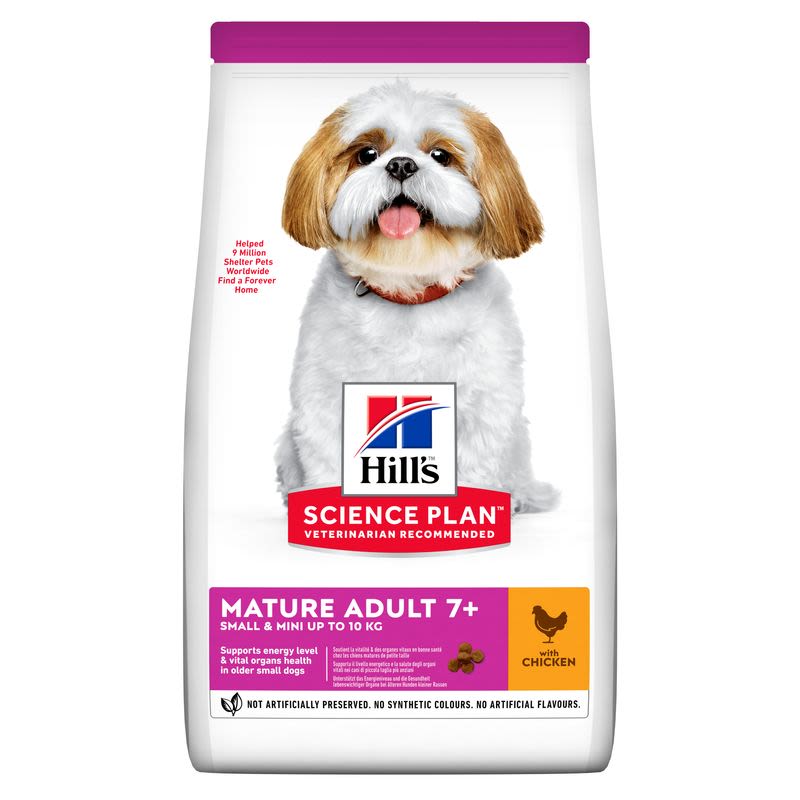
Choosing the right food for mature adult dogs depends on various factors. Homemade options offer control over ingredients, while commercial dog food ensures balanced nutrition. Dogs typically require mature adult food around seven years of age, depending on their breed and size.
Choosing the right food for your mature dog can be a daunting task. The debate between homemade and commercial dog food is a common one among pet owners. Both options come with their own set of benefits and drawbacks. The decision often depends on your dog’s specific needs and your lifestyle.Pros And Cons Of Homemade Diets
Homemade dog food gives you complete control over the ingredients. This can be beneficial if your dog has allergies or specific dietary needs. You can tailor meals to suit their preferences and health requirements. However, preparing homemade dog food can be time-consuming. Ensuring a balanced diet with all the necessary nutrients is challenging. Mistakes in nutrient balance can lead to health issues for your pet.Advantages Of Commercial Options
Commercial mature dog food is convenient and time-saving. It is formulated to meet the nutritional needs of older dogs. Many brands offer options for various health concerns, like joint support or digestion. Yet, not all commercial foods are created equal. Some may contain fillers or low-quality ingredients. It’s crucial to research and choose high-quality brands that prioritize your dog’s health. Is convenience more important than customization for you? Evaluating your priorities can guide your decision. Whether you opt for homemade or commercial, your dog’s well-being should always be the focus.Transitioning To Mature Dog Food
Transitioning your dog to mature adult food is a crucial step as they age. It helps meet their changing nutritional needs and supports their overall health. Knowing when and how to make this change can prevent digestive issues and keep your dog feeling their best.
Signs Your Dog Needs A Change
Watch for shifts in your dog’s energy levels. If your dog seems less active or tires more quickly, it might be time to adjust their diet. Changes in weight, whether gaining or losing, can also signal that their current food no longer suits their needs.
Notice their coat and skin condition. Dull fur or dry skin often points to nutritional gaps. Digestive troubles like frequent gas, diarrhea, or constipation are red flags that their food might need to be swapped.
Steps For A Smooth Transition
Start by mixing a small amount of mature dog food into their current meals. Gradually increase the new food over a week or two. This slow change helps your dog’s digestive system adjust without discomfort.
Keep an eye on how your dog reacts during the transition. Are they eating well? Any signs of upset stomach? Adjust the pace if needed, slowing down or pausing the change if your dog shows distress.
- Offer plenty of fresh water to aid digestion.
- Maintain consistent feeding times to create a routine.
- Consult your vet if unsure about the right mature food or if problems arise.
Have you noticed subtle changes in your dog’s behavior that might be linked to their diet? Paying attention to these details can make the difference in choosing the perfect mature dog food and ensuring a happy, healthy companion.
Common Health Issues In Mature Dogs
Mature dogs face several health challenges as they age. Their bodies change, and they need special care. Feeding them the right dog food helps manage these common health issues. Understanding these problems is key to keeping your dog happy and healthy.
Arthritis And Mobility
Arthritis is common in older dogs. It causes joint pain and stiffness. This condition limits movement and activity. Dogs may struggle to climb stairs or jump. Special dog food with glucosamine and omega-3 fatty acids supports joint health. It helps reduce inflammation and ease pain.
Dental Health
Dental problems often appear in mature dogs. Gum disease and tooth loss are frequent issues. Poor dental health affects eating and comfort. Mature dog food with added dental care benefits helps maintain strong teeth. Ingredients that reduce tartar and plaque build-up are important.
Weight And Metabolism
Older dogs have slower metabolism. They burn fewer calories and gain weight easily. Excess weight strains joints and organs. Mature dog food should be lower in calories and fat. High protein helps maintain muscle mass. Balanced nutrition controls weight and supports energy levels.
Supplements For Mature Dogs
Supplements can play a key role in keeping your mature dog healthy and active. As dogs age, their nutritional needs change, and adding the right supplements can support their overall well-being. Let’s look at some of the most beneficial supplements for mature dogs and how they can help.
Joint Supplements
Joint health often declines as dogs get older, leading to stiffness and discomfort. Supplements containing glucosamine and chondroitin are popular choices to support cartilage repair and reduce inflammation.
My older dog started showing signs of slower movement, but after adding a joint supplement recommended by our vet, I noticed a big difference in his playfulness within weeks. Could your dog benefit from extra joint support too?
Omega Fatty Acids
Omega-3 and Omega-6 fatty acids help maintain a shiny coat and healthy skin. These fats also have anti-inflammatory properties that benefit heart and brain health in senior dogs.
Adding fish oil capsules or foods rich in omega fatty acids helped my dog’s dry skin improve dramatically. Are you providing enough omega fatty acids in your dog’s diet?
Probiotics
Probiotics support a healthy digestive system by balancing the gut bacteria. This can improve nutrient absorption and reduce issues like diarrhea or constipation, which are common in older dogs.
I found that giving my mature dog a daily probiotic supplement helped regulate his digestion and boost his energy levels. Have you noticed any digestive changes in your dog that probiotics might help?
Feeding Tips For Mature Dogs
Feeding your mature dog properly can make a big difference in their energy and overall health. As dogs age, their nutritional needs change, and so should the way you feed them. Paying attention to meal timing, hydration, and weight can help keep your dog feeling great and prevent common health issues.
Meal Frequency And Portion Control
Older dogs often benefit from smaller, more frequent meals rather than one or two large ones. This can aid digestion and keep their energy levels steady throughout the day.
Try splitting your dog’s daily food into three or four portions instead of just two. Adjust the portion size based on their activity level and weight—overfeeding can lead to unnecessary weight gain.
Have you noticed your dog begging for food between meals? Sometimes, this is boredom rather than hunger. Offering healthy, low-calorie treats or engaging toys can help manage this behavior.
Hydration Importance
Water is essential for all dogs, but mature dogs especially need easy access to fresh water at all times. Proper hydration supports kidney function and helps prevent urinary tract issues.
If your dog isn’t drinking enough, try placing multiple water bowls around your home or adding a splash of low-sodium broth to their water bowl. Wet food can also help increase fluid intake.
Have you ever checked how much water your dog drinks daily? Tracking this can reveal if they are drinking enough or if a vet visit might be needed.
Monitoring Weight And Health
Keep a close eye on your dog’s weight and overall health. Sudden weight changes can signal health problems that need attention.
Regularly weigh your dog and check their body condition score. If you notice your dog gaining or losing weight without a clear cause, consult your vet promptly.
Also, watch for signs like changes in appetite, energy, or bathroom habits. These clues help you catch issues early and adjust your dog’s diet as needed.

Credit: www.petsathome.com

Credit: www.businessinsider.com
Frequently Asked Questions
At What Age Is A Dog Considered A Mature Adult?
A dog is considered a mature adult typically between 6 to 7 years old. This varies by breed size and health. Smaller breeds mature later, while larger breeds may mature earlier. Transitioning to mature adult dog food supports their changing nutritional needs at this stage.
Why Switch To Mature Adult Dog Food?
Mature adult dog food meets the nutritional needs of aging dogs. It contains fewer calories and more fiber to support healthy weight. It often includes joint-supporting ingredients. Switching helps maintain energy levels and overall health in older dogs.
How To Know When To Change Dog Food For Maturity?
Observe your dog’s behavior, energy, and weight changes around age 6-7. Consult your vet for health assessment. Signs like reduced activity or weight gain indicate a need for mature adult dog food. The vet can recommend the best time to switch.
What Ingredients Are Important In Mature Adult Dog Food?
Mature adult dog food should have balanced protein, moderate fat, and added fiber. Glucosamine and chondroitin help support joint health. Antioxidants promote immune function. These ingredients address aging dogs’ specific needs for vitality and mobility.
Conclusion
Choosing the right mature adult dog food helps keep your dog healthy and happy. Dogs usually need this food around seven years old. It supports their energy, joints, and digestion. Feeding your dog proper nutrition can add good years to their life.
Watch your dog’s behavior and health to know if food changes are needed. Always pick food made for mature dogs, not puppies or seniors. Small changes make a big difference in your dog’s well-being. Healthy food means a happier dog and more joyful moments together.